

Essential Tips for a Seamless Change of Address Process
April 03, 2026
Your to-do list can seem never-ending during a move as you try to juggle all of the responsibilities of moving and finding the right companies to help make your move happen. However, there is one to-do you will want to ensure is at the top of the list: changing your address.
You don’t want to miss important bills, checks, and deliveries while moving or risk identity theft because your mail is going to your old address. From the postal service to your favorite subscription service, you must ensure that all of them are informed so you don’t miss out on important information and items you paid for or become the victim of identity theft.
What Is the Process for Changing Your Address?
Changing your address with the United States Postal Service (USPS) is straightforward, but it's important to follow all necessary steps to avoid missed mail or service interruptions. To begin, you can use the USPS online change of address request tool to securely submit your request and receive immediate confirmation. Alternatively, you may visit your nearest post office and fill out a physical change-of-address form (PS Form 3575), which you can submit directly to postal staff.
In addition to updating your information with USPS, it’s essential to notify key contacts and organizations about your new address. This includes employers, banks, credit card companies, insurance providers, healthcare professionals, schools, and government agencies such as the Internal Revenue Service (IRS) and the Social Security Administration (SSA). Failing to update these entities could result in missed bills, delayed statements, or lapses in important services.
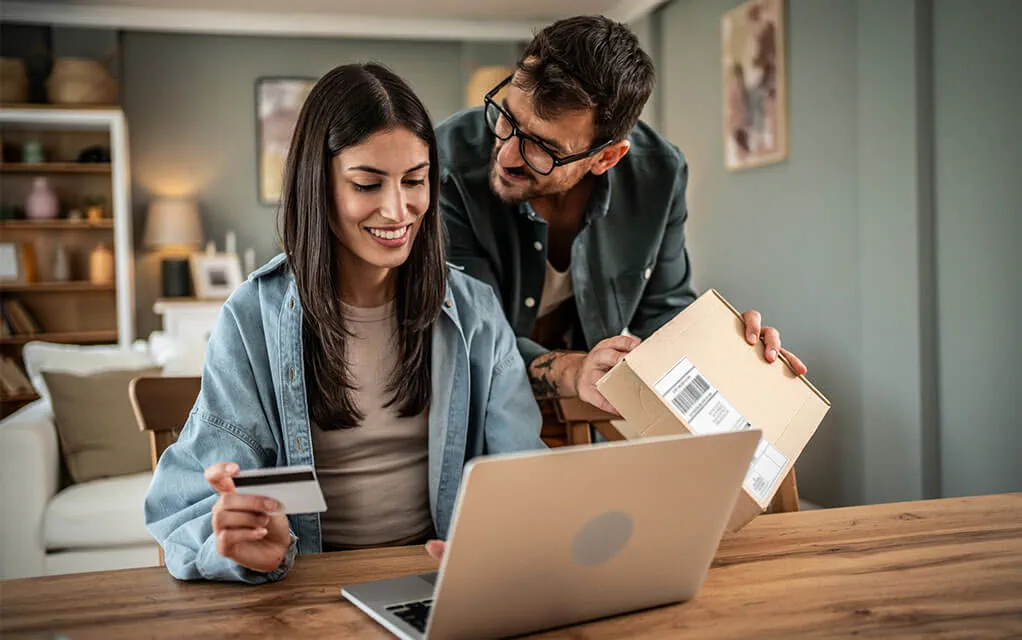
Don't forget to update magazine subscriptions, loyalty programs, online shopping accounts like Amazon or eBay, and delivery services such as meal kits or grocery subscriptions. It’s also wise to inform friends and family so they can reach you at your new residence.
Remember to revise your address on official documents such as your driver’s license or state ID, vehicle registration records, voter registration forms, pet licenses, and any relevant permits. Taking these comprehensive steps will help ensure a smooth transition and prevent disruptions during your move.
How to Change Your Mailing Address When You Move
The primary way to change your mailing address and use mail forwarding services for a period of time is to contact your local post office or visit their website to learn more. This process is good for catching any mail from people, businesses, and elsewhere that you haven't been able to update. Remember, though, that this isn't a permanent solution. The surest way to get your mail to your new address is to update it at the source.
United States Postal Service
The first and most crucial step is updating your mailing address with the United States Postal Service on the official USPS website to avoid missing important mail and to set a specific start date. The fastest and easiest way to do this is to submit a change-of-address request online for a $1 processing fee, which may require a credit card. You can also visit your local post office to request a Mover’s Guide packet, which includes a change-of-address form.
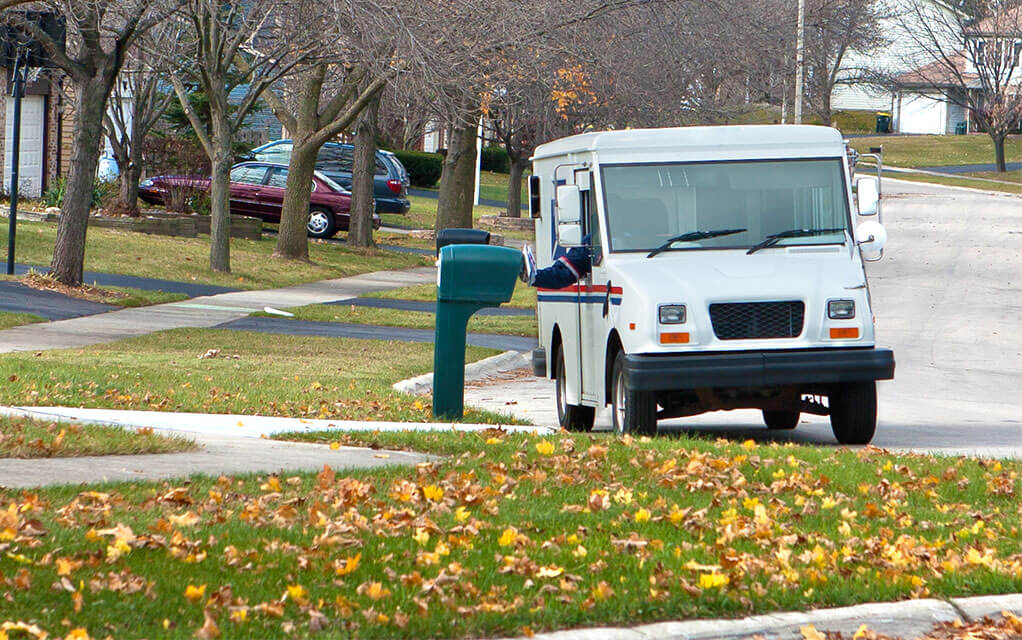
While forwarding your mail may not catch every piece going to your old address, the USPS will forward as much mail as they receive to your new address for 12 months, including Priority Mail Express, giving you time to communicate your new address to everyone else. Magazines and periodicals are only forwarded for 60 days, so you will want to update your address with those subscriptions sooner rather than later to prevent a lapse in service.
Pro tip: When you change your address with USPS, you can often elect to change your voter registration automatically depending on where you are moving to and from.
Other Address Changes to Make When Moving
The USPS is a vital part of the address change process. Unfortunately, it isn’t a catch-all solution to ensure all your mail gets to your new home. There are many companies, agencies, etc., that you will need to physically go to, call, or complete an online form to update your mailing and billing addresses. This process ensures that your mail is being sent to the correct address in the first place, rather than relying on mail forwarding to catch it and send it to the proper place, avoiding any issues of mail ending up at the wrong address.
Utility Companies
Depending on the distance of your move, utility changes may involve more than just changing your address. As you make arrangements to update your utility information for your new home, you may want to consider switching to online billing rather than receiving printed bills at your new address.
You will also want to ensure that all your utilities, such as electricity, water, and internet, are ready to go at your new home the day you move in. Update your address and billing info with these new utility providers, financial institutions, and loan providers if you are moving long-distance, or call your current providers if they stay the same in a local move.
Online Profiles and Storefronts
If you are a frequent online shopper and save your billing and shipping addresses with online sites, remember to change your contact information. Whether you frequently use Amazon to purchase everyday items or like to browse Etsy for gifts, update all of the online merchants you shop at with your new address.
Many sites use one-click purchasing, which bypasses the usual verification of billing and shipping addresses. That makes it imperative to do so before your move, especially if you purchase anything for your new home. You don’t want it sent to the folks moving into your old home!
Financial Institutions
Whatever bank you use should be one of the first institutions you update with a new contact address. This is not only vital for any mail correspondence they might have for you (such as new debit cards or credit cards), but it can also protect you from potential identity theft and fraud. Criminals will often use a victim's old address to open an account or access information they shouldn't have. Letting banks and credit card companies know as soon as possible will help safeguard your financial situation.

Don't forget to inform any banks that handle your retirement accounts. While you may not have constant contact with them, they should not be forgotten when reaching out to your financial institutions. Much like your banks and card issuers, fraud and identity theft can occur with retirement accounts. Simply informing them of your address change can keep your financial future safe!
Your Employer
Whether you are moving locally and staying with the same company or moving long-distance and working at a new company, be sure to notify your company’s HR department of the change. Even if your paychecks are directly deposited into your bank account, you’ll want to let your employer know about your change of address to ensure pay stubs, tax forms, benefits, and other vital documents go to the right place.
Insurance Companies
While this might seem obvious for something like home insurance that you will need to set up at your new address, there could be other things, like life insurance, property insurance, and insurance providers, that could be voided if your current address isn’t updated. Car insurance companies especially need to be updated, as rates can change based on your vehicle's new location, and, if the worst should happen, they could elect not to cover your claim due to an old address mix-up.
Gather a list of all of the insurance companies and service providers you have policies with and contact them individually. Don’t forget any insurance you have through your employer as well - do not count on them to update your info with the insurance you have through the company.
The DMV
Check in with the DMV for a new driver's license with your updated info, especially if you are moving to a new state. Most states grant you a 30-day grace period to update your driver’s license after your move. This will also be an excellent time to update your plate and voter registration if you haven't already. Depending on the state you move to, you might need front and rear license plates on your vehicle to comply with state law.
Nobody enjoys going to the DMV, but it is a vital part of updating your vehicle registration to drive legally on the road.
Other Government Agencies
Apart from the DMV, there are other government agencies you should update information with personally. First is the SSA. If you receive any form of social security benefits, those benefits might not get distributed correctly if the SSA doesn’t have the correct information on file. Identity theft should also be a big concern for everyone, and updating your address with the SSA can help safeguard against identity thieves filing false benefit claims under your old address.
Another agency to update is the IRS, especially if you own a business or are self-employed. Updating the IRS with your new mailing address is vital to ensure essential tax forms are sent to your correct address (and to provide another deterrent against identity theft, such as your Social Security number). If you need further incentive to update with the IRS, tax return disbursements might be held up if the IRS discovers you have moved and haven’t updated your information or reached out to their customer service for assistance.
Friends and Family
Of course, don’t forget to let all your friends and family know of your new permanent change of address! One way to let important people in your life know you’ve moved is by inviting them to a housewarming party. Invite neighbors, friends, and family to the party, and include your new address. If you have moved cross-country, you can always consider a virtual housewarming to show off your new place.
Avoiding Issues of Identity Theft and Fraud When Changing Your Address
Unfortunately, there is a network of criminals who scour public online home listings and identify recently sold homes, as well as those that have been sold (or even bought), and mark them as potential targets for identity theft. These thieves will then attempt to check for mail or packages still being sent to the old address while the home is unoccupied, and steal them. You can employ some strategies to keep you and your identity safe.
Apply for a Mail Stop with the USPS
You can apply online with USPS to place a hold on all mail deliveries to your address for up to 30 days, giving you ample time to set up and contact all your vendors and companies to update your address. You can schedule this up to 30 days in advance or up to 1 day before your next mail delivery, making it super simple. The only caveat is that the mail hold occurs at the local USPS office, where your mail carrier will manage your held mail until your return, at your old home's USPS facility. If you are making a long-distance move and need to collect your mail, you might need to visit your local USPS office before your move to find your options for retrieving your mail post-move.
Sign Up with an Identity Theft Prevention Company
You can temporarily sign up with a company specializing in identity theft prevention to further protect yourself. These companies will monitor your identity and information online and alert you if any accounts or inquiries are made with your information, allowing you to stop the attempt before it goes any further. These companies can also offer services to monitor credit reports, 401(k)s, other investments, and more, in addition to basic identity-theft prevention.
For these services, you can check out companies such as LifeLock, Aura, Experian, and others. Many will allow you to pay either by the month or for a full year for monitoring services.
Work with 1-800-PACK-RAT to Make Your Move Simpler
As we initially said, your to-do list for your move is extensive. 1-800-PACK-RAT knows the ins and outs of moving, which is why we do everything we can to make the process simple for our customers. Let us give you the peace of mind you need while providing the most flexible moving and storage solution available to you.
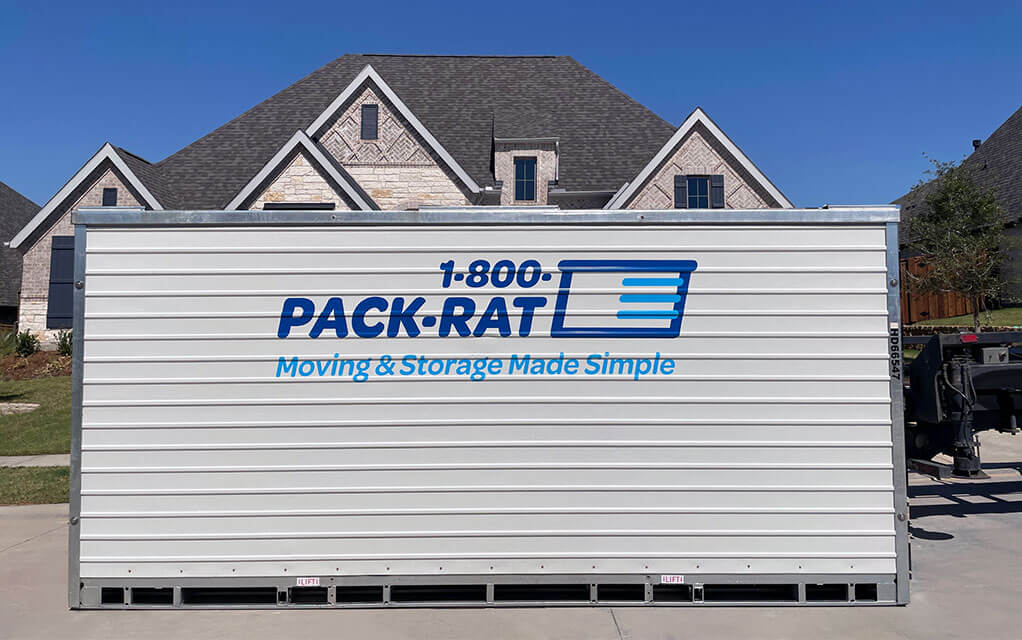
At 1-800-PACK-RAT, our portable moving and storage containers make any moving and storage needs a breeze. Here’s how it works: We will deliver a container to your front door that you can pack at your own pace. When you are ready, we will pick it up and deliver it to your new home or to one of our secure nationwide storage facilities for as long as you need, leaving the driving completely to us. No extra driving or rushing to do everything all in one day. This will save you valuable time you can spend on things like address changes for your upcoming local or long-distance move!
Give us a call today or go online for a free quote and see how we can make moving and storage simple for you!
- Moving Tips (133)
- Home Organization (27)
- News Releases (23)
- Packing Tips (21)
- Fun Stuff (19)
- Portable Storage (16)
- In the Community (11)
- Moving and Storage Tips (11)
- Storage Tips (10)
- Moving Checklists (9)
- Household Moving (7)
- Moving Company Comparisons (5)
- Moving on a Budget (5)
- DITY Move (4)
- Home Maintenance Tips (3)
- Home Buying and Selling Tips (1)
- Interstate Moving (1)


