

Expert Winter Moving Tips You Need to Know
January 22, 2026
Depending on the part of the country you are moving to or from, moves during the winter months can come with their own unique set of challenges. The biggest challenges are the unpredictable weather and the cold temperatures. Plus, if you are moving during the winter holidays, you may have the added stress of planning family gatherings and holiday shopping while also preparing for a big move. So what do you do? You expect the best but prepare for the worst.
While moving during the snowy winter or hectic holiday seasons is not optimal, you can be prepared with the following tips.
Successful Winter Moving Day Tips
Tip #1: Be Flexible and Plan to Be Patient
We recommend creating a flexible moving plan if you live in an area with frequent snow or ice. It is normal to try to get your things moved to your new home as quickly as possible, but you will need to have some extra time and flexibility built into your schedule so you can slow down and work as the weather allows. This will require some patience as circumstances outside your control will likely delay your timeline.

Be sure your moving company is aware of any weather-related issues, and inquire during the booking process about their policy and procedures for weather delays or rescheduling due to inclement weather.
Tip #2: Gather Winter Supplies
You will need winter-specific supplies if you intend to move in the snow. Here are some of the things we recommend you add to your winter moving supplies:
- Salt, sand, or ice melt
- Snow shovel
- Tire chains for your vehicle
- Rugs or mats
- Cardboard
- Plastic tarps
- Ice scraper
- Warm beverages
- Emergency survival kits
- Space heaters
Another tip: make sure not to pack away winter accessories like gloves, scarves, wool socks, snow boots, and hats. Everyone must wear appropriate winter clothing and gear on moving day to stay warm and safe. Extremities like your head, hands, and feet will need extra protection to keep warm. Consider offering everyone on your crew “hot hands” packets to place in their pockets to warm up frosty fingers.
Tip #3: Protect Your Flooring
To keep your home clean and minimize messes, it's smart to use rugs, waterproof covers, mats, long pieces of cardboard, or tarps to create designated walkways—especially during periods of bad weather or when moving in or out. By placing absorbent mats at all entry points, you encourage everyone entering the house to wipe off wet, muddy, or dirty shoes. This simple step can prevent water stains, mud tracks, and other debris from being spread throughout your living space.
In addition to protecting carpets from stains and unnecessary cleaning before vacating a property, these measures also help preserve the overall condition of your flooring. High-quality doormats can trap both moisture and dirt. For added protection in high-traffic areas or hallways, consider laying down runners or temporary floor coverings such as plastic sheeting or heavy-duty drop cloths.

If you’re expecting extra foot traffic—like during a move-out inspection or if contractors are doing work in your home—these protective measures against winter slush become even more important. Not only will they save you time on post-move cleaning and reduce the risk of losing a security deposit due to carpet damage, but they’ll also make your space safer by reducing slippery spots caused by wet shoes.
Regularly shake out or wash rugs and mats to keep them effective at trapping dirt and moisture. Encourage family members and guests to remove their shoes upon entering for maximum cleanliness. Taking these precautions can go a long way toward keeping your home tidy and well-maintained through any season or situation.
Tip #4: Create A Staging Zone
Instead of moving your boxes and furniture from each room, across the house, outside into the inclement weather, and then coming back inside to clean off your shoes and do it all over again, consider creating a staging zone near one of the home’s entry points. The door closest to the portable storage unit would be ideal. Gather as many of your boxes and pieces of furniture as will fit in the staging area.
Once that room is complete, you can carefully load those items into your container. Then, when that batch is loaded, you can come inside and have a hot coffee, tea, or cocoa to warm up before refilling the staging room. This method will also let you spend less time outdoors in freezing temperatures.
Tip #5: Clear Your Outdoor Walkways
Moving during icy or snowy conditions requires extra caution to ensure your safety and protect your belongings. Attempting to carry heavy furniture or boxes across slippery walkways can dramatically increase the risk of falls, which may lead to serious injuries like sprains, fractures, or even head trauma. Such accidents not only pose health risks but can also disrupt and delay your entire moving process.
To prevent these hazards, it’s essential to clear snow from all paths you’ll be using during the move. Take time to thoroughly shovel driveways, sidewalks, steps, and any other routes from your home to the moving truck. After shoveling, generously apply salt or an ice-melt product to frozen patches. This will help break down thick ice and provide better traction underfoot.
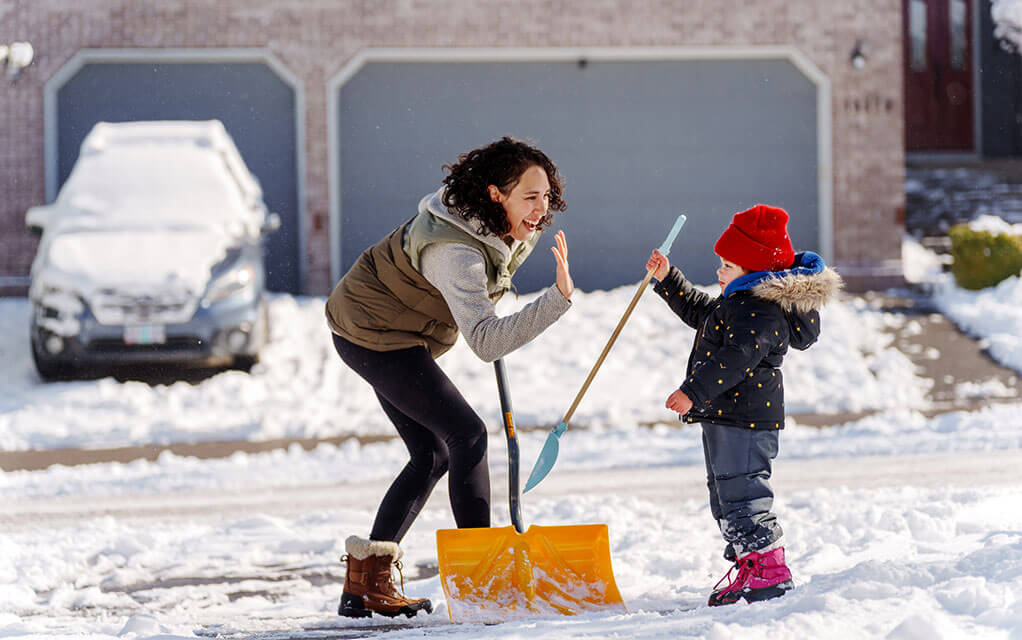
In addition to shoveling and salting, consider wearing shoes with non-slip soles and dressing in layers for warmth without restricting movement. You might also want to keep a supply of sand or kitty litter handy—these materials offer additional grip on especially slick spots if you run out of salt, and don't forget to have a first aid kit ready for emergencies.
If possible, enlist friends' help or hire professional movers and helpers experienced in winter relocations. They often know how to navigate icy surfaces best and may have specialized equipment, such as dollies with rugged wheels designed for rough terrain.
By taking these precautions and not rushing through hazardous areas, you’ll significantly reduce your chances of falling and ensure that your move proceeds smoothly—even in winter weather.
Tip #6: Wear the Proper Attire
Wear warm clothes to protect against hypothermia and proper footwear for walking on slippery ground. Boots or sneakers with good traction will give you a better chance of avoiding injury. A good coat, hat, earmuffs, and gloves should be available to everyone working outdoors in freezing temperatures. We recommend wearing moving gloves with rubber grips—regular cloth mittens or gloves do not provide a good grip on boxes and furniture. Dress in layers so that, if you get too warm or too cold, you can shed or add clothing as needed to compensate, perhaps enjoying some hot chocolate afterward.
Tip #7: Protect Your Items
If it is actively sleeting or snowing while you’re moving, protecting your furniture and boxes from moisture becomes especially important. The first step is to use plastic sheeting, garbage bags, or tarps to cover all of your belongings as you carry them outdoors and load them into the moving truck. These barriers can help keep out wet snow and freezing rain, preventing water damage.
For cardboard boxes, reinforce all seams and corners with heavy-duty packing tape to prevent them from weakening or falling apart in damp conditions. If possible, place sensitive or valuable items—such as electronics, books, documents, and clothing—in sturdy plastic tubs or bins that are naturally more moisture-resistant than cardboard.
Additionally, be mindful when stacking your boxes inside the truck. Place plastic-wrapped items and plastic bins on the bottom layer to create a barrier against any water that may seep in from the floor. If your furniture has fabric upholstery or wood surfaces, wrap those pieces tightly with moving blankets, followed by a layer of plastic wrap for extra protection.

Finally, try to schedule frequent breaks during the loading process so you can check on your items and make sure nothing is getting wet. By taking these precautions, you’ll greatly reduce the risk of water damage during your move in snowy or sleety weather conditions.
Tip #8: Make Sure Your Utilities Are Left On
When planning your move, especially in regions where temperatures can drop below freezing, managing your utilities becomes a critical part of the process. It's important not only to keep the heat running in your current home until you officially move out, but also to ensure that anyone assisting with the move remains comfortable and safe in potentially cold conditions. Neglecting to do so could lead to frozen pipes, property damage, or simply an unpleasant moving experience.
Equally crucial is confirming that all essential utilities—particularly heating—are activated in your new residence before your arrival. Arriving at a cold, unheated house can be both uncomfortable and stressful, especially after a long day of moving. To avoid this scenario, contact utility providers in advance to schedule service transfers or new connections for electricity, gas, water, and internet. It’s a good idea to double-check with them a few days prior to your move-in date to ensure everything will be ready when you arrive.
Additionally, setting up utilities early gives you the opportunity to test appliances such as the furnace or heating system before settling in, especially considering the potential challenges of inclement winter weather. This allows you time to address any potential issues—like malfunctioning thermostats or pilot lights—well before you need reliable warmth.
In summary, keeping utilities running during the transition from one home to another is essential for comfort and safety, especially during this time of year. Proactively manage utility shut-off dates at your old address and activation at your new home so you can focus on enjoying your new space without any unexpected chilly surprises.
Tip #9: Make A Plan for Your Children and Pets
When you’re working from home or expecting visitors—such as contractors, cleaners, or movers—it’s important to make arrangements for the safety of your children and pets. Entrusting their care to a reliable friend or family member can help ensure they are supervised and kept out of harm’s way. This precaution is especially important because increased foot traffic in and out of your home can lead to accidents, such as doors being left open. In colder climates, an open door can mean that young children or pets could wander outside into freezing temperatures, posing serious risks.
If someone can’t watch your children and pets directly, consider setting up a designated safe zone within your home. Choose a secure, comfortable room or area that is well-equipped with food, water, toys, and any other necessities. Make sure this space is free from potential hazards and cannot be accessed by those entering or leaving the house during work hours. Check on your children and pets regularly to ensure they are safe, comfortable, and have everything they need. Taking these steps can give you peace of mind while you focus on your work tasks and help prevent avoidable accidents around the home.
Tip #10: Leave The Moving and Driving To The Professionals
1-800-PACK-RAT uses all-steel, weatherproof portable storage containers so your items stay dry and safe, even in the snowiest regions. Our drivers are trained professionals who will transport your units with ease, ensuring a smooth move. Skip the icy roads, and let us take that job off your hands! We will handle all of the driving and logistics, so you never have to worry about how your stuff will get to its new home. Don't rent a truck that you have to pack in one morning and then drive in hazardous conditions - pack at your pace and take as long as you need to be comfortable with your move!
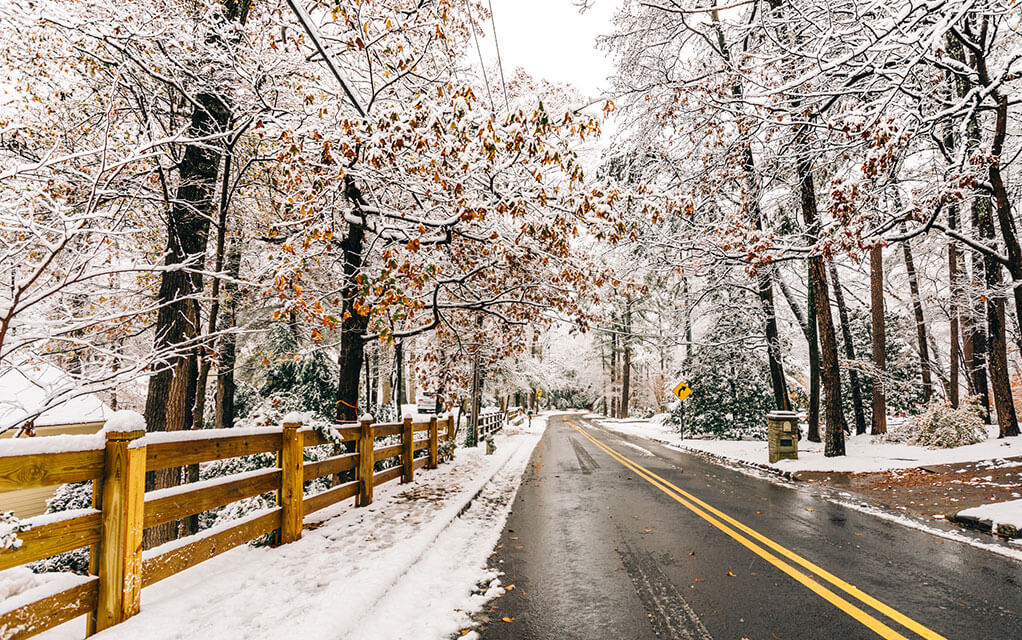
The average moving day usually passes by without incident or injury, but moving in winter can be a bit more physically challenging than most people realize. Use the tips above to make protecting yourself and everyone involved with your move a top priority. On moving day, protecting yourself and your loved ones is even more important than protecting your belongings.
Let 1-800-PACK-RAT Make Your Winter Season Move Easier
If you are planning a local or long-distance move this winter, give 1-800-PACK-RAT a call! Our moving and storage services are tailor-made to help you achieve a smooth and stress-free move. Our portable moving and storage containers offer affordability with a predictable cost, convenient options, and tons of flexibility that will simplify your move. Delivery dates and storage dates can all be easily scheduled and rescheduled using our MyPackRat portal. Every customer automatically receives a My PackRat account offering 24/7 access to manage your order, schedule dates, view payment history, get packing/moving tips, and more. We can also help find professional labor services, auto transportation, and even junk removal services in your local area that you can trust to pack and move your belongings, vehicles, and remove clutter safely and securely, even in the snow.
Here is how it works: you pick your preferred moving date, and we will deliver a portable storage unit to your home. You then take as long as you need to pack and load your container. When you are finished and comfortable with your plans, we will come out to pick up your container and deliver it to your new home, or store it in one of our 85+ nationwide secure locations for safekeeping. It is that simple.
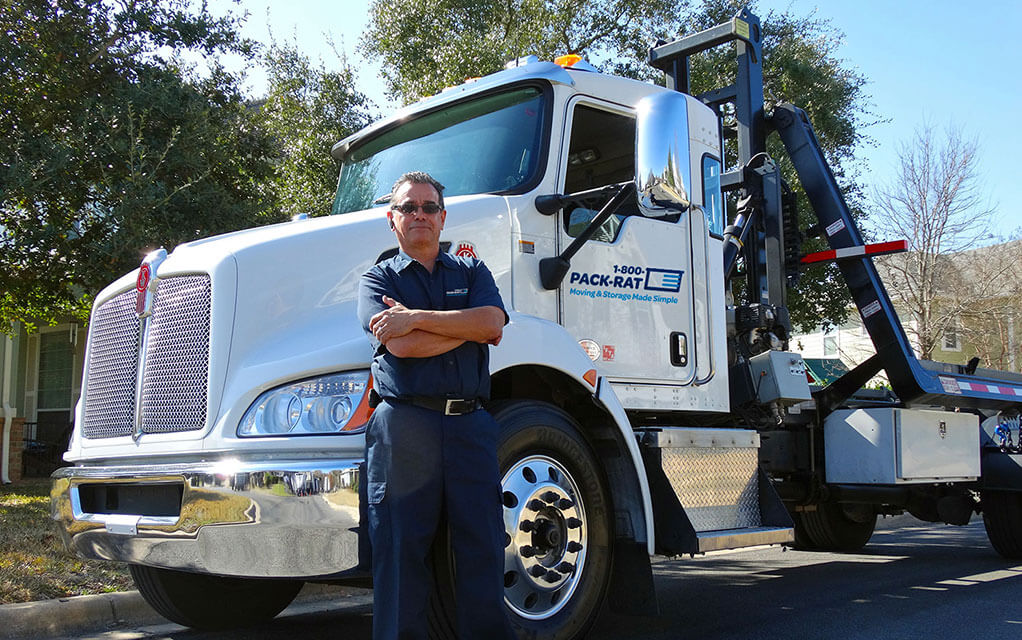
Whatever your moving and storage needs, 1-800-PACK-RAT can make it simple! See what we can do for you today with a free quote!
Frequently Asked Questions About Moving in Winter Months
Are there any benefits to moving during the winter season?
Yes, there are several advantages to moving during the winter months! First and foremost, you'll likely find that the cost of a reliable moving company could be lower in the off-peak season. This can lead to significant savings on your overall moving costs. Additionally, with fewer people relocating during this time, you may have more flexibility in scheduling your move and securing your preferred dates. Winter moves can also provide a unique opportunity for a fresh start at the beginning of the year, allowing you to settle into your new home before spring arrives.
What packing materials work best for moving in cold and wet conditions?
If you are moving in cold, wet conditions, your best bet for packing materials would be large plastic bins that won't get soggy or retain moisture if it rains. Getting plastic sheeting to protect your stuff if it is left outside is also a must. Remember, never pack wet boxes or bins if you can help it, as this can lead to moisture buildup and mold and mildew growth, which can damage your belongings, no matter where they are kept.
How early should I start planning my winter move to avoid winter weather issues?
It's advisable to start planning your winter move with a professional moving company at least six to eight weeks in advance. This timeframe allows you to secure reliable moving services, acquire the necessary packing materials, and prepare for unpredictable weather. Monitor the local forecast closely as your moving date approaches, and have a backup plan in place just in case winter storms or adverse conditions arise.
Thanks to low moving demand in winter, you can reschedule your move to a later date that still fits your schedule, if needed. Remember, preparation is key to a smooth transition in the winter months!
How should I pack for a winter move?
When packing for a winter move, prioritize warmth and protection. Use sturdy boxes and bubble wrap to safeguard fragile items. Label boxes clearly, especially those containing essentials. Include blankets and winter gear in an accessible bag for easy access during the move. Stay organized to ensure a smooth transition.
How can I prepare for my move to a colder state?
To prepare for a move to a colder state, consider winter moving tips such as scheduling your move during daylight hours, ensuring your vehicle is winter-ready, and packing essential items separately. Additionally, keep warm clothing accessible and plan for possible delays due to weather conditions to ensure a smooth transition.
What are some things to be aware of when moving in the winter?
Moving in the middle of winter presents challenges like inclement weather, icy roads, and shorter daylight hours. These factors can complicate logistics and increase risks for both movers and belongings. However, with proper planning and preparation, winter moving can be manageable, often yielding benefits like lower costs and flexible scheduling with moving companies.
What should I consider when hiring movers during the winter months?
When hiring movers during the winter months, consider several key factors to ensure a seamless experience. First, check the mover's experience with winter relocations; they should have strategies in place for dealing with snow and ice. To guarantee a positive outcome, consider seeking professional assistance from movers who specialize in winter relocations.
Verify they have insurance plans to protect your belongings from potential weather-related damage. Next, discuss delivery timelines and flexibility, as winter weather can lead to unexpected delays. It's also wise to inquire about their equipment—do they have reliable vehicles equipped for winter weather? Ensure any and all questions you have are thoroughly answered before booking your services.
- Moving Tips (133)
- Home Organization (27)
- News Releases (23)
- Packing Tips (21)
- Fun Stuff (19)
- Portable Storage (16)
- In the Community (11)
- Moving and Storage Tips (11)
- Storage Tips (10)
- Moving Checklists (9)
- Household Moving (7)
- Moving Company Comparisons (5)
- Moving on a Budget (5)
- DITY Move (4)
- Home Maintenance Tips (3)
- Home Buying and Selling Tips (1)
- Interstate Moving (1)


