

Choosing the Right Moving Boxes for a Smooth Move
May 09, 2025
Boxes are the primary ingredient when it comes to making a move. Almost all of your stuff will go into some kind of moving box that you will pack and load into your moving solution or portable storage container. But there are some basic questions you might have about getting boxes for your move. Where do you get the boxes? How many boxes do you need? Are there different kinds of boxes? Which items work better in which box? Which box did you put that important item in?
We here at 1-800-PACK-RAT are here to help you answer these questions and more! Let us help you figure out where to get boxes, as well as what kinds of boxes you will need to get your stuff packed the right way!
Where to Get Moving Boxes From
When looking for moving supplies and boxes, you can purchase new supplies from places like Lowe's® Home Improvement, which will have a wide selection of everything you will need, including all the packing supplies you'll need to get your move off on the right foot. When you buy new boxes and supplies, you don't have to worry about what the box was used for prior to your receiving it. However, if you are looking to save some money on your move and have a strict budget to follow, there are different places you can search for cheaper or even free moving supplies and boxes.
You can check places like Facebook Marketplace or Nextdoor for people who have recently moved and are looking to offload their leftover boxes and moving supplies for cheap or for free. Look for local Facebook groups for newcomers to the area or moving-centric, and see if anyone is looking to sell their used moving items.

Another free alternative is grocery stores. Grocery stores, as one can imagine, get a lot of boxes. Most of the time, they are willing to let you take some if you speak to a manager about it. For both of these free or reduced-cost options, know that being picky might not be possible, and that you don't know what might have been stored or moved in that box you have.
While there are pros and cons to both new and used moving supplies, choose the right items and boxes for your unique situation. You may find that purchasing new boxes and supplies gives you more peace of mind than buying or getting free boxes.
Different Types of Boxes You Can Get
While a box might just seem like a box, there are a number of different moving box types out there. Some are unitaskers and are used for a single item, such as a TV box. But you will find that boxes can be pretty flexible when it comes to moving your stuff. Review the box types below to determine which you need.
Small, Medium, Large, and Extra-Large Boxes
Your typical square moving box comes in various sizes. The rule of thumb is to keep each box under about 40lb whenever possible. This means packing heavier items in as small a box as they will fit into. Place the heaviest item into the box first because you never want heavy items to crush items underneath it or cause your box to become top-heavy.
You also want to choose a box size that will allow you to pack it as tightly as possible. Extra space in boxes can cause them to collapse. For example, use a small box for items such as batteries, office supplies, and valuable items you keep with you. You can always fill any leftover space with lightweight items such as packing paper, extra towels, bedding, or blankets.
Heavy-Duty Boxes
If you’re looking for packaging that offers extra strength and protection, heavy-duty boxes are the ideal choice. Unlike standard cardboard boxes, heavy-duty boxes are constructed with double-walled corrugated material, making them significantly more robust and capable of handling heavier loads. This design allows them to support greater weight without collapsing or becoming damaged during stacking or transport, which is particularly important for shipping valuable or fragile items.
Although heavy-duty boxes may cost slightly more per unit, their superior durability makes them especially valuable for long-distance moves, storage in humid environments, and transporting electronics, books, kitchenware, or other items prone to breakage. The reinforced structure of these boxes helps prevent bending and crushing, ensuring the contents remain safe throughout transit.

Additionally, many heavy-duty boxes feature reinforced handles for easier lifting and moving. They can also be securely sealed with packing tape and are often reusable for future storage. Investing in heavy-duty packing materials ultimately provides peace of mind—you know your belongings are better protected against accidental drops or stacking pressure during the moving process.
Kitchen Dish Boxes
When packing fragile items such as dishware, glasses, china, and other breakables, using extra-strong or heavy-duty boxes is crucial to minimize the risk of damage. These boxes are designed with reinforced walls and sturdy materials that can withstand the weight of your items and resist collapsing or buckling during transport. Unlike standard moving boxes, heavy-duty options typically feature double-walled cardboard or additional layers for enhanced durability.
For even greater protection, you can opt for specialized dish pack kits. These kits often include cardboard inserts or dividers that create individual compartments for each plate, bowl, or glass. This design prevents items from shifting or colliding during transit. Some kits also include foam padding or additional cardboard sheets, providing an extra layer of cushioning for your valuables.
When packing breakables, wrap each item separately in bubble wrap, packing paper, or foam sleeves before placing it in the box. Fill any empty spaces with crumpled paper or packing peanuts to prevent movement inside the box. Always label these boxes as "Fragile" and indicate which side should face up.
Additionally, consider the size of the box when packing dishes and glasses—smaller boxes are better because they’re easier to handle and less likely to become too heavy. Overpacking large boxes can lead to accidents during lifting or stacking.
Investing in high-quality packing supplies not only safeguards your belongings but also gives you peace of mind throughout the moving process. Properly packed dishware is much more likely to arrive at your new home intact, saving you time and money on replacements.
Wardrobe Boxes
Wardrobe boxes are a game-changer for moving or organizing your clothes. If you can't find them at your local store, it's worth going out of your way to purchase these specialized boxes—they truly are sanity savers! Wardrobe boxes come with a built-in hanging bar, allowing you to transfer clothes directly from your closet hangers into the box and back again without removing them from the hangers. This means you can skip the tedious process of folding each shirt, dress, jacket, or pair of pants and stacking them in a regular box.
Not only does this save you valuable packing time, but it also keeps your garments wrinkle-free and organized. When you arrive at your new home, unpacking is simple: just lift the clothes out and hang them straight in your closet. No need to iron or refold anything!
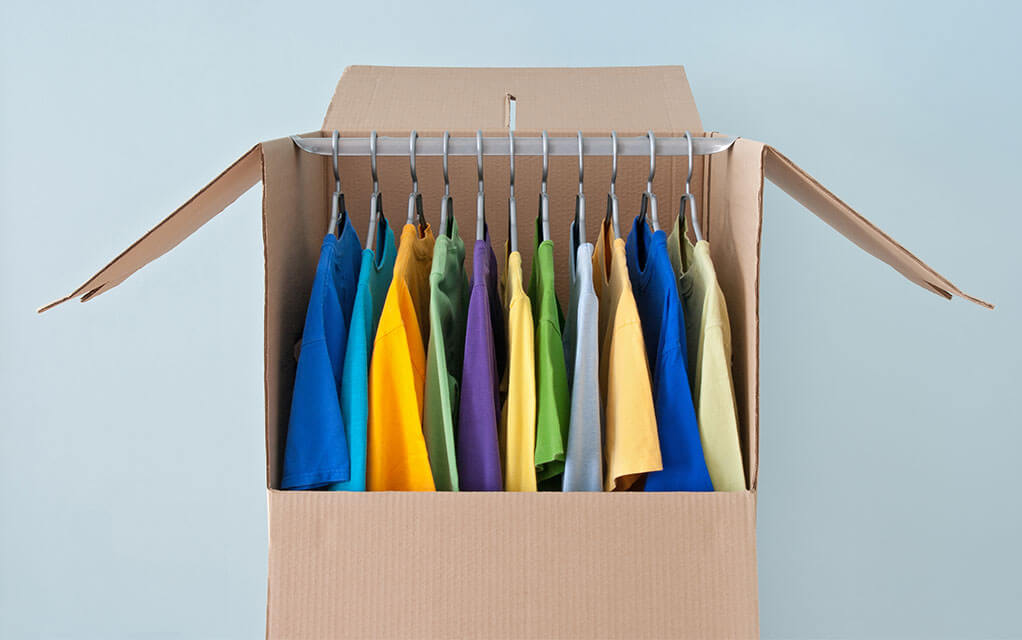
Wardrobe boxes are especially useful for delicate or formal clothing that you'd prefer not to cram into a standard moving box. They can also be used for storing seasonal items like coats or dresses if you're short on closet space. Additionally, many wardrobe boxes have extra space at the bottom for shoes, belts, purses, or other accessories.
Investing in wardrobe boxes helps streamline the moving process and makes unpacking effortless—your clothes will be ready to wear as soon as you're settled in!
Frame Boxes
If you own valuable artwork or large framed pictures, it's essential to use custom frame boxes when moving to a new home. These specialized boxes are designed to transport large picture frames, paintings, mirrors, and other delicate framed items. Their sturdy construction ensures your cherished pieces are well protected against bumps, drops, and vibrations during the move.
A heavy-duty frame box is generally spacious enough to accommodate two or three framed items. By grouping similar-sized pieces and separating them with soft packing materials such as bubble wrap or foam sheets, you can maximize space while reducing the risk of scratches or breakage.
Most frame boxes feature built-in handholds, making it much easier and safer for you—or your movers—to carry these items without losing grip or accidentally damaging the contents. In addition to protecting against physical damage, these boxes also protect against dust and moisture.
For particularly valuable or irreplaceable artwork, consider double-boxing: place your wrapped piece in a smaller box first, then nestle that box inside a larger frame box with additional padding between the layers. Clearly label each box as “Fragile” and indicate which side should remain upright during transport.
By investing in proper frame boxes and packing techniques, you can ensure that your treasured artwork arrives at your new home in pristine condition.
TV Box Kit
Although it may seem convenient to simply wrap your TV in a blanket or sheet and pack it for your move, this method exposes your valuable electronics to a significant risk of damage. TVs are fragile devices with sensitive screens and internal components that can easily crack, scratch, or malfunction if not properly protected. Relying solely on soft coverings leaves the device vulnerable to impact or pressure during transportation.
The safest approach is to use the original box your TV came in, as it was specifically designed for maximum protection during shipping. However, if you no longer have the original packaging, investing in a high-quality TV box kit is highly recommended. These kits often feature dual-layer construction with sturdy cardboard and foam inserts that cushion the TV against bumps and jolts. The dual-layer design adds extra strength, minimizes flexing, and provides superior shock absorption.
A well-fitted TV box keeps your unit securely in place, reducing internal movement that could cause damage. Many TV moving kits include adjustable panels or straps that further stabilize the device, regardless of its size or type—whether it's an LED, OLED, plasma, or LCD model.
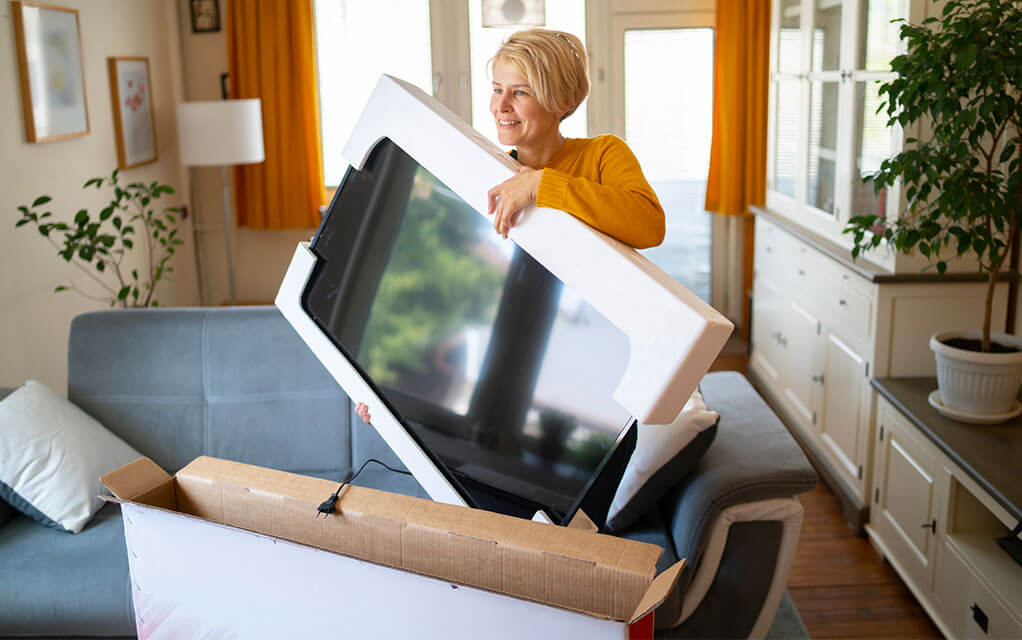
Additionally, use proper packing materials, such as bubble wrap or anti-static foam sheets, to wrap the screen and corners before placing the TV in the box. Seal the box with heavy-duty tape and clearly mark it as fragile so movers handle it with care.
By taking these precautions and using specialized packing equipment, such as a dual-layer TV box kit, you significantly increase the likelihood that your television arrives at its destination safely and intact. This investment not only protects your electronics but also gives you peace of mind throughout your move.
File Boxes
Record storage file boxes are an excellent solution for packing and securing important papers and documents during a move or for everyday organization. These sturdy boxes are specifically designed to hold files and paperwork in an orderly fashion, making it easy to retrieve what you need quickly. Many record storage file boxes include reinforced handles for convenient carrying and an attached or removable lid that helps protect the contents from dust, damage, or loss.
Using file boxes to organize your essential documents ensures everything remains in one accessible location throughout the move. It's a good idea to sort your papers by category—such as financial records (bank statements, tax returns), property-related documents (deeds, leases), insurance policies, moving paperwork (contracts, receipts), and personal files like school transcripts and health records. Label each box clearly on multiple sides so you can easily identify its contents at a glance.
File boxes also help prevent the misplacement of critical information during the chaos of a move. Since these boxes are stackable and uniform in size, they save space and keep your paperwork protected, whether stored temporarily or long-term. For added security, consider using file storage boxes with locking features if your documents contain sensitive information.
By organizing documents in record storage file boxes before your relocation, you'll have peace of mind knowing that all vital paperwork is safe, secure, and readily available when needed—whether you’re finalizing real estate transactions, enrolling children in new schools, or accessing medical histories after settling into your new home.
What Other Moving Supplies Should I Get?
A box isn't the only thing you need for your move. You also need the critical supplies that safeguard the items stored within it. Below is a list of key supplies to keep in mind when preparing your collection of boxes for your upcoming move.
Packing Tape
The most important part of the box, outside the box itself, is the tape that keeps it closed. We urge you not to skimp on packing tape, as there is a difference between good and bad tape. Good packing tape has excellent adhesion and can be opened and closed multiple times without losing its stickiness. It typically cuts well and is also strong enough to hold your boxes together, even your heavier, higher-weight, heavy-duty boxes.
Also invest in a tape gun that you can place your tape roll on - these items make the taping and packing boxes process go much faster.
Bubble Wrap and Packing Paper
To protect fragile items, invest in bubble wrap and packing paper. Bubble wrap provides excellent cushioning for delicate glassware, ceramics, and electronics. Wrap any fragile items in bubble wrap and carefully place them in your box. Ensure the box is labeled "fragile" so you and your moving helpers know what is inside.
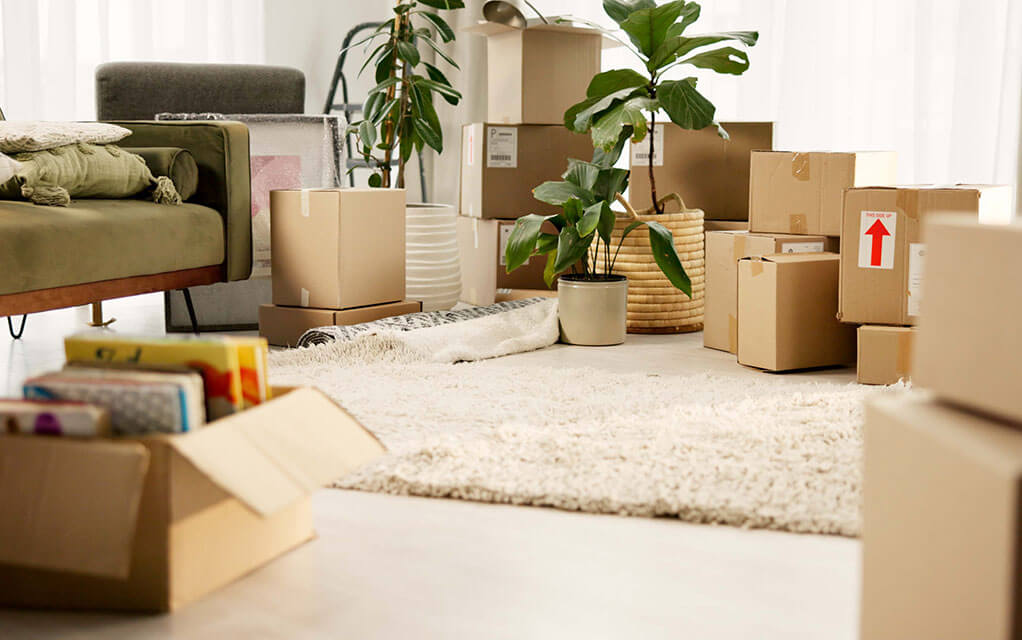
Packing paper can wrap smaller or less fragile items securely or fill empty spaces in boxes to prevent shifting during transport. Both supplies are essential to ensure your valuables arrive intact at your new home.
Stretch Wrap
Stretch wrap is a versatile tool that helps secure furniture and other large items during a move. It clings tightly around objects, preventing them from scratching or getting damaged during transit. Use stretch wrap to bundle items, such as drawers and table legs, or to protect furniture surfaces from nicks and dings. You can even use it to bundle multiple boxes, minimizing the shifting of contents within your container or moving solution. Its transparent nature also lets you see what’s inside without unwrapping.
Labeling Supplies
Don’t underestimate the power of labeling in your move! Invest in a set of permanent markers and adhesive labels. Marking each box with its contents and the room it belongs to can save you hours of unpacking later. If you want to take the labeling to the next level, you can also create an inventory system and color-code your boxes with stickers. This can greatly assist with unloading, especially if you use professional labor assistance at your new home.
You can label kitchen items with a green sticker, living room with an orange sticker, etc. Or use markers to write on the box where it needs to go or what is inside it. Labeling your boxes will reduce confusion and headaches later on at your new home and simplify the unpacking process.
Use 1-800-PACK-RAT for Your Upcoming Moving Needs
1-800-PACK-RAT wants to make your upcoming move as simple as possible. We do this by offering not only our leading moving and storage services but also a wide variety of additional services such as moving supplies, trusted third-party professional labor assistance, auto transportation services, and even junk removal. Our goal is to be a one-stop shop for all of your local and long-distance moving needs, as well as any storage needs you might have.
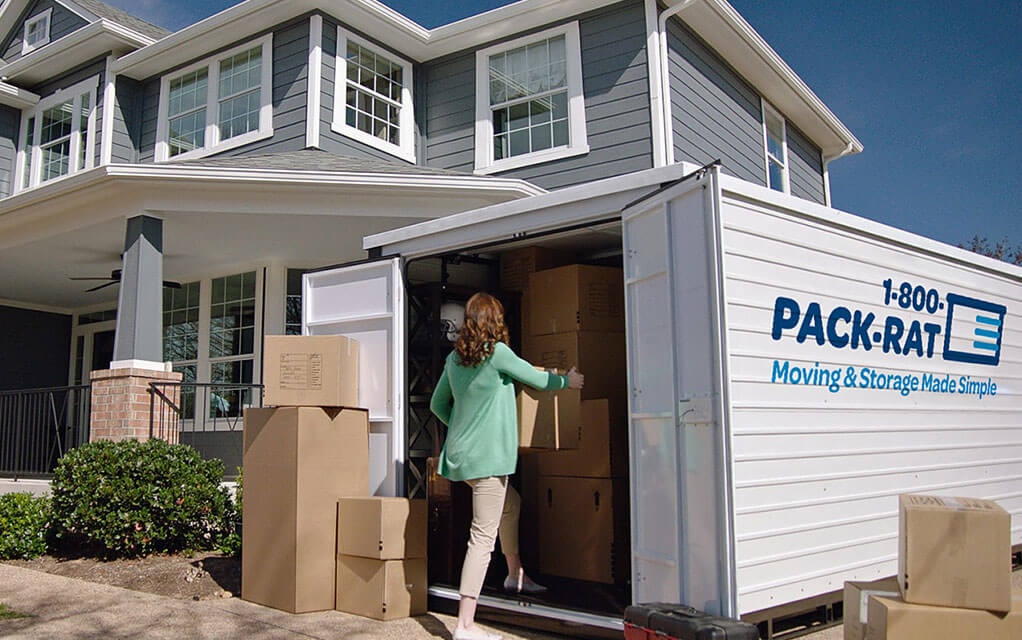
Here is how moving works with 1-800-PACK-RAT: You pick your preferred moving date, and we will deliver a portable storage container to your home. You then take all the time you need to pack at your pace - no renting a large moving truck and doing everything all in one day. When done, we will pick up your container and deliver it to your new home. Or we can place your full container in one of our nationwide and local secure storage warehouse facility locations for as long as you need - just call us when you need it back, and we will deliver it to you. It is that simple.
Give 1-800-PACK-RAT a call today or go online to get a free quote and see how easy we can make moving and storage for you today!
Frequently Asked Questions About Moving Boxes
What are the best types of moving boxes for different items?
The best types of moving boxes vary based on the items being packed. For clothes, use wardrobe boxes; for fragile items, opt for dish pack boxes; and for books, choose sturdy medium-size boxes. This size box is also suitable for packing various items. Custom boxes are ideal for oddly shaped items, ensuring everything is secure during the move.
How many moving boxes do I need for a standard apartment?
For a standard apartment, you typically need 15-20 medium-sized moving boxes, which measure 18 inches wide, 18 inches long, and 16 inches high, along with a few larger moving boxes for bulky items. This estimate can vary based on your belongings and organization. Always consider extra-large moving boxes for items like kitchenware and decorations to ensure a smooth packing process.
How can I properly pack moving boxes to prevent damage?
To prevent damage when packing moving boxes, it’s a good idea to use sturdy boxes and appropriate packing materials. Fill boxes with padding like bubble wrap or crumpled paper, ensuring items don’t shift during the moving process. Label each box clearly and distribute the weight evenly to make lifting easier and reduce the risk of breakage.
Is it better to use new or used moving boxes?
Using new moving boxes is generally recommended to ensure optimal strength and durability and to keep your items protected during transit. However, used boxes can be a cost-effective, eco-friendly alternative if they are in good condition and free from damage or moisture. Choose based on your specific needs and budget.
Should I spend extra money on heavy-duty boxes versus standard boxes?
Investing in heavy-duty boxes can be worthwhile, especially if you're moving fragile or valuable items. These boxes are designed to withstand more weight and pressure than standard boxes, minimizing the risk of collapse during transport. If you anticipate needing extra protection for electronics, artwork, or heavier kitchenware, the added expense is justified. However, for lighter items or those that can easily be replaced, standard boxes may suffice. Always assess your belongings and their fragility before making a decision on which type to choose. Prioritizing the safety of your valuables will save you from potential losses down the line.
- Moving Tips (133)
- Home Organization (27)
- News Releases (23)
- Packing Tips (21)
- Fun Stuff (19)
- Portable Storage (16)
- In the Community (11)
- Moving and Storage Tips (11)
- Storage Tips (10)
- Moving Checklists (9)
- Household Moving (7)
- Moving Company Comparisons (5)
- Moving on a Budget (5)
- DITY Move (4)
- Home Maintenance Tips (3)
- Home Buying and Selling Tips (1)
- Interstate Moving (1)


