

10 Essential Tips for Effective Attic Cleaning
March 27, 2026
Key Highlights for Cleaning Out Your Attic Space
- Start your attic cleaning project by decluttering the entire attic space.
- Sort all items into keep, toss, or donate piles to reclaim your storage space.
- Implement smart attic organization and storage solutions to maximize the area.
- Always prioritize safety precautions, like ensuring proper ventilation and stable footing.
- Use clear plastic bins and a label maker to keep track of your belongings.
- Regular maintenance is key to preventing future clutter in your attic.
Is your attic a space you dread entering? For many, the attic becomes a catch-all for forgotten items, old furniture, and sentimental treasures. Over time, it can turn into a disorganized maze. Taking the time to clean and organize your attic space not only reclaims valuable storage but also improves your home's overall cleanliness and air quality. This guide will provide you with essential tips to transform your cluttered attic into a functional and organized haven.
10 Essential Tips for Effective Attic Cleaning
Embarking on an attic cleaning project can feel like a huge task, but it doesn't have to be impossible. By breaking the process down into manageable steps, you can tackle the clutter and create an organized attic space. The key is to work systematically, from preparing your supplies to implementing smart storage solutions.
This approach ensures your attic storage is efficient and easy to navigate in the future. Ready to make your life easier? Let's explore ten essential tips for effective attic cleaning that will guide you through the entire process.
1. Prepare Your Supplies for Attic Cleanup
The first step in any successful attic cleaning process is gathering all the necessary supplies. Having everything you need on hand before you start will make the job much smoother and more efficient. Think about what you'll need to sort, clean, and organize your storage items.
A well-stocked supply kit helps you stay focused on the task without having to stop and search for tools. Consider setting up a staging area near your attic access with folding tables to make sorting easier.
Your supply list should include:
- Gloves and P95 masks to protect you from dust and improve air quality.
- Trash bags for items you're tossing and clear bags for donations.
- A vacuum cleaner with attachments to handle dust on floors and rafters.
You will probably be dealing with a lot of dust and other airborne particles, so be sure you have the necessary supplies to keep you from breathing it all in!
2. Declutter the Attic Before You Start Cleaning
Before you can truly clean, you need to declutter. If your attic has been untouched for years, start by removing everything from the space. This allows you to see exactly what you have and inspect the attic for any issues, such as pests or mold. Moving all attic items out also makes it easier to clean the accumulated dust and debris.
If you can't remove everything at once, create a clear pathway from the entrance to the back of the attic space. This gives you room to work and move around safely. Work in one section at a time to avoid feeling overwhelmed by the amount of stuff.
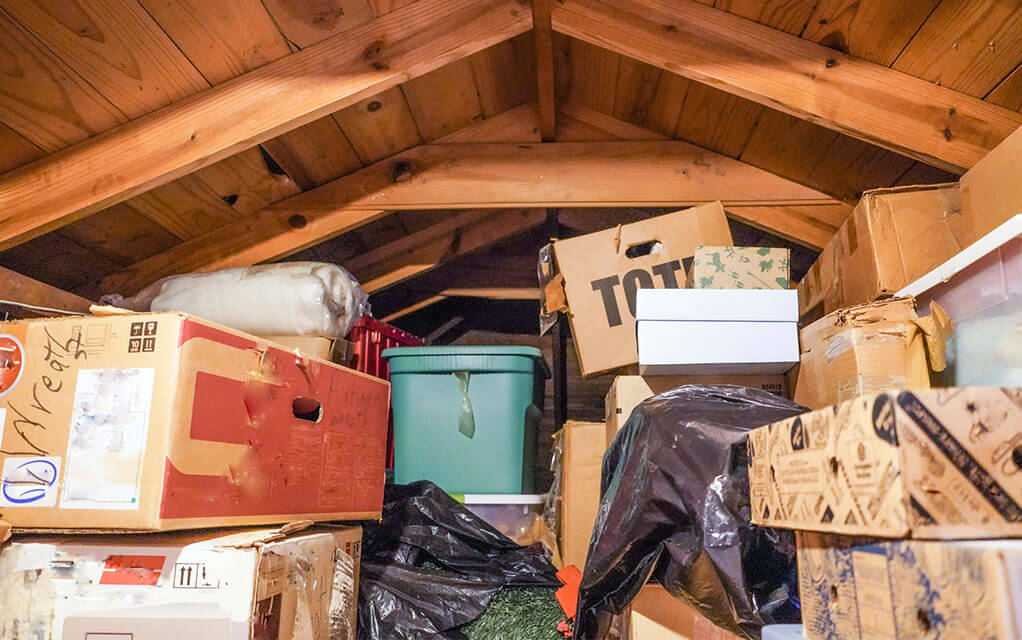
Moving items around will stir up a lot of dust, so be prepared. Wear a mask and gloves, and try to work on consecutive days to minimize how long your belongings are spread out in a temporary staging area. This systematic approach is the best way to tackle a long-neglected space.
3. Sort and Categorize Attic Items to Keep, Toss, or Donate
Deciding what to do with your attic items is a critical step. As you bring things out of the attic, create distinct piles for items you plan to keep, toss, or donate. This helps you visualize how much you're getting rid of and what needs new storage solutions.
Sorting can be emotional, especially when you come across sentimental items. If you find yourself getting stuck on certain belongings, set them aside for later. Focus on easier decisions first to build momentum. Give yourself permission to process any feelings that come up, but don't let them derail your progress.
A simple system can make this process easier:
- Keep: Items you use, love, or genuinely need, such as seasonal decor or heirlooms.
- Toss: Anything that is broken or no longer usable.
- Donate: Items in good condition that you no longer need but someone else could use.
- Sell: Valuables you don't want to keep but could earn you some money.
4. Plan Attic Organization for Small Spaces
Once your attic is empty and clean, you can start planning your attic organization. For small spaces, it's crucial to think vertically. How can you use the height of your attic to your advantage? Depending on the space you have, you can install shelving units or build shelves into the eaves to maximize your storage space without cluttering the floor.
Create a floor plan before you start moving items back in. Think about how you use your stored items. For example, holiday decorations you access once a year can go in the back, while items you might need more often should be closer to the entrance. Leaving a clear aisle will make it much easier to access everything.
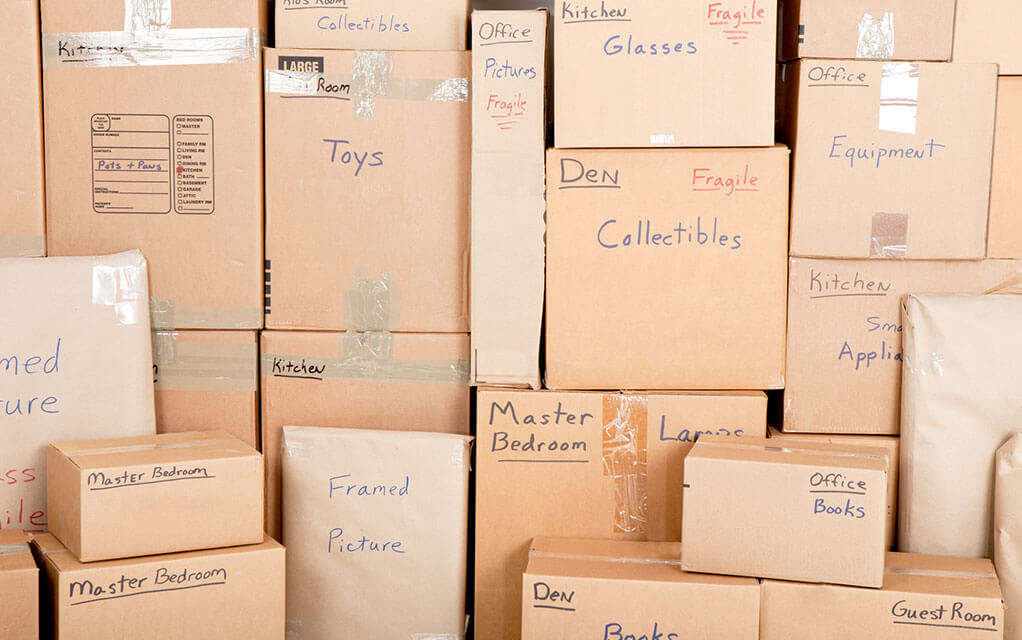
Even in small spaces, creating zones for different categories can be a game-changer for organizing the chaos in your attic. Group all your Christmas decor in one area, sentimental items in another, and so on. This makes finding specific things much faster and keeps your attic tidy.
5. Use Proper Storage Solutions for Attic Clutter
Choosing the right storage solutions is essential for maintaining an organized attic space. For attics with limited accessibility, portable storage containers and clearly labeled plastic bins are your best friends. They protect your belongings from dust and pests while making it easy to see what's inside. Avoid cardboard boxes, which can attract pests and degrade over time.
Consider a variety of storage containers to fit your specific needs. Bulky items like blankets or seasonal clothing can be compressed in vacuum storage bags to save space. For smaller items or craft supplies, drawer units can keep everything neatly contained and easy to find.
Here are some effective attic storage solutions:
- Clear plastic bins - good for general storage of stuff you might need and can see at a glance.
- Vacuum storage bags are good for keeping clean, compressing bulky items such as bedding or pillows, or safely storing clothing.
- Pegboards or wall storage - hanging tools, craft supplies, or other small items on the wall or support beams for easy access.
- Tension rods - these can be placed in between the rafters and wall studs, good for hanging clothes or linens if needed.
6. Focus on Safety Precautions During Attic Cleanout
Safety should always be your top priority during an attic cleaning project. Attics can be hazardous environments, with poor lighting, unstable flooring, and limited ventilation. Before you begin, assess the structural integrity of the attic floor to ensure it can support your weight and the weight of the items you're moving.
Wear appropriate protective gear. This includes sturdy, closed-toe shoes for safe footing, gloves to protect your hands, and a P95 mask to avoid inhaling dust, insulation fibers, and potential mold spores. If your attic is dark, bring in extra lighting on tripods to illuminate your workspace and prevent trips and falls.
Proper ventilation is also crucial. If possible, open any windows or use a fan to circulate the air. Be mindful of exposed nails, low beams, and electrical wiring. If you are using a ladder to access your attic space, make sure it is secure and have a helper to pass items up and down.
Try doing your cleanout during a cooler time of the year, such as early spring or fall. If you have to work in the extremes of the year, especially during the summer season, be sure to take frequent breaks and work late in the evening after the sun has gone down or early in the morning before the heat of the day. Your attic is the first spot to heat up, and in some cases, it can reach temperatures above 140 degrees F. Be very cognisant of the temperatures when working in your attic!
7. Clean Attic Surfaces Thoroughly, Including Floors and Rafters
After you've decluttered, it's time for a deep clean. Attics collect a lot of dust, cobwebs, and debris over the years. A thorough cleaning of all attic surfaces is a vital step before you start organizing and moving items back in. Start from the top and work your way down.
Use a vacuum cleaner with a hose and brush attachment to clean the rafters, beams, and walls. This will remove years of built-up dust and cobwebs. Pay close attention to corners and crevices where dirt tends to accumulate. This step will significantly improve the overall cleanliness of the space.
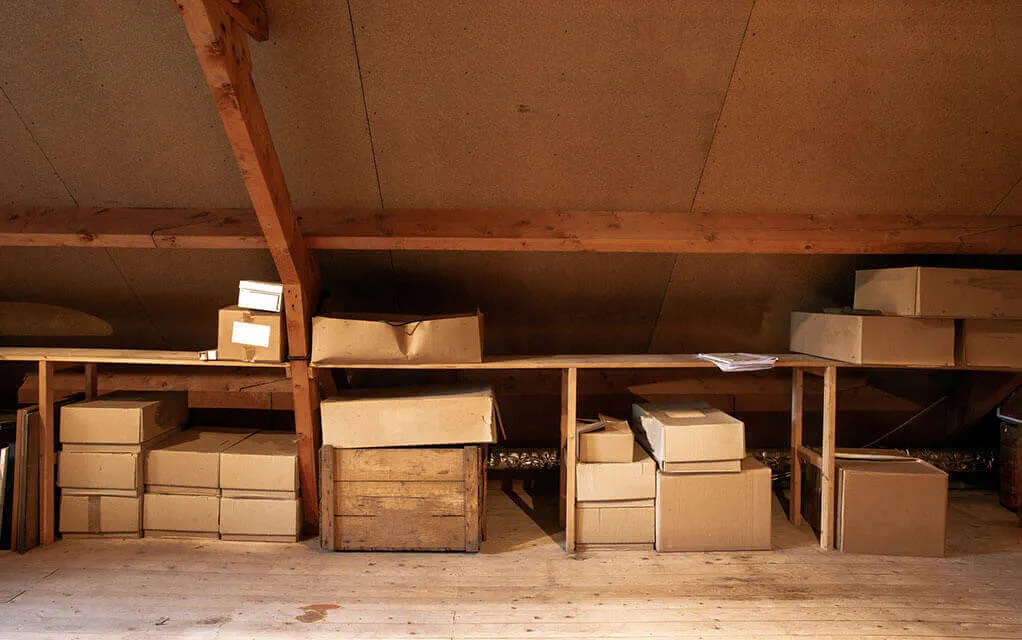
Once the upper areas are clean, focus on the floor. Sweep or vacuum the entire floor area to pick up any remaining debris. If you've found evidence of pests, now is the time to address it before your belongings are returned to the attic. Proper ventilation during this process will help manage the dust.
If you find evidence of insects or vermin in your attic space when cleaning, call a professional pest control company for assistance. These pests can eventually find their way into your home or, worse, into your walls and cause damage to your home in the process.
8. Prevent Future Clutter with Regular Attic Maintenance
You've worked hard to clean and organize your attic, so how do you keep it that way? The key is regular maintenance. Preventing future clutter is much easier than tackling another massive cleanout down the road. Set aside a small amount of time each year to tidy up your attic space.
Make your attic check-in a yearly event. During this time, you can quickly review items, purge anything you no longer need, and ensure your attic organization system is still working for you. This is also a good opportunity to dust surfaces and check for any signs of pests or moisture.
Maintaining your attic doesn't have to be a major project. By making it a regular habit, you'll ensure your storage remains organized and functional. This will give you easy access to your belongings and peace of mind knowing your attic isn't reverting to a cluttered state. While the first cleaning may take some effort, it'll make the regular maintenance of the space much easier to manage down the road.
9. Label and Arrange Storage Bins for Easy Access
Making your attic storage easy to navigate is one of the best ways to reduce future stress. Once your items are sorted into storage bins, label everything. Even if you use clear containers, labels provide a quick reference and save you from having to pull down every bin to find what you need.
A simple label maker can create neat, easy-to-read labels. Be specific with your descriptions. Instead of just "Christmas," try "Christmas Tree Ornaments" or "Outdoor Christmas Lights." This level of detail makes locating a single item a breeze.
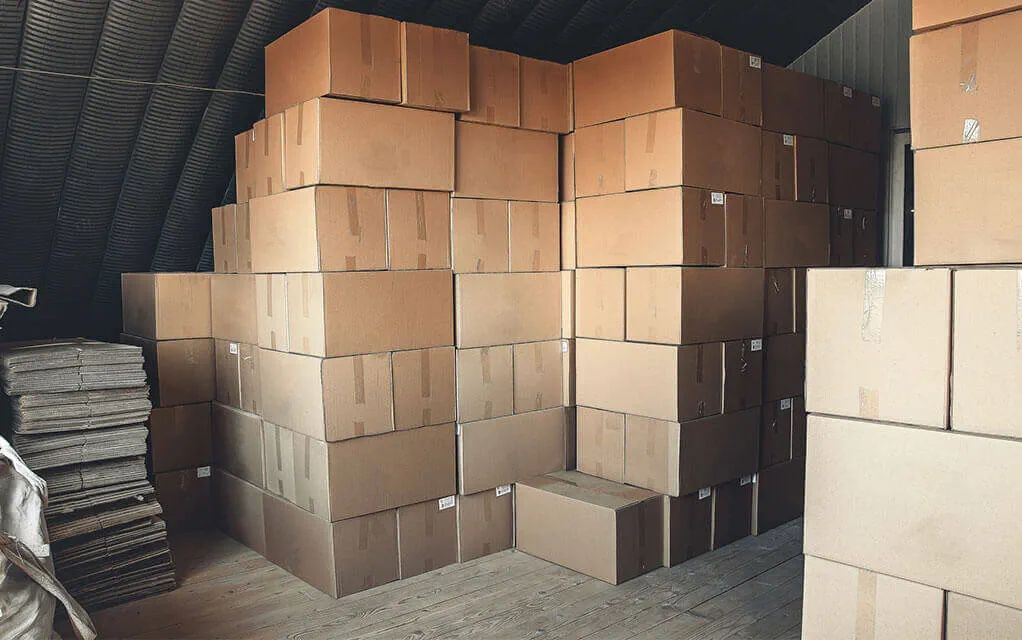
When returning bins to the attic, arrange them for easy access:
- Place frequently used items near the attic entrance.
- Store seasonal items together, organized by the order you'll need them.
- Stack bins with the labels facing out so you can read them at a glance.
Being purposeful in your placement of bins and boxes now will make finding things you need later on much easier than simply putting boxes in random places.
10. Avoid Common Attic Cleaning Mistakes
Organizing an attic can be tricky, and a few common mistakes can undermine your efforts. One of the biggest errors is failing to declutter first. Simply rearranging clutter won't solve the problem; it just moves it around. Always start by purging items you don't need to free up valuable storage space.
Another mistake is using the wrong storage containers. Cardboard boxes can attract pests and won't protect your belongings from moisture. Instead, invest in durable, airtight plastic bins. Also, avoid overloading your attic floor, as it may not be designed to support heavy loads. Check your home's structural guidelines if needed to be safe.
Here are a few attic cleaning mistakes to avoid:
- Forgetting to label bins, which makes it difficult to find things later.
- Not creating a plan for your attic organization before moving items back in.
- Storing sensitive items like photos, important documents, or electronics in the attic, where temperature extremes can cause damage.
- Failing to perform a yearly check of your attic space to ensure everything is still organized and there are no signs of damage, leaks, or pests.
Attic Organization Tips for Lasting Results
Achieving lasting results from your attic organization project depends on creating a system that is easy to maintain. It's not just about cleaning once; it's about setting up your storage space for long-term success. By using smart strategies, you can ensure your attic remains a tidy and functional part of your home.
The following tips will help you maximize your space and keep everything in its right place. From choosing the best containers to creating an inventory, these ideas will help you enjoy your organized attic for years to come.
Choose the Right Storage Containers for Attic Cleanup
The success of your attic storage plan heavily relies on the storage containers you choose. For the best protection and organization, opt for durable, airtight plastic bins. These containers shield your belongings from dust, moisture, and pests, which are common issues in attics.
While solid-colored bins can create a uniform look, clear plastic bins are often more practical. They allow you to see the contents at a glance, saving you time and effort when you're looking for something specific. This is especially helpful for attics with limited access, where shuffling bins around can be challenging.
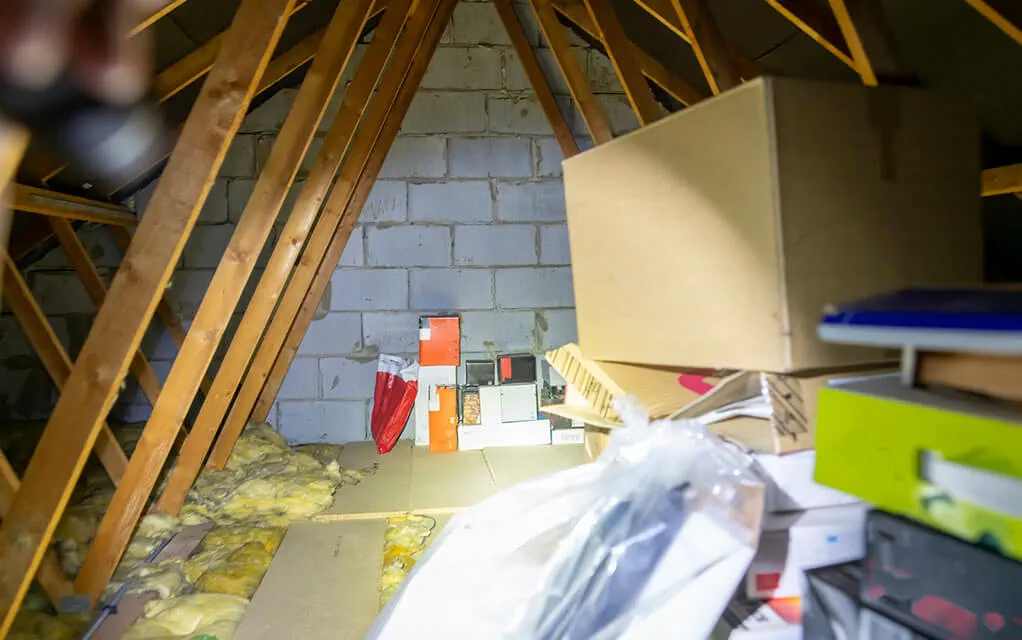
If you have items that are sensitive to temperature or humidity, such as photos or delicate fabrics, consider whether the attic is the best place for them. If you have no other option, use archival-quality boxes. For most other items, sturdy plastic bins are the most reliable choice for attic storage.
Maximize Vertical Space and Hard-to-Reach Corners
In any storage space, especially a small attic, using vertical space is key. Don't let the wall space and height of your attic go to waste. Installing sturdy shelving units along the walls can dramatically increase your storage capacity without taking up valuable floor space. Adjustable shelves are a great option as they can accommodate items of different sizes.
Think about the hard-to-reach corners and eaves of your attic. These awkward areas are perfect for storing items you don't need to access often, such as long-term sentimental keepsakes or holiday decorations. You can build custom shelves that fit perfectly into these nooks.
You can also use the rafters for storage. By installing hooks or dowel rods, you can hang lightweight items like wreaths, garlands, or bags of seasonal linens. This gets them off the floor and keeps them from getting crushed, making your attic space feel more open and organized.
Create a Simple Attic Inventory System
Feeling overwhelmed is common when dealing with attic clutter - and the same can be said for when you are making a move as well. Creating an inventory list, similar to one you would make during a move, of your storage items can make the space much more manageable. An attic inventory is simply a list of what you have stored and where it's located. This simple tool can save you from endless searching and help you keep track of your belongings.
You can create your inventory in a simple notebook, a spreadsheet on your computer, or an app on your phone. As you pack your clear containers, list the contents and the corresponding bin number. For even greater detail, you can take photos of the contents before sealing the bin.
To make your inventory system work, remember to:
- Label each bin with a number or a clear description that matches your list.
- Update your inventory list whenever you add or remove an item.
- Keep your inventory list in an accessible place so you can consult it easily.
Consider color-coding boxes and bins with a simple sticker, or assigning numbers to boxes you can cross-reference on your list. This will make the action of finding stuff in your attic relatively trivial, compared to going from box to box, hoping you find what you need.
Proper Storage Solutions for Items Kept in the Attic
Selecting the right attic storage solutions helps ensure your items remain in good condition. The attic environment, with its temperature swings and potential for pests, requires thoughtful packing. Clear containers are ideal for most things, but some items may need special care.
For example, bulky items like comforters, pillows, or winter coats are perfect candidates for vacuum storage bags. These bags compress items, saving significant space and protecting them from dust and moisture. For fragile or uniquely shaped items, custom shelving or specialty containers might be necessary.
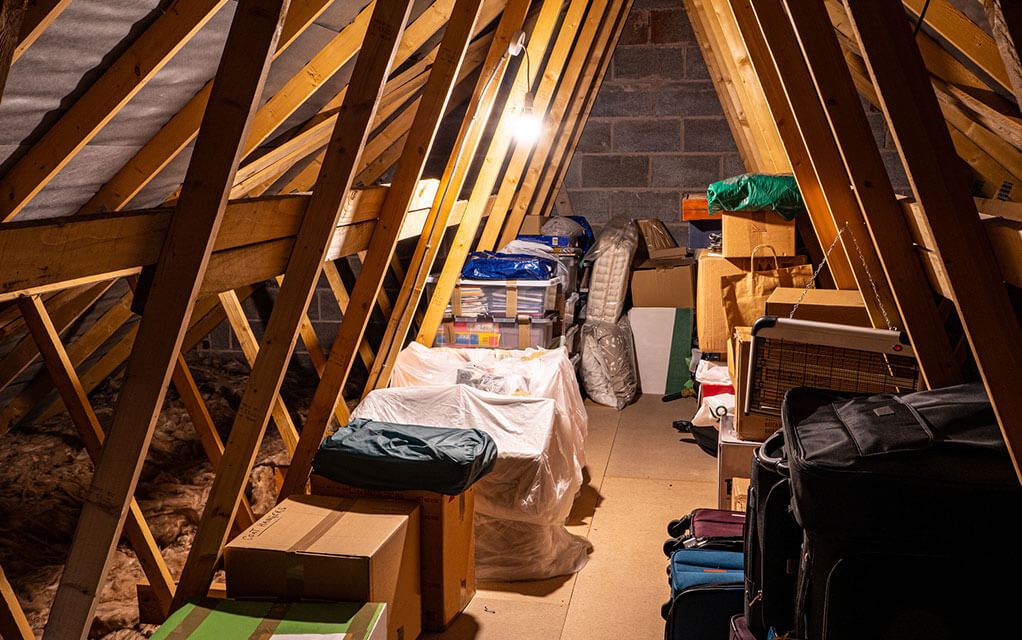
Here’s an example guide to matching storage items with the best solutions for keeping them safe in your attic space:
- Holiday decor - Clear bins that are clearly labeled or have a corresponding entry in an inventory list.
- Clothing & linens - Vacuum sealed bags to compress and keep them clean and safe from the elements - also best to place in a clear plastic bin.
- Sentimental items - These should definitely be notated in an inventory list of some sort and kept in either a plastic bin or sturdy box (depending on the item type). Archival boxes might also be a good choice if the item is old or needs extra protection.
- Smaller or loose items - For miscellaneous items, you can use smaller bins or boxes to collect them all in one place, and use dividers to segment them out if it makes sense. It isn't ideal, but it is better to have all these items in one space rather than scattered across 5-20 boxes!
Regular Maintenance and Cleaning Routines
Your attic cleaning project isn't truly finished until you have a plan for regular maintenance. To prevent your newly organized storage space from becoming cluttered again, a consistent routine is essential. You don't need to do a deep clean every month, but a yearly check-up can make a huge difference.
Schedule an annual attic cleanup, perhaps in the spring or fall. During this time, take a few hours to dust the shelves and bins, inspect for any signs of pests or leaks, and do a quick purge of items you no longer need. This is also a good time to re-evaluate your organization system and make sure it still provides easy access to your belongings.
This proactive approach keeps the task from becoming overwhelming, and doesn't throw away the hard work of your initial attic cleanup. Consistent, small efforts are far more effective than letting the clutter build up until it requires another major overhaul. Regular maintenance ensures your attic remains a useful, safe, and accessible storage area.
Let 1-800-PACK-RAT Assist With Your On-Site Storage and Decluttering Needs
If you need extra storage for your attic cleanup project, don't use traditional storage areas that require you to pack your vehicle multiple times and drive back and forth! Your time is worth something, and let's be honest - the faster you can clean up your attic and be done with it for the year, the better. That is where 1-800-PACK-RAT can come into the picture and help!
We make storing your stuff simple. Here is how it works: you schedule your portable storage container delivery for your preferred date, and we will deliver the container to your home. You can then keep your on-site storage container for as long as you need, packing it at your own pace and securing it with your own lock for 24/7 safe access. When done, we can either pick up your empty container or, if you need to store it off-site for any reason, keep it in our secure local warehouse for as long as you need, bringing it back to you when you are ready. It truly is that simple.

If your attic space is giving you too much grief or you need a bigger one, 1-800-PACK-RAT can also help with local or long-distance moves, as your container doubles as both a storage and moving container! No matter what your moving and storage needs may be, we make things easier - because moving and storage should be easy.
Give us a call or go online today to get a free quote for your storage needs, and get your attic cleanout project done on time and on your terms!
Frequently Asked Questions About Attic Cleaning Tips
What should I never store in my attic space?
It’s important to understand that attics are subject to significant temperature fluctuations and can become extremely hot or cold depending on the season. These harsh conditions can cause flammable materials to ignite more easily, while perishable foods may spoil quickly and attract pests. Electronics stored in the attic are vulnerable to heat damage, which can result in malfunction or permanent failure. Similarly, important documents and photographs are at risk of fading, warping, or becoming brittle due to high humidity levels and poor climate control.
Additionally, many attics lack adequate insulation and ventilation, leading to excess moisture buildup. This environment promotes mold growth and can further deteriorate valuable or sensitive items over time. Storing such belongings in the attic also exposes them to dust accumulation and potential rodent or insect infestations.
It's best to store sensitive items in areas of your home with stable temperature and humidity levels, such as closets or climate-controlled storage spaces. If you must use attic space for storage, consider placing only non-sensitive items, such as holiday decorations or sturdy household goods that aren’t affected by environmental changes. Always ensure that anything stored in the attic is packed securely in airtight containers to provide an extra layer of protection against dust, pests, and moisture.
How can I make attic cleaning less overwhelming?
To make attic cleaning less overwhelming, break the cleaning process into small, manageable tasks. Focus on one small section of the attic space at a time. Set aside sentimental items to deal with later to maintain momentum, and don't be afraid to ask a friend or family member for help.
How often should I schedule an attic cleanup?
A full attic cleanup project may only be needed every few years. However, for regular maintenance, it's a good idea to schedule a quick tidy-up of your attic space once a year. This helps keep the storage area organized, prevents clutter from building up, and makes your attic storage easier to manage.
How can I deal with pests or mold found in the attic during cleaning?
If you come across pests or mold during your attic cleaning, it’s crucial to address the issue right away to safeguard your health and the integrity of any stored items. Small problems, such as a few insects or minor mold spots, can sometimes be managed on your own with over-the-counter sprays, traps, or household cleaning solutions. Be sure to wear protective gloves, a mask, and eye protection when tackling these issues yourself.
However, if you notice a larger infestation, such as evidence of rodents (like droppings or nests), widespread insect activity, or extensive mold growth covering significant portions of walls, beams, or insulation, it’s highly recommended to seek help from professional pest control or mold remediation experts. Professionals have specialized equipment and expertise to safely eliminate pests and thoroughly remove harmful mold spores without spreading contaminants throughout your home.
Ignoring pests can lead to structural damage (from animals chewing through wood and wiring) and to contamination of insulation with droppings. Mold poses serious health risks, especially for individuals with allergies, asthma, or weakened immune systems; it can also cause permanent damage to wood and other materials.
After remediation is complete, consider taking preventive measures: seal cracks or entry points that could allow pests to enter, ensure your attic is well-ventilated to prevent moisture buildup (which encourages mold), and regularly inspect the area for early signs of trouble. By promptly addressing pests and mold during attic cleaning and following up with prevention, you’ll maintain a cleaner, safer living environment for yourself and your family.
What essential tools and supplies do I need for effective attic cleaning?
For effective attic cleaning, having the right tools and supplies can make the process safer and more efficient. Start with sturdy gloves to protect your hands from dust, debris, or any sharp objects you might encounter. A dust mask is essential to prevent inhaling allergens or insulation particles that are commonly present in attics. Heavy-duty trash bags are useful for disposing of unwanted items, old insulation, or accumulated waste.
A vacuum cleaner with various attachments can help you reach tight corners and remove dust from hard-to-access spots. Adequate lighting, either a bright flashlight or portable work lights, ensures you can see clearly throughout the space, reducing the risk of accidents.
When organizing your attic after cleaning, invest in a variety of storage solutions to keep your items tidy and accessible. Sturdy plastic bins with secure lids are ideal for protecting belongings from moisture and pests. Clear containers allow you to easily see what’s inside without opening each box. Using a label maker helps clearly identify contents, making it simple to locate specific items later on.
Shelving units can maximize vertical space in the attic and keep bins off the floor, reducing the chance of water damage or pest infestations. Additionally, consider using vacuum-sealed bags for out-of-season clothing or linens to save space.
As you clean and organize, take inventory of what you have stored and consider donating or discarding anything you no longer need. Regularly maintaining your attic not only keeps it organized but also helps prevent issues such as mold growth or pest infestations over time.
- Moving Tips (133)
- Home Organization (28)
- News Releases (23)
- Packing Tips (22)
- Fun Stuff (19)
- Portable Storage (18)
- Storage Tips (12)
- In the Community (11)
- Moving and Storage Tips (11)
- Moving Checklists (9)
- Household Moving (7)
- Moving on a Budget (5)
- DITY Move (4)
- Moving Company Comparisons (4)
- Home Maintenance Tips (3)
- Home Buying and Selling Tips (1)
- Interstate Moving (1)


