

Tips for Driving Cross-Country During a Move: Part 1
October 01, 2025
Key Highlights for Driving Cross-Country During a Move
- Careful planning is the most important step for a successful journey to your new location.
- Let a professional moving company handle your belongings for greater peace of mind.
- Always keep your important documents with you in the car, never packed away.
A cross-country move marks the beginning of an exciting new chapter. While the moving process can feel overwhelming, it doesn't have to be all work and no play. When you hire professional movers like 1-800-PACK-RAT to transport your belongings, you're free to handle the journey to your new home your own way. This guide offers essential tips for turning your cross-country drive into a memorable and stress-free road trip, ensuring you arrive ready for your new life. Read on for part 1 of our guide on driving cross-country during a move and find part 2 of our blog here!
Understanding the Cross-Country Move and Drive Experience
Embarking on a cross-country move involves many moving parts. One popular approach is to hire a moving company to transport your household goods while you drive your personal vehicle. This separates the logistics of moving your items from the logistics of moving yourself.
Your focus shifts from hauling furniture to simply getting yourself, your family, and your car to your destination. With your moving date set and your moving company handling the heavy lifting, you can plan a journey that is both practical and enjoyable. The following sections will explore what this unique experience entails.
Why Drive While Your Belongings Are Being Moved?
Choosing to drive your own car while a moving company handles your items offers significant advantages. For one, it’s often more cost-effective than buying plane tickets for the whole family and paying for separate car shipping. Driving gives you complete control over your travel schedule, allowing for a more flexible and relaxed journey.
This freedom transforms the move from a stressful chore into an exciting adventure. You can explore sights along the way and visit friends or family. Having your own vehicle immediately available when you arrive at your new location is another major plus, allowing you to run errands and explore your new neighborhood without delay.
Driving your car is often the best way to move cross-country because it combines your personal transportation needs with the moving process. By letting a moving company manage your belongings, you ensure a smooth transition and can focus on the journey ahead.
What to Expect During a Cross-Country Road Trip
A cross-country drive is an endurance event, not a sprint. Expect to spend many hours on the road each day. You'll need to plan for regular breaks to rest, stretch, and refuel. Experienced movers often suggest limiting driving to around 8 hours or 500 miles per day to avoid burnout and stay safe.
The moving process can be unpredictable. Be prepared for potential delays from traffic, road construction, or unexpected weather changes. Having a flexible mindset and a backup plan can make these situations less stressful.
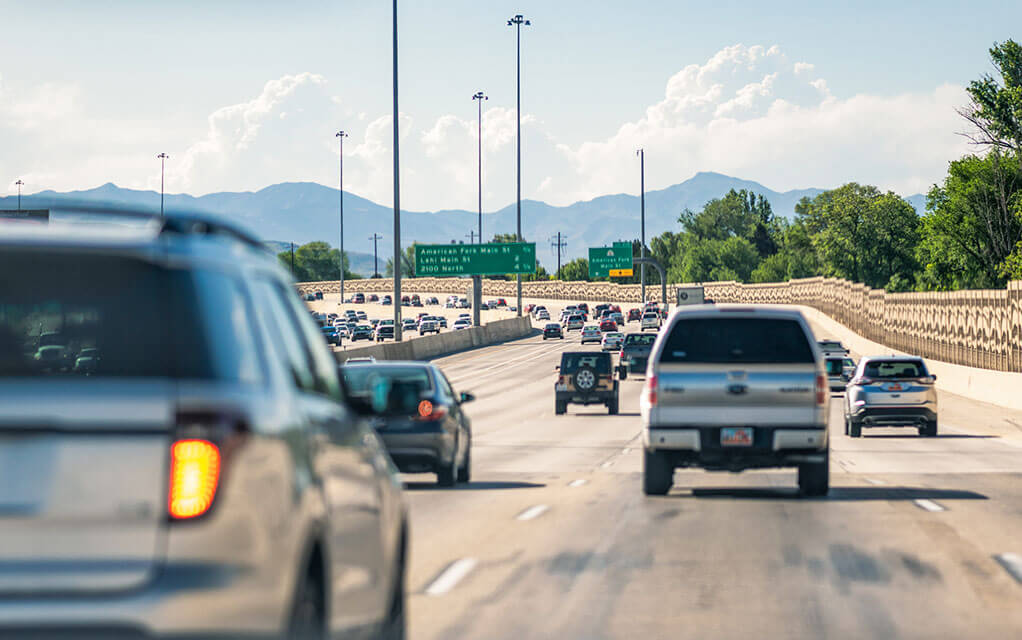
Despite the challenges, the trip is also an opportunity to see the country. You will witness changing landscapes as you travel from one new state to another. Embracing the journey and its spontaneous moments is key to a positive cross-country experience.
Pros and Cons of Driving Versus Flying
Deciding whether to drive or fly is a major part of your moving plan. Driving is generally less expensive than buying multiple plane tickets and paying for car shipping, which can significantly reduce your moving expenses. It also offers more flexibility and is a better option if you're moving with pets.
However, flying is much faster. A cross-country drive can take several days, while a flight takes only a few hours. This is a crucial factor if you're on a tight schedule. Consider the trade-offs before making your choice.
Here’s a quick breakdown:
- Driving Pros: Lower cost, more flexibility, easier pet transport, and no luggage restrictions in your car. Save money by not having to ship your vehicle long distances.
- Flying Pros: Much faster, less fatigue from long hours on the road.
Ultimately, the right choice depends on your budget, timeline, and personal preferences for your cross-country move. But if driving you and your family to your new home is the right choice for you, then read on!
The Beginner’s Guide to Driving Cross-Country During a Move
If you've never driven cross-country before, the idea might seem daunting. However, with a solid plan, it can be a simple and enjoyable part of your move. The key is to get organized early and break the process down into manageable steps.
Creating a detailed moving checklist is your best friend for a long-distance drive. This guide will provide essential tips to help you prepare for every aspect of the journey, from packing your car to planning your route. Let's get you started on the right path.
Who Should Consider Driving Across the Country?
Is driving the right choice for your move? For many people, it's an excellent idea. If you have pets, driving is often far less stressful for them than air travel. You can keep them with you, take frequent breaks, and ensure their comfort throughout the journey.
Driving is also ideal for those looking to save money. When you factor in the cost of flights and shipping a car, driving your own vehicle is almost always the more budget-friendly option. It's also perfect for anyone who wants to turn the moving process into a memorable adventure, exploring the country on the way to their new city.

If you need your vehicle as soon as you arrive, driving is the most practical solution. You won't have to wait for a car transport service or rely on rentals. This immediate freedom makes settling in much easier.
Common Challenges Faced on the Road
Even with the best planning, a long road trip can present challenges. Being aware of them ahead of time can help you prepare and avoid common mistakes that can derail your moving process.
One of the most significant potential issues is car trouble. A breakdown in an unfamiliar area is stressful and can cause substantial delays. Other challenges include driver fatigue from long hours behind the wheel, navigating through adverse weather conditions, and getting lost if your GPS fails.
To avoid these problems, focus on preparation:
- Get your car fully serviced before you leave.
- Plan to drive no more than 8-10 hours per day and schedule breaks.
- Monitor weather forecasts and have a paper map as a backup to your GPS. By anticipating these issues, you can ensure a smoother journey to your new location.
One of the best ways to plan for road challenges is to try to build in an extra day into your plans. This gives you some wiggle room to work with should you encounter any substantial delays.
Key Benefits of a Road Trip During Your Move
Transforming your move into a road trip offers more than just transportation; it provides unique benefits that can enhance your entire moving experience. One of the most significant advantages is the peace of mind that comes from keeping your most essential and valuable items with you.
The journey itself becomes a memorable part of your transition. Instead of the stress of airports, you get to see the country at your own pace, discover hidden gems and tourism stops, and create lasting memories. This can turn what is often a stressful time into an exciting adventure.
Arriving at your new house feeling refreshed from a well-planned trip, rather than exhausted from a rushed move, sets a positive tone for your new beginning. You'll have your car ready for exploring your new surroundings, making the entire settling-in process feel less overwhelming.
Essential Items and Resources Needed to Get Started
Once you've decided to drive, the next step is gathering everything you'll need for the trip. This isn't about packing up your whole house—your movers are handling that. Instead, it's about preparing for the journey itself and the first few days in your new home.
You'll need to organize your important documents, pack a personal travel kit, and ensure your vehicle is equipped for a long drive. Let’s review the essential items and resources to ensure you're fully prepared before hitting the road.
Must-Have Documents for the Journey
When you pack for your road trip, some of the most critical supplies aren't clothes or snacks—they're your important documents. These items should be kept with you in the car at all times, not packed away in a box that your movers are transporting.
Imagine needing your ID and realizing it's in a box somewhere on a truck. To avoid this, gather all essential paperwork and keep it in a secure, easily accessible folder or envelope in your vehicle's glove compartment or in your personal bag.
Be sure to include the following:
- Your driver’s license, vehicle registration, and proof of insurance.
- Contact information for your moving company and your new landlord or real estate agent.
- Copies of critical documents like birth certificates, passports, and social security cards.
Remember: keep these items with you at all times to avoid any issues of them getting lost or needing them and not having them during your trip.
Packing a Personal Travel Kit
A personal travel kit, often referred to as an "essentials bag," serves as your survival kit for the road trip and your first 24-48 hours in your new home. This bag should contain everything you'll need immediately upon arrival, so you don't have to search through boxes frantically.
Think about your daily routine and pack accordingly. The goal is to have easy access to comfort items that will make your trip and first night feel more normal. Add this kit to your moving checklist to ensure you don't forget anything.
Your personal travel kit should include:
- A few changes of comfortable clothes.
- Toiletries like a toothbrush, toothpaste, soap, and deodorant.
- Any prescription medications, pain relievers, and a basic first-aid kit.
- Phone chargers and other essential electronics.
If you don't have room for this in your vehicle, then consider packing it last into your moving solution or portable storage container so it is the first item you can unpack at your new home. At the very least, have some space set aside for anything you might need if spending the night at a hotel.
Recommended Tech and Apps for Road Trips
Technology can make your cross-country drive smoother, safer, and more fun. Before you start the moving process, load your smartphone with helpful apps that will act as your co-pilot for the entire journey.
Navigation apps are essential, but don't stop there. Apps can help you find the cheapest gas, book a last-minute hotel room, or discover interesting roadside attractions. Having the right digital tools at your fingertips simplifies logistics and lets you focus on the road.

Here are some recommended apps and tech to have:
- Navigation: Google Maps or Waze for real-time traffic updates and route planning.
- Entertainment: Spotify or Apple Music for playlists, and Audible for audiobooks.
- Logistics: GasBuddy to find cheap fuel and hotel booking apps for accommodations. A portable phone charger or power bank is also a crucial supply to keep your devices running.
Step-by-Step Guide to Planning and Executing Your Drive
A successful cross-country drive doesn't just happen; it's the result of careful planning. With your moving date on the calendar, and your portable storage container packed and on its way to your new home, it's time to create a detailed roadmap for your journey. This involves more than just picking a route—it includes setting a moving budget, booking lodging, and preparing your car.
Breaking the planning process into simple, step-by-step actions will make it feel much less overwhelming. The following sections will walk you through each stage, from initial mapping to staying connected with your movers.
Step 1: Mapping Your Route and Planning Stops
The best way to plan your route is to decide what kind of trip you want. Are you trying to get to your new destination as quickly as possible, or do you want to build in some sightseeing? Use mapping apps like Google Maps to explore your options.
Once you have a general path, start planning stops. It's important to schedule regular breaks for meals, gas, and simply stretching your legs. If time allows, you could even plan longer stops to visit a national park or a unique landmark.
To ensure a smooth trip, consider these mapping tips:
- Estimate your daily driving distance (e.g., 400-500 miles).
- Identify potential cities for overnight stays.
- Have an alternate route in mind in case of road closures or severe weather. A well-planned route is the foundation of a stress-free drive.
Not every step needs to be meticulously planned, but having a general layout of where you are going and how you want to get there is highly advised.
Step 2: Budgeting for Food, Lodging, and Fuel
A road trip is part of your overall moving budget, so tracking expenses is crucial to avoid overspending. The three main costs will be fuel, food, and lodging. Before you leave, calculate an estimated average cost for each day of your drive.
To save money, look for the best deal on everything. Use apps to find cheaper gas, pack your own snacks and drinks to limit expensive convenience store purchases, and book accommodations in advance for better rates. Careful budgeting can help you save hundreds of dollars.
Here’s a sample daily budget to help you plan:
- Fuel ($50-$100 daily cost; vehicle-dependent): Use fuel apps, maintain a steady speed, and check tire pressure.
- Food & Drinks ($20-$40 per person): Pack a cooler with snacks, drinks, and sandwiches.
- Lodging ($80-$160 per night): Book in advance; look for budget hotels or out-of-season Airbnb's or other home rental apps; use loyalty points.
- Miscellaneous ($10 - $30 per person): Account for tolls, coffee, or unplanned small purchases.
Step 3: Booking Accommodations Along the Way
Figuring out where you'll sleep each night is a key part of the moving process that brings great peace of mind. While it might seem adventurous to leave lodging choices to the last minute, booking your accommodations in advance is less anxiety-provoking and more economical.
Booking ahead saves you from the stress of searching for a vacant room after a long day of driving. It also allows you to compare prices and find the best deals, which is a great way to save money. If you're traveling with pets, booking early is crucial to ensure you find a pet-friendly hotel.
Here are some tips for booking your lodging:
- Use hotel comparison websites to find the best rates.
- Check for deals on platforms like Airbnb or Vrbo.
- Consider staying with friends or family if your route passes by their location.
Step 4: Preparing Your Car for a Long-Distance Drive
Your car is your partner in this adventure, so preparing it is a crucial step in the moving process. A pre-trip car maintenance check is not just a suggestion—it's essential for safety and preventing stressful breakdowns.
Take your vehicle to a trusted mechanic about a week before you leave. Have them perform a thorough inspection to catch any potential issues before they become major problems on the highway. This is one of the most important things you can do for a worry-free trip.
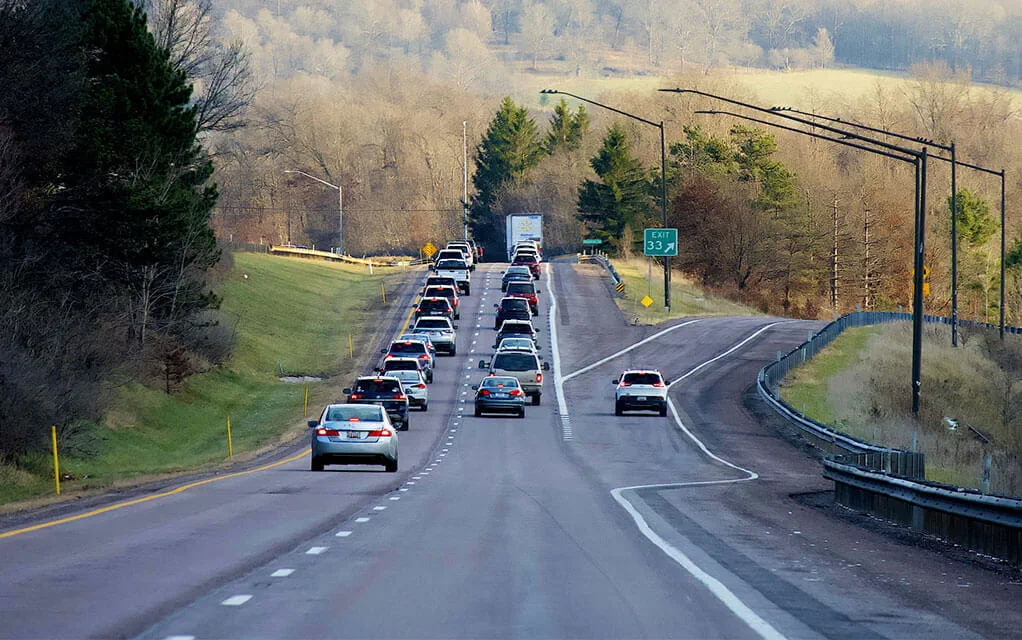
Ensure your mechanic checks the following:
- Tire pressure and tread
- Brakes and fluid levels (oil, coolant, windshield washer)
- Battery life and belts; in addition, pack an emergency roadside kit with jumper cables, a flashlight, and a first-aid kit.
If you don't have it already, having a roadside car maintenance service, such as AAA, or contacting your car insurance provider can help with peace of mind when setting out on the road.
Step 5: Packing Smart for the Road Trip
Packing your car for a road trip requires a different strategy than packing boxes for movers. The goal is accessibility and organization, not just fitting as much as possible. Start by decluttering your car and only bringing what you truly need for the journey.
Your essentials bag should be the most accessible item, containing essentials such as clothes, toiletries, and medications. Keep snacks, drinks, and entertainment within easy reach of passengers. If you're transporting any fragile items yourself, be sure to use packing materials like bubble wrap and secure them so they can't slide around.
Here are a few smart packing tips:
- Use soft bags instead of bulky suitcases to save space.
- Designate a specific spot for trash to keep the car clean.
- Place items you'll need for overnight stops near the top or back for easy access.
Step 6: Managing Time and Scheduling Breaks
One of the best ways to make your drive less stressful is through careful planning of your time. Pushing yourself to drive too many hours in one day is a recipe for fatigue and danger. A good rule of thumb is to limit driving to 8-10 hours per day.
This schedule allows you to reach your destination safely without feeling exhausted. It also allows for time for the unexpected, such as traffic jams or construction delays. Part of your moving process should be accepting that the journey will take time.

To manage your schedule effectively:
- Plan to take a 15-minute break every two to three hours.
- Avoid driving late at night when you're naturally more tired.
- Share driving duties with a partner if possible. Arriving at your new location safely is more important than arriving quickly.
- Ensure your vehicle is ready for whatever weather conditions you might encounter.
Step 7: Staying Connected with Your Movers
While you're on the road, your belongings are on their own journey. It's essential to stay in contact with your moving company to coordinate your arrivals. Before you leave, make sure you have the direct contact information for your moving coordinator or driver.
Choosing a reliable long-distance moving company, such as 1-800-PACK-RAT, which boasts excellent customer reviews and clear communication, is key. Periodically check in with them to get updates on their estimated arrival time. This helps you plan your own arrival and ensures you're ready to meet them at your new home.
This coordination is also courteous to the new owners of your old home and the previous residents of your new one. Clear communication ensures a smooth handover on both ends and helps prevent any logistical conflicts on moving day.
Step 8: Keeping Important Items Accessible
It's worth repeating: some items should never be loaded into your moving container. Your car serves as a mobile safe for your most critical possessions during the move. Before you pack anything with your movers, set aside all essential documents and valuable items to keep with you.
This includes jewelry, laptops, family heirlooms, and any paperwork you might need before your household goods arrive. Having these items with you provides peace of mind and protects them from loss or damage.
Here's a checklist of items to keep in your car:
- Important documents (licenses, passports, birth certificates).
- Valuable items (jewelry, electronics, sentimental objects).
- Your "essentials bag" with clothes, medicine, and toiletries for the first few days at your new place.
If you stay in a hotel or rental home, be sure to take these items with you overnight; never leave them in the car in the event of a break-in.
Let 1-800-PACK-RAT Set Your Long-Distance Move Up for Success
When you move with 1-800-PACK-RAT, you can leave all of the driving of your stuff completely to us, allowing you to focus on your upcoming cross-country drive to your new home! We make moving simple by bringing the moving and storage solution to you. No packing a large moving truck or using a lower-quality portable storage solution. Pack at your pace for as long as you need, and let us handle the rest.
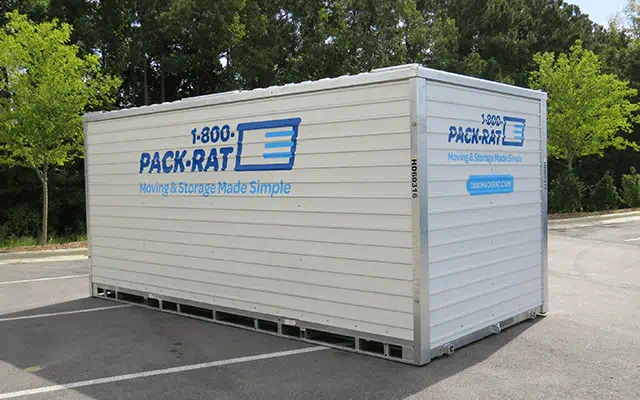
1-800-PACK-RAT makes moving and storage simple! Check back next week for part 2 of our cross-country driving tips!
- Moving Tips (133)
- Home Organization (28)
- News Releases (23)
- Packing Tips (22)
- Fun Stuff (19)
- Portable Storage (18)
- Storage Tips (12)
- In the Community (11)
- Moving and Storage Tips (11)
- Moving Checklists (9)
- Household Moving (7)
- Moving on a Budget (5)
- DITY Move (4)
- Moving Company Comparisons (4)
- Home Maintenance Tips (3)
- Home Buying and Selling Tips (1)
- Interstate Moving (1)


