

Eco-Friendly Moving: Tips for a Sustainable Relocation
July 10, 2025
Updated on February 12, 2026
Key Highlights of Eco-Friendly Moving Tips
- Discover how to adopt eco-friendly moving practices to minimize your environmental impact.
- Discover sustainable packing materials that are both effective and biodegradable.
- Minimize your move’s carbon footprint with actionable tips and thoughtful choices.
- Understand how to select a green moving company for your next relocation.
- Find out the best ways to responsibly handle and repurpose unwanted items.
- Equip yourself with strategies for a smooth and sustainable moving process that benefits both you and the environment.
Moving to a new home can have a big environmental impact. The moving process often generates significant waste and consumes fossil fuels, exacerbating the problem. Choosing eco-friendly options can help lower this impact. You can practice being green at every stage, including when packing and selecting a moving company. Doing things this way is not only good for the planet, but it can also help make the moving process smoother and save you money.
Understanding the Environmental Impact of Moving
When planning a move, it’s crucial to recognize the environmental ramifications of your decisions. The average move generates significant cardboard waste from boxes, plastic wrap, and other single-use packing materials that often end up in landfills. Furthermore, traditional moving trucks burn fossil fuels, contributing to greenhouse gas emissions.
This is why choosing a portable storage container company that reduces trips by shipping multiple containers can be a better option for the environmentally conscious. By becoming aware of these impacts, you can make informed choices that benefit both your wallet and our planet.
Now, let’s go over some reasons for the high waste and the many issues that do not work well in the moving process.
Common sources of waste during relocation
Unpacking after a move can really reveal the amount of waste that comes with it. Cardboard boxes, non-eco-friendly bubble wrap, and excessive plastic tape are among the most obvious problems. These packing materials may help you move items, but they are not always environmentally friendly if not disposed of properly after your move.
Food waste is another aspect that people often overlook. If you leave perishable food unrefrigerated or improperly stored, it can become waste. This food waste typically ends up in a landfill. If your cardboard gets wet from food or oil, it cannot be recycled and becomes more waste.
- Single-use packaging for small items has a significant environmental impact and contributes to waste.
- Using extra tape and a lot of oil-based bubble wrap is problematic because they do not break down on their own.
- Buying many new boxes instead of using old ones will generate much more waste.
- Throwing out food improperly increases landfill waste and can release harmful gases.
If you reduce your use of these materials and switch to more sustainable options, that helps a lot. Now, let’s look at how getting your belongings from one place to another can introduce additional problems during moving.
Transportation emissions and carbon footprint
The moving industry primarily uses trucks and vans powered by fuel, as they are necessary to transport an entire family or a single person. This results in high transportation emissions, particularly for those who use traditional moving trucks. When you move these trucks, they give off a lot of carbon dioxide and can use a lot of fuel to get from point A to point B. This contributes to the carbon footprint; burning a gallon of fuel is estimated to produce approximately 24 pounds of CO2. This can be detrimental to the environment.
The good news is that some moving companies use biodiesel fuel or transport multiple customers on a single flatbed truck. It is a better choice for the Earth and lowers carbon emissions. These companies also strive to plan the most efficient routes. This means there is less fuel wasted en route, and your items arrive faster.
Now, electric vehicles are starting to show up in the moving industry. This is still relatively new, but it demonstrates that people are increasingly interested in using less fuel and reducing emissions. If you pack all your belongings in one trip and use vehicles that require less fuel, you help reduce emissions even further. The way you move matters. Choosing sustainable transportation can significantly reduce your carbon footprint.
Next, we will explore the real benefits of choosing an eco-friendly move.
The Benefits of Choosing an Eco-Friendly Move
Eco-friendly moving benefits the planet and can also make you feel better. When you adopt sustainable practices, you help reduce your carbon footprint. This lets you have a positive impact on the world while making your move a reality.
Making a green move helps reduce waste, allowing you to save money by avoiding unnecessary purchases of packing materials. Additionally, you have the opportunity to use reusable or biodegradable packing supplies. This makes the move better. Moving in this way helps your new home be clean and green. It sets you up to live in a greener way from day one.
Positive effects on the environment
Choosing eco-friendly packing materials can have a positive environmental impact during and after your move. When you use reusable or biodegradable packaging supplies, you help reduce waste sent to landfills. These types of packing materials break down on their own. They do not produce harmful waste like traditional packing materials do. Instead of packing peanuts, use recycled paper or biodegradable fillers to fill the empty space in your boxes. Instead of new boxes, opt for recycled cardboard from old boxes.
A green move also offers additional benefits. It reduces the use of plastic items, such as plastic tape and bubble wrap, which are derived from oil. If you use paper tape and materials that can be recycled, you produce less pollution or waste that cannot break down naturally in landfills or in nature.
When you pick sustainable practices, you shrink your carbon footprint during the move. While it's challenging to achieve a 100% eco-friendly move given the nature of the process, working with a moving company that strives to do its best and purchasing eco-friendly packing supplies can be a good start. All of these small changes help you and others to go green after the move is done.
Cost savings and healthier living
Making eco-friendly choices benefits the environment, your health, and your wallet. When you cut down on waste, you avoid buying things you do not really need. This includes new boxes and throwaway plastics. If you use rentable moving boxes and pack your household goods, you get cost savings right from the start.
It is natural to build healthier habits by adopting more sustainable practices. If you pack with non-toxic, biodegradable packing peanuts instead of fake ones, your new home will stay cleaner. These earth-friendly options mean you have less exposure to harmful substances commonly found in traditional moving supplies.
Here's the good news: making eco-friendly choices will pay off in terms of both your financial well-being and overall health over time. If you choose moves and products that incorporate green practices, you save money and prioritize your health. All these things work together, so your move is easy, healthy, and smart.
What You’ll Need for a Sustainable Move
A sustainable move starts with the right tools and supplies. Use eco-friendly packing materials to make better choices. You can use recycled cardboard boxes and biodegradable packing supplies. These are very important.
If you work with a green moving company, your move will match your values. The company may use trucks powered by biodiesel and will support you in recycling your household goods. Gathering, sorting, and using your supplies correctly makes your move smoother and better for the planet.
First, let’s examine the primary eco-friendly packing items you need to use.
Essential eco-friendly packing materials
When planning a sustainable move, the choice of packing materials plays a significant role in reducing your overall environmental footprint. Opting for eco-friendly alternatives not only minimizes waste but also promotes responsible consumption and resource conservation.
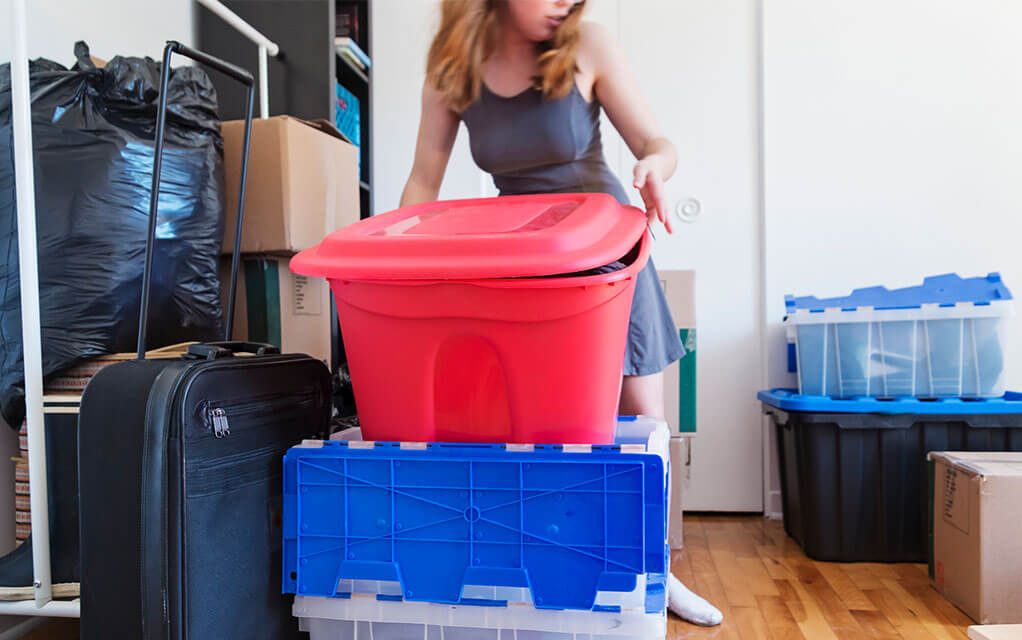
Using recycled cardboard boxes or renting sturdy plastic bins are both excellent choices. Recycled boxes give new life to materials that would otherwise end up in landfills, while rental bins can be reused by multiple movers, dramatically reducing single-use packaging waste. Many moving companies now offer these reusable bin services, making them accessible to most people. You can also opt for used boxes from recent movers to get as much use as possible before disposal.
For cushioning fragile items, consider biodegradable bubble wrap made from plant-based materials or paper honeycomb rolls instead of traditional plastic bubble wrap. These options provide effective protection while being compostable or recyclable after use. You can also repurpose what you already have at home—soft items like towels, blankets, and even old clothes make great padding for breakables and help avoid the need for additional packing products altogether.
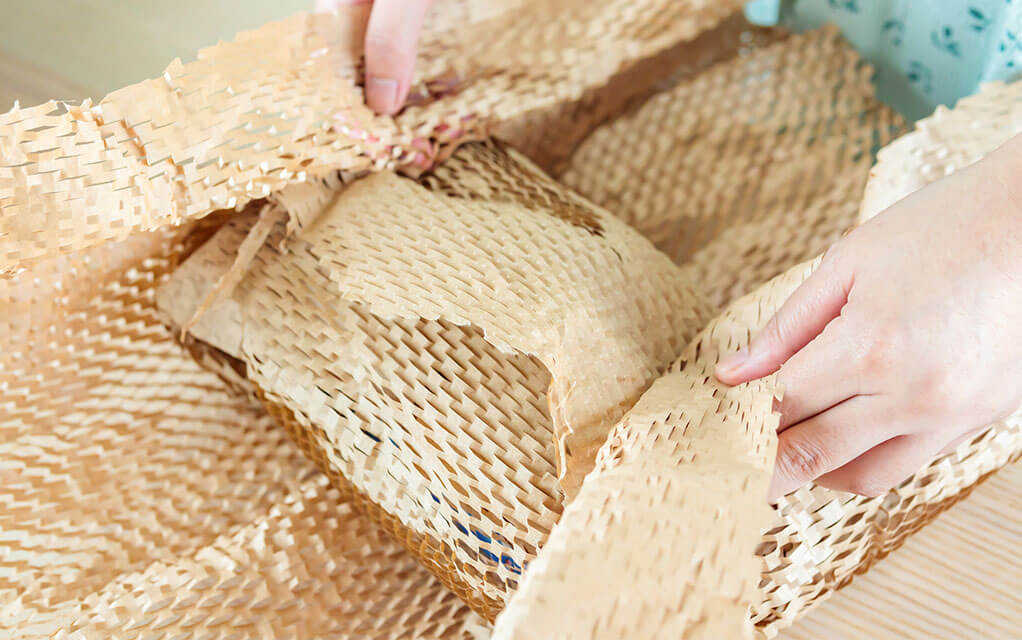
Switching to paper tape rather than plastic tape is another small but impactful change. Paper tape is typically made from renewable resources and breaks down more easily during recycling, helping ensure your moving waste remains as environmentally friendly as possible.
Beyond these basics, you might explore innovative alternatives, such as cornstarch packing peanuts or mushroom-based packaging materials, both of which are biodegradable and environmentally safe. When labeling your boxes, choose markers with non-toxic ink or reusable labels to further reduce harmful residue and waste.
Overall, making deliberate choices about packing materials—prioritizing recyclability, reusability, and biodegradability—demonstrates your commitment to sustainability during your move. These mindful decisions not only reduce pollution from non-biodegradable items but also set a positive example for others to consider environmentally conscious practices in their own lives. By embracing sustainable packing materials, you're contributing to a cleaner planet while ensuring your belongings arrive safely at their new home.
Resources for finding green moving companies
Finding a reputable moving company is crucial if you want your move to have a positive impact on the planet. First, look for a moving company that utilizes biodiesel fuel or electric vehicles. This may be challenging, as many companies operate fleets of pre-existing trucks. If you can't find a provider that can handle this, consider a portable storage company that can load multiple moves onto a single truck, reducing fuel waste typical of traditional moving trucks. 1-800-PACK-RAT typically handles long-distance moves this way, reducing the number of trips required to transport customers' belongings across the country.
You can ask nearby stores or check places like Facebook Marketplace, Facebook groups, or Nextdoor for people who have recently moved in your area and are looking to resell their moving boxes and unused supplies. Many also use recycled packaging for moving. You can find local movers like this by checking with local stores or looking at online reviews that mention green practices.
With the help of the right sustainable moving company, your next move will be beneficial for you and the planet, too.
Step-by-Step Guide to an Eco-Friendly Move
A well-planned approach can make an eco-friendly move easier. Start by planning ahead and eliminating what you do not need. By reducing your belongings, you simplify the moving process and lower your carbon footprint. Choose sustainable packing materials for your move. Use biodegradable packing peanuts and rentable boxes to reduce your environmental impact.
Once you have chosen your preferred mover, you can then move on to ensuring your move is as environmentally conscious as possible.
Step 1: Plan your move in advance and declutter
Effective planning and decluttering your home are key components of an eco-friendly move. Start by reviewing your household goods and selecting any unwanted items that you no longer use. This step helps you eliminate items you no longer need, reducing the packing materials you use. By doing this, you cut down your move’s carbon footprint. When you organize your belongings early, packing will be much easier and faster. It also helps protect your fragile items.
You can also give usable items to local charities or other non-profits, such as Goodwill or The Salvation Army, or use Facebook Marketplace or Nextdoor to sell or give away stuff you aren't using anymore. This is a great way to help mitigate environmental impact and let others use what you no longer need. You can also use these sites to source second-hand moving supplies to reduce waste.
Step 2: Choose sustainable packing and moving supplies
Choosing the right packing materials can help reduce your environmental impact when you move. Try to use biodegradable packing peanuts or recycled paper products instead of the typical styrofoam or paper products. Reducing the amount of styrofoam you use can have a significant impact on the environment - few things produced on Earth are as bad as styrofoam, so reducing the amount you use or eliminating it is a big win! Reusable plastic bins also work well, as they can be used for multiple moves. Choose paper tape instead of plastic tape because it degrades more easily.
Another good idea is to get rentable or recycled moving boxes. These boxes can be reused multiple times, reducing the need to create new ones. This helps reduce carbon emissions. You can also ask local stores or friends for free boxes. This helps you reduce waste during your move and can save you a little money.
When you use the right supplies, you reduce waste and make the process easier. These small choices benefit the planet and make your move go more smoothly.
Step 3: Donate, sell, or recycle unwanted items
Minimizing waste during your upcoming move not only benefits the environment but also brings several practical advantages. One effective strategy is to donate usable items, such as clothing, furniture, or electronics, to local charities and shelters. This approach extends the life of your belongings, supports individuals and families in need, and reduces the volume of goods heading to landfills.
In addition to donations, selling items you no longer need through garage sales or online marketplaces can help you declutter while earning extra cash. This process encourages a circular economy by allowing others to find value in what you no longer use.

For items beyond repair or reuse, recycling is essential. Many communities offer recycling programs for materials like paper, cardboard, plastic, glass, and certain electronics. Some moving companies even partner with recycling organizations or provide eco-friendly packing materials made from recycled content.
Another way to reduce waste is to use reusable containers instead of single-use cardboard boxes. Renting sturdy plastic bins or repurposing suitcases and storage totes can minimize disposable packing material and streamline your move.
By being mindful of what you pack, donate, sell, recycle, or discard, you contribute to environmental sustainability. These small steps collectively reduce your carbon footprint and promote a greener lifestyle during one of life’s most hectic transitions.
Step 4: Clean your old and new spaces with green products
When choosing cleaning products, opting for environmentally friendly options can significantly reduce your carbon footprint and minimize environmental impact. Eco-friendly cleaners are formulated to break down more easily in the environment, lessening water and soil pollution. Many biodegradable cleaners are made from plant-based ingredients that are free from harsh chemicals, making them safer not only for the environment but also for your family and pets.
In addition to using biodegradable cleaning solutions, switching to reusable microfiber cloths instead of disposable paper towels reduces waste. Microfiber cloths are durable, trap dust and dirt effectively, and can be washed and reused multiple times. By incorporating natural cleaning agents such as vinegar and baking soda, you can avoid introducing unnecessary toxins into your home while still achieving excellent cleaning results. These household staples are versatile—they deodorize, disinfect surfaces, and remove tough stains without the need for synthetic chemicals.
Embracing these sustainable cleaning practices contributes to a healthier indoor environment by reducing exposure to volatile organic compounds (VOCs) commonly found in conventional cleaning products. This improves indoor air quality, benefiting everyone who lives there.

If you maintain green cleaning habits during a move or deep-cleaning session, you’re also helping to reduce the volume of single-use plastics and packaging often associated with traditional cleaners. Properly disposing of old or unused chemical cleaners at designated hazardous waste facilities further limits their environmental harm.
Overall, adopting eco-friendly cleaning methods not only supports global efforts to protect the planet but also fosters a safer, healthier living space for you and your loved ones now and in the future.
Setting Up Your New Home Sustainably
Building a new home that helps the planet is all about making good choices. Start by using energy-efficient appliances if you are not already using them, such as those with the Energy Star label or certification. These products help reduce carbon emissions and typically can save you money on your electric bill. There are other steps you can take to make a positive impact, such as installing solar panels on your home and using electric vehicles for transportation. To further reduce your environmental impact, incorporate eco-friendly habits into your daily routine. Try composting your food waste and picking biodegradable disposable plates, cups, etc. Doing these things helps keep your new home green and clean.
Incorporating energy-efficient practices and products
When you move into your new home, paying attention to energy efficiency can help you lower your carbon footprint. You can start by choosing energy-efficient appliances. These are less wasteful in power consumption overall, so you save money on your utility bills. Using smart home tools, such as programmable thermostats and LED lights, can help you manage your energy more effectively and remotely, if needed.
You should also consider adding solar panels to harness energy from the sun. Solar panels are a significant investment, however, so be sure you are ready to take the plunge before doing so. Doing these things in your new place will save you money over time and make a big difference to the environment. By using these sustainable practices, you help reduce environmental impact. This makes your new home a great example of eco-friendliness.
Energy-efficient appliances for your new home
Opting for energy-efficient appliances is a key step in making your new home more environmentally friendly and cost-effective. When shopping for appliances, look for the “Energy Star” label, which certifies that a product meets strict energy-efficiency guidelines set by the U.S. Environmental Protection Agency. These appliances typically use 10–50% less energy than standard models, resulting in significant savings on utility bills over time.
In addition to major appliances like refrigerators, dishwashers, washers, and dryers, consider upgrading to energy-efficient lighting such as LED bulbs. LEDs consume far less power and last much longer than traditional incandescent bulbs. Similarly, installing smart thermostats can further optimize your home’s energy usage by automatically adjusting heating and cooling based on your preferences and daily schedule.
When evaluating appliances, check their EnergyGuide labels—these yellow stickers provide information about estimated annual energy consumption and operating costs. Comparing these numbers across different models can help you make informed decisions that balance upfront costs with long-term savings.

Beyond the immediate financial benefits, choosing efficient products helps lower greenhouse gas emissions and reduces your overall carbon footprint. This is especially important as residential energy use accounts for a significant portion of global emissions.
You can also adopt other sustainable practices in your new home to maximize efficiency:
- Unplug devices when not in use or use smart power strips to reduce “phantom” energy loss. These "energy vampires" slowly consume energy unnecessarily, wasting it and increasing your bill.
- Wash clothes in cold or cool water whenever possible.
- Set water heaters to an optimal temperature (typically 120°F) to save both energy and money.
- Keep your thermostat slightly higher or lower than you would during the peak periods of Summer and Winter.
By combining the purchase of Energy Star-certified appliances with mindful usage habits, you’ll create a more sustainable living environment and contribute positively to the planet’s health—all while keeping household expenses under control during your move and beyond.
Let 1-800-PACK-RAT Help Make Your Move Easier
Moving in an eco-friendly manner isn't easy and requires planning and careful consideration of materials. But when you do, you'll feel better knowing you lessened your environmental impact during what is typically a non-eco-friendly life event.
If you're looking for a mover that can help you reach your moving goals more easily and sustainably, give 1-800-PACK-RAT a call! We can deliver a portable storage container that you can pack at your convenience, while we handle all driving for you. We ensure your local or long-distance move goes as smoothly as possible and provide the storage you need, whether on-site or securely stored in one of our 85+ nationwide warehouse locations. You can leave all of the driving to us - no more wasted fuel and pollution from driving a moving truck all over the country or back and forth multiple times to your new home. Load and unload once - it is that simple with 1-800-PACK-RAT!

Contact us today or visit our website to request a free quote and learn how 1-800-PACK-RAT can make your upcoming move easier.
Frequently Asked Questions About Eco-Friendly Moving
How can I find eco-friendly moving supplies in the US?
To find eco-friendly packing materials in the US, you can check with local retailers, like Lowe's® Home Improvement stores. They may sell biodegradable packing materials. You can also look at online marketplaces to get recycled boxes or online retailers such as Amazon. Another option is to rent reusable containers, which can help reduce waste. Also, ask the moving companies you speak with if they offer any sustainable options for packing or transportation supplies.
Are green moving companies more expensive than traditional movers?
Green moving companies typically offer rates comparable to those of regular movers; however, they may charge a bit more because they utilize eco-friendly practices that often lack the same infrastructure as larger, more well-known moving companies. But you will often save energy and resources with them over time. Plus, they help lower environmental impact. This can make choosing one a good investment.
What should I do with unwanted furniture and electronics?
Consider donating your good furniture and electronics to local charities or shelters. You can also sell these things on online marketplaces if you want. For broken items, look up recycling programs that handle old electronics. This way, you help the environment and dispose of them properly.
How can I reduce waste during the unpacking process?
To reduce waste during unpacking, use reusable containers and biodegradable packing materials. Try to avoid using plastic or foam packing materials, as they are among the least biodegradable items available. Recycle any cardboard boxes, and find another use for packing paper. If you have items you no longer need, consider donating them rather than discarding them. This can help reduce your environmental impact during unpacking.
How can I set up my new home for eco-friendly sustainability?
To set up your new home for eco-friendly sustainability, start by choosing energy-efficient appliances that consume less power. Opt for LED lighting to reduce energy costs and improve longevity. Consider using sustainable materials such as bamboo or reclaimed wood for furniture and flooring. Consider installing a rainwater harvesting system or a greywater recycling setup to minimize water waste.
Incorporate indoor plants to improve air quality and enhance the natural beauty of your space. Use non-toxic paints and finishes to maintain a healthy living environment. Additionally, consider establishing a composting area for organic waste to enrich your garden while reducing landfill waste.
- Moving Tips (133)
- Home Organization (28)
- News Releases (23)
- Packing Tips (22)
- Fun Stuff (19)
- Portable Storage (18)
- Storage Tips (12)
- In the Community (11)
- Moving and Storage Tips (11)
- Moving Checklists (9)
- Household Moving (7)
- Moving on a Budget (5)
- DITY Move (4)
- Moving Company Comparisons (4)
- Home Maintenance Tips (3)
- Home Buying and Selling Tips (1)
- Interstate Moving (1)


