

Essential Steps for a Smooth Job Relocation Experience
December 11, 2025
Key Highlights for Job Relocation Tips
Here are the essential takeaways for your upcoming job relocation:
- Carefully weigh the career opportunities against the personal and financial impact of moving.
- Understand what your employer's relocation package covers to manage your moving expenses.
- Thoroughly research your new city, including neighborhoods and the cost of living.
- Create a detailed moving checklist with a timeline to stay organized throughout the process.
- Budget for all potential costs, from hiring movers to setting up your new home.
- A well-planned move ensures you can focus on your new job and enjoy a fresh start.
Accepting a new job offer is exciting, but when it’s hundreds of miles away, that excitement can mix with a fair amount of stress. Relocating for work is a major life change that involves more than just packing boxes. To make your move a success, you need a solid plan. This guide will walk you through the relocation process step-by-step, helping you prepare for every detail. With the right approach, you can ensure a smooth transition and start your new chapter and job with confidence.
Understanding Job Relocation: What It Means and Why It Matters
Job relocation simply means moving from your current home to a new location for work. This could be for a promotion, a new job offer, or a company transfer. It’s a significant decision that impacts your career and personal life, involving everything from finding a new home to managing your moving expenses.
Understanding the process is the first step. It requires careful planning to balance your professional responsibilities with the logistics of a move. Before you do anything else, you should evaluate the opportunity, review any potential relocation package, and consider the implications for your lifestyle. This initial assessment is key to career advancement and a successful move.
Reasons People Consider Moving for a Job
Many people are willing to relocate for the right opportunity. The reasons often go beyond just a bigger paycheck. Deciding if a job relocation is worth it depends on what you value most in your career and personal life.
Are you looking for a change? A new job in a new city can be the perfect chance for a fresh start. It’s an opportunity to step out of your comfort zone, meet new people, and enjoy new experiences. For many, it's about improving their overall quality of life.
Here are some of the top reasons people move for work:
- Better Career Opportunities: A new role may offer more responsibility or a path for advancement that isn't available in your current location.
- Higher Salary: Moving can often lead to a significant pay increase, especially if you're moving to an area with a strong job market.
- A New Adventure: Sometimes, the chance to explore a different part of the country and experience a new culture is reason enough.
Pros and Cons of Relocating for Work
Moving for a job has both exciting advantages and potential drawbacks. On one hand, it can be a massive boost for your career. On the other hand, it involves significant personal and financial adjustments. Weighing the pros and cons is essential before making a final decision.
One of the most significant factors to consider when relocating for a job is the financial side. An excellent salary offer might be offset by the high cost of living in the new area. Similarly, a generous relocation package can ease the burden of moving expenses, while no assistance means you'll cover everything yourself. You will need to heavily weigh the pros, such as career advancement, higher salary, and an opportunity for a fresh start, against potential cons, such as moving expenses, leaving behind friends and family, familial disruptions, and adjusting to an entirely new environment.

Sit down with your family and go over these pros and cons, and see if the opportunity is worth the potential cost.
Deciding If Moving for Work Is Right for You
Deciding to move for a new job opportunity is a big decision. It often means stepping far outside your comfort zone to pursue career advancement. While it can be a fantastic move for your career and finances, it's essential to think about how moving to a new area will affect your whole life.
Before you say yes to a new employer, take time to consider all aspects of the move carefully. This includes the job itself, the financial implications, and your personal happiness. Ensuring the relocation is the best choice for you and your family is the most crucial part of the process.
How to Assess Career Opportunities and Growth
When considering a move, look beyond the initial job offer. You need to assess the long-term career opportunities that the new role and company provide. Does this move align with your future goals? A job that offers significant career advancement is often worth the challenges of relocating.
Think about the new company’s culture and its track record for promoting from within. Is the new role a step up in responsibility? Researching the company and asking the right questions during the interview process can give you a clearer picture of your potential for growth.
To decide if the opportunity is right for you, consider the following:
- Long-Term Potential: Will this position provide you with the skills and experience you need to advance in your field?
- Company Stability: Is the new company growing, and does it offer a stable environment for your career to flourish?
- Job Security and Alternative Opportunities: Does the company you are working for have a good reputation for keeping employees? In the event of a layoff, are there alternative job opportunities present in your new location?
A new job should be an exciting process, so don't get bogged down in the "what ifs." But it is always good to have a backup plan just in case!
Evaluating the Personal and Financial Impact of Relocation
A job relocation affects more than just your career; it impacts your wallet and your lifestyle. Before you commit, it's crucial to evaluate the financial and personal sides of the move. A higher salary won't mean much if the cost of living in the new city eats up all your extra income.
Start by researching the quality of life in the new area. What are the housing costs, taxes, and typical daily expenses, and will these new costs offset any kind of salary increase? Create a budget that includes all potential moving expenses and relocation expenses. See what kind of financial support your new employer offers, as this can make a huge difference.

Here are key things to evaluate:
- Create a Budget: List all anticipated costs, from hiring movers to utility deposits, to booking a moving company, to see if the move is financially viable.
- Research the New Location: Compare the cost of living with your current city to understand how your purchasing power will change.
- Relocation Assistance: Will your new employer provide you with any relocation assistance to offset the cost of your move?
What You’ll Need Before You Relocate
Once you’ve decided to move, it’s time to get organized. The key to a stress-free relocation process is planning and planning early. This starts with understanding your relocation package and creating a detailed moving checklist. Having a plan helps you keep track of everything you need to do. If you need a checklist or something to get you started, you can download 1-800-PACK-RAT's moving checklist today!
You'll need to gather necessary paperwork, coordinate logistics, and prepare for life in a new city. An employee relocation checklist can be your best friend during this busy time, ensuring you don’t forget any necessary steps along the way. Now, let’s look at the resources and planning tools that will help you.
Essential Resources and Job Relocation Assistance Options
Many companies offer a relocation package to help ease the financial burden of moving. This assistance can vary widely, so it's vital to understand precisely what is included. The best way to negotiate is to research what competitors offer and clearly state your needs.

This financial support can cover a range of costs, from hiring professional movers to securing temporary housing while you search for a permanent home. Some companies even provide the services of a real estate agent to help you find a place to live. Don't be afraid to ask for what you need to make the transition smoother.
A typical relocation package might include:
- Moving Costs: Coverage for hiring a moving company and transporting your belongings to your new city.
- Temporary Housing: Funds for a short-term rental or hotel stay if you don't have a new home picked out yet.
- House-Hunting Trips: Reimbursement for travel to the new city to look for a home.
Don't be shy about asking for help! If your new employer is willing to hire you, knowing you need to move, they should be willing to provide financial assistance to make it as easy as possible.
Budgeting and Financial Planning Tips for Moving for a Job
Moving for a job can be expensive, but with careful budgeting, you can manage the costs. Even if you don't have a lot of money saved, there are ways to make it work. Start by listing all potential moving expenses to get a clear picture of what you’ll need to spend.
Use a cost-of-living calculator to compare your current city with the new one. This will help you understand how far your money will go. If your company offers reimbursement for expenses, keep all your receipts organized for things like food, moving supplies, and gasoline. If you're on a tight budget, look for ways to save, like packing yourself or choosing a less expensive moving option.

Here are some financial planning tips:
- Get Multiple Moving Quotes: Shop around to find the best price for moving services and choose the mover that can make your move as simple and stress-free as possible.
- Look for Financial Support: Explore relocation loans or see if your employer offers a lump-sum payment to help cover upfront costs if you are unable to cover the initial costs.
- Get Discounted Supplies to Cut Costs: Check out places like Facebook Marketplace and Nextdoor to see if anyone has discounted or free moving supplies to get rid of.
- Keep Receipts and Invoices: Keep all of the receipts and invoices from your relocation, as your employer might have a moving reimbursement policy, but only if you have proof to provide them.
Step-by-Step Guide to a Smooth Job Relocation
A successful relocation process is all about breaking it down into manageable steps. To make your move less stressful, focus on one task at a time. From researching your new city to hiring a moving company, a clear plan will help you manage all the logistics.
This step-by-step guide will walk you through everything you need to do for a smooth transition. By following a structured moving checklist, you can stay on top of deadlines and avoid last-minute chaos, allowing you to focus on the excitement of starting a new chapter.
Step 1: Research Your New City and Neighborhoods
Before you even think about packing, get to know your new city. Learning about the area will help you find a place that feels like home. Research different neighborhoods to see which one best fits your lifestyle, new work routine, and budget. Look into factors like commute times, schools, and local amenities - anything that you do now for fun should be similarly accessible in your new city.
Use online tools and apps to explore real estate prices and the local cost of living. Social media groups for new residents or specific neighborhoods can also be a great source of information; these can be found on Facebook and Nextdoor. The more you know before you go, the more confident you'll feel about your move.
When researching your new city, be sure to:
- Visit If You Can: Spending a weekend in the new city can give you a feel for the different neighborhoods.
- Check Local Resources: Read local blogs, news sites, or find social media accounts linked to the local area to learn about community events and culture.
- Learn About the Local Climate: Few things can shock you more than moving from a very warm climate to a freezing climate! Be sure to have a good knowledge of the typical weather in your new location and have the proper year-round clothing for it
Step 2: Create a Job Relocation Checklist
An organized move is a happy move. Creating an employee relocation checklist is one of the best ways to stay on track. A detailed moving checklist with a timeline ensures that nothing falls through the cracks, from gathering important paperwork to booking your movers.
Break down your move into weekly tasks. Start about two months before your moving date with big-picture items like decluttering, getting moving quotes, and packing non-essentials. As your move gets closer, your checklist will get more detailed, covering tasks like packing specific rooms, transferring utilities, and securing housing.

Here is a sample timeline for your checklist:
- 8 Weeks Out: Research moving companies, create a moving budget, and begin packing the non-essentials to get a head start.
- 4 Weeks Out: Start packing some essential items and start changing your address with the post office.
- 2 Weeks Out: Confirm details with your movers and arrange to transfer utilities.
- Moving Week: Pack all of your stuff for your moving day, an essentials bag with everything you'll need for your first night at your new home, and do a final walkthrough of your old home.
Get a more thorough moving checklist, starting 60 days out to your move day, in our moving long-distance checklist blog.
Step 3: Secure Housing and Plan the Move
Finding your new home is one of the most important first steps in the relocation process. Start your housing search a few months before you plan to move, or as soon as you know you are going to be relocating. Decide whether you want to rent or buy, and consider hiring a real estate agent who knows the local market well.
If you can't find a permanent new house right away, look into temporary housing options as a stop-gap measure. A short-term rental can give you the flexibility to explore the area before committing to a long-term lease or purchase. This takes the pressure off finding the perfect place immediately, and could be something your employer is willing to help with in regard to relocation assistance.
When securing your new home, remember to:
- Use House-Hunting Trips: If your employer offers them, take advantage of these trips to view properties in person to make an informed decision.
- Consider Virtual Tours: If you can't visit, ask your real estate agent for a virtual tour of a listing you like.
- Secure Temp Housing First: Consider securing temporary housing first and find a new permanent location at your leisure once you are in your new city.
Step 4: Explore Moving Tips and Find Reliable Movers
The physical act of moving your belongings can be the most challenging part of relocation. Hiring a reliable moving company can make all the difference, especially when you take into account how they can get you from point A to B. Get quotes from several professional movers to compare prices and services. Read reviews and check their credentials to ensure they are trustworthy.
Whatever mover you decide to go with should make your move more straightforward to manage, not harder. For example, moving truck companies might seem like a cheap solution, but it is extremely DIY, and forces you to pack and load everything yourself, and then drive to your new home, unpack, and return the vehicle. This can be a back-breaking, time-consuming process that, in the midst of everything else, takes too much time. 1-800-PACK-RAT and its portable storage containers make it simple by bringing you the solution on your schedule, giving you as much time as you need to pack, then picking it up and delivering it to your new home. It is that simple - no driving required!

Proper packing is essential to protect your belongings during transit, so you need to be able to pack at your own pace. Consider labeling every box with its contents and the room it belongs in, or creating a colored inventory list with stickers you can place on a box to show where it goes or what is inside. If you have a gap between moving out and moving in, consider using temporary storage to keep your items safe. Another pro with 1-800-PACK-RAT is that your moving container doubles as a storage container. We can put your container into storage for as long as you need in any one of our 85+ secure warehouse locations.
To find reliable movers and make your move easier:
- Ask for Recommendations: Friends, family, or your new employer may have suggestions for a good moving company.
- Declutter Before You Pack: The less you have to move, the cheaper and easier the process will be and the less time it will take to pack and load your belongings.
Step 5: Update Documents and Settle Into Your New Community
Once you've arrived, the final step is to get settled. This involves completing all the necessary paperwork to officially become a resident of your new state. This includes updating your driver's license, registering your car, and complying with any new state regulations you may be required to follow. Keep all your necessary documentation, like your passport and birth certificate, in a safe, accessible place so you can easily complete these tasks.
Beyond the administrative concerns, take time to explore your new surroundings. Figure out the public transportation system if you plan to use it, find your local grocery stores, and start meeting new people. Settling in is about making your new house feel like a home. Using apps like Facebook, finding local groups to join, and even Nextdoor can help you get started getting to know new people and the surrounding area.

As you settle in, focus on these tasks:
- Update Your Address Everywhere: Make sure your banks, credit card companies, subscription services, and frequently used merchants have your new address. This will ensure you get all of your stuff and mail delivered to the correct address while reducing the chances of identity theft. Pro tip: don't rely on the Post Office forwarding service to catch everything! As soon as you are in your new home and can receive mail, change your address with your vendors and companies!
- Get Involved in the Community: Join local groups or clubs to meet people with similar interests and get to know your new home and city.
- Keep Your Important Documents Close By: Updating your driver's license or any other government-related changes will require official documentation, and your new employer might need it for onboarding as well. Keep your birth certificate, a passport, and any other identifying documents close by during the first few weeks in your new home.
Use 1-800-PACK-RAT to Simplify Your Job Relocation
A successful job relocation requires careful planning and consideration of various factors, ranging from assessing career opportunities to budgeting effectively. One such way to ensure a smooth transition is to use a moving company that can be flexible enough to meet your needs while providing a convenient solution that handles most of the hassles associated with moving. That is where 1-800-PACK-RAT comes into the picture.
1-800-PACK-RAT has all-steel portable storage containers that can be delivered directly to you and your location, giving you the freedom to pack your stuff at your own pace. Here is how it works: you pick your preferred delivery date, we deliver a container you can pack at your leisure, and when you are done, we will pick up the container and deliver it to your new home or place it into storage at one of our secure warehouse facilities for as long as you need. It is that simple - no driving necessary on your part compared to traditional moving truck solutions.
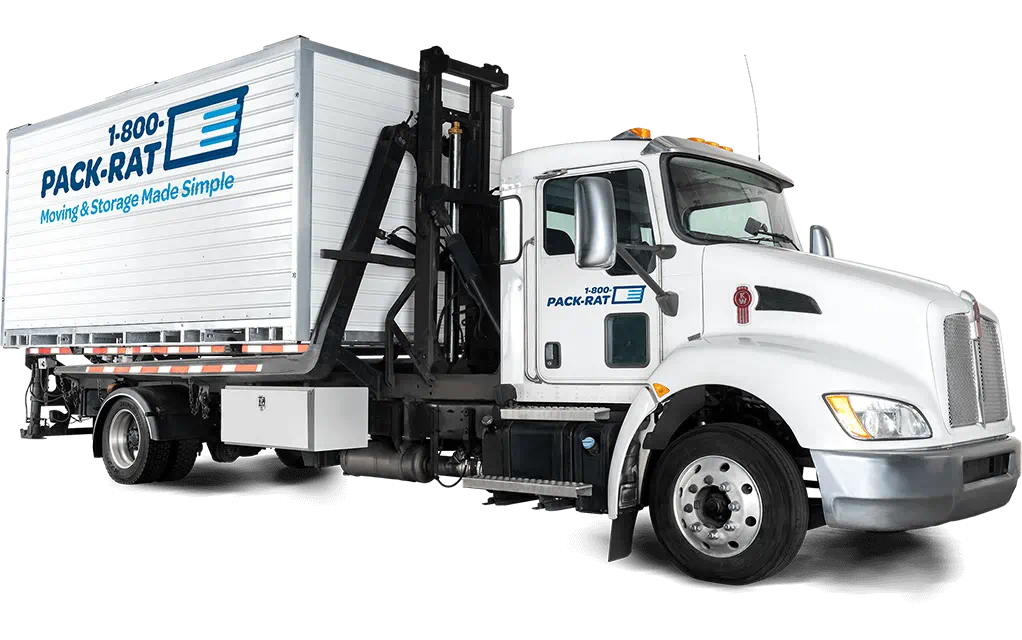
Whether you are relocating locally for a new job across your current city or you are moving long-distance across the country for a new opportunity, 1-800-PACK-RAT has you covered! Give us a call or go online for a free quote and get your moving process started today!
Frequently Asked Questions About Job Relocations
What are the first steps I should take when planning a job relocation?
The first step in your relocation process is to research your new city and potential movers and create a detailed budget. Next, make a moving checklist with a timeline to stay organized. Begin gathering all necessary paperwork early to avoid any last-minute stress. This initial planning sets the foundation for a smooth move.
What are some common mistakes to avoid when relocating for a job?
A common mistake is underestimating moving expenses. Always budget for more than you think you'll need. Another error is not creating a detailed packing checklist and timeline, which leads to chaos. Finally, don't be afraid to step out of your comfort zone to explore your new city once you arrive.
How can I negotiate relocation benefits with my employer?
To negotiate relocation benefits, research what a standard relocation package includes in your industry. Use a cost-of-living calculator to justify your request for financial support. Present a clear, polite request for specific items, such as reimbursement for moving costs or temporary housing, to build your case with your employer.
How do people relocate for a job if they don’t have much money?
If money is tight, seek financial support from your employer; even a small lump sum helps. Reduce moving expenses by decluttering and doing your own packing. Opt for affordable temporary housing and use public transportation initially to save on costs. Every little bit saved on relocation expenses will help.
How can I find reliable moving companies for my job relocation?
To find a reliable moving company, get quotes from at least three different professional movers. Check online reviews and ask for a listing of their services. Ensure the movers are licensed and insured. Clear communication about the logistics of your move is key to finding a company you can trust. Remember that if a company is offering services at a really cheap rate that seems too good to be true, it likely is.
- Moving Tips (133)
- Home Organization (27)
- News Releases (23)
- Packing Tips (21)
- Fun Stuff (19)
- Portable Storage (16)
- In the Community (11)
- Moving and Storage Tips (11)
- Storage Tips (10)
- Moving Checklists (9)
- Household Moving (7)
- Moving Company Comparisons (5)
- Moving on a Budget (5)
- DITY Move (4)
- Home Maintenance Tips (3)
- Home Buying and Selling Tips (1)
- Interstate Moving (1)


