

Essential Tips for a Smooth Office Moving Experience
October 30, 2025
Key Highlights for Office Moving Tips
- Begin your office move planning at least 6 months in advance to create a comprehensive plan and set clear timelines.
- Assemble a dedicated moving team to delegate tasks and ensure every detail is managed effectively.
- Communicate your relocation plans clearly with employees to keep them informed and prepared for the change.
- Hire professional movers with commercial experience to transport your equipment safely to the new location.
- Design a new office layout and coordinate IT setup in advance to ensure a smooth transition.
- Update all stakeholders —from clients to service providers —on your new address to avoid business disruptions.
Are you planning an office move? Relocating your business can feel like a monumental task, but it's also an exciting chance to create a better workspace. A move to a new office space can boost morale and improve your company's image. With careful planning, you can turn a potentially stressful moving process into a seamless transition. This guide will provide you with the essential tips to keep your business operations running smoothly while you settle into your new home.
Building Your Office Moving Checklist
A successful move starts with a solid plan. Creating an office relocation checklist is the best way to stay organized and make sure nothing gets forgotten. Think of it as your roadmap, guiding you from your current office space to your new one without any major bumps along the way.
Your checklist will help you track everything from packing office supplies to coordinating with your new property manager. Breaking down the big project into smaller, manageable steps makes the entire process feel less overwhelming. Let's look at how you can build a detailed checklist for your move.
Step-by-Step Guide to Planning an Office Relocation
An office relocation checklist is your secret weapon for a successful office move. It’s more than just a to-do list; it’s a strategic plan that involves project management and clear communication. Start by creating a master document that everyone on your moving team can access and update. This ensures everyone is on the same page.
Your checklist should outline every task, from the initial planning stages to the day you unpack in the new space. Assigning specific responsibilities and deadlines to team members helps maintain accountability. What should your initial checklist include?
Here are some key first steps for your office relocation checklist:
- Assign a move coordinator or project manager.
- Determine your budget and get moving quotes.
- Review your current lease agreement.
- Set a target moving date.
- Create an inventory of all furniture and equipment.
- Communicate the upcoming move to your employees.
Essential Documents and Details to Track
As you plan your move, keeping track of essential documents and key details is critical. Misplacing a contract or forgetting to notify a vendor can cause unnecessary delays and headaches. Start by gathering all important paperwork, such as your current and new lease agreements, moving company contracts, and insurance policies.
Once you have your move date and new address finalized, it's time to spread the word. You need to inform everyone who does business with you about the change. This includes clients, suppliers, banks, and government agencies. Contact your new property manager to confirm move-in procedures and get any necessary access codes or permits.
Create a list of all parties who need to be notified of your new address:
- Clients and business partners
- Service providers, suppliers, and utility companies
- Banks, insurance companies, and financial institutions
- Your local post office for a change of address
Setting Realistic Budgets and Timeline Milestones
A detailed moving budget is a cornerstone of your moving plan. It helps you stay in control of your finances and avoid last-minute surprises. Your budget should account for all potential costs, including moving company fees, new furniture, IT setup, and cleaning services for your old space. It's also wise to set aside a contingency fund for unexpected costs.

Setting clear timeline milestones will keep your relocation on track. A well-structured timeline breaks the move into manageable phases, ensuring that tasks are completed in a logical order. This helps prevent a last-minute rush and reduces stress for your team.
Here are some simple deadlines to help you structure your moving timeline (your budget itself will depend on how big your business is and how many employees you have):
- Hire Professional Movers: 3-6 Months Out
- Procure New Office Furniture & Equipment: 1-3 Months Out
- IT Services Relocation & Setup: 1-3 Months Out
- Security Deposit for New Space: As Soon as You Sign Your Lease
- Cleaning and Repairs at Your Old Location: Final Week
Pre-Move Preparation Strategies
Long before the first box is packed, your pre-move preparation strategies will set the tone for the entire relocation. Solid office move planning starts with assembling a reliable moving team and assigning a project manager to lead the effort. This person will be the central point of contact and ensure every task is handled efficiently.
Early preparation helps you anticipate challenges and find solutions before they become problems. From reviewing contracts to communicating with your staff, these initial steps are crucial for a smooth transition. The following sections will guide you through the initial strategies to get your move off to a great start.
Reviewing Your Current Office Lease and Contracts
One of the very first things you should do is carefully review the lease for your current office. It’s essential to understand your obligations before you vacate the premises. Look for clauses related to the notice period you must provide and any penalties for ending the lease early. Your contract will also detail your responsibilities for cleaning and repairs.
Contact your current landlord or building management to discuss your departure. Documenting any existing damage in the old office before the move begins can help you avoid disputes over your security deposit. Being clear on these details helps prevent unexpected costs.
Knowing these terms in advance allows you to plan accordingly and maintain a good relationship with your former property manager. This simple step can save you a lot of time and money, making it a critical part of your early planning process.
Announcing the Move and Organizing a Moving Team
Once your plans are in motion, it’s time to organize your internal moving team. This team will be responsible for overseeing the entire process. Choose a project manager to act as the main point of contact. This individual should be organized, communicative, and capable of delegating tasks effectively.
A well-organized moving team ensures that every department's needs are taken into account. The project manager can assign specific duties, such as coordinating with the IT department or managing packing supplies. This division of labor makes the process much more manageable.

Here’s how to structure your team for success:
- Designate a single project manager to lead the move.
- Assign a representative from each department to oversee their team's packing.
- Decide who will supervise at the old location and who will manage the setup at the new office.
- Ensure everyone on the team knows their specific responsibilities and deadlines.
Communicating Office Relocation Plans With Employees
Clear and consistent communication with your employees is key to a stress-free move. Announce the relocation as early as possible, explaining the reasons for the move and the benefits it will bring. This helps build excitement and reduces anxiety about the change. Keep your team updated through regular meetings or emails.
Your moving plan should include a communication strategy. Provide employees with all necessary information, including the moving date, new address, and details about their new workspace. A well-informed team is a productive team, even during a transition.
Don’t forget to update your external communications as well. A few days before the move, update your company website, social media accounts, and online business listings with your new contact details. This ensures clients and partners can find you without any interruption.
Creating a Moving Timeline for a Smooth Transition
A detailed moving timeline is your roadmap to a smooth transition. Breaking down the relocation process into phases with clear deadlines helps you stay organized and ensures nothing is overlooked. Start planning 6 to 12 months before your target move date to give yourself plenty of time.
This timeline will guide you through every stage, from initial planning to settling into your new space. Having a structured plan reduces stress and minimizes disruptions to your business. The following sections break down the key tasks you should tackle at different stages of your moving timeline.
Key Tasks 3-6 Months Before Moving Office
With three to six months to go, your planning process should shift into high gear. This is the time to finalize key decisions and begin communicating with all involved parties. If you haven't already, now is the time to secure your new office space and confirm your move-in date.
This phase of the relocation process is all about communication. You need to inform your current landlord of your departure and notify your employees about the upcoming move. It's also the right time to start researching and booking your moving company.
Here are some essential tasks for this timeframe:
- Give official notice to your current landlord.
- Confirm your moving date with your chosen moving company.
- Notify employees of the moving date and new address.
- Start creating an inventory of all office items.
- Begin researching and ordering any new furniture you might need.
What to Handle 1-3 Months Out
As your office move gets closer, it's time to focus on the logistics of your new space and the packing process. Your move coordinator should work on a detailed floor plan for the new office, mapping out where departments, furniture, and equipment will go. This will make unpacking much more efficient.
Now is also the time to order all necessary packing supplies, such as boxes, tape, and labels. You can also start decluttering by selling or donating any furniture or equipment you no longer need. This is a great way to simplify the move and potentially reduce costs.

Key tasks to complete one to three months before your move include:
- Finalize the floor plan for the new layout.
- Order new furniture, stationery, and other supplies.
- Arrange for cleaning services for both the old and new offices.
- Schedule vendors for any repairs or branding removal at your old location.
Crucial Steps in the Final Weeks Before Moving
The final weeks before your moving date are when everything comes together. Your focus should be on packing non-essential items and finalizing all logistical details. Work with your moving team to create a detailed moving day schedule so everyone knows their role.
This is also the time to confirm arrangements with your moving crew, cleaning services, and any other vendors. Double-check that you have all necessary permits, such as parking or elevator use permits, for moving day. Back up all essential company data to protect it during the relocation.
Make sure all employees have packed their personal belongings and that office equipment is disassembled and ready to go. On the day before the move, update your company website and other online profiles with the new office address. These final steps will ensure that moving day goes as smoothly as possible.
Choosing the Right Office Moving Company
Selecting the right office movers is one of the most important decisions you'll make for your relocation. A professional office moving company with years of experience in commercial moves will understand the unique challenges of transporting business equipment. They can help ensure your belongings arrive safely at your new location.

Don't just pick the first company you find. Take the time to research and compare different movers to find one that fits your needs and budget. The right partner will make your move significantly less stressful. Let's explore what to look for when making your choice.
What to Look for in Professional Office Movers
When you start searching for professional movers, it's essential to look for companies that specialize in commercial relocations. Moving an office is different from moving a home, and you need a team that understands how to handle sensitive equipment and minimize business downtime. Check the company website for information about their commercial moving services.
Ask potential office movers about their experience and ask for references from previous business clients. Reputable service providers will be transparent about their process and happy to answer your questions. Make sure any company you consider is appropriately licensed and insured.
Here’s what to look for when hiring movers:
- Experience with commercial and office moves.
- Positive reviews and customer testimonials.
- Proper licensing and insurance coverage.
- Transparent pricing with no hidden fees.
- A range of services, including packing and IT relocation if needed.
Getting and Comparing Moving Quotes
To stay within your moving budget, it's essential to get and compare multiple moving quotes. Don't settle for the first estimate you receive. Instead, reach out to at least three different moving companies to get a clear idea of the average cost for your office move. Provide each company with the same detailed information to ensure the quotes are comparable.
When you receive the quotes, review them carefully with your project manager. Look beyond the total price and compare the services included. Does one company offer packing services while another doesn't? Are there extra fees for moving specialty items? Understanding the details will help you make an informed decision.
Do You Need Special Insurance for Office Moves?
Protecting your assets during a move is crucial, so consider specialized insurance. While most professional office movers offer basic liability coverage, it may not be enough to cover the full value of your expensive equipment in case of property damage. For high-value items like servers, specialized machinery, or custom furniture, additional insurance is a wise investment.
Discuss insurance options with your moving company. They can explain the different levels of coverage they offer, such as Full Value Protection, which holds them responsible for the replacement value of any lost or damaged items. You can also check with your business's insurance provider to see what your current policy covers during a relocation.
If you are transporting any hazardous materials, you will need to ensure both you and your movers have the proper permits and coverage. Don't skip this step—the peace of mind that comes with knowing your assets are protected is priceless.
Packing and Safeguarding Office Equipment
The packing process can get chaotic if not handled appropriately. Safeguarding your office equipment —from computers to furniture —is essential to prevent damage and costly replacements. Start by gathering all the necessary packing supplies and creating a clear system for your team to follow.
Encourage employees to pack their personal belongings first to clear their workspaces. Then, you can begin the organized process of packing up shared items and equipment. A structured approach to packing will make unpacking and setting up your new office much quicker.
Tips for Packing Office Furniture and Electronics
Packing office furniture and tech equipment requires special care. These items are often bulky, fragile, and expensive, so protecting them during transit is a top priority. Disassemble large furniture items, such as desks and shelving, whenever possible. Keep all screws and small parts in labeled bags and tape them securely to the corresponding furniture piece.
For electronics, use original packaging if you still have it. If not, wrap items securely in bubble wrap and place them in sturdy boxes with plenty of padding. Label all cords and cables so you know what goes where during reassembly. This little extra effort will save you considerable time and frustration.

Here are more tips for safe packing:
- Wrap delicate items in bubble wrap or packing paper.
- Use sturdy boxes and don't overpack them.
- Label all boxes clearly with their contents and destination room.
- Take photos of how tech equipment is connected before disconnecting.
- Pad the corners of desks and cabinets to prevent scratches.
- Instruct employees to back up their data before packing computers.
Labeling and Inventory Management
A strong labeling and inventory management system is the key to an organized move. Without it, you could spend days searching for essential office items in a sea of identical boxes. Before you start packing, create a master inventory list of everything that needs to be moved.
As you pack, give each box a unique number and a label that details its contents and the department it belongs to. A color-coding system can be very effective—assign a different color to each department or area in the new office. This helps the movers know exactly where to place each box, making the unpacking process much faster.
To create an effective system:
- Use color-coded labels for different departments.
- Assign each employee a desk number and a box for their personal items.
- Create a master inventory sheet that corresponds to the box numbers.
- Clearly label boxes containing fragile items.
Coordinating IT Disconnections and Setups
One of the most critical parts of an office move is managing your IT equipment. Business operations rely heavily on technology, so minimizing downtime is essential. Coordinate with your IT department or an external IT relocation specialist well in advance of your move date. They can help create a plan for safely disconnecting, transporting, and reinstalling your systems.
Schedule the setup of your internet and phone systems at the new office space before you move in. Having these services operational on day one is a top priority. Your IT team should be among the first groups to access the new space and begin the setup process.
Work with your IT professionals to back up all data before any equipment is packed. They should also be on-site during the move to troubleshoot any issues that arise. A smooth IT transition is crucial for getting your business back up and running quickly in your new location.
Moving Day To-Do's and Settling In
When the moving date finally arrives, your careful planning will pay off. A successful moving day depends on good communication and a clear plan of action. Your move coordinator should be on-site to oversee the moving crew and ensure everything aligns with the office layout you designed.
Once you've arrived at your new workspace, the focus shifts to settling in. Unpacking and setting up your new office efficiently will help your team get back to work as soon as possible. The following sections offer tips for managing the big day and getting organized in your new home.
Managing the Office Moving Day Logistics
On moving day, your move coordinator is the captain of the ship. This person should have a copy of the moving day schedule and a list of emergency contact numbers for the moving company, building management, and key members of your moving team. They will guide the movers and answer any questions that arise during the moving process.
Have members of your moving team present at both the old and new locations. One team can supervise the final load-out and do a final walkthrough to ensure nothing is left behind, while another team can direct the movers at the new office. This provides a smooth flow and ensures that boxes are placed in their correct, color-coded zones.

To keep everything running smoothly, make sure pathways are clear for the movers at both locations. If needed, arrange for refreshments for your moving team and the movers to keep energy levels up. Staying organized and flexible will help you handle any minor delays.
Setting Up, Unpacking, and Office Storage Solutions
After a successful move, the next step is to get your new space ready for business. Prioritize unpacking based on what's most critical. Start with essential systems, such as computers and phones, then move to individual workstations and common areas. Delegate unpacking tasks to different team members to speed up the process.
As you unpack, you may find items that don't fit in the new office or are only used seasonally. This is where office storage solutions can be beneficial. Portable storage containers offer a flexible, secure way to store extra furniture, archived documents, or excess supplies.
Here’s how to efficiently set up your new office:
- Assemble furniture and set up workstations according to your floor plan.
- Have your IT team connect and test all computers and equipment.
- Distribute new keys and access cards to employees.
- Stock restroom and kitchen supplies.
Let 1-800-PACK-RAT's Portable Storage & Moving Solutions Make Things Simple
Moving your office can be a daunting task, but with careful planning and execution, it doesn't have to be. By following the essential tips outlined in this guide, you can ensure a smooth transition that minimizes disruptions and maximizes efficiency.
If you need assistance moving your office supplies and assets, or securely storing documents, furniture, or other office items, 1-800-PACK-RAT can help! Our portable storage containers can make moving and storage a breeze. Here is how it works: we will deliver a portable storage container to your location, and you can keep it for as long as you need and pack at your own pace. When done, we will come out, pick up your container, and either deliver it to your new office location or store it in one of our 85+ nationwide locations. It is that simple. 1-800-PACK-RAT has a dedicated business solutions team that is ready to help with whatever moving and storage needs you may have!
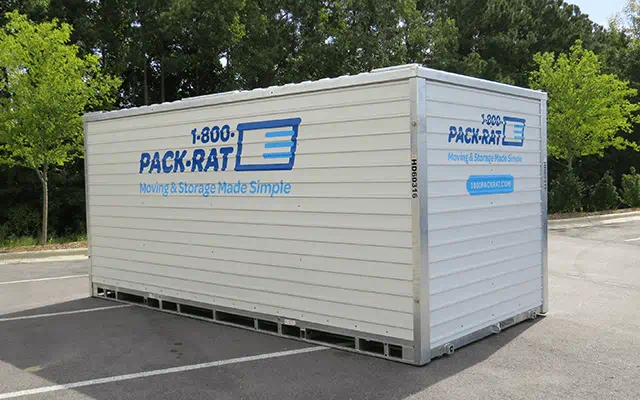
Whether you are moving locally across town or moving long-distance to a new state for your business, 1-800-PACK-RAT can help! Give us a call or go online for a free quote today and get started!
Frequently Asked Questions About Office Moves
How do I minimize downtime during an office move?
To minimize downtime, plan your office move outside of peak business hours, such as over a weekend. A detailed office relocation checklist, a dedicated moving team, and having your IT systems set up in advance are crucial. This ensures your business operations can resume quickly after the moving process is complete.
What are the most common mistakes when moving an office?
Common mistakes include starting the planning process too late, failing to set a realistic budget, and poor communication with employees. Failing to assign a project manager to oversee the relocation process or failing to clarify move-out requirements with the property manager can also lead to significant problems during an office move.
How can I organize my team to help with packing and disassembling?
Create a moving team with a project management lead. Assign a representative from each department to oversee their area. Provide clear instructions and packing supplies. Have employees pack their own personal belongings and workstations, while a designated team handles larger office items and furniture disassembly.
What are the first steps I should take when planning an office move?
The first steps are to review the lease for your old office, set a budget, and create an office relocation checklist. You should also begin researching new office space options, obtain quotes from service providers such as movers, and communicate with your current building management about your intended departure.
How can I minimize downtime during the office relocation process?
Minimize downtime by scheduling the main office move over a weekend. Ensure your new office space is ready with internet and phone lines activated before you arrive. A detailed plan for the relocation process will ensure a smooth transition and help your business operations get back online faster.
What packing materials and supplies are essential for an efficient office move?
Essential packing supplies include sturdy boxes in various sizes, packing tape, labels, and markers. You will also need bubble wrap and packing paper to protect fragile items. Having all your office supplies and materials ready before the moving date ensures an organized pack-up, from files to personal items.
- Moving Tips (133)
- Home Organization (27)
- News Releases (23)
- Packing Tips (21)
- Fun Stuff (19)
- Portable Storage (16)
- In the Community (11)
- Moving and Storage Tips (11)
- Storage Tips (10)
- Moving Checklists (9)
- Household Moving (7)
- Moving Company Comparisons (5)
- Moving on a Budget (5)
- DITY Move (4)
- Home Maintenance Tips (3)
- Home Buying and Selling Tips (1)
- Interstate Moving (1)


