

Expert Tips on How to Move Fish Safely
July 25, 2025
Key Highlights for Moving with Fish
- Ensure detailed proper planning for a smooth fish relocation process, avoiding unnecessary obstacles.
- Use essential equipment, such as fish nets, clean plastic tubs, and storage containers, for safe transportation.
- Maintain optimal water quality by saving a significant percentage of tank water to reduce harmful changes.
- Avoid common mistakes like exposing fish to extreme heat or direct sunlight during transit.
- Prioritize your fish’s comfortable environment by acclimating them appropriately in temporary homes to minimize stress.
Moving your aquatic pets is not just about picking up your fish tank and taking it to the new location. You need proper planning to maintain the right water chemistry, reduce stress for your fish, and ensure the new home is suitable for them. You must be careful with water changes and make sure their temporary homes are safe and comfortable. If you're moving nearby or far away, these careful steps help you maintain a healthy environment for your fish as you transition into your new home.
Understanding the Challenges of Moving Fish
Moving pet fish can be challenging, and many fishkeepers may not notice all the problems immediately. It is essential to maintain the water temperature at just the right level, monitor for harmful ammonia levels, and keep the water clean. Doing these things helps to keep your fish safe and well during the move.
When moving fish tanks, you must disassemble large equipment and handle delicate and breakable habitats. There is also a risk that the fish tank’s little world can be upset. You need to be careful and plan well so your fish do not get hurt and feel safe. Good planning helps you navigate these challenging parts and ensures your fish are okay throughout the moving process. Now, let’s talk about why fish react so quickly to changes like new water temperature or too much ammonia.
Why Fish Are Sensitive to Relocation
Fish are very sensitive and react quickly to changes in their surroundings. Moving them from one place to another can cause significant stress. This happens because changes in water parameters, such as pH, nitrite, and ammonia levels, can upset their balance. Even healthy fish can struggle to cope when these levels fluctuate.
If you upset their ecosystem, it can hurt not just the fish but also the other tank inhabitants. This includes the plants and the beneficial bacteria in the tank. For instance, if you remove the filter, ammonia levels often rise. When that happens, it creates a toxic spot for everything in the tank.
The actual move can also raise stress. Any bump or shake, like during travel, only adds to the problem. Some types of fish might get sick or hurt because their body’s defenses go down. That is why it is crucial to maintain a stable environment when relocating the fish. Doing so ultimately keeps them healthier.
Common Mistakes That Stress Fish During Moves
Many people who move their fish for the first time are unaware of the common mistakes that can occur. These errors can make the move more challenging for their fish, causing additional stress. Here are some common problems to watch out for:
- Exposure to direct sunlight: This can make the water too warm, which can quickly change the environment of their temporary or permanent tank solution. Keep them out of direct sunlight to avoid health and algae buildup.
- Ignoring water chemistry: When the fish are in water with changing parameters, it creates unsafe conditions for them. Keep a constant eye on water chemistry throughout the move and adjust as needed to maintain healthy levels.
- Subjecting fish to extreme heat or cold: Fish should not be in places where the water temperature goes outside what they are used to. This means both direct sunlight and room or environmental temperature are too high or too low.
If these things happen, fish may lose their appetite, exhibit odd behavior, or face severe health issues. Using the proper steps to monitor water chemistry, water temperature, and keeping a close eye on your fish during the move can help avoid these issues. Taking these safeguards means your fish will have a better and safer move.
Beginner’s Guide to Moving Fish Safely
If you are new to this, start by ensuring a comfortable environment for your water pets. You can use temporary homes, such as fish bags or plastic containers. These will ensure your fish is safe to move.
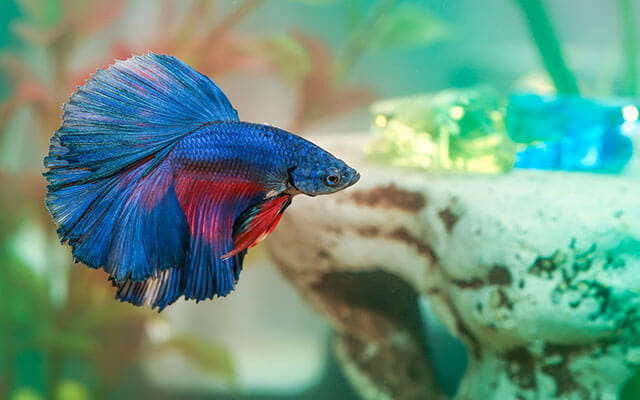
Ensure you have all the necessary equipment ready. This will help make the move faster and prevent your fish from becoming too stressed. If you save some tank water, pack all the things from the tank right, and check the conditions as you go, moving your fish can be easier than you think.
Essential Equipment and Supplies You’ll Need
Gathering the right tools will help you keep your fish safe when you move them. You will need these key supplies:
- Fish net: Use a soft-mesh, strong net to move your fish gently.
- Air pump: A battery-powered air pump helps maintain sufficient oxygen levels in the water when your fish are in another container.
- Bubble wrap: Protect your aquarium and other tank equipment during moving by wrapping them securely. Be thorough with your wrapping and preparation of the aquarium.
- Strong storage containers: Use containers with tight lids to move tank water safely. Avoid flimsy containers or boxes when transporting your aquarium and supplies. Plastic bins are also suitable for any live plants you have.
- Paper towels: A basic necessity for any move, but more important when moving fish to help clean up spills and other messes.
If you have these tools, you can address issues such as maintaining air in the water and protecting your gear. Your fish, live plants, and aquarium will be more likely to reach the new place in good shape.
Choosing the Right Containers for Transport
Selecting the right carriers is crucial to help fish move smoothly. You can think about these options:
- Plastic Bags: People often use these to carry fish. They also use pure oxygen inside for longer trips.
- Clean Plastic Tubs: These small tubs or containers are suitable for bigger fish. They provide peace of mind, knowing there will be no leaks.
- Local Fish Store Options: Many local fish store locations offer containers specifically designed for traveling short or long distances. If you need further advice or specific supplies for moving your aquatic pets, please visit or call to learn more.
When selecting containers, ensure there is sufficient space and that the lids fit tightly. This keeps the fish’s temporary homes safe. Proper planning will prevent water from spilling and provide a stable base while you travel.
Step-by-Step Process for Stress-Free Fish Relocation
Moving your fish takes care and attention at every step. You will need to keep things calm for your fish and avoid disturbing their environment as much as possible. Start by saving some of your tank water. This helps keep the water in their new home similar to what they are used to. Move your equipment in and get their new home ready ahead of time so they are ready to be placed in their tank as soon as possible.
If you follow a set process, it gets easier to move the fish. Start with getting the fish ready. Then, remove the items from your tank with care. After this, pack the tank securely so it remains safe during transportation. When you do these things, your fish become accustomed to their new home with less stress. Here are additional steps to ensure your fish feel well when they move.
Step 1: Prepare Your Fish Before the Move
Getting ready the right way is key if you want a stress-free move with your fish. Start to do partial water changes about two weeks before you move. This helps improve the quality of the tank water. It helps set up the fish in their tank so they can handle the move.
Adjust the feeding schedule according to your fish's needs. Stop giving them food for one day before you travel. When the fish do not eat before the trip, they make less waste. This prevents ammonia from increasing while the fish are being transported. Just be sure to have their food ready when they are placed back into their tank - they will be hungry!
At the end, get a siphon hose to pull out good, clean, dechlorinated water for the move. This water should go in your containers for the trip. It helps maintain the optimal water parameters and reduces stress for your fish.
Step 2: Remove and Secure Aquarium Accessories
Fish accessories are crucial for their comfort, so it is essential to remove them properly. Remove items such as ornaments, decorations, and live plants carefully to avoid damage. Check to ensure that there are no fish inside any of the items.
- Pack the decorations in a way that keeps them secure and prevents damage. This stops them from moving around and breaking when you move them.
- Keep your wet gravel and substrate. These help by keeping good bacteria for your fish in the future.
- Put live plants in bags filled with water. This keeps them wet and makes it less stressful for the plants.
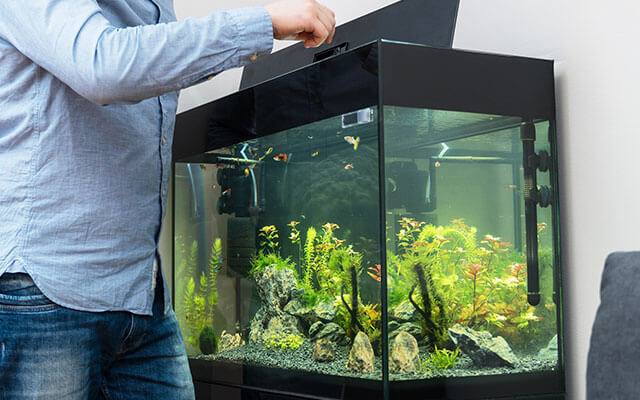
After you remove these, store them in a waterproof bin in case of spillage and secure them with bubble wrap or towels to prevent damage during transit.
Step 3: Safely Transfer Fish to Travel Containers
Moving fish safely is not easy and needs careful steps. Use a fish net to gently catch each fish, trying not to scare them. Other supplies or considerations include:
- Plastic Bags - Use large enough bags for your fish to travel in, and include pure oxygen inside the bag if the move is going to be a long one.
- Temperature Stability - Maintain as consistent a water and environmental temperature as possible for them during the move. Never place your fish in direct sunlight or leave them outside in the heat or cold.
- Air Pumps - Ensure you have a way to maintain the oxygen levels for your fish during the journey.
You can also "double bag" your fish using two plastic bags at once to provide extra security for your fish. When you use insulated containers, you get peace of mind and can worry less about leaks. Be gentle so that the fish stay healthy.
Step 4: Transporting the Aquarium or Bowl
Moving an aquarium takes care and planning, but you can do it the right way. After making the tank safe with bubble wrap, be sure to pack the substrate, decorations, and other lightweight items using suitable storage containers. Also, place the heater, filters, and any fragile items in a safe spot, so they do not get damaged during transit. This will help these parts work properly when you set everything up again.
Next, when it is time to load the tank and your equipment into the car or truck, check that everything stays level. Keep the aquarium away from things that could move or fall onto it. If you hit a bump or make a turn, the tank and its gear should not slide around and get hurt. If you move slowly and don't rush, the tank will be ready for its new location.
Once you bring the aquarium to its new home, remove the bubble wrap and inspect the glass for any cracks or damage. Set it down on a flat surface and place the substrate and all your gear, such as the filter and heater, inside the tank one at a time. Ensure every item is dry and clean before placing it. Then, refill the aquarium with water after you clean it in step 5. Give it some time to get back to its regular temperature before you fill it with life again.
Moving a tank can seem daunting at first, but with bubble wrap, storage containers, and proper care for your heater and substrate, the job can be done well and safely. Take your time
Step 5: Setting Up the Tank at Your New Location
Start by washing your new tank well with dechlorinated water. This step removes anything that could be harmful to your tank inhabitants. After that, set up the tank by putting in substrate, decorations, and live plants. These things help make the space feel suitable for your fish. Now, add treated water to the tank. Ensure the water temperature is ideal for the type of fish you have. Install the filter and heater early. This gives beneficial bacteria time to grow, which helps keep the tank a safe and healthy environment for all its inhabitants.
Step 6: Acclimating Fish to Their New Environment
Slowly acclimating fish to the new tank water is vital to keep them calm. Start with their plastic bags or storage containers, and put them in the tank. This helps the water temperatures match. It takes approximately 30 minutes to complete this task. Add a small amount of tank water to the bags every few minutes. This lets your fish adjust to new water chemistry. Monitor parameters such as pH and ammonia levels during this period. When the fish are ready, use a fish net to move them into their new home gently. This way, you give them a good place to settle in.
Special Tips for Short-Distance vs. Long-Distance Moves
Short-distance or local moves can be simple if you keep things easy for your fish. You can use clean plastic tubs or sturdy containers to help maintain steady water quality. Adding live plants helps make your fish feel safe and calm. This will reduce stress for them.
But with long-distance moves, you have to plan more. Maintain a steady water temperature by using insulated cooler bags. You can use bubble wrap around the containers to help keep the fish safe, too. Do water changes often to help stop harmful ammonia levels from building up. This will provide your fish with a safe and comfortable environment, both during short and long moves.
Adjustments for Local Moves
Preparing your aquarium for a move involves making adjustments to ensure your fish remain safe and happy. First, move the healthy tank water into some clean plastic tubs. Keep your essential equipment, such as air pumps and heaters, close at hand. This will help you maintain a steady water temperature. When you move, place live plants and decorations with the fish to make the environment more familiar. This can lower stress for your fish.
You should also watch the water chemistry often. This will help preserve the beneficial bacteria, preventing new tank syndrome once everything is set up in the new tank. Be cautious about ammonia and its harmful effects. If this builds up, it can be dangerous for the fish. Doing all of these things will make the move better for your aquarium and all the fish you have.
Precautions for Long-Distance Moves or Relocations
For longer moves, it's essential to plan well to ensure your fish have a smooth transition. Use clean plastic tubs for their temporary homes. Try to keep the storage containers from getting too hot or too cold by wrapping them with something. Place pure oxygen in each container, and monitor the water quality as you proceed. Harmful ammonia levels can increase rapidly when fish are being moved. Your tank inhabitants need to stay underwater, and you should work to prevent any loss of appetite. Maintain the water chemistry and add sufficient oxygen with an air pump. If you take these precautions, you and your aquatic friends will have peace of mind when they get to their new place.
Post-Move Care for Your Fish
Ensuring your fish have a stable and secure environment is crucial after relocating them to a new tank. First, you need to check the water parameters, like pH, ammonia, and nitrates. This helps you keep away problems like new tank syndrome. If you notice anything amiss, perform partial water changes. This helps maintain good water quality.

Provide your fish with a balanced diet and watch for signs of stress, such as a loss of appetite. When adding decorations and substrate, do so gently so the fish can become accustomed to their new tank. Ensure all essential equipment, such as heaters and filters, is functioning correctly. This will help create a safe and comfortable home for your fish.
Monitoring Fish Health After the Move
Regularly watch your fish's health after moving them into a new tank. This will help you spot problems early. Look for signs such as loss of appetite or unusual swimming patterns. These can be signs of new tank syndrome or trouble with the water parameters. Ensure routine checks are performed on water quality, including ammonia and nitrite levels, to provide a comfortable environment for the fish. Verify that the filter media in the tank is filled with beneficial bacteria. This helps your fish stay healthy and gives you peace of mind as they get used to their new tank.
Re-establishing Water Quality and Routine
Once the tank is in its new location, it is essential to establish the right water quality for your fish. Begin by performing partial water changes to reduce ammonia and nitrite levels in the tank. Make sure you use dechlorinated water. This will keep the beneficial bacteria safe. Always check water parameters, such as pH and temperature. This helps your fish feel at home in their new environment. Adding live plants or attractive decorations will provide the fish with places to hide and feel secure. This also allows them to get used to the new location and keeps the environment more natural. Just be sure to add these items in slowly so your fish can more easily acclimate to the changing environment.
Let 1-800-PACK-RAT Help Make Your Upcoming Move Easier
Whether you are moving fish or an entire family, moving can be tough, especially if you are forced to do it all in one day. Make your upcoming move simpler by choosing 1-800-PACK-RAT as your moving and storage partner.
1-800-PACK-RAT simplifies moving and storage by bringing the solution to you. Instead of the traditional means of renting a large moving truck or shuttling your stuff back and forth to a self-storage facility, everything is done on your schedule and terms. Here is how it works with 1-800-PACK-RAT: you schedule your preferred date, and we drop off a portable storage container at your home. You then take as long as you need to pack it, and when you are ready, we will come out, pick it up, and deliver it to your new home. Or we will place your container into storage at one of our secure 80+ nationwide facilities for as long as you need. It is really that simple.
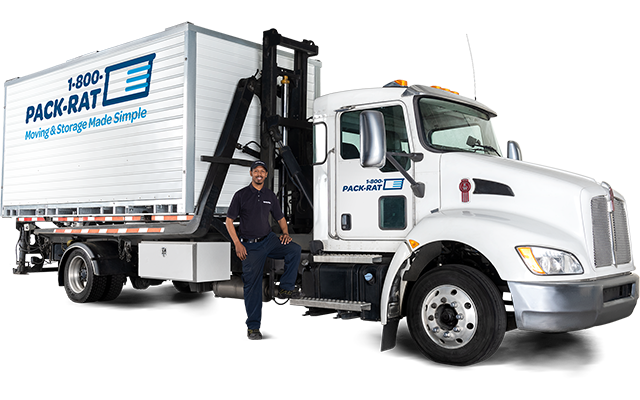
No driving is required for your local or long-distance move, as all your belongings are taken care of. We take the stress out of moving and storage so you can focus on more important things, like the comfort and safety of your aquatic friends! Give 1-800-PACK-RAT a call today or go online to get a free quote and begin your journey of making moving and storage simple!
Frequently Asked Questions About How to Move With Fish
How long can fish stay in a travel container?
Fish can usually stay in a travel container for about 1 to 3 hours. How long they can stay depends on factors such as water quality and temperature. If they need to be in there for a longer time, ensure there is sufficient air in the water. Try to keep the fish calm and reduce their stress to ensure they stay healthy during the trip.
Can you move a fish tank with water in it?
Moving a fish tank with water still inside can be risky for both the fish and the equipment. While you can do it, it is better to take out most of the water first. This will help lower the stress for the fish and make the move safer. Always prioritize the well-being of your fish and pets when relocating your fish tank.
What’s the best way to reduce fish stress during transit?
To help lower stress for fish when you move them, use a container with plenty of air in the water. Try to maintain a steady water temperature. It helps to move the container as little as possible and to make as little noise as possible near the fish. Keep the travel time as short as possible when you can. You can also use familiar decorations from the fish's old tank. This will help them become more accustomed to the new place.
Is it safe to transport fish in a car?
Taking fish in a car can be safe if you do it the right way. Use proper containers with sufficient water, maintain a steady temperature, and ensure there is enough oxygen present. Travel time should be as short as possible while minimizing sudden movements.
What supplies do I need to safely move my fish?
To move your fish safely, you need to obtain some supplies first. Ensure you have a suitable transport container that provides sufficient oxygen. You will also need some water conditioner. Be sure to have a siphon for moving water. Get a net that you can use to catch your fish. Some people also use an aquarium heater to keep a steady temperature. Using these basics will help make the move go easily for your fish.
Are there any specific regulations or guidelines to follow when moving fish across state lines?
When you need to move fish from one state to another, you have to check the rules for that area. Some states may require permits or health certificates. This is to prevent the spread of harmful plants, animals, and diseases. So, always look up what you need before you go. Doing this early can help you move your fish without any problems.
- Moving Tips (133)
- Home Organization (27)
- News Releases (23)
- Packing Tips (21)
- Fun Stuff (19)
- Portable Storage (16)
- In the Community (11)
- Moving and Storage Tips (11)
- Storage Tips (10)
- Moving Checklists (9)
- Household Moving (7)
- Moving Company Comparisons (5)
- Moving on a Budget (5)
- DITY Move (4)
- Home Maintenance Tips (3)
- Home Buying and Selling Tips (1)
- Interstate Moving (1)


