

How to Move With Plants: Essential Tips for Every Gardener
June 29, 2026
If you have a home full of houseplants and are planning to move soon, you might be asking yourself, “How am I going to move all my plants?” You put a lot of love and care into tending to your beautiful, green plants—the last thing you want is for any of them to get damaged or die along the journey to their new home. Thankfully, moving your houseplants does not have to be a daunting task!
All it takes is some planning, preparation, and tips from a moving company that aims to make moving simple for you. When moving indoor plants, especially when shipping them to a new location, you will need specific supplies and preparation to ensure your plants can withstand the journey of a local or long-distance move. Take a look at some of the best ways you can ensure a smooth transition for your houseplants.
How to Prep Your Plants Before Making Your Move
Preparing your plants and greenery before the move will ensure they survive the relocation. This step is crucial, especially when making a long-distance move. If you take the extra time and effort to protect your pots and plants and spot signs of stress early, you will get your leafy friends to your new home with no problems or get ahead of any issues that begin to pop up once you reach your new home.
Analyze Your New Home's Climate and Weather Patterns
This is also the time to take note of the new climate you are moving to and determine whether your plants can survive the move to their new home. The United States Department of Agriculture has a hardiness map you can use to see whether your specific outdoor plants can survive in this new climate.
If you are moving from the Northeast to Florida, for instance, the outdoor potted plants you had at your old home might not survive the area's heat. If you have your plants' original identification tags, be sure to keep them with your plants or have them somewhere you can easily access them for info on what regions they can survive in.
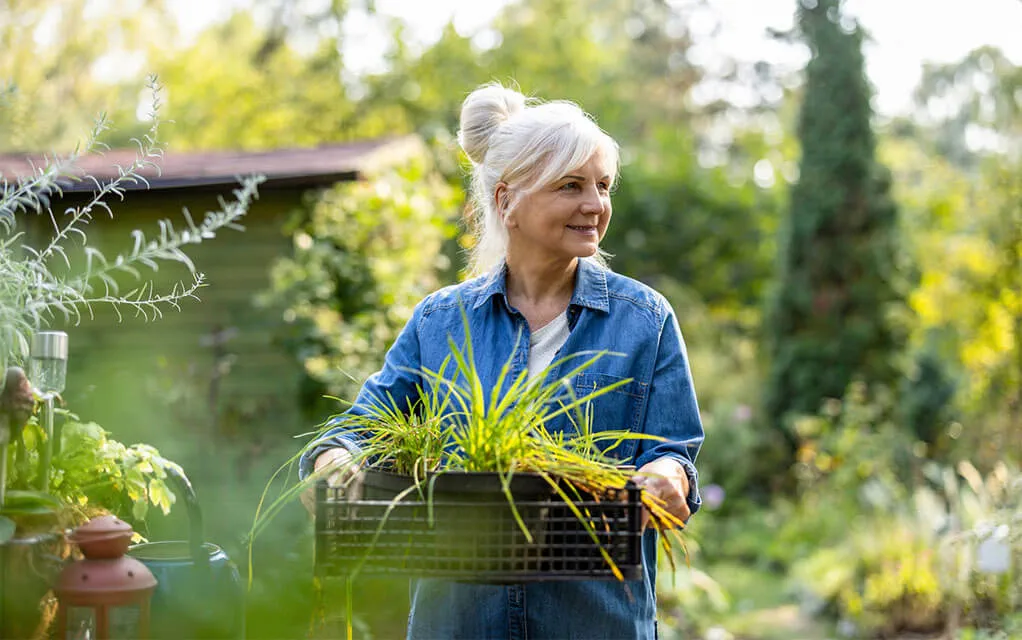
While your indoor plants will only need to adjust to a new environment in your home (adequate lighting and humidity control are also considerations), you will need to ensure that your outdoor plants can withstand the elements, including direct sun, at your new home before you move.
Use Practical but Sturdy Pots
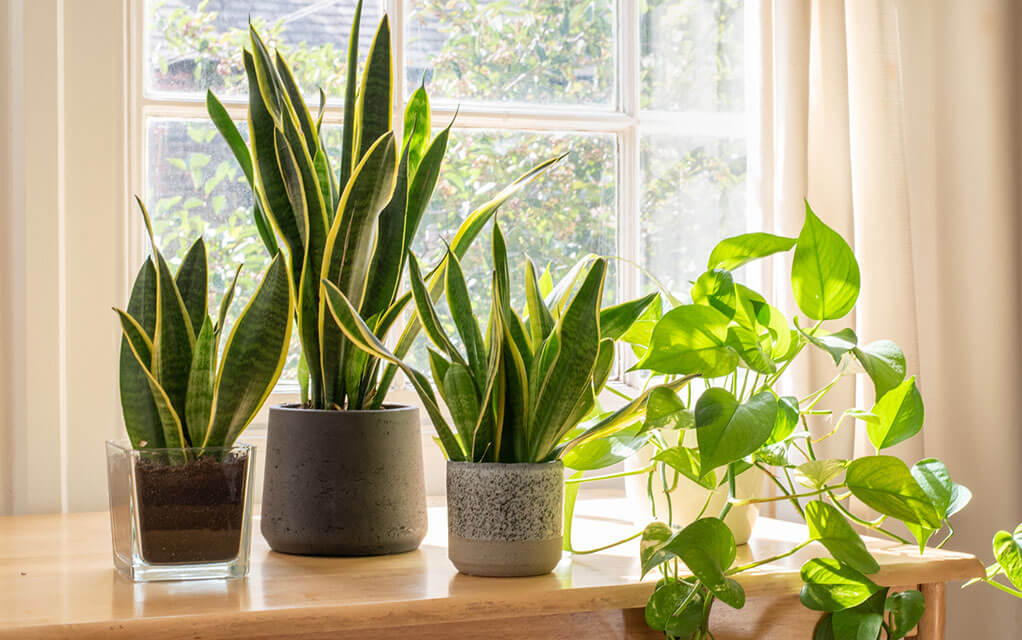
That vining pothos looks fantastic in your modern ceramic pot, but ceramic is fragile and needs to be packed differently than the plant. The last thing you need is for your plant's pot to be broken during the move, leaving you with soil cleanup and potentially a dead plant to deal with. It is recommended that you don't move plants in ceramic or highly breakable pots if at all possible.
If you can move your plants to plastic pots for the move, wrap your breakable and other heavy ceramic pots in paper and bubble wrap to prevent them from chipping, cracking, or shattering during the move. If you leave all your plants in nursery liners inside decorative pots, you can skip the repotting step.
Inspect Your Plants for Illness and Bugs
You should thoroughly inspect your plants for any pests or signs of illness before packing them up. Dust mites, thrips, mealy worms, scale, aphids, and other creepy crawlers can spread throughout your plant collection in the blink of an eye, especially when they are stored in close quarters. This would be the ideal time to clean the leaves (don’t forget the undersides) of each of your plants. This will help prevent any pest outbreaks during your move.
Be especially careful and inspect your plants for any insects, such as the spotted lanternfly or spongy moth, and dispose of them immediately; these insects are invasive and destructive to plants and native fauna.
Some states, like California, even require you to provide a written inspection form stating these insects are not present on anything you own when moving into the state. Ensure you comply with any state laws and regulations regarding houseplants and other items you are transporting to your new home state.
Prune Your Plants
When checking for pests and cleaning the leaves, evaluate if any of your plants can benefit from pruning. If you have any struggling vines or foliage, go ahead and chop those off. For larger plants or trees, trim back branches so they are manageable and won’t get tangled during the move. This can also be the perfect opportunity, if the plant you are pruning is capable, to take some cuttings of the plant that you can begin to nurse to promote root growth. These cuttings can be a good insurance policy in the event one of your plants doesn't make it to your new home.
Keep these cuttings in new containers with similar small plants to avoid damage. It may take them a while to become full-fledged plants, but having them in the event of plant loss can lessen the sting!
Be Mindful of Watering
When preparing your plants for a move, it's important to manage their moisture levels carefully. Avoid watering your plants on the actual day of the move—plan to water them about 1-2 days before transportation instead. This timing allows the soil to be adequately moist without being overly saturated.
If you water too close to moving day, especially during colder weather, wet soil can cause the roots to freeze, putting your plants at risk. In warmer conditions, excess moisture creates an environment where fungal infections can quickly develop. Overly wet soil is not just harmful for plant health—it also tends to leak or spill during transport, making a mess in your car or moving containers.

Aim for soil that is evenly moist but not soggy; it should feel slightly damp when you touch it but not leave water on your fingers. For larger potted plants, consider covering the soil surface with newspaper or plastic wrap, secured around the base of the stem, to help contain any loose soil during transit.
After arriving at your new location and once your plants have acclimated, check their moisture again and water as needed based on their condition and environment. This careful approach will help ensure that your plants arrive healthy and ready to thrive in their new home.
How to Handle Your Plants During The Move
Your plants should be one of the last things you pack for your move. The longer they can be in a spot with adequate airflow and sunlight, the better. However, you will eventually need to get them to your new home. Since you prepared your plants in the days leading up to your move, packing them should go smoothly.
Wrap Your Plants
Use packing paper or large plastic bags to wrap the entire plant. If you have ever ordered a plant from a nursery and had it shipped to your home long-distance, you know that most growers will wrap the base of the plant in a plastic bag to reduce the mess it can make. Go around the foliage and the pot to protect the whole plant and keep the soil from tumbling out when you move it. This will also give your plants much-needed stability and protection from cold temperatures if that is an issue during the move. If you are worried about bugs during the move, you can also loosely wrap tulle around the leaves and top of the plant to keep it safe.
Pack Your Plants in Boxes
You can carefully place your wrapped plants in an appropriately sized and sturdy box, using old newspapers or foam to keep them in place. As mentioned above, if you've ordered plants that've undergone shipping, you're aware that they are typically placed in boxes that fit their height and width. Try finding boxes that serve the same purpose, or visit your local nursery and ask whether they have such boxes or know where to obtain ones specifically designed for moving plants. Regardless, you'll want to choose a box that isn't much larger than the plant, so there is no room for it to shift around when you move it.
Maintain Air Flow
Leave the tops of the boxes open if possible. At the very least, poke air holes throughout the box so the plant can get good airflow while it is contained. Remember, a plant is a living organism that requires air to grow and thrive. If it doesn’t get enough airflow, you may find some of the foliage wilted or some mildew growth on the soil.
Caring for Your Plants After The Move
You've finally made it to your new home - congrats! Now is the time to carefully begin the unpacking process and place your plants in spots where they can thrive in their new space.
Unpack Your Plants Carefully
Once you get to your new home, there are a million things to do, but make unpacking your plants a priority. You want to unpack them as soon as possible so they can get much-needed sunlight, water, and airflow. If you have lots of plants to unpack, get them offloaded first and stage them in your yard (weather permitting) until you can unpack each one correctly.
Removing the Plant From Their Boxes
Removing your plant from its box or transport container is just as important as packing it correctly. Start by removing or cutting the tape off the bottom of the box. While this might seem counterintuitive, it allows you to remove the plant from the bottom of the pot, providing a secure, careful grip for transferring it to the box. Be mindful of any leaves that may get caught on the edges of the box, and never grab your plant by its branches or stalk, as this can seriously harm it. Take your time during the unpacking of your plants - rushing this process can cause unnecessary damage in the homestretch of your move.
Place Your Plant in a Suitable Location
When settling your plant into its new home, it's important to consider its specific light requirements. Some plants thrive in bright, indirect sunlight, while others prefer shady spots with minimal exposure. Choosing the right location from the start helps minimize stress and reduces the likelihood of transplant shock, which can occur when a plant is moved abruptly from one environment to another.
If possible, avoid relocating your plant frequently—especially species known for their sensitivity, like the ficus tree or peace lily. These plants may drop leaves or look droopy as they adjust to their surroundings. This temporary decline in appearance is usually not a cause for concern; with proper care and patience, most plants will bounce back after acclimatizing.
During this adjustment phase, inspect each plant closely for signs of pests such as spider mites or mealybugs, which may have appeared during transport. Check the undersides of leaves and stems for any unusual spots or sticky residue. Addressing pest issues early can prevent infestations from spreading to other houseplants.

Watering needs can also change after moving plants; some may require less water as they adapt to differences in humidity and temperature. Use your finger to check soil moisture before watering—overwatering stressed plants can lead to root rot.
Post-move is not an ideal time to fertilize because plants are focusing their energy on recovery rather than growth. Fertilization at this stage could overwhelm them and exacerbate stress symptoms. Instead, give your plant time to adjust to its new environment by maintaining a consistent watering routine and monitoring it regularly for any changes in its health.
Once your plant has settled and shows signs of new growth or stability (usually after several weeks), you can gradually resume fertilizing according to its seasonal needs. By following these steps, you’ll help ensure a smooth transition for your indoor greenery and encourage healthy long-term development.
Let 1-800-PACK-RAT Make Your Upcoming Move Simpler
We hope these tips help as you prepare your houseplants for your upcoming local or long-distance move!
If you need assistance with an upcoming move or require storage, give 1-800-PACK-RAT a call! Our portable moving and storage containers are ideal for your needs, allowing you to pack and store your belongings at your own pace and on your own schedule. Here's how it works: you select your preferred date, and we will drop off a container at your home, where you have as much time as you need to pack it at your own pace. Then, when you're ready, we'll come out and pick it up, deliver it to your new home, or store it in one of our 90+ locations across the country. No driving necessary on your part!
Let us help make your moving and storage needs simple today! Contact us by phone or online to receive a free quote and get the process started!
Frequently Asked Questions About How to Transport Plants for a Move
How do you prepare a plant for moving?
To properly prepare a plant for moving, begin by watering it approximately 24 hours before your planned move. This ensures the soil is moist—supplying adequate hydration for the journey—but not overly wet, which can lead to root rot or make the pot heavy and messy. Carefully inspect your plant and trim away any dead or damaged leaves and branches. Not only does this reduce the plant's stress during transit, but it also encourages healthier growth once it's settled in its new location.
It's essential to check for pests such as aphids, spider mites, or fungus gnats before transporting your plant. Treat any infestations promptly to prevent them from spreading to other plants during the move.
Next, secure the pot by wrapping tape around it or placing a plastic bag over the top of the soil, gently tied at the base of the stem. This helps prevent soil from spilling out if the pot tips or shifts. For added protection, wrap ceramic or fragile pots in bubble wrap or old towels.
Place the potted plant in a sturdy box that provides enough room so it won't tip over but isn't so large it slides around. Filling extra space with packing paper or towels can cushion the plant during bumps along the way. Make sure to label the box as "Fragile" and "This Side Up" so movers know to handle it with care.
If you're moving long-distance or in extreme temperatures, try to keep your plant in a climate-controlled part of your vehicle rather than in an unheated trunk or exposed truck bed, especially during cold weather. Once you arrive at your new home, unpack your plants as soon as possible and give them time to acclimate before resuming their regular care routine.
Should I prune my plants before moving them?
Pruning your plants before moving them can be beneficial. It helps reduce stress during the transition, encourages healthier growth, and minimizes damage to leaves and stems. Only trim dead or damaged parts, avoiding excessive pruning that can hinder their recovery in a new environment with various plant species.
How do I minimize shock when relocating plants?
To minimize shock when relocating plants, it’s important to gradually acclimate them to their new environment. Begin by placing your plants in a shaded or partially shaded area for several days to allow them to adjust before exposing them to direct sunlight. This gradual transition helps prevent sunburn and stress from sudden changes in light intensity.
Make sure to water the plants thoroughly before the move, as hydrated roots are less susceptible to transplant shock. Try to avoid extreme temperature fluctuations—don’t move plants during the hottest part of the day or when nighttime temperatures are unusually low. If possible, relocate your plants during mild weather conditions.
Additionally, handle the roots gently and keep as much of the original soil around them as possible to minimize root disturbance. After relocation, monitor your plants closely for signs of stress such as wilting or yellowing leaves. Continue watering regularly but avoid overwatering, which can lead to root rot.
You might also consider using a diluted fertilizer or root stimulator after moving to help support recovery and encourage new growth. By following these steps and giving your plants time to adapt, you’ll reduce the risk of transplant shock and help ensure a healthy transition into their new home.
How do I pack plants for moving?
When preparing to move plants, it's important to take a few extra steps to ensure their health and safety during transit. Begin by watering your plants the day before the move, but avoid overwatering, as excess moisture can cause root rot or make the boxes soggy. Choose sturdy cardboard boxes with ventilation holes; proper airflow helps prevent overheating and reduce moisture buildup.
Place each plant upright in its container and use cushioning materials such as packing paper, bubble wrap, or newspaper around the pots to keep them stable and absorb shocks during transport. If relocating larger plants, you may want to gently wrap their leaves in paper or plastic sleeves to protect them from damage and prevent soil spillage.
Don’t pack plants too tightly—adequate space between them lets air circulate and minimizes the risk of bruising. If possible, transport delicate or valuable plants in your own vehicle rather than a moving truck, especially if temperatures are extreme.
Be sure to label each box clearly with “Live Plants” so movers know to handle them with care. You can also include arrows indicating which side is up. Upon arrival at your new location, unpack your plants promptly and give them time to acclimate before watering again. This careful approach ensures your plants remain healthy and vibrant throughout your move.
- Moving Tips (133)
- Home Organization (27)
- News Releases (23)
- Packing Tips (21)
- Fun Stuff (19)
- Portable Storage (16)
- In the Community (11)
- Moving and Storage Tips (11)
- Storage Tips (10)
- Moving Checklists (9)
- Household Moving (7)
- Moving Company Comparisons (5)
- Moving on a Budget (5)
- DITY Move (4)
- Home Maintenance Tips (3)
- Home Buying and Selling Tips (1)
- Interstate Moving (1)


