

The Ultimate Moving Out of State Checklist Guide
July 30, 2025
Making a long-distance or cross-country move is a complex process, and you should begin preparing at least a couple of months before your moving date. The keys to a successful move include preparing necessary supplies, selecting reliable vendors, and creating a comprehensive moving checklist that covers every step of the moving process.
At 1-800-PACK-RAT, we believe in making moving and storage simple. That includes helping you plan and execute your upcoming move to perfection, from start to finish. While other moving companies will force you to make all of your plans and hard work happen over the course of a day or two, 1-800-PACK-RAT gives you as much time as you need to plan, prepare, and pack at your own pace.
Here is our massive cross-country move checklist to help you make your move, from 60 days out to the day of your move. You can also download our moving checklist as a template to help you get started!
60 Days Out From Your Moving Date
Start Creating a Moving File Dump
Once you have planned your cross-country moving date, it is time to create a place to gather all relevant information, such as moving company comparisons and details about your kids’ new school. Whether that is on your computer, phone, or in a notebook is entirely up to you. Having a living folder or something similar is best to keep all your moving information readily accessible - the key to a successful move is staying as organized as possible.
Begin Crafting Your Moving Budget
This will be vital going forward and will set the entire stage for the rest of your move. Consider everything from whether or not you are going to hire professional movers or if you are moving yourself, if you are going to use a portable moving and storage company like 1-800-PACK-RAT, or if you will rent a truck, etc. Map out everything you might have to spend money on for your move, including food, gas, and other travel expenses. Once you have a realistic budget, you can begin vetting moving companies.
Preliminary Sorting of Your Belongings
It is never too early to start evaluating what you will take with you and what you will decide to leave behind, donate, or sell. If your move includes serious downsizing, start planning what you will get rid of and keep. Just starting that conversation with your family is a good start. You will also want to start gathering your moving supplies, such as boxes, tape, padding, etc. Moving boxes, tape, blankets, furniture pads, and other essential packing supplies are invaluable and should be obtained early on to get a head start on the packing process.
Look at the Schools in Your New City
If you have children, start looking for the local schools they can attend in your future community. You don't want to wait until the last minute to research school options, especially if the area you are moving to already has issues with school choice. Also, don't forget to obtain school records and transcripts for your children, as you may encounter issues with their enrollment without them.
Begin Your Moving and Storage Company Research
Once the budget is set and all your preliminary concerns are settled, you can begin your search for cross-country movers to get the best deal. Careful planning is essential as the first step when selecting the most cost-effective option for you and your family; however, consider each option's distinct advantages and disadvantages.
Moving truck rentals may seem inexpensive, with claims of being “$19.99” to rent, until you consider the per-mile charges that add up significantly, especially in a long-distance move. You must also load and unload yourself, working on a short timetable to return your rental while paying for fuel and potentially hotel rooms on top of driving a large, unfamiliar vehicle.
On the other hand, 1-800-PACK-RAT works by giving long-distance moving customers 30 days to fill their portable storage containers, and you can leave the driving to us—it is really that simple! We even have a space calculator you can use to estimate how many containers you will need for your move. When compared to other portable storage container companies, our containers are the superior choice: our containers are made of all-steel, which resists the elements and the absorption of moisture which can lead to mold and mildew creation, and feature barn-style doors, which are harder to break into and won't jam in the case of a contents shift compared to our competitor's roll up doors.
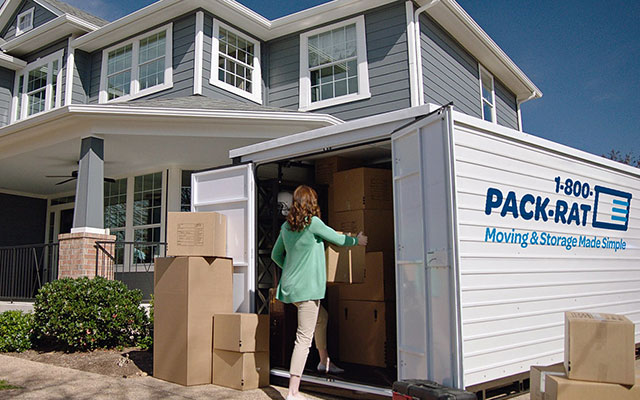
We know how big of a decision it is for everyone, so call or go online to get more information from the companies you are vetting.
Determine Any Storage Needs You Might Have
Start thinking about whether you can foresee the need to store your stuff during or after your move. Snafus with closing dates or utilities can cause move-in dates to shift. If you have chosen the moving truck or full-service mover route, you will have to scramble to find a traditional storage area, drive stuff there yourself, and unpack, only to repack everything all over again later. This can make moving across the country far more difficult than it should be.
This is another area where 1-800-PACK-RAT can excel, as our portable moving and storage containers can be delivered directly to one of our nationwide secure storage facilities and kept for as long as you need—no extraneous driving or last-second plan changes! Consider portable storage when making your moving partner choices.
30 Days Out From Your Moving Date
Begin the Search for New Medical Providers
If you haven't already scoped out a new doctor, dentist, vet, etc., in your new city, now is the time to do so. In many cases, these specialists will require documents proving who you are and medical records for your medical history. Be sure to take at least an afternoon to get those important documents in order and another afternoon or evening to pick out new potential specialists.
Check For Your Essential Services Providers
This includes cable, internet, and even cellular options. These service providers for your old home may not service the new area you are moving to. Some cable and internet companies may be unavailable, or your current cellular carrier may not have cell towers in your new city. Call those companies to confirm and start looking for new service providers to help your new place feel like home if they do not. Work out any transition processes and new address changes to avoid service disruptions while contacting them.
Continue Packing for Your Cross-Country Move
If you haven't started, now is the time to pack non-essential items and gather all essential financial records in one place. So, you can begin to pack any items you will not need or access over the next month (seasonal décor, holiday dishes, etc.). As for financial records, you might need to access them in a pinch, so having them in one place could be helpful later on.
Ensure Your Insurance Policies are Up-to-Date With Your New Address
Call your provider to begin the process of transferring your insurance. Some companies might do insurance differently than others, so be sure to call and find out. Also, consider looking into moving insurance or contents protection plans to cover all of your belongings during the move. It might be expensive, but it can save you some headaches if the worst happens.
Begin Plans to Raid the Pantry
One thing that will be difficult to transport is your food (check out our blog on how to move food during your move here). Begin planning meals with some of the food in your pantry or freezer. As a result, you'll save money on eating out and have less to take.
Get Your Change of Address Completed
Now is the time to look into getting your change of address form completed. You don't need important mail delivered to your old address, so this process will help redirect that mail. The United States Postal Service has a section on its website specifically for address changes, so be sure you do this before your move happens to avoid as many incorrect mail deliveries as possible.

In the meantime, contact any company you receive mail from regularly and inform them of the address change, especially banks, credit card companies, and loan companies, etc. Don't trust that the mail forwarding will capture all of the mail sent from the vendors you work with. Updating your address is the best way to ensure most of your mail gets to the correct location and can cut down on identity theft attempts.
Update Your Information and Return Any Rentals
If you have any outstanding rentals, return them to the company/organization before packing everything up in earnest. You don't want them to get mixed in with your belongings and incur a hefty late fee. Also, be sure to update your voter registration for your new address. If you are moving to a new state, ensure you find out their procedures, as each state varies in how and when you can update such information.
Essential Notifications – Utility Companies and Landlords
Notify your utility companies of your move - some require about 30 days to cancel services, so you do not get charged improperly. Additionally, notify the utilities in your new city to have services turned on when you move in. If you have a landlord, be sure to let them know that you will be moving out. Typically, 30 days' notice is required before you are charged an additional month's rent.
14 Days Out From Your Moving Date
Start Mapping Out Your Cross-Country Moving Journey
Whether you are utilizing professional movers, portable containers, or making the move yourself, you will need to start planning how you will get to your new home. This involves deciding which vehicle (if you are driving) to pack everyone into, considering any additional services, and ensuring it is ready for the trip.
Get your route mapped out as well, and plan out any stops you might need to make ahead of time. If you are flying out, do not delay getting plane tickets any longer if you haven't already!
Keep Your Move's Receipts Organized
This will keep your financial information safe and accounted for, and you can even use your bill of lading to claim a deduction on your taxes next year. It's also good practice to keep track of your moving expenses for budgeting purposes and ensure you pay only for the requested services.
Finalize Your Packing Process
Now is the time to pack more of your belongings, leaving just enough to survive the next two weeks. This includes any clothes or outfits you will not wear, kitchenware you will not use, electronics, etc. Pack these now so you only have to move and coordinate over the next week.

Consider creating a packing inventory list or sorting system. This can mean color-coordinating boxes to compare to a list of where those boxes should go or just writing on the box where it needs to go once unpacked. Either way, this will help eliminate the common issue of boxes being unpacked months after your move-in because they get lost somewhere in a closet.
Secure Your Stored Valuables
If you have any jewelry or valuable items, such as precious heirlooms, in safety deposit boxes or secured elsewhere, consider taking them out now. You can find a secure place to keep them while packing and then personally move them yourself. Avoid mixing them with other items; instead, handle them yourself to prevent any issues.
Clean Your Old Home as You Pack
Even if you aren't moving out of an apartment or rented space, it is a good idea and proper etiquette to leave the place as clean as you would want to find it. Once you clear a room, do a once-over and clean it up. This will save time and reduce stress on the days right before your move if the cleaning up part is minimal. If you live in an apartment or rented home, cleaning as you go can help you retain your security deposit, which you might have put down. Most landlords will refuse to refund this if they have to pay for cleaners.
Recycle Any and All Hazardous Items Now
Almost all moving companies prohibit moving objects like propane tanks and other pressurized containers/toxic, and caustic items. Locate the nearest hazardous disposal facility near you and dispose of these items now, and avoid any issues on the day of your move or beyond by packing prohibited items. Some of these locations may have odd hours, so you might need to devote an afternoon to the task. Be sure to get a list of prohibited items from your moving provider early on to avoid any issues during or after your move.
Get Your Vehicles Serviced and Ready
Moving long distances can wear out your personal vehicles, so be sure to schedule maintenance checkups before your move. If you want to avoid driving your vehicle, there are trusted third-party auto transport services you can work with to get your car(s) where you need them.
If you are moving to a new state, you should also address all of your vehicle's legal concerns, including your car insurance, registration, and license plate setup. For example, some states require vehicles registered there to have both a front and rear license plate; otherwise, you could be stopped by the local and state authorities and cited. Your driver's license will also need to be updated with your new address or issued entirely new.
Get Your Homeowners Insurance Policies Updated
This includes your homeowners or renters' insurance. Call your homeowners/renters insurer and transfer the insurance to your new home. Rates may change based on your new area, so be prepared for that.
Fill Your Prescriptions and Find a New Pharmacy
If you are on any prescription medicine, now is the time to fill them to ensure you have all you need for your move. Look into finding a new pharmacy in your new city (or transfer your prescriptions to a new location if you utilize a chain store) to avoid issues with filling them once you move in.
7 Days Out From Your Moving Date
Get All of Your Belongings Packed for Your Move
Now is the time to start packing everything that hasn't been loaded yet, including any fragile items you may have. You are getting close enough to the final date where you shouldn't have to leave anything but the bare essentials unpacked. Leave out some outfits, toiletries, and other necessities, and pack the rest. Be sure to label boxes and keep a general inventory of where everything is to make your unpacking process easier at your new home.
Contact Your Moving Company to Confirm Your Moving Date
Follow up with your moving services provider a couple of times during the final week before the move. This ensures that nothing has changed, gives you peace of mind, and keeps your moving company partner on top of things. Confirm the time and date of your move, as well as any details or questions you might have about the process. If you are using any third-party vendors like auto shippers or professional labor providers, confirm your moving date and details with them as well.
Cancel, Delay, or Redirect Any Package/Mail Deliveries
If you've ordered something online or are expecting vital mail, cancel the delivery or contact the company to redirect your item. If it is an important delivery, don't count on the Postal Service's change of address service to make the change, as they cannot always catch everything that is sent. Contact the sender directly, as time is of the essence.
Begin Cleaning Your Old Home
This is probably more applicable to your kitchen if you have been cleaning as you have been packing over the last few weeks. Start by clearing out your cabinets, pantries, and, most importantly, your fridge. This could become a messy project, especially if it hasn't been cleaned in quite a while.

Try working on this mini project 5-7 days before your final move date. That should give you enough time to clean out the fridge, eat/throw away any food, and disinfect or wash it out. Wash, rinse, and repeat (literally) for the other rooms in the house while fixing any spots that require touchups or filling and fixing holes.
Plan for Anything During Your Move
Map out your move-out day. Plan your wake-up time and the tasks you'll have for the day. Have a contingency plan in case your movers/container delivery is later or earlier than expected. While you don't need to over-plan for this, just be sure to have something to fall back on in case something goes wrong, and make sure to exchange contact information with your movers for any urgent communication.
Monitor the Weather for Your Moving Day
Keep track of the weather leading up to the final date of your move, especially during the summer. About three days out is a reasonable timeframe for knowing what the weather will likely be. Have a contingency plan, especially during the summer, as pop-up storms and showers can happen on a whim. Having a portable moving unit delivered before your move helps mitigate many weather issues, as you can pack at your own pace earlier in the process!
The Day of Your Move
Get Up On Time
Getting up early is never fun, but on a day like today, it is imperative that you do so. Be sure you have plenty of time to tidy up, have a little breakfast, and begin to tackle your long-distance move head-on. A good start to the day is a critical component of a successful move.
Do a Final Check of the Rooms in Your Home
People can get into a hurry on moving day and forget items in their closets or on shelves. To avoid this kind of incident, simply do a final walk-through of your old home and check for any left-behind items. Check your cabinets, bathroom drawers, etc., for anything that you might have forgotten or overlooked.
Treat Your Moving Helpers Well
If you have hired professional moving help on your moving day, be sure to tip well and have water or snacks on hand for them. They will undoubtedly work a little harder to ensure you have a pleasant move if they know you are trying to look after them. If you're relying on family and friends, be sure to have a plan in place for providing them with food and drinks as well.
Protect Your Soon-To-Be Old Home's Flooring
If you have drop cloths or cheap shower curtains, now is the time to use them. Prevent scratches on your old hardwood floors and keep dirt off the carpet during your move. It is essential to do this if it is raining out, whether it is a DIY move or you have movers. Don't leave a mess for the new owners.
Have Your "Essentials" Bags Ready
Be sure to have a bag of essentials for each family member ready to go – clothing, toiletries, favorite toys, etc. That way, you can quickly shower and freshen up either at your new destination or at a hotel along the way without digging through your packed stuff or just going without. If you are unable to carry this with you personally, consider packing this box or bag last in your container so it is the first item you unpack at your new home.

Move Smartly and Efficiently
The pressure will be on, especially if you opted for a traditional moving truck option and are up against the clock to return it before incurring fees. Try your best to keep a level head and move with purpose – it is easy to make mistakes when frazzled. If something goes wrong, keep in mind your contingency plans or take a moment to cool off and view the situation as objectively as possible. If you hire a good moving partner, much of the stress will be off your shoulders from the start! Don't forget to use essential moving supplies like bubble wrap for extra protection during your move.
Make 1-800-PACK-RAT Your Long-Distance Moving & Storage Partner
We hope this moving cross-country checklist helps you plan your cross-country move with precision! 1-800-PACK-RAT is here to help everyone looking to make a move, whether you are moving locally or long-distance. Many of the tasks mentioned above can be made simpler by utilizing our portable moving and storage containers.
Instead of renting a truck or hiring a long-haul carrier that is on its own timetable and could be sharing space with another mover, 1-800-PACK-RAT simplifies the process. Here’s how it works: We bring a portable container to your door that you can pack at your pace for up to 30 days—no worrying about weather the day of or rushing to pack and load everything in a single day into a rented moving truck!
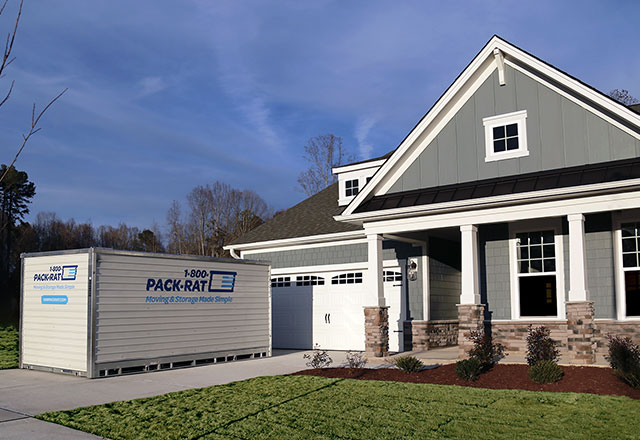
Compared to the competition, 1-800-PACK-RAT stands out, thanks to our efficient moving and storage services. We bring the solution to you, and when you are ready, we will pick up the container and deliver it to your new home or store it for as long as you need. We can handle all of the driving and logistics so you can focus on other parts of your move.
Let us help simplify your upcoming move today. Call us or go online for a free quote, get answers to any questions you might have, and see the 1-800-PACK-RAT difference for yourself!
Frequently Asked Questions About Preparing for a Long-Distance Moving
How should I plan for long-distance moves?
To effectively plan for long-distance moves, start by creating a detailed moving out-of-state checklist. Include tasks like researching moving companies, organizing belongings, scheduling utility transfers, and notifying the post office of the change of address. This organized approach ensures a smoother transition and minimizes stress during the relocation process.
What do movers consider long-distance?
Movers typically consider long-distance moves to be any relocation exceeding 100 miles. This distance can vary by company, but generally, moving out of state is regarded as long-distance due to the logistical challenges and regulations involved. Always confirm with your moving service for their specific definitions.
What is the first thing you should pack when moving?
When moving out of state, the first thing you should pack is any items you won't need immediately. This includes seasonal clothing, extra linens, and decor. By starting with these non-essential items, you can systematically declutter and make the packing process smoother as your move date approaches.
What is an easy way to organize a moving plan for a long-distance move?
When moving out of state, a well-organized spreadsheet can be invaluable. It should include essential tasks like budgeting, timelines, and packing lists to ensure a smooth transition. Additionally, consider adding important contacts and resources for your new location to streamline the process further.
Is there paperwork or forms I need to fill out before moving to a new state?
When moving out of state, essential paperwork includes updating your driver's license and vehicle registration, notifying the USPS of your address change, and ensuring your health and car insurance coverage transfers. Additionally, gather important documents like birth certificates and medical records to facilitate a smooth transition to your new home. You should also ask your mover or check the official government website for the state you are moving to to see if there are any forms or documents you need to fill out before moving. For example, if moving to California, there are invasive insect forms you will need to complete before your move.
Your mover or the state itself should be contacted for any questions about what you will need.
- Moving Tips (133)
- Home Organization (28)
- News Releases (23)
- Packing Tips (22)
- Fun Stuff (19)
- Portable Storage (18)
- Storage Tips (12)
- In the Community (11)
- Moving and Storage Tips (11)
- Moving Checklists (9)
- Household Moving (7)
- Moving on a Budget (5)
- DITY Move (4)
- Moving Company Comparisons (4)
- Home Maintenance Tips (3)
- Home Buying and Selling Tips (1)
- Interstate Moving (1)


