

The Essential Long-Distance Move Checklist Guide for Moving Day
July 21, 2026
Key Highlights of Your Long-Distance Moving Day Checklist
- A long-distance move goes better when you start early and follow a clear moving checklist.
- Careful planning helps you manage your moving budget, paperwork, and timing before the big day.
- The right packing supplies, smart labeling, and room-by-room packing make unpacking easier at your new home.
- Important documents, medical records, and contact information should stay with you for easy access.
- Moving day runs smoother when you prepare your old home, confirm your moving company, and pack essentials separately.
- Portable storage containers can simplify loading, delivery, and unloading during a cross-country move.
A long-distance move can feel exciting and stressful at the same time. You are heading to a new home, but you also have a lot to manage before moving day arrives, and even more to juggle on the day of your move. That is why careful planning matters so much, and when you break the process into simple steps, it becomes easier to stay calm and stay on track. Check out our guide, which gives you a practical checklist, with extra focus on what to do right before and during moving day.
Planning Your Long-Distance Move: Getting Started
To plan for the day of your move, you have to start at the beginning, and the best long-distance move starts with careful planning . If you wait too long, even small tasks can pile up fast. A simple moving checklist helps you see what needs to happen first, what can wait, and what should stay on your radar all the way to moving day.
One quick tip for getting started: maintain a moving binder. Whether you choose a paper folder or a digital format on your laptop or phone, you’ll have an organized space to keep receipts, quotes, timelines, and notes together. When your moving schedule and budget are established, managing the rest of your plan becomes more straightforward.
How to move long distance: setting your moving timeline
Start early. For a long-distance move, a good rule is to begin planning at least eight to twelve weeks ahead. That amount of time gives you room to compare options, gather supplies, and sort through your home without rushing. If you are moving to a new state, early planning also helps with address changes and driving records.
Next, break the big move into smaller time blocks. Set tasks for eight weeks out, six weeks out, four weeks out, two weeks out, and the final week. This step-by-step checklist keeps the process simple and gives you clear deadlines instead of one huge to-do list.
Then focus on packing order. Start with things you rarely use, like seasonal items and décor. Leave daily-use items and essentials for last. Careful planning makes each step easier and helps you avoid stress on the day of the move.
Budgeting for your relocation
Before making any reservations or commitments for your move, it’s essential to construct a detailed moving budget. Start by listing all expected expenses, including packing materials (boxes, tape, bubble wrap), travel costs (fuel, flights, lodging if necessary), storage fees for items that won’t immediately fit in your new space, insurance to protect your belongings during transit, and an emergency fund to cover unexpected situations.
Long-distance moves typically range from $2,500 to $5,000, but the final cost can vary widely based on factors such as the distance between homes and the size of your household. By creating a clear budget early in the process, you’ll be able to make informed choices about which services you need and what you can afford.

When comparing moving companies, always request a written estimate—many reputable movers offer free quotes. These estimates help you see the total expected cost upfront and avoid surprises later on. Make sure to review what each quote includes: Does it cover loading and unloading services? Is storage available if there’s a gap between move-out and move-in dates? Are specialty items like pianos or antiques covered?
It’s also wise to anticipate extra or hidden costs. Moves often come with last-minute changes—such as rescheduling fees if your closing date shifts—or added charges for additional supplies and labor if you end up moving more items than planned. Build some flexibility into your budget for these possibilities.
Ultimately, knowing exactly what you can spend will help you select customizable services that fit both your needs and finances. Careful budgeting before moving day ensures fewer surprises and helps keep stress levels down throughout your relocation journey.
Creating a moving checklist for success
To ensure a smooth and organized moving experience, creating a comprehensive master moving checklist is essential. By keeping this checklist inside your dedicated moving binder, you centralize all important information—such as tasks, receipts, contracts, and appointments—which reduces stress and saves time when searching for details. This approach helps prevent last-minute surprises and forgotten items.
Your moving checklist should be structured to cover every phase of the move, starting several weeks in advance and continuing through moving day itself. Begin by outlining major milestones: booking movers or rental trucks, collecting packing supplies, notifying landlords or real estate agents, and arranging childcare or pet care if needed. As you progress closer to the move date, break down larger tasks into smaller actionable steps—like labeling boxes by room or color-coding them for easier unpacking.
For better organization, set deadlines for each task on your checklist. Mark off completed items as you go to maintain momentum and clearly see what still needs attention. Keep a separate short list of urgent priorities at the front of your binder for quick reference.
In addition to the key items already mentioned, consider adding these important tasks to your checklist:
- Notify the post office of your change of address and update your address with banks, subscriptions, medical providers, schools, and any other relevant institutions.
- Arrange for cleaning services at both your old and new home if necessary.
- Take photos of valuable items for insurance purposes before packing them.
- Defrost and clean out the refrigerator/freezer at least 24 hours before moving day.
- Set aside basic cleaning supplies so you can tidy up after everything is loaded onto the truck.
- Plan meals around perishable food in the weeks leading up to your move so nothing goes to waste.
Remember to keep important documents—such as birth certificates, passports, financial records, and medical information—in a secure folder that remains with you during transit rather than being packed away. Also double-check that utilities (electricity, water, internet) are scheduled for shutoff at your current residence and activation at your new one.

Finally, prepare an essentials bag containing toiletries, medications, chargers, snacks, a change of clothes, basic kitchen tools (like a coffee maker or kettle), and bedding if needed for the first night or two in your new place. This will help make those initial days more comfortable while you’re still unpacking.
By following an organized master checklist tailored to your specific needs and timeline—and keeping everything neatly stored in one binder—you’ll minimize oversight and maximize peace of mind throughout the entire
Essential Paperwork and Documentation
Paperwork can slow a move down if it is not organized early. Important documents should stay together in one folder or pouch that travels with you, not inside a packed container. That includes IDs, account details, school papers, and anything tied to your move.
You should also keep updated contact information handy. Add phone numbers for utility providers, healthcare offices, schools, and your moving contacts. Medical records and your driver’s license deserve extra attention, especially if you are crossing state lines. Here is what to organize before moving day.
Important documents to organize before moving day
One easy way to stay in control is to gather your important documents before you start heavy packing. Put them in one folder, envelope, or zip pouch and keep that item with you. This is one part of your moving checklist that should never be boxed up.
Think in terms of essential records you may need right away. If you are switching doctors, schools, or banks, having copies ready can save time later. Medical records are especially helpful to carry with you in case of an emergency during travel or right after arrival.
Your file should include:
- Photo ID, passport, and driver’s license
- Medical records, prescriptions, and vaccination information
- School records and transcripts
- Banking details and contact information for key accounts
- Moving paperwork, estimates, and service agreements
Keep both paper copies and a digital version when possible. That extra backup can make a stressful day much easier.
Updating driver’s license and vehicle registration
One of the most commonly overlooked tasks on a long-distance moving checklist is updating your driver’s license and vehicle registration. Each new state has its own rules, and some give you only a short window after crossing state lines. If you wait too long, you may face fines or other issues.
Check the DMV website for your new state before you move. Look for deadlines, required documents, and whether you need an in-person visit. Some states also require updates to your car insurance, so this task may affect more than one record.

Do not leave this until weeks after you arrive. Add it to your first-week list now. When you handle your driver’s license and vehicle registration early, you avoid last-minute stress and settle into your new state with fewer loose ends.
Changing your address with banks, schools, and healthcare providers
When you move long distance, your change-of-address list needs to be bigger than just the post office. Banks, schools, doctors, and service accounts all need your updated contact information. If you miss one, bills, records, or time-sensitive mail can end up in the wrong place.
Try to handle these updates before moving day. That gives companies time to process your new address and lowers the chance of missed notices. It also helps your first weeks in the new place feel more organized.
Make sure you notify:
- Banks and credit card companies
- Schools, daycare providers, and colleges
- Doctors, dentists, and healthcare providers
- Utility providers and home service companies
This is one of the most important tasks before moving day because it protects your records, keeps billing accurate, and helps services start and stop on time.
Packing Strategy for a Smooth Move
Packing gets easier when you follow a simple system. Instead of boxing everything at once, gather your packing supplies first and work in small sections. A steady pace gives you better control and helps protect your belongings during a long trip.
Smart packing tips also save time when you arrive. Use packing paper for empty spaces, keep fragile items cushioned, and label boxes clearly. The better your setup now, the faster you can settle in later. Let’s look at supplies, room-by-room packing, and easy box labeling.
Moving tips for gathering packing supplies
Good packing starts with the right packing supplies. If you gather everything before you begin, you can pack faster and avoid stopping halfway through a room. This is one of the best tips for packing efficiently for a long-distance move.
Start with basics, then add extra protection for breakables and specialty items. You can buy new materials or look for free moving boxes in your area to save money. Just make sure used boxes are clean and sturdy enough for the trip.
Helpful supplies include:
- Boxes in several sizes
- Packing paper and bubble wrap
- Packing tape and markers
- Furniture pads or moving blankets
- Protective covers for mattresses
- Plastic bags for loose parts and cords
Keep your supplies in one central spot while you pack. That simple habit cuts down on wasted time and helps each room move along faster.
Efficiently packing room by room
One of the easiest packing tips is to work room by room. That keeps similar items together and makes it easier to unpack in your new home. It also helps you see progress, which matters when the full move starts to feel overwhelming.
Begin with rooms you use less often. Pack things like books, guest room items, seasonal clothes, and decorations first. Save daily-use spaces, like the kitchen and bathroom, for later. This order keeps your home usable while you prepare.

As you pack, keep each box focused on one area or purpose. Strong box labeling helps you know what belongs where, and it makes unloading much smoother. When you avoid mixing random items from different rooms, your unpacking process becomes simpler, faster, and less stressful.
Labeling boxes for easy unpacking
If you want unpacking to go well, label boxes as you pack them, not later. This sounds small, but it is one of the most useful packing tips in any long-distance plan. Clear box labeling also helps you spot missing items faster.
Keep your system simple and repeatable. Write the room name, a short contents list, and any special handling notes on more than one side of the box. You can also number boxes and keep a matching inventory list in your binder.
A strong labeling system should include:
- Room destination, like kitchen or bedroom
- Basic contents, such as dishes or winter coats
- Notes like fragile or this side up
- Box number that matches your inventory list
When you label boxes clearly, you save time, reduce confusion, and make the first day in your new place much easier.
Downsizing and Decluttering Before the Move
A long move is a good time to cut back on what you own. Decluttering before you pack means fewer items to load, fewer boxes to track, and less to unpack later. It can also help lower costs if the size of your move affects the final price.
Think of downsizing as part of your fresh start. You do not need to bring everything with you. When you organize your belongings now, your new home feels easier to set up and easier to enjoy from day one.
Deciding what items to take and what to leave
Decluttering is one of the most overlooked parts of planning, yet it can make a huge difference. Before you move long distance, walk through each room and decide what still fits your life, your space, and your new home. If you do this early, packing becomes much simpler.
Use four groups: keep, sell, donate, and trash. Start with one room at a time so the process feels manageable. Furniture, tools, attic items, and old décor are often easier to leave behind than to move across the country.
Pay extra attention to specialty items. Some belongings may have different requirements for packing, storage, or handling. If an item is bulky, rarely used, or easy to replace, it may not be worth bringing. Less clutter means less work, fewer costs, and a smoother move overall.
Donating, selling, or recycling unwanted belongings
Once you sort your things, act on the piles quickly. Unwanted belongings can take over your space if they sit around too long. Moving them out early gives you more room to pack and keeps your home from feeling chaotic in the final weeks.
A simple step-by-step approach works best. First sort, then schedule pickup or drop-off, then remove the items before your main packing days begin. This keeps your progress visible and supports that fresh start feeling.

Use these options:
- Try selling furniture, equipment, or décor in good condition
- Choose donating for usable items you no longer need
- Use recycling for paper, electronics, or other accepted materials
- Throw away broken or unsafe items
- Ask for a tax receipt if you donate qualifying goods
The sooner you clear unwanted belongings, the easier every other moving task becomes.
Preparing Your Essentials Bag
Your essentials bag is one of the most important parts of a long-distance move. It holds the items you will need right away, so you are not opening box after box on your first night. Think of it as your short-term survival kit.
Keep this bag or essentials box with you for easy access. Do not pack it inside a container. Include daily basics, chargers, medications, and important documents. A well-packed bag makes delays, long travel days, and late arrivals far easier to handle.
What to pack in your essentials bag for the first nights
What items should you pack in an essentials bag for your long-distance move? Focus on anything you would need during travel and through the first few nights. Your essentials box should cover basic comfort, health, and simple routines until the rest of your things are fully available.

Keep these items close by, not packed away. A suitcase, tote, or backpack works well. If you are traveling with family, each person may need a small bag, plus one shared bag for household basics.
Good essentials include:
- A few days of clothes and pajamas
- Toiletries, soap, and towels
- Medications and a first aid kit
- Chargers, laptop, and key devices
- Important documents and wallet items
- Toilet paper and basic personal items
You can also add coffee supplies, bedding, and anything your family uses every day. Easy access matters more than perfect packing here.
Special considerations for kids and pets on moving day
Moving day can be extra hard on kids and pets. Noise, open doors, and routine changes can create stress fast. If you want to reduce stress, prepare their comfort items and daily needs ahead of time instead of scrambling for them at the last minute.
Try to keep routines as normal as possible. Feed pets on schedule, keep breaks predictable, and let children know what the day will look like. For furry friends, updated records and a calm travel setup can help a lot.

Pack these items separately:
- Favorite toys, blankets, or comfort items
- Snacks, drinks, and simple meals for kids
- Pet food, water, litter, or leash supplies
- Medications and vaccination records
- A plan for a sitter if the day will be too busy
Small comforts can make a big difference when everything else feels new.
Portable Storage Containers - The Easiest Way to Move Long Distance
Portable storage containers, like those from 1-800-PACK-RAT, can make a long-distance move more flexible and less chaotic. You can pack on your own schedule, keep your items together, and arrange delivery and pickup around your timeline. For many households, that means less rushing and better control over the process compared to other traditional methods, like renting a large moving truck you have to pack and drive all at once to avoid fees.
Still, a portable moving container works best when you plan ahead, especially if you are moving during the typical busy season of April - July. You need enough time for loading, clear access for delivery, and a safe setup for heavy lifting. The next steps cover scheduling and smart loading so your moving container works for you.
Scheduling your portable storage container delivery and pickup
One of the best tips for reducing moving day stress is setting your portable storage container schedule early. As soon as you know when you are looking to begin packing for your move, schedule your portable container delivery with 1-800-PACK-RAT. The earlier you schedule, the more likely you are to get your container delivered on your preferred date. As mentioned before, if you are planning to move between April and July, getting this process done as soon as possible is highly advised, no matter what moving company you opt to go with.
Be sure to confirm delivery and pickup dates well before the final week - no moving company that is legitimate should have any issue with you confirming these things prior to your moving date. That gives you more control and helps you avoid rushed packing, loading problems, or scheduling conflicts.
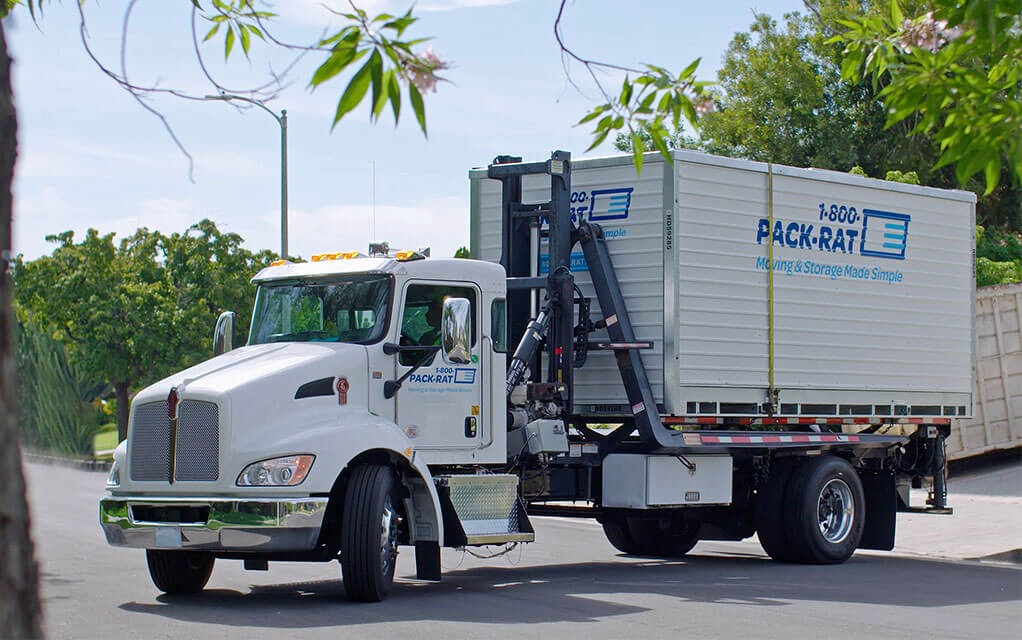
If you decide to work with 1-800-PACK-RAT for your move, we will help coordinate any timing, access, or special site needs in advance, as well as how you would like to have your container positioned. Our patented mini-mover system can expertly place your container exactly where you need it to be, even in a tight space!
As your container delivery date gets closer, remember that with 1-800-PACK-RAT, you get as much time as you need to pack, and we will pick up your container only when you want us to. We can place it into storage at one of our secure nationwide warehouse locations for safekeeping, or we can begin delivering it to your new home immediately. We make the logistics simple because long-distance moving can be tough and you have other things to take care of!
Loading containers safely and efficiently
Loading containers the right way protects your belongings and makes better use of space. Start with a plan before the first item goes in. Good packing tips matter just as much here as they do when boxing up a room. Use our guide to pack your container so everything gets packed away just right!
Some quick tips include placing heavy items on the bottom and lighter items on top. Keep weight balanced across the floor of your container - unbalanced loads in your container can cause it to potentially sway during the moving process, which can lead to contents shifting inside. Group similar boxes together, and cushion fragile items so they do not shift during travel. If you have help, assign one person to direct loading containers and track what goes in.
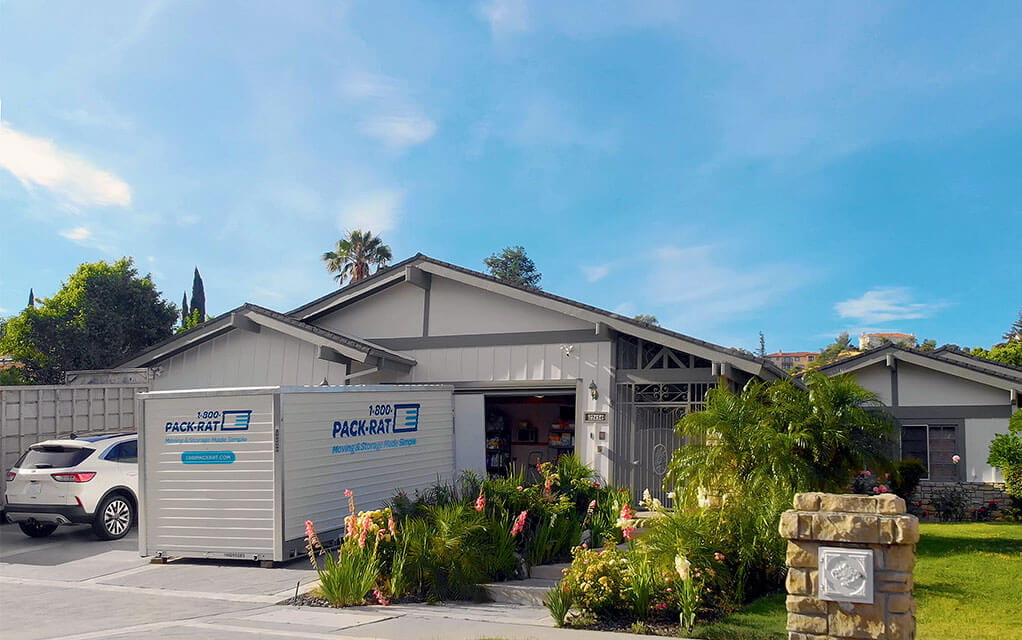
Use these safety basics:
- Put heavier boxes and furniture in first and on the bottom
- Keep fragile items protected and upright
- Fill gaps so boxes do not slide around with towels, blankets, pillows, etc.
- Avoid stacking too high with unstable items
- Use care during heavy lifting and always seek help when moving heavy items
- Keep an aisle down the middle if possible, as this can give you an easy way to access your stuff quickly
A well-loaded moving container saves time and lowers the chance of damage! If you'd like to see how much our containers can carry, check out our space calculator to see how much you can fit into one of our containers. You can also download and fill out this weight estimation sheet to ensure your packed stuff stays within the weight threshold our containers can safely carry. Additionally, if you need professional labor assistance for loading and unloading your stuff, junk removal to get rid of clutter, or auto transportation services for your vehicles to make the long-distance trek, we have trusted third-party companies who can help!
Moving Day Checklist: Must-Do Tasks
Moving day is where all your prep work pays off. It can still feel busy, but a clear checklist helps you move from task to task without losing focus. This is the big day, so keep your binder, phone, keys, and essentials close.
You also need time for final checks at the old home. A last-time walk-through, quick cleaning, and lockup matter, especially if you want your security deposit back. The next sections focus on schedule control, home prep, and last-minute cleanup.
Day of move tips for managing your schedule
On the day of the move, start early. Give yourself extra time for breakfast, final packing, and quick problem-solving. Even a well-planned move can run into delays, so a calm start is a good idea. Rushing at the beginning often creates stress for the rest of the day.
Keep your moving checklist nearby and use it in real time. Check off each task as it happens, from confirming arrival windows to packing the last personal items. This gives you peace of mind because you can see what is done and what still needs attention.
It also helps to set mini time goals. Aim for a final bathroom check by one time, a kitchen check by another, and a full walk-through before you leave. A simple schedule keeps the day moving and helps you stay in charge instead of reacting to chaos.
Preparing your home for movers or loading crew
To prepare your home for movers on moving day, clear pathways first. Make it easy to move through doors, halls, and stairs without tripping over loose items. Whether you are using professional movers or handling a DIY moving setup with loading help, space matters.
Next, get large furniture ready. Remove cushions, secure loose parts, and set aside items that should not be packed with everything else. If certain pieces have different requirements, make a note of that before loading starts. This saves time and reduces confusion.
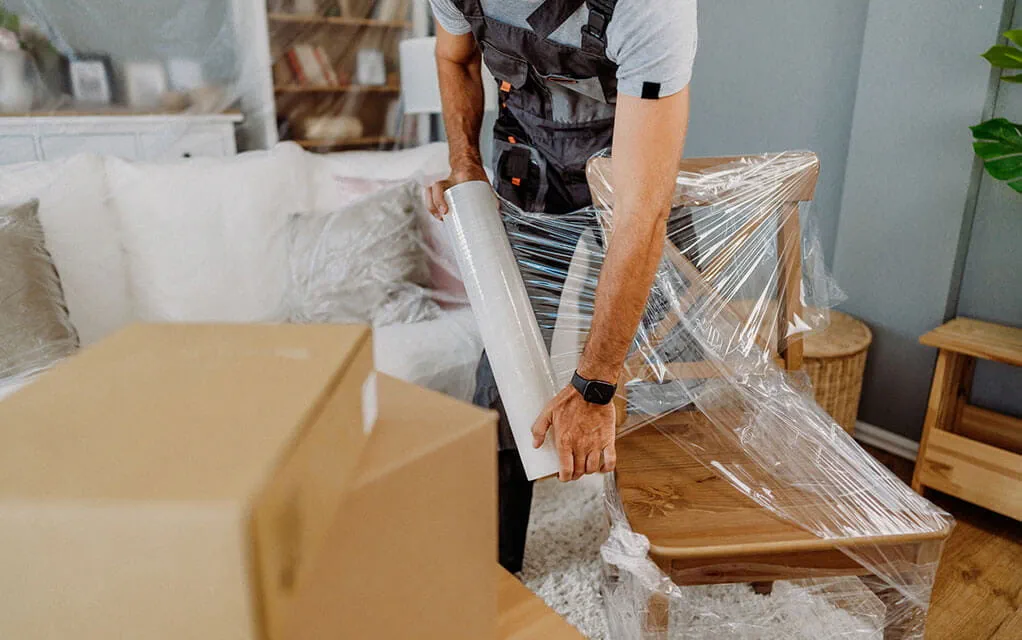
Finally, keep your old home organized until the last item is out. Pack perishables separately, keep valuables with you, and make sure your labeled boxes are easy to identify. A prepared space helps the loading crew work faster and helps you avoid mistakes on an already busy day.
Last-minute cleaning of your old home
Before you leave for good, give your old home one final sweep. This last-minute step matters more than people think. It helps you leave the space in good shape, avoid forgotten items, and improve your chances of getting a full security deposit back if you rented.
Use this closing checklist when you are ready to leave your old home:
- Check cabinets, drawers, and closets for left-behind items
- Wipe counters, sinks, and bathroom surfaces
- Remove trash and leftover food
- Turn off lights, close windows, and lock doors
- Return keys or arrange handoff
Keep a small kit of household cleaners out until the end. Wipe key surfaces, empty trash, and check every room, closet, and cabinet. You do not need a deep clean at this stage if you already handled most of it, but you do need a careful final pass.
Arriving at Your New Home
Arriving at your new home marks an exciting milestone, but there are still important steps to ensure a smooth transition. Before you dive into unpacking, it’s wise to thoroughly inspect each room for any damages or maintenance issues that may have been overlooked. Make a quick checklist of things like working lights, running water, functional appliances, and secure doors or windows. This helps identify anything that needs immediate attention and prevents surprises later.
Next, confirm that essential services—such as electricity, water, internet, and gas—are set up and functioning. If you haven’t already transferred or activated these accounts before moving day, contact providers as soon as possible to avoid disruptions. Having reliable utilities is crucial for both comfort and safety in your new space.
Setting up essentials first can make settling in much easier. Start with the basics: assemble your bed so you have a place to rest after a long day; stock the bathroom with towels, toiletries, and toilet paper; and arrange kitchen supplies for easy meal preparation. If you brought an “essentials bag,” keep it accessible so you don’t waste time searching for must-have items like chargers, medications, important documents, or snacks.

When your moving container arrives with the rest of your belongings, resist the urge to unpack everything immediately. Sort boxes by priority—begin with items necessary for daily living and leave non-urgent possessions until later. Use labeled boxes to place belongings directly in their designated rooms; this saves time and keeps your new home organized from the start.
If you have fragile items or electronics requiring special handling, unpack these carefully to avoid damage. Position larger furniture pieces where they belong before smaller items crowd the space. Keeping walkways clear as you work makes moving around safer and more efficient.
Take breaks when needed and pace yourself throughout the process—the goal is not just speed but creating a comfortable environment quickly without feeling overwhelmed. As each essential task is completed, your surroundings will become more familiar and welcoming. Gradually unpack decorative items or seasonal belongings once basic needs are met.
Lastly, consider introducing yourself to neighbors if possible; knowing people nearby can help you feel more connected in your new community. Once settled in enough to relax, reward yourself for all the hard work—a cozy meal or quiet evening can help transform your new house into a real home.
By following these practical steps after arrival, you’ll ease the transition into your new residence while reducing stress and maintaining order from day one.
Setting up utilities and checking your new residence
The best way to make sure utilities are ready before moving day is to contact utility providers well in advance and schedule service for a few days before you arrive. Once you reach your new home, confirm everything is working instead of assuming it is.
Check your electricity, water, gas, internet, and trash service right away. If something is off, having account numbers and contact details handy will save time. This is one reason your paperwork folder should stay easy to reach throughout the move.
It is also smart to walk through the new residence before you settle in. Test lights, locks, smoke detectors, and major appliances. In a new area, those early checks help you feel more secure and make sure your essential services are ready for daily life.
1-800-PACK-RAT Can Assist With All of Your Long-Distance Moving Needs
A successful long-distance move hinges on careful planning and execution, especially on moving day. With the right planning, tips, and mover, you can minimize stress and ensure a smooth transition to your new home. That is where 1-800-PACK-RAT can help!
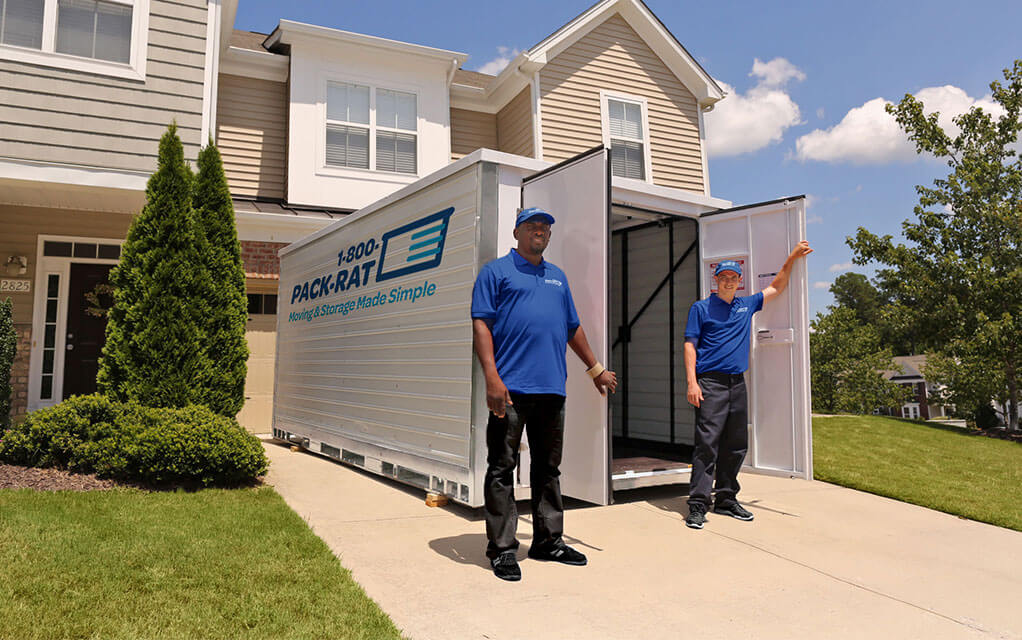
With over 20 years of moving and storage experience, we have seen it all. No matter your situation, our portable storage containers save you time, effort, and stress, making moving far easier than traditional methods. No other mover can deliver an all-steel, weather-resistant container that you can pack on your terms, coupled with exceptional customer service from start to finish.
Let us make your upcoming long-distance move easier by handling all of the hard stuff for you! Give us a call or get a free quote to get the process started today!
Frequently Asked Questions for Long-Distance Move Checklist Items
What are some commonly overlooked moving checklist tasks for long-distance moves?
When preparing for a move, it’s easy to overlook several important tasks that can make the transition smoother and less stressful. Commonly missed items on moving checklists include updating your change of address with the post office, banks, credit card companies, and any subscription services. Carrying vital documents—such as birth certificates, passports, medical records, and insurance papers—with you (rather than packing them away) is crucial in case you need quick access.
Another frequently forgotten task is checking driver’s license deadlines; some states require an updated address within a certain timeframe after relocating. Doing a final sweep of your old home ensures nothing is left behind—check closets, basements, attics, and garages for overlooked items.
Budgeting for your move often misses hidden costs. Many people don’t account for additional supplies like boxes, packing tape, bubble wrap or specialty containers. Temporary storage fees or last-minute changes (such as needing extra movers or trucks) can also add unexpected expenses. It’s wise to build extra room into your moving budget to cover these surprises.
Other commonly neglected tasks include transferring utilities (electricity, water, internet), notifying schools if you have children, and updating pet registrations. Remember to dispose of hazardous materials properly and clean both your old and new homes before settling in. Taking the time to prepare a comprehensive checklist—and double-checking it—can help reduce stress during your move and ensure nothing falls through the cracks.
What should I do if my belongings arrive after I move in?
If your belongings arrive late, rely on the essentials you kept with you, such as clothes, toiletries, chargers, medications, and a first aid kit. Stay in touch with the moving company or portable storage container provider, and focus on setting up the basics in your new home for peace of mind.
What are the best tips for reducing moving day stress during a long-distance relocation?
Use a moving checklist, start early, and keep your essentials bag with you. It is also a good idea to confirm times and contact details with your moving company before the big day. Clear pathways, packed basics, and a final walk-through can lower stress in a big way.
How can I ensure that my utilities and services are set up at my new location before moving day?
When preparing for a move, it's essential to contact your utility providers—such as electricity, gas, water, internet, and trash collection—ahead of time and arrange for activation at your new address several days before you arrive. This helps ensure that you won't experience any gaps in essential services when settling into your new home.
To streamline the process, keep all account numbers, confirmation details, and contact information organized in a moving binder or folder. Having these documents handy will allow you to quickly verify setup or resolve any issues if needed. As part of your packing strategy, make sure this paperwork is packed last or placed somewhere easily accessible—like in a personal bag or designated "essentials" box—so you can reference it right away during the move-in process.
Additionally, consider making a checklist of all utilities that need to be transferred or activated. Confirm installation dates with each provider and ask about any required appointments or fees. Double-check that services like heating and cooling are operational before arrival, especially if you're moving during extreme weather months. Taking these steps will help guarantee a smooth transition and minimize stress on moving day.
- Moving Tips (133)
- Home Organization (28)
- News Releases (23)
- Packing Tips (22)
- Fun Stuff (19)
- Portable Storage (18)
- Storage Tips (12)
- In the Community (11)
- Moving and Storage Tips (11)
- Moving Checklists (9)
- Household Moving (7)
- Moving on a Budget (5)
- DITY Move (4)
- Moving Company Comparisons (4)
- Home Maintenance Tips (3)
- Home Buying and Selling Tips (1)
- Interstate Moving (1)


