

How to Move Locally: Tips for Making a Local Move
February 28, 2025
Updated on August 10, 2026
Key Highlights for Moving Locally
- Moving locally can be less stressful than long-distance moves, but it still requires significant planning.
- Understanding the basics of local moving involves determining the type of move, estimating your moving costs, and managing logistics.
- Preparation is key. Gather necessary packing supplies, organize your belongings, and handle essential services like setting up utilities in your new home.
- A step-by-step approach ensures a successful move, from creating a moving checklist to securing local movers.
- Following these tips will help you be more prepared and informed throughout your move, regardless of your moving experience level.
Making a local move into a new home or neighborhood is an exciting time. However, the moving process can be a bit scary, even if you are going a short distance. There is a lot to think about, from packing your things to organizing what needs to be done. Plus, changing homes can stir up many emotions, making it easy to feel stressed and out of control during your move.
We at 1-800-PACK-RAT want to help, so we created a local moving guide to cover the basics. It offers helpful tips and insights to make your move easier. Whether you choose to hire professional labor assistance or do it yourself, our advice will give you the knowledge and confidence you need to make your local move as simple as possible, including using our portable moving and storage containers for ultimate flexibility over your move.
Understanding the Basics of Local Moving
Before you pack your first box, it’s essential to understand the basics of local moving. This knowledge helps you plan well, budget correctly, and make good decisions during the process.
One of the first things to figure out is what a local move means and whether your move fits that definition. Depending on the service you use, the distance you travel may affect the timing of your move and the delivery date of your container if you choose to work with 1-800-PACK-RAT. You will also want to consider your budget and learn how pricing works with local moving companies. Finally, remember that managing logistics is very important, so finding a company that can assist with or even handle all of the logistics for you is vital.
What Constitutes a Local Move?
Generally, a local move means moving within 50 miles or within the same city/region. However, the definition of a local move is not just about distance. The type of move matters, too. For example, moving within the same city is usually seen as a local move. On the other hand, moving to a different city in the same state could be considered an intrastate or long-distance move.
Knowing these differences is important because they affect the way you are charged and the rules related to your move. Local moves may cost you by the hour if you opt for a traditional moving truck company, while intrastate moves could be based on miles or weight. Plus, local moving companies usually know the specific rules and needs for moves in their area. That is why working with a national chain that doesn't have a local presence or facility in the area can lead to unnecessary challenges.

Be sure to ask your mover any questions you might have so that you are fully confident in your ability to handle your move. We here at 1-800-PACK-RAT are happy to assist with any questions you might have. Moving companies that don't have a dedicated customer service team or refuse to answer your questions are massive red flags.
Estimating Your Moving Costs and Budget
Estimating your moving costs is essential before making any decisions about hiring movers. The cost can fluctuate significantly based on factors like the distance of your move, the volume of your belongings, whether you're considering a DIY or using a professional laborers approach for your moving services, the time of year you move, etc. Creating a comprehensive moving budget helps avoid financial surprises, allows for informed decision-making, and can give you peace of mind when planning your move.
When formulating your budget, consider expenses like transportation and fuel for yourself, packing supplies, potential storage fees, and optional services like packing and unpacking assistance. Research local moving companies to obtain accurate estimates and compare pricing. Don't hesitate to ask for detailed breakdowns of their charges to ensure transparency and identify any potential hidden costs. Also, take into account the costs of your time and energy!
"Time is money" is a famous saying, but when you are moving, it can be a very apt saying. Taking time off from work or spending large amounts of free time using a less-than-flexible solution like a moving truck can be a significant hindrance, especially if you have to make your local move happen all in one day to avoid fees. That is why 1-800-PACK-RAT gives you all the time you need to pack your stuff at your pace - we respect your time and understand the importance of not feeling stressed out when moving. Learn more about the costs involved when you move with 1-800-PACK-RAT!
Managing the Logistics of a Local Move
Navigating the logistics of your move is very important for a stress-free time. First, create a realistic timeline and build out plenty of time to complete major tasks. This should include packing, contacting utility companies, and booking container delivery and movers. Having a set schedule helps you stay organized and ensures you cover every task.
If you want to hire local movers, find companies that have a good reputation. Look for ones with excellent customer service and read online reviews - especially reviews with comments from the company. Every company will have its share of unhappy customers, but how the company responds and tries to make things right counts. You can also ask friends or family for suggestions if they have moved recently. After choosing a company, make sure to confirm the moving day details. This includes arrival times, insurance coverage, and any other needed services.
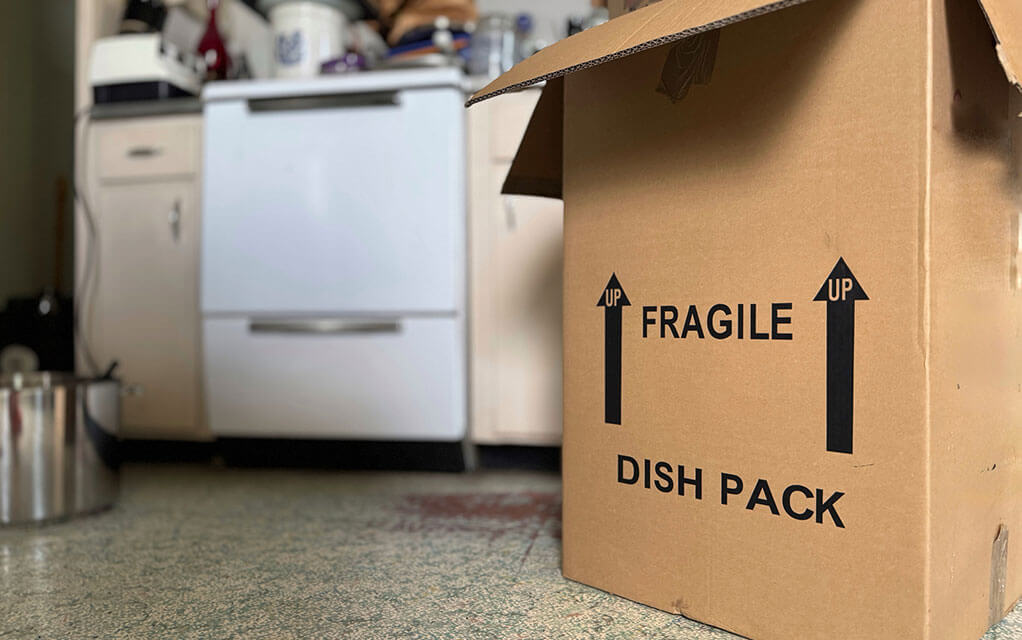
If you decide to use professional labor to help with your packing and loading, make sure to tell your movers what you expect. Give them specific instructions for handling fragile items, and write on the boxes in large letters, "FRAGILE," so the movers know what is inside. It is also helpful to label your boxes by room and provide a list of everything you have. This will help make the moving process smooth and efficient for you and your moving helpers.
Preparing for Your Move: A Beginner's Guide
Proper preparation is key for an easy local move. It helps you transition smoothly into your new home. This means you need to gather packing and moving supplies and organize your belongings carefully well in advance of your moving day.
Take a smart approach as you start this process. A good first step is to declutter and sort your items by room, or however you'd like to pack your stuff. Keep only what you really need and use. After decluttering, collect your packing supplies. Then, create a good system for packing and labeling your boxes efficiently - doing it by room is a good way to organize your stuff.
Gathering Necessary Supplies for Packing
The right packing supplies are essential for keeping your belongings safe during a move, especially if you plan to use a portable storage container. Start by figuring out what you need based on how many items you have and what kind of items you have. You will need strong boxes in different sizes for things like books, kitchenware, clothing, and electronics.
Next, gather these essential packing supplies:
- Packing tape: Strong tape is needed to seal boxes well. We would suggest buying good tape, as there is a difference between cheap and good tape! Consider getting a tape gun as well to make it even easier to apply it.
- Bubble wrap: Use bubble wrap to protect fragile items such as glassware and electronics. Alternatively, you can use old towels and blankets if you want to save a bit of money on bubble wrap.
- Packing paper: Wrap delicate items or fill empty spaces in boxes to stop things from moving around. You can also use newspapers to fill in empty spaces.
- Markers: Clearly label boxes with what is inside and the room they go to in your new home.
- Mattress covers: These sturdy bags are used to keep your mattress from getting dirty or smelly during your move. Invest in some strong plastic ones and avoid the thin ones, as they can tear easily.
Having these packing supplies ready can make your packing process easier. It helps you pack your belongings safely for the move. Consider getting your supplies from a local hardware provider such as Lowes® or from an online retailer such as Amazon.
Organizing Your Belongings for Efficient Unpacking
Organizing your packing is essential for an easy unpacking process in your new home. Instead of just filling boxes randomly, follow a clear plan. First, make a list of your belongings and write down what is in each box as you pack. Label every box with its number and a short description of what’s inside. For example, write "Kitchen - Box 1: Dishes and Glassware" or "Bedroom - Box 2: Winter Clothing." This way, you can find items quickly when you unpack in your new space. You can also use different colors for labels or markers for each room. This will help you recognize the boxes at a glance.

In addition to labeling, consider creating an inventory sheet—either on paper or digitally—where you note the contents of each box and its corresponding room. This makes it much easier if you need to locate something specific before everything is unpacked.
When packing, group similar items together and avoid overfilling boxes so they remain easy to lift and carry. Use protective materials like bubble wrap or towels for fragile items to prevent damage during transit. Packing heavier items, such as books, in smaller boxes will make them more manageable to move.
It’s also helpful to set aside an “essentials box” containing items you'll need right away in your new home—like toiletries, chargers, basic kitchen supplies, medications, and a change of clothes. Keep this box clearly labeled and easily accessible during the move.
Decluttering and organizing your belongings
Moving is a great chance to clean up and organize your things, including items from the attic, before you move into your new location. While you pack, look closely at each item. Ask yourself if you really need it, use it, or love it. If not, and you haven't used it or even thought about it in over a year, then consider donating, selling, or throwing it away responsibly.
Cleaning out your things can help reduce the amount of stuff you need to move. This saves you time and might even lower your moving costs depending on how much you downsize. It also gives you a fresh start in your new chapter. It may feel overwhelming, but remember, you don’t have to declutter all at once.
You can begin with one room or area at a time. Feel free to let go of things you don’t need anymore. Organizing what’s left by category will help you decide what packing supplies to use. This will make packing and unpacking much easier.
Packing efficiently and labeling boxes
Packing well is the key to using space wisely and keeping your belongings safe. When moving furniture, be sure to take apart any pieces that can be disassembled. Collect any screws and small parts in a plastic bag and keep them in a box or collected somewhere else, clearly labeled, so that you can find them and reassemble your furniture more easily at your new home.
When you pack boxes in your container, never place all of your heavy boxed items and objects in one place. Be absolutely certain that you spread out the weight distribution inside the container. Containers with an unbalanced weight distribution can sway while in transit, damaging your items or our moving vehicles. When packing heavy boxes, avoid placing heavy boxes on top of lighter ones - this may seem obvious, but it does happen more frequently than you might think!

Make sure any fragile items are cushioned with packing materials to avoid anything falling on them or causing them to tip and fall. Always label your boxes clearly and consider writing what is inside and the room it goes to legibly on the box itself.
One way you can track your stuff is to create a color-coded inventory list. That way, you can have one master list with the color codes on it while placing colored stickers on boxes. You will still have your inventory system but without having to write a novel on each box!
Setting up utilities and other essential services in your new home
Setting up utilities and other vital services is essential when moving into your new home if you want the basics, like electricity, internet, etc., to be available. It's a good idea to contact utility companies, like electricity, gas, water, and internet providers, before your move-in date. Many of these companies will schedule your utilities to start the day you move in so that you experience minimal downtime.
Also, don't forget to change your address and notify your employer, friends and family, government agencies, banks, retailers, and any subscriptions you have. Setting up mail forwarding with the USPS can help make sure that as many of your bills and important letters get to you on time as possible, but don't count on it to be a solution, as mail can still slip by the forwarding service. Update your address with anyone you do business with or have accounts with. This is vital for also safeguarding yourself against identity theft.
Get to know the key services in your new neighborhood. This includes garbage collection times, recycling rules, and nearby places like grocery stores and healthcare providers if moving to a local town that is unfamiliar to you. Doing these things will help your transition go smoothly and let you enjoy your new home from the first day.
Step-by-Step Guide to a Successful Local Move
Making a local move to a new home doesn’t have to be complicated. If you follow a step-by-step plan, you can make it easier and enjoy a smooth change.
Packing and getting things organized are essential. You also need to handle the logistics and settle into your new place. Each step matters for a good move. Let’s divide the process into simple stages and share valuable tips to make your local move feel easy.
Step 1: Creating a Detailed Moving Checklist
A detailed moving checklist is a great tool for your move - you can start by downloading our moving checklist today! It helps you stay organized and lowers the chances of forgetting things. It also gives you peace of mind during the busy moving days. Break your checklist down into smaller parts like packing, utilities, transportation, and changing your address.
Set deadlines for each task and focus on important things first, such as booking your portable moving container delivery to your home. When you finish a task, check it off your list. This helps you see how much you've done and keeps you moving forward, keeping all of your tasks in perspective.

A precise checklist ensures you think of and address everything related to your move. Check it often and change it if needed. This way, you can lower stress and feel more confident and organized about your move.
Step 2: Securing Reliable Local Moving Services
Hiring a dependable moving company can greatly reduce the stress and hard work involved in moving, especially professional labor assistance for things like navigating multiple flights of stairs. Researching a good moving company is key for a good experience. Start by asking friends and family for recommendations or checking online reviews to find movers with strong customer service.
Also, consider the kind of services you will need, such as post-move storage or extended time to pack your stuff. 1-800-PACK-RAT can provide those additional services, while other companies like traditional moving trucks cannot or make it far more complicated to accomplish.
Reach out to several companies to get clear quotes that detail their services, content protection plans, and any extra fees. Look closely at their experience, professionalism, how quickly they respond to your questions, and the services they offer. Before making a decision, make sure the movers are licensed and insured.
A trustworthy local moving company will work with you to understand your specific needs and preferences. This will give you a stress-free experience and ensure your belongings are cared for. If you choose 1-800-PACK-RAT, we will be with you each step of the way, ensuring you have the best local moving experience possible.
Step 3: Efficient Packing Techniques for Safety and Space
Properly packing your belongings is crucial to using space efficiently and keeping your items safe during a move. Start by selecting sturdy, heavy-duty boxes in various sizes to accommodate different types of belongings—small boxes for heavier items like books, and larger ones for lighter, bulkier goods such as bedding or pillows. Always reinforce the bottoms of boxes with extra tape to prevent them from breaking open under weight.
For fragile or breakable items, individually wrap each piece with bubble wrap or packing paper to provide protection against shocks and vibrations during transit. Fill any empty spaces inside the boxes with cushioning materials such as packing peanuts, crumpled newspaper, or even soft household linens like towels or clothing. This not only prevents movement inside the box but also doubles up as an efficient way to save space by utilizing items you already need to pack.
When it comes to packing larger fragile items (such as mirrors or artwork), consider using moving blankets or specialized picture boxes for added security. Place heavier items at the bottom of each box and lighter ones on top to maintain balance and reduce the risk of crushing delicate possessions.
It’s also a smart idea to pack heavier objects in smaller boxes, so they’re easier to lift and transport. Overloading large boxes can make them difficult to carry and more likely to break, and they are harder to pack into your container.
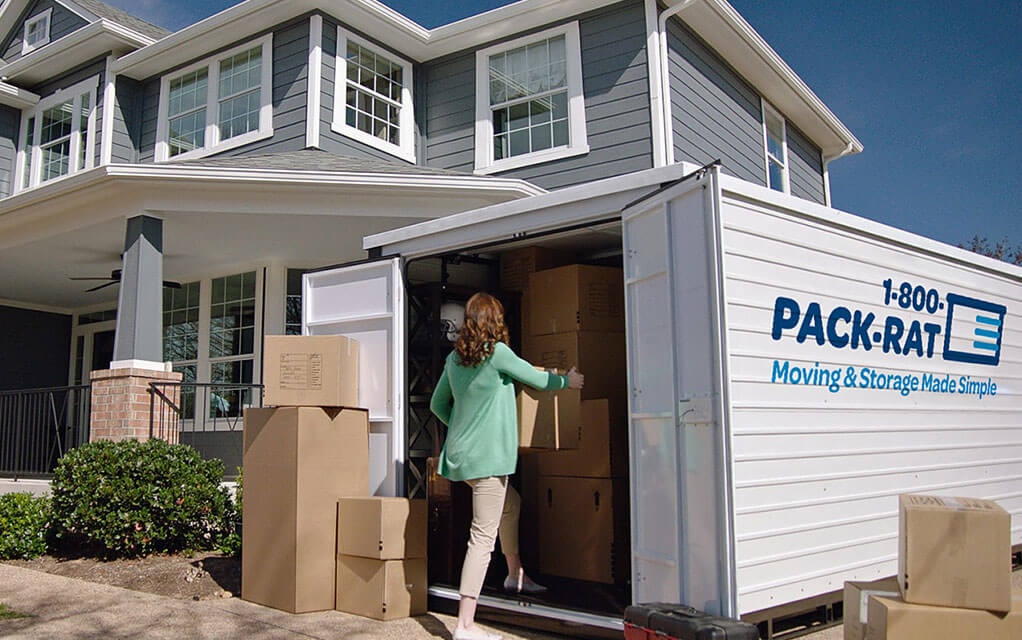
Clearly label every box on multiple sides with its contents and which room it belongs in at your new home. You might also consider color-coding labels by room for quicker identification. This organized approach saves time during unloading and makes unpacking much more manageable since you'll know exactly where everything goes.
Lastly, keep essential items—like important documents, medications, chargers, basic toiletries, and a few changes of clothes—in a separate “essentials” box that either travels with you or is the last thing that you pack into your container, so it is the first thing you can unpack at your new home. This ensures you have immediate access to what you need upon arrival without having to search through numerous boxes.
Step 4: Coordinating Moving Day Logistics
Coordinating your moving day well can make your move into a new home go smoothly. Contact your local movers several days ahead of time to confirm essential details, such as when they will arrive, where to park, and any special instructions for fragile items or additional services you requested.
Ensure there is a clear path for your moving help, whether it is DIY or you are using professional laborers to carry furniture and boxes out of your old home and into your new home. Providing drinks and snacks, like water and snacks, is a good way to show that you appreciate their work. If you are using a professional labor crew, you will want to tip them as well if they do a good job.
Before the movers leave, do a final check to make sure you have all your belongings. If you are moving out of an apartment or rented property, plan with your landlord or property manager for a move-out inspection and hand over the keys smoothly. When you handle these details, you can focus on settling into your new home while letting the movers do the heavy lifting.
Post-Move Essentials: Unloading and Setting Up Your New Home
Congratulations on your successful move! Now, the fun begins—turning your new house into a cozy and friendly home. While you may feel excited and a bit tired, there are a few important tasks left to help you settle in.
Unpacking might look like a big job, but it can be easier and even fun if you plan well and stay positive. Let's look at some unpacking tips and setups that can help you adjust and create a warm environment in your new place.
Unpacking Strategies to Minimize Stress
Unpacking after a move can feel overwhelming, but breaking the process down into manageable steps can make it much smoother and less stressful. The key is to prioritize and organize from the very beginning.
Start by focusing on the essentials—the items you’ll need for your first night or two in your new home. This includes bedding, toiletries, a few changes of clothes, important chargers, medications, and basic kitchen supplies such as a pot or pan, utensils, plates, and some nonperishable food. Packing these items together in a clearly labeled “essentials” box or bag before your move ensures you have everything handy when you arrive.
Once the basics are unpacked and you’ve had a comfortable first night, begin tackling the rest of your belongings one room at a time. Unpack high-use rooms first—typically the bedroom, bathroom, and kitchen—before moving on to less critical spaces like living rooms or storage areas. If you packed your boxes by room and clearly labeled them during the packing process, this step will be much easier.
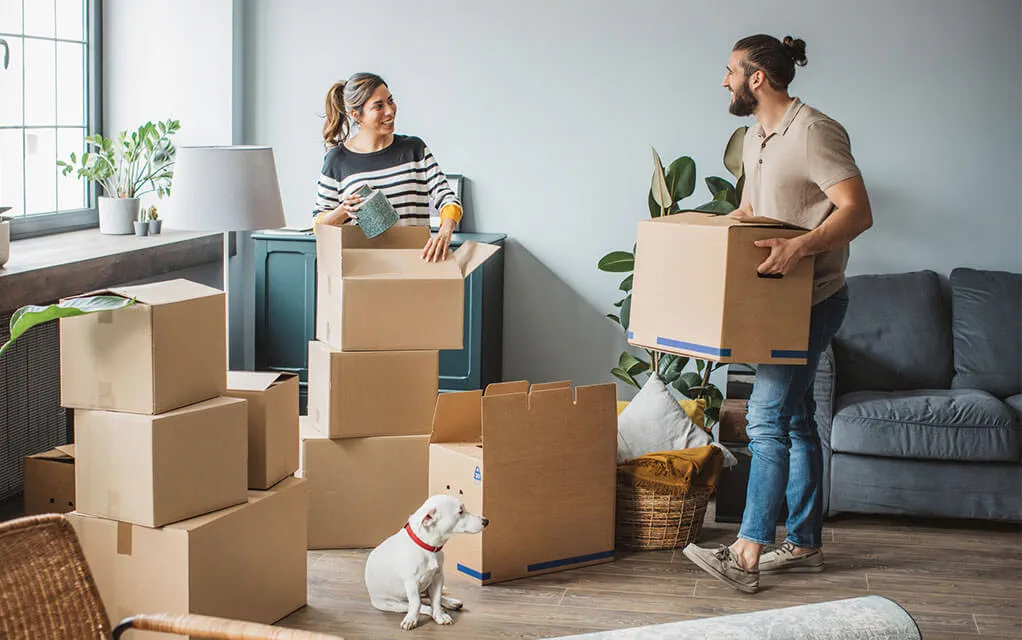
As you unpack each room, take the opportunity to declutter further. Decide what items truly belong in your new space and consider donating or discarding anything that no longer serves you. This not only makes organizing easier but also helps create a fresh start.
It’s important to pace yourself—don’t expect to unpack everything in one day. Give yourself permission to spread out the task over several days or even weeks if needed. Setting small goals (such as unpacking one room per day) can help keep things manageable while providing a sense of accomplishment along the way.
Lastly, don’t forget to recycle or properly dispose of moving boxes and packing materials as you go; this keeps your new home tidy and prevents clutter from piling up.
Essential Setups for a Smooth Transition
Once you have unpacked the basics, focus on setups that make your new place feel like home. Start by changing the locks. This step helps with safety and gives you peace of mind. Make your home smell nice with scented candles or air fresheners.
If you have pets, help them get used to their new place slowly. Create a special area for them with their beds, toys, and food bowls. Take some time to explore your new neighborhood, checking out local parks, grocery stores, and other helpful spots.
Take some time to meet your new neighbors to build connections, create a sense of belonging, and get more in tune with your local area. By focusing on these setups, you will make your home more comfortable and enjoyable.
Let 1-800-PACK-RAT Make Moving Locally Simple for You
Local moving may seem like an easier time than moving long-distance across the country, but the truth is that no matter your move, it can be challenging. When those challenges pop up, you want to be sure you have a moving partner who has seen them before, has an easy solution, and offers the services you need to make your move as simple as possible. That is why 1-800-PACK-RAT is your best choice for local moves.
Compared to other companies, such as truck rentals, they might seem like a more convenient and cheaper choice until you consider how much of a hassle it is to use those solutions. First, you need to pick up a truck, which isn't as easy as picking up some keys and driving off once you start down the "pick up" path. You need to drive it back and pack it as fast as possible to avoid overage fees. Packing fast often leads to immense stress, injury, and mistakes. If you do get it all done, you still need to drive it to your new home and then unpack all of it as fast as possible. Only when that is done can you return the truck, but not before ensuring the gas tank is full to the right spot; otherwise, there will be more fees!
1-800-PACK-RAT makes all of this much, much simpler.
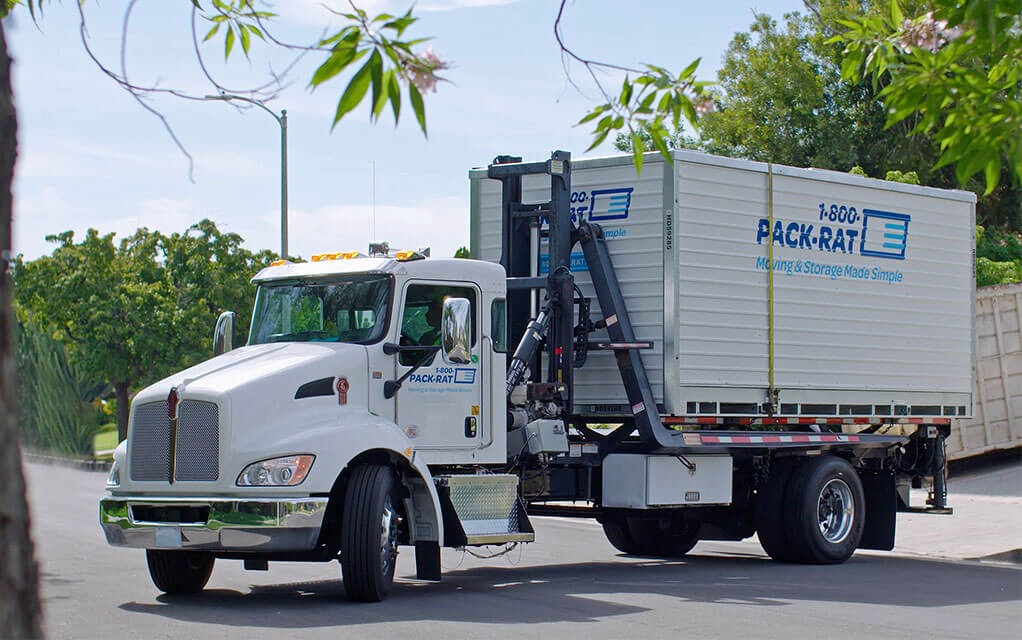
Here is how it works for local moves: you schedule your preferred delivery date for your containers. We drop them off, and you can pack them for as long as you need. Once done, we will pick them up and deliver them to your new home. Or if you need it, we can store it at one of our 85+ nationwide, local locations. It is that simple.
Let us help make local moving simple for you. Call us or go online for a free quote or learn more about our services today!
Frequently Asked Questions About Local Moving
What is the Best Way to Find Reliable Local Movers?
Finding good local movers takes some careful research and consideration of both your time and budget. Ask friends and family for recommendations or check online for information, such as online reviews. Look for companies with many years of experience and positive feedback about their customer service and pay close attention to how they handle negative reviews. No company is perfect, so knowing how the mover handles issues and problems is also vital to the process.
Choose the mover that fits your needs and budget best and provides the services that make your life as easy and stress-free as possible.
How Early Should I Start Packing for a Local Move?
Start packing as soon as you know your moving timeline and date. Beginning early not only gives you ample time to pack your belongings carefully, but it also allows you to sort, declutter, and decide what to keep, donate, or discard. Creating an inventory list can be immensely helpful; it keeps track of your items and ensures nothing gets lost during the move. This list will also make unpacking much more straightforward when you arrive at your new home.
Order or purchase all necessary packing supplies—such as sturdy boxes, packing tape, bubble wrap, markers for labeling, and protective padding—as soon as possible. Having these materials on hand means you can start packing room by room without interruption. Consider starting with items that are used less frequently, such as off-season clothing, books, decorative pieces, and extra linens.
As you pack each box, label it clearly with its contents and the room it belongs in. This will save time during both loading and unloading and help movers (or friends helping out) know where to place each box in the new space. Additionally, set aside a box or suitcase with essentials you'll need right away upon arrival—like toiletries, a few days' worth of clothes, important documents, chargers, basic kitchenware, and medications.
By beginning the packing process early and staying organized throughout each stage of your move, you'll reduce stress and ensure a smoother transition into your new home.
How Can I Minimize Moving Day Stress?
Get as many tasks completed as possible before the day of your move. This includes packing ahead of time, clearly labeling your boxes, confirming move details with your mover, scheduling utilities, changing your address, etc. Also, enlist assistance from friends and family to help pack and unpack your stuff if you opt for the DIY route over a professional labor provider. Don't forget to take breaks, use relaxation techniques, and have plenty of water and snacks for your helpers.
How Do I Move Large or Fragile Items Locally?
When preparing to move large or fragile items, it’s wise to consider hiring local movers who have experience handling such belongings safely. Professional movers are equipped with the right tools and techniques to maneuver heavy furniture, delicate antiques, or bulky appliances without causing injury or damage.
In addition to enlisting help, using high-quality packing supplies is crucial. Materials like bubble wrap, packing paper, moving blankets, and furniture pads provide essential cushioning and protection during transit. Wrap breakable items thoroughly and use sturdy boxes that can support their weight. For extra protection, reinforce box seams with packing tape and fill empty spaces with packing peanuts or crumpled paper to prevent shifting.
Whenever possible, disassemble larger items such as beds, tables, and shelving units before moving them. Removing legs from tables or taking apart bed frames not only makes these pieces easier to transport but also reduces the risk of scratching walls or doorways during the move. Keep all hardware—screws, bolts, and washers—in clearly labeled bags so reassembly goes smoothly at your new location.
If you’re transferring your belongings to a portable storage unit, careful preparation is especially important. Stack heavier items on the bottom and lighter ones on top to avoid crushing fragile possessions. Secure everything in place with straps if possible to keep things from shifting while in transit.
- Moving Tips (133)
- Home Organization (27)
- News Releases (23)
- Packing Tips (21)
- Fun Stuff (19)
- Portable Storage (16)
- In the Community (11)
- Moving and Storage Tips (11)
- Storage Tips (10)
- Moving Checklists (9)
- Household Moving (7)
- Moving Company Comparisons (5)
- Moving on a Budget (5)
- DITY Move (4)
- Home Maintenance Tips (3)
- Home Buying and Selling Tips (1)
- Interstate Moving (1)


