

Master Your Move: How to Pack a Mattress for Moving
September 30, 2026
Key Highlights For Packing a Mattress for Moving
- Protecting your mattress during a move helps you sleep well in your new home. It also makes your mattress last longer.
- Gather essential supplies like mattress bags, packing tape, and moving blankets. These will keep your mattress safe from dirt, moisture, and tears.
- Before packing, clean your mattress and make sure it is dry. Take apart your bed frame to make it easier to carry.
- Put your mattress in a mattress bag and seal it tightly. Cover it with moving blankets for extra protection.
- When loading the mattress into a moving truck, use ratchet straps. Place the mattress upright against the container wall or secure it between heavy items.
Moving to a new home is exciting, but it can also be challenging, especially when you have to move large objects like mattresses. Remember to protect your mattress with boxes and furniture you're packing and taking apart. A mattress bag helps keep your mattress safe from damage during a move. This way, when you get to your new place, your mattress will be in perfect condition and ready for a long post-moving nap, giving you many restful nights in your new home.
Understanding Mattress Moving Basics
Before you start packing, you need to know the basics of moving a mattress to make your move less stressful. This means understanding your mattress type and getting the right packing supplies. Think about how big and heavy your mattress is. You may need help moving it.
Knowing these key points will help make your move easier and quicker.
Types of Mattresses and Their Moving Requirements
When preparing to move a mattress, understanding the specific requirements for different types is crucial to ensure their longevity and comfort. Memory foam and foam mattresses are popular because they contour to the body, providing excellent support and comfort. However, because they are softer and more pliable, these mattresses can bend, warp, or develop permanent indentations if you don't handle them correctly. To prevent damage, always move memory foam and foam mattresses flat and avoid stacking anything on top of them during transport.
Traditional coil mattresses, including those with box springs, generally have a sturdier internal structure due to their network of metal coils. You can often transport these mattresses standing on their sides without risking structural damage. However, follow manufacturer recommendations, as specialty coil designs or hybrid models may require specific handling procedures.
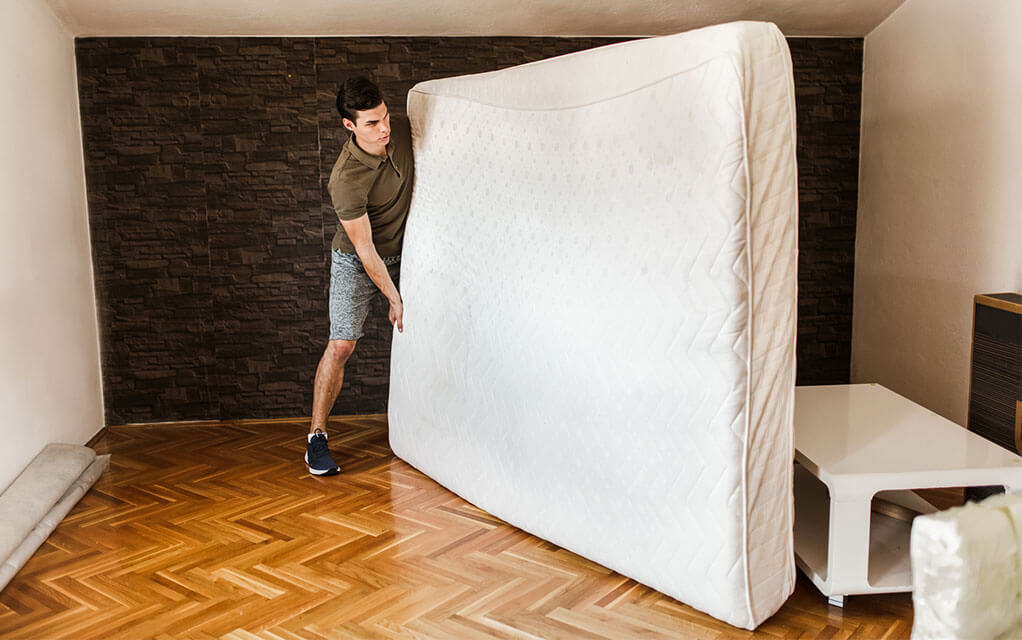
Also, knowing your mattress dimensions—length, width, and thickness—is essential for a smooth move. Accurate measurements help you choose the right size mattress bag or protective cover to shield your mattress from dirt, moisture, and potential tears during transit. It also allows you to plan the space needed in your moving vehicle or storage area.
For extra protection during a move:
- Use sturdy mattress bags designed for your mattress type.
- Secure the mattress with straps if necessary to prevent shifting.
- Avoid folding or sharply bending any mattress unless the manufacturer specifically instructs you to.
- Clean the mattress before packing to prevent dust or debris from transferring.
Finally, after moving your mattress to its new location, let it air out before placing bedding on top. This helps dissipate any odors absorbed during transit and ensures your sleeping surface remains fresh and comfortable. By tailoring your moving strategy to your mattress type and following proper packing procedures, you can maintain its quality and extend its useful life.
Essential Tools and Materials for Packing a Mattress
Beyond a high-quality mattress bag and strong packing tape, consider these essential supplies and tips when moving your mattress. Furniture sliders can be invaluable if you need to maneuver the mattress through tight spaces or over hardwood floors, as they prevent scuffs and make the process smoother. Straps or ropes can also help secure the mattress in your moving vehicle, keeping it upright and preventing shifting during transport.
When wrapping your mattress, always check that it is completely dry before sealing it in any protective covering. Any residual moisture trapped inside the bag or wrap can quickly lead to mold, mildew, and unpleasant odors. If you’re moving during rainy weather, try to wait for a break in the rain or move your mattress under cover whenever possible.
Labeling your wrapped mattress with a marker, such as "top," "bottom," or "fragile," can be helpful for movers or anyone assisting you. This ensures the mattress is handled correctly throughout the move.
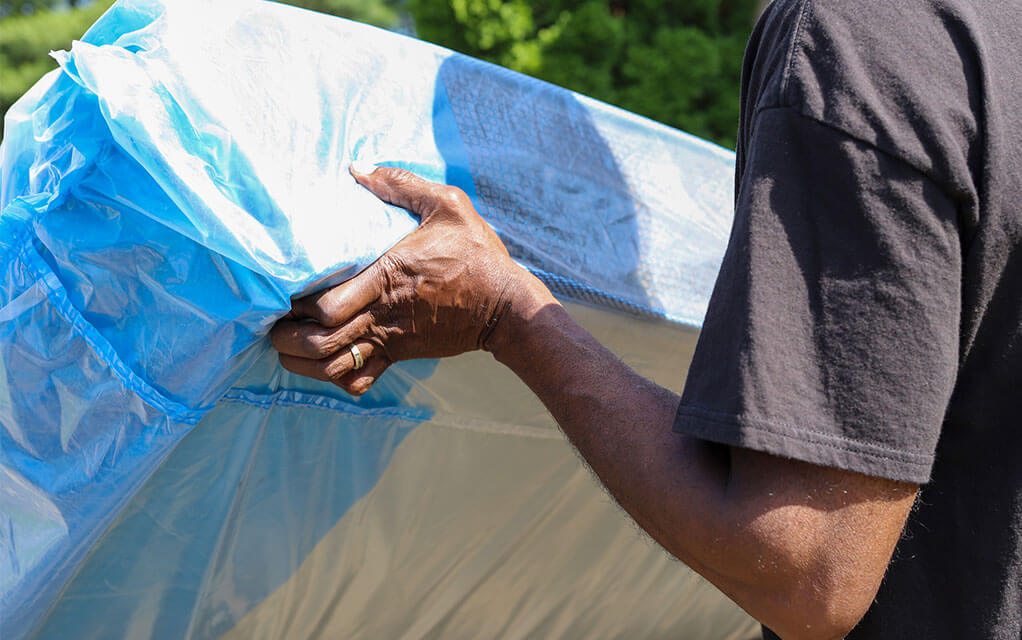
If you have a memory foam or hybrid mattress, remember that these types are more flexible than traditional innerspring mattresses but can be damaged if bent excessively. Always transport them flat whenever possible rather than folding them.
Once you've reached your new home, remove all plastic coverings promptly so air can circulate around the mattress. This helps prevent condensation and keeps your sleeping surface fresh.
By assembling all necessary materials ahead of time and following these extra steps, you'll ensure your mattress arrives clean, dry, and ready for a good night's sleep.
Preparing Your Mattress for the Move
Thorough preparation is essential for moving a mattress successfully. This means cleaning and packing your mattresses properly so that, whether you unpack them on the first night or store them for a bit, they will be fresh and ready to set up in your new home.
Cleaning Your Mattress Before Packing
Keeping your mattress clean is essential not just for comfort, but also for your health—especially when moving to a new home. Before you pack, thoroughly clean your mattress to avoid moving dust, allergens, or odors into your new space.
Start by removing all bedding and washing it separately. Use a vacuum cleaner with an upholstery attachment to clean the entire surface of the mattress, including the sides and seams, where dust mites and debris tend to collect. Pay extra attention to any crevices where crumbs or pet hair might be hiding.
For stains, use a gentle upholstery cleaner or make a paste by mixing baking soda with just enough water to form a thick consistency. Apply this paste directly onto stains and let it sit for 30 minutes before gently blotting it away with a damp cloth. Baking soda not only helps remove stains but also neutralizes odors.
After spot cleaning, sprinkle a generous amount of baking soda over the entire mattress surface. Allow it to sit for several hours—or ideally overnight—to absorb any lingering smells and moisture. Then vacuum up the baking soda completely.
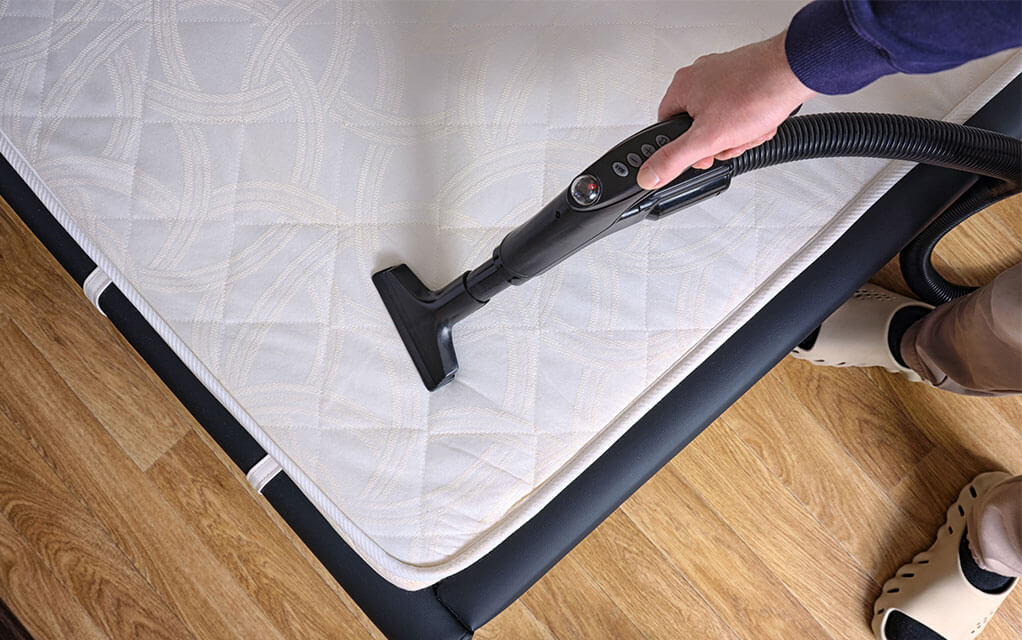
Make sure your mattress is totally dry before wrapping or packing it. If possible, let it air out in a well-ventilated room or set it outside on a sunny day (weather permitting). Trapped moisture can lead to mold or mildew during transit or storage.
When packing the mattress, use a specially designed mattress bag or heavy-duty plastic cover to protect it from dirt and moisture during the move. Secure the cover tightly so that no dust or pests can get in.
By taking these steps, you’ll ensure that your mattress arrives at your new home fresh and ready for restful sleep—free from unwanted smells, allergens, and potential health risks like mold growth. A clean mattress truly sets the stage for healthy living in your new space!
Disassembling Bed Frames and Headboards
Disassembling bed frames and headboards before your move is a practical step that can make the entire process smoother. Large furniture pieces like beds can be awkward and heavy to move in one piece, especially when navigating through narrow doorways, hallways, or staircases. By taking them apart, you reduce the risk of damaging both your furniture and your home’s walls or floors during transport.
A power drill can speed up removing screws and bolts; just use the correct bit size and set the drill to a low torque setting to avoid stripping screw heads or driving them too deep into the wood. If you’re not comfortable with a power drill, a manual screwdriver will work just as well—it may just take a little more time.
To stay organized, collect all hardware—like screws, bolts, washers, and nuts—as you go. Place them in clearly labeled plastic bags (for example: “Bed Frame – Master Bedroom”). You can even tape these bags directly to one of the bed frame’s larger parts so they don’t get misplaced during the move.
Taking apart your bed frame not only makes moving easier but also ensures that reassembly at your new home is straightforward. With all hardware accounted for and each component separated, you’ll be able to put your bed back together quickly without hunting for missing pieces. This preparation saves time and reduces stress when moving out and settling into your new place.
Step-by-Step Guide to Packing a Mattress
Now that your mattress is clean and ready, it’s time to pack it. Follow these simple steps to keep your mattress safe while you move. If you follow these steps carefully, you can relax knowing your mattress is protected during your move.
Step 1: Gathering Your Packing Supplies
Having your packing supplies within reach before you start can make the process smoother and more efficient. Start by gathering essential items and keeping them close to your mattress so you don’t have to interrupt your workflow.
- Mattress Bag: Choose a mattress bag that fits your mattress size, whether it’s twin, queen, or king. Mattress bags protect against dirt, moisture, and potential tears during transport. Choose one with tougher plastic so it won't rip easily if it is dragged on the ground or catches a sharp edge.
- Packing Tape: Opt for strong, durable packing tape. Reinforce the sealed edges of your mattress bag with several layers of tape to ensure it remains secure throughout the move.
- Scissors: Keep a sharp pair of scissors handy to cut tape and make quick adjustments if needed.
- Cardboard (Optional): If you want extra protection—especially if you stack your mattress with other furniture—consider using large pieces of cardboard. Place them on either side of the mattress inside the bag for added stability and shielding from bumps.
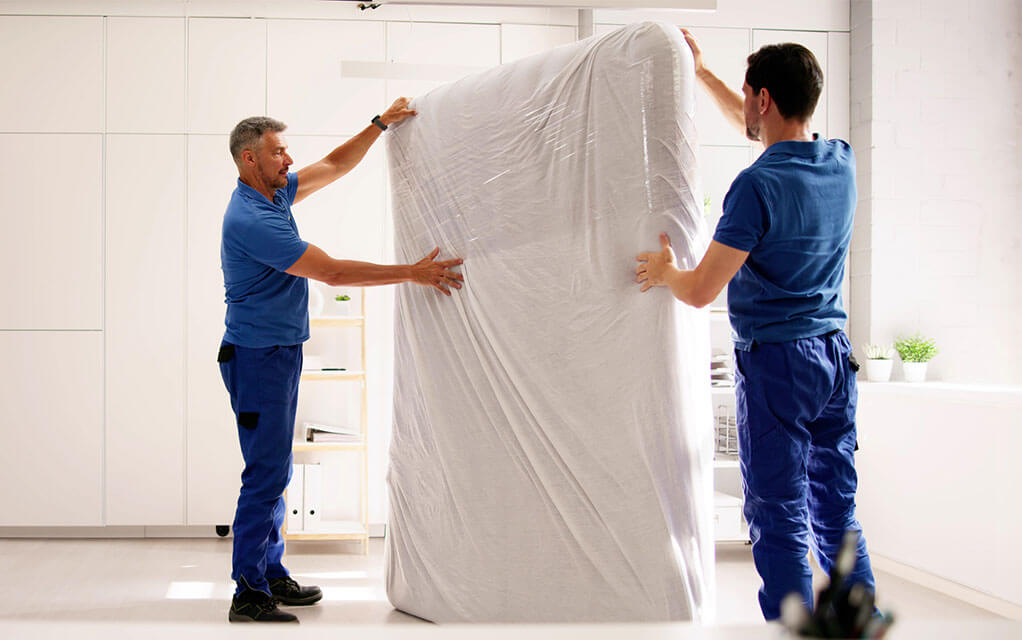
In addition to these basics, consider wearing gloves to protect your hands and having a hand truck or dolly available if your mattress is heavy or needs to be moved across longer distances. Clear any obstacles from pathways in advance to help prevent accidents and damage.
Proper preparation not only protects your mattress but also saves time and reduces stress during the move.
Step 2: Placing Your Mattress in a Mattress Bag
While this might seem straightforward, packing away your mattress in your mattress bag needs to be done the right way if you want to avoid any issues with damage or soilage during your move.
- Carefully slide your mattress into the mattress bag. It's more manageable (and recommended) if you have two people, one on each end, especially if you are putting away a queen or king-sized mattress.
- After bagging the mattress, make sure the bag covers the whole mattress, including the sides and top.
- If using a plastic mattress bag, smooth out any air pockets to make a tight fit.
This helps keep dust and moisture off your mattress while you move, keeping it as clean as when you packed it away.
Step 3: Sealing the Mattress Bag Securely
When preparing your mattress for a move, seal the mattress bag securely to protect it from dirt, moisture, and potential damage. Use packing tape to close the bag tightly, running it along all open edges to ensure no gaps let dust or water in. For added security, add extra strips of tape along the seams, as these areas are more likely to split or tear during transport.
After sealing the mattress bag, use a tape measure to check the dimensions of your packed mattress. Measure the length, width, and thickness to ensure it fits comfortably through doorways, hallways, stairwells, and elevators if needed. This step is especially important if you’re moving into a new home with narrow passageways or tight corners. Taking measurements beforehand can help you plan your route and avoid last-minute complications.
Also, label the packaged mattress so movers know what’s inside. If possible, keep your mattress upright during transit to prevent bending or damage. Properly packing the mattress not only helps preserve its condition but also makes your move smoother and more efficient.
Step 4: Reinforcing the Package with Moving Blankets
For extra protection during your move, wrap moving blankets around the mattress bag. Secure the blankets tightly with packing tape to keep them from slipping or shifting in transit. This extra step is especially helpful if you’re concerned about your mattress bumping into other furniture, walls, or sharp edges during transport.
Moving blankets provide a thick layer of cushioning, helping absorb shocks and impacts during loading or unloading. They not only prevent dents and damage but also protect your mattress from accidental tears, scuffs, or scratches if the plastic bag gets snagged. Moreover, moving blankets can shield your mattress from dust and dirt, keeping it clean throughout the relocation process.

Once you’ve wrapped and taped everything securely, your mattress is well-protected and ready for its journey to your new home. These precautions help keep your investment in good condition and give you peace of mind on moving day.
Moving Your Packed Mattress
Moving a mattress takes some planning to keep you and the mattress safe. When you move it into your moving solution, get help and use safe methods. Careful loading and transport can greatly reduce the risk of accidents.
Always remember to stay safe and lift with your legs, not with your back. Get help when moving a mattress, especially a large one. A second pair of hands is essential, and a third person to spot you can also help avoid tripping hazards and hang-up points.
Loading the Mattress
Depending on your moving solution, there are several strategies for moving and packing your mattress. If you rent a moving truck, you'll likely need an unsteady ramp to move the mattress up and then place it in the back of the truck, if you have space. 1-800-PACK-RAT's portable storage container solutions are easier to load and unload than the traditional moving-truck method, with ground-level loading.
No matter how you move, if you are doing a long-distance move, add more padding around the mattress for extra protection. It'll be a long journey, and you must prepare your stuff properly.
Making the Move With 1-800-PACK-RAT's Portable Moving Containers
Once you have your plan of attack and move your mattress, be ready to place it in your moving transportation system of choice. For a 1-800-PACK-RAT portable container, place the mattress in the back by laying it on its side on the floor against the back wall, then flip it so it lies flat against the wall, filling the space between the floor and the ceiling. Other moving options may include different ways to secure the mattress and fill the space, so plan accordingly.

If you are using a container to make your move, stacking the mattress against the back wall will help you save space and provide some padding for your items. You can secure your mattress against the wall with heavier boxed items or use ratchet straps or bungee cords to hold it in place. Loading and securing your mattress correctly will keep it and your belongings safe for the journey.
Learn how to pack your portable moving container the right way to maximize space, and use our space calculator tool to get the most out of your portable container.
Hire Pros to Make Your Move Even Easier
Sometimes, a move is too much to manage by yourself. Hiring professional labor assistance from an accredited company can solve your moving woes, including moving a mattress. If you choose this route, secure your bed(s) ahead of time the way you want them moved, and leave the heavy lifting to the pros. These crews are pros for a reason and can move your stuff quickly and safely while packing your stuff the best way possible so you get the most bang for your buck!
Unpacking and Setting Up Your Mattress at the New Location
When you reach your new home, unload and unpack your mattress carefully. This will help you get a good start in your new bedroom. Let the mattress sit for a while. This will help it air out, as some mattress bags may have a smell that needs to dissipate, and it will allow it to return to its original shape.
By following these easy steps, you will have a fresh-smelling mattress. It will be ready to give you a restful sleep in your new home.
Inspecting the Mattress for Damage
Before bringing your mattress into your new space, check it for any damage that might have happened during the move. Look closely at the mattress bag and the mattress itself for any tears, rips, or stains.
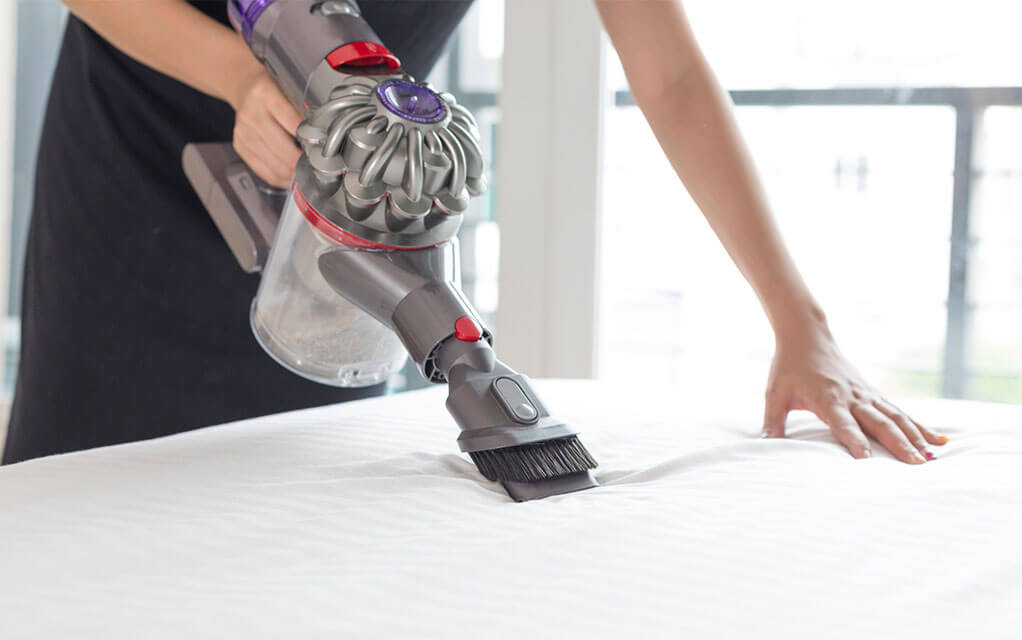
If you find any severe damage, see if it is something you can fix yourself or if you need to look into a replacement option - if you used professional movers, you might be able to file a claim with them. Once you know the mattress is in good condition, you can set it up in your new bedroom. Consider using mattress protectors to help guard against spills and stains in the future.
Letting the Mattress Air Out Before Use
After you unpack your mattress, let it breathe for a few hours. This means waiting before you put on sheets and bedding, as it helps remove any smells or residual moisture if it was raining when you moved into your new home. This way, you can start fresh in your new space.
Put the mattress on your bed frame. Open your windows or doors to bring in fresh air. While it airs out, you can build your bed frame and set up your furniture in your new space. By letting your mattress air out, you are setting yourself up for a great and good night’s sleep in your new home.
Tips for Storing Your Mattress If Needed
Sometimes, you might have to store your mattress for a while. This is where 1-800-PACK-RAT comes in handy. Our portable containers are not just for moving - they can store your stuff as well. No more having to drive a large rented moving truck to a traditional storage area where you then have to unpack everything yourself, only to repeat the same process later when you need your stuff back.
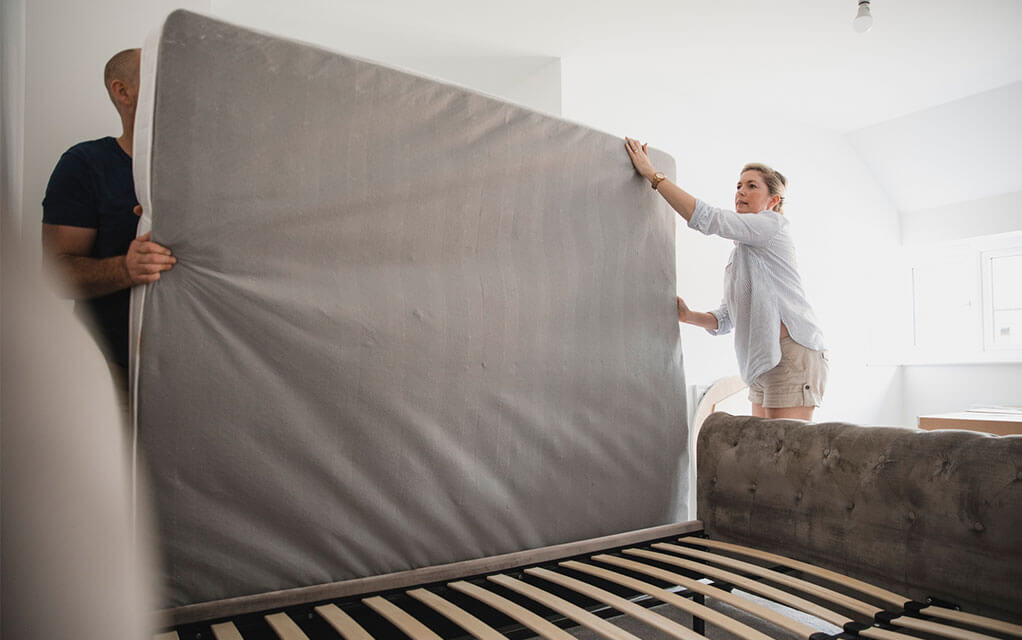
1-800-PACK-RAT makes storage simple by having our containers double as moving and storage containers. If you need extra on-site storage, you can keep your container at your new home for 24/7 access, as long as you need. Alternatively, you can store it in one of our nationwide and local secure storage warehouse facilities for as long as you need and have it delivered back to you when you are ready. Our containers are also weatherproof and resist mold and mildew buildup, so you can keep your mattress secure for as long as you need it in one of our containers.
Using the right storage methods will keep your mattress in good shape. This way, it will be ready when you need it. You can also use moisture-absorbing products. Silica gel packs or containers of baking soda work well. Check your mattress often for any signs of moisture or mold. These steps will help keep your mattress in good condition while it's in storage, giving it extra protection.
1-800-PACK-RAT Can Help Make Your Moving and Storage Needs Simple
Moving a mattress takes care and careful planning, and you need the right moving solution to keep your stuff safe and secure from start to finish. 1-800-PACK-RAT is the right mover for the job and will keep your stuff safe and secure throughout the entire process.
We specialize in local and long-distance moving as well as storage anywhere you need it. Here is how it works: you pick a date that works best for you, and we will deliver a portable storage container to your location. You then take as long as you need to pack it at your own pace. When you're done, we will pick it up and deliver it to your new home, or store it at our secure facility for as long as you need.
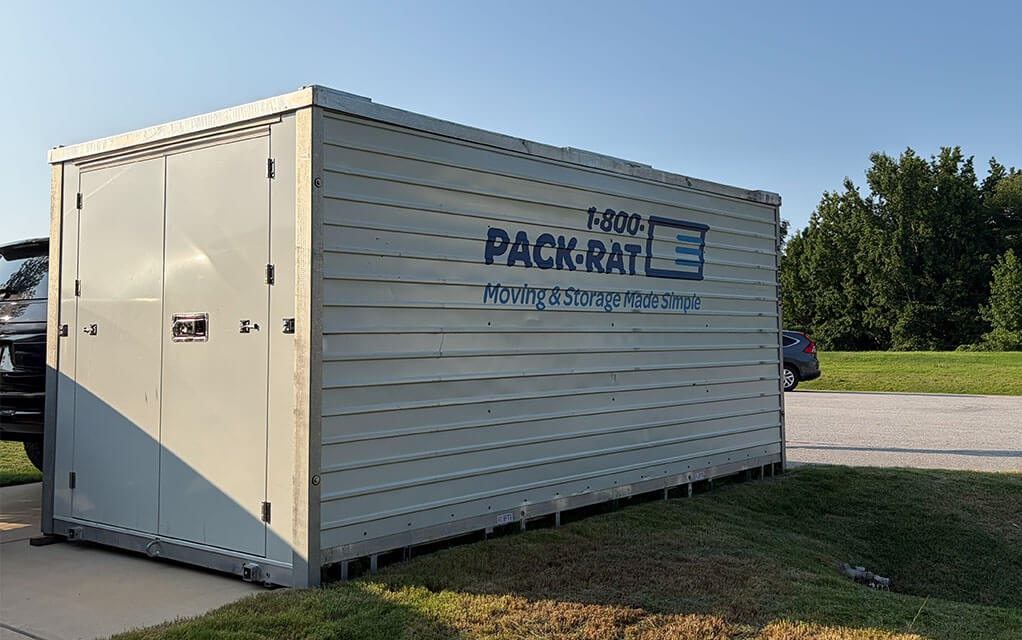
Compared to our competition, no other moving company or solution offers a more secure, hassle-free way to move than 1-800-PACK-RAT. Call us today or go online for a free quote to see how we can make your upcoming moving and storage needs simple!
Frequently Asked Questions About Moving Mattresses
Can I fold my mattress to make moving easier?
Folding most mattresses, especially coil ones, is not a good idea. It can harm the mattress's inside. Memory foam mattresses can be compressed briefly, but follow the manufacturer's instructions. The best way to move your mattress is to keep it flat or on its side, based on its type. Always check the manufacturer's instructions before doing anything that could harm your mattress's shape or function.
How do I protect my mattress from dirt and damage during the move?
A mattress bag is an indispensable tool for preserving your mattress's cleanliness and integrity, especially during moves or long-term storage. This protective cover acts as a barrier against dust, moisture, pests like bedbugs, and other environmental contaminants that could potentially damage your mattress. If you’re preparing for a move, wrap your mattress in moving blankets before sliding it into the bag—this adds another layer of cushioning and reduces the risk of physical damage such as tears or scuffs.
When shopping for a mattress bag, prioritize quality over price. Cheap bags are often made from thin plastic that can rip easily, leaving your mattress exposed to dirt or rain during transport. Investing in a heavy-duty mattress bag—preferably one made from thick polyethylene and equipped with strong seams and secure closures—can save you money in the long run by preventing costly repairs or replacements.
Some mattress bags also come with zipper closures for added convenience and security, making it easier to seal the mattress tightly and keep out unwanted elements. For those storing mattresses for extended periods, a waterproof bag is highly recommended to guard against humidity and potential mold growth.
Remember to measure your mattress accurately before buying a bag; sizes typically range from twin to king, so the right fit ensures maximum protection. Whether you’re moving across town or storing your mattress in a basement or garage, investing in a sturdy mattress bag—and adding extra padding with moving blankets—is the best way to ensure your mattress arrives clean and undamaged.
Do you need a mattress bag?
A mattress bag isn't required, but it is highly recommended, as it helps keep your mattress safe, adding a sturdy layer of protection against dirt, spills, and pests. This way, your mattress will stay in good condition when you reach your new home or if it is in storage.
How long can I store my mattress without using it?
Proper storage is essential to maintaining a mattress's condition, especially if you plan to store it for several months or longer. Placing the mattress in a climate-controlled environment helps prevent temperature fluctuations and excess humidity, both of which can contribute to mold growth, mildew, and material breakdown. A high-quality, durable mattress bag that fully encloses the mattress protects it from dust, pests, and accidental spills.
Even with these precautions, long-term storage carries certain risks. Over time, trapped moisture can accumulate inside the bag or within the mattress itself, increasing the risk of mold or unpleasant odors. Dust mites may also get in if the seal isn't tight.
To minimize these risks, check your mattress periodically while it's in storage. Open the bag occasionally to let the mattress air out—this helps release any trapped moisture and keeps it fresh. If possible, store your mattress flat rather than on its side to avoid sagging or misshaping over time.
Also, avoid placing heavy objects on top of the mattress during storage. Heavy items can leave permanent indentations or compromise your mattress's inner structure and support system. When you’re ready to use it again, give your mattress time to breathe outside its bag before putting it back on your bed frame.
By following these guidelines—using climate control, protective wrapping, regular inspections, and proper positioning—you can help keep your mattress clean, comfortable, and ready for use when you need it again.
Can I move a mattress by myself, or do I need help?
Even when handling smaller mattresses, such as a twin or full size, it's wise to get help rather than attempt to move them alone. Mattresses, regardless of size, can be bulky, heavy, and awkwardly shaped, making it hard to maneuver them through tight hallways or staircases—and potentially dangerous if you lose your grip or balance.
Enlisting a friend or family member not only makes the process easier but also safer. With an extra set of hands, you can better support the mattress and navigate corners without risking injury to yourself or damage to your home.
If you're moving multiple mattresses or other large furniture items, consider hiring professional movers. Professionals are trained in safe lifting techniques and have access to equipment like dollies and straps, which makes transporting heavy items much more efficient. They’re also insured, so if anything does get damaged during the move, you’re likely covered.
Also, before moving a mattress, whether on your own or with help, wrap it in a protective cover or plastic bag. This keeps it clean from dirt and moisture during transport and prevents tears in the fabric. If possible, clear pathways ahead of time by removing obstacles from hallways and doorways.
- Moving Tips (133)
- Home Organization (28)
- News Releases (23)
- Packing Tips (22)
- Fun Stuff (19)
- Portable Storage (18)
- Storage Tips (12)
- In the Community (11)
- Moving and Storage Tips (11)
- Moving Checklists (9)
- Household Moving (7)
- Moving on a Budget (5)
- DITY Move (4)
- Moving Company Comparisons (4)
- Home Maintenance Tips (3)
- Home Buying and Selling Tips (1)
- Interstate Moving (1)


