

Must-Have Moving Day Essentials for Your New Home
October 26, 2026
Key Highlights of Move-In Day Essentials You Need
- Pack your moving essentials in one easy-to-reach spot to keep the move calmer.
- Keep an essentials box ready for your first night so you don't have to dig through random boxes late.
- Carry important papers, medications, and valuables with you instead of handing them to professional movers.
- Set aside toiletries, bedding, snacks, and a phone charger for comfort at your new home.
- Use portable storage containers for a flexible move that's easy to load and unload.
- A simple checklist helps your family stay organized from your old home to your new one.
Settling into a new home is thrilling, though things can quickly become chaotic. The moving process becomes simpler once you know which belongings to keep accessible instead of boxing them up. So, which must-haves should you set aside for moving day? Pack what you'll need right away - any important documents, medications, charger cords, toiletries, snacks, and bedding. Whether you're hiring movers or using portable storage containers, organizing in advance makes the transition much more manageable.
Must-Have Moving Day Essentials for Your New Home
Move-in day is both exciting and hectic. With your portable storage container arriving, people moving back and forth through the house, and utilities and other tasks to coordinate, it can quickly become a lot to keep track of. That makes it easy to forget where things are or what should happen next.
Avoiding these issues on move-in day is key to a successful move, and it starts with planning ahead. Here are 15 things to include in your moving-in day plan so that, when the day comes, you are ready to handle the hurdles and unexpected challenges that will undoubtedly arise!
1. Important Documents and Valuables
First, keep your important documents with you at all times. Do not tuck them into random boxes. On moving day, the last thing you want is to search through stacks just to find your lease, bill of lading, or ID.
A small folder, binder, or zip pouch works well for important paperwork. Keep it in your car, backpack, or purse so it doesn't get mixed with household items. This is one of the smartest ways to protect your most important items.
Include these papers and valuables:
- Birth certificates
- Driver’s license and copies of IDs
- Social Security cards
- Medical records and move papers like your bill of lading
- Jewelry, wallet, keys, credit cards, and cash
If you ask, “What should stay with me on moving day?” this is the answer. Your personal items and legal papers should always travel with you.
2. Medications and First Aid Kit
Next, set aside all medications before you pack anything else. This includes daily pills, pain relievers, and any health items family members use. If a box gets delayed or buried, you still have what you need.
If possible, pack prescription medications in their original containers. Keep them with your first aid kit and any needed medical records. This makes quick access much easier during a long day, especially if children or older adults are part of the move.

Your basic health supplies should include:
- Prescription medications for each family member
- A first aid kit with bandages, disinfectant, and a thermometer
- Pain relievers and fever reducers
- Any key medical records you may need right away
If you are wondering what absolute essentials to pack separately, medicine belongs at the top of the list.
3. Phone Chargers and Electronics
Your phone will do a lot of work on moving day. You may need maps, calls, texts, emails, and photos. That is why chargers and small electronics should never disappear into sealed boxes.
Try keeping these items in one pouch inside your essentials box. This gives you quick access when your battery gets low. It also helps you avoid last-minute issues when you need to contact family, your moving company, or utility companies.
Pack these electronics:
- Phone charger and charging cable
- Power bank for backup power
- Laptop or tablet with its charger
- Wi-Fi gear or extension cords if needed right away
A dead phone can slow everything down. Keep these important items close, especially if you are unloading into a new house after dark or coordinating a local move with several stops.
4. Basic Toiletries and Personal Care Items
When you're preparing for a move, it's easy to get caught up in packing boxes and organizing furniture, but a few small essentials can make your first night much more comfortable. After hours of heavy lifting and unpacking, you’ll appreciate having basic toiletries within easy reach. That’s why we recommend packing these items in an overnight bag or clear tote instead of burying them deep in your moving boxes.
Think of this bag as your “first night kit,” similar to what you’d take on a short trip. Include everything you use in your morning routine and before bed—this might be toothpaste, toothbrush, soap, shampoo, deodorant, and any skincare products you need. Since sinks may not be set up yet in your new home, hand sanitizer is especially useful for maintaining hygiene until plumbing is fully functional.
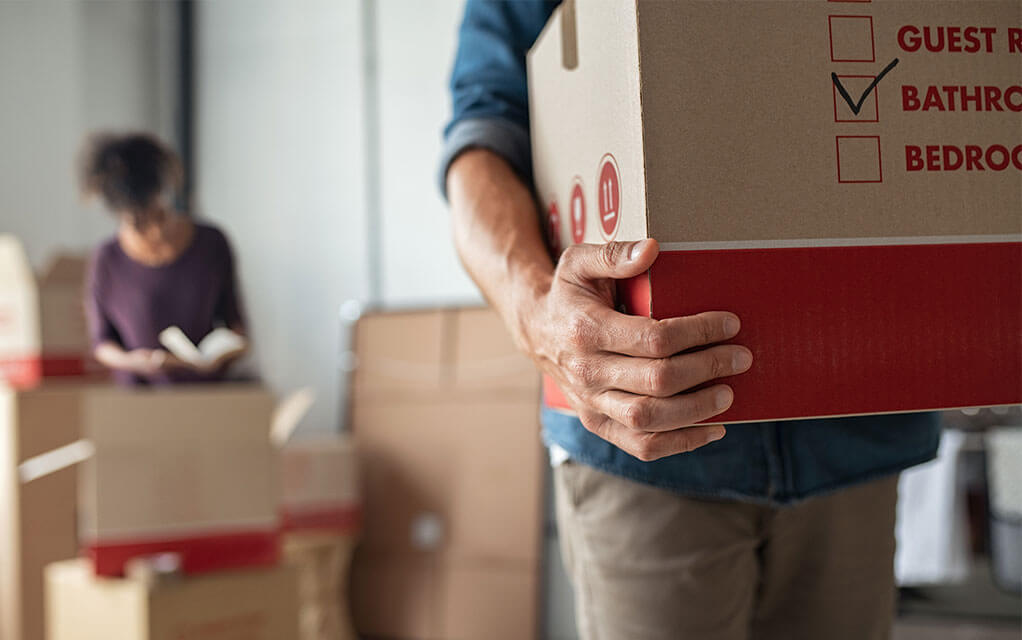
Don’t forget towels for showering or drying off after washing your hands, plus a hairbrush or comb to stay presentable. Comfortable shoes will make moving easier, and sleepwear will help you relax at the end of the day.
Other helpful additions include:
- Medications or supplements you take daily.
- Contact lenses or glasses if needed.
- A change of clothes for each family member.
- Phone charger and other essential electronics.
- Toilet paper and tissues (often overlooked!)
People often forget these items during a move, but they're among the first things they want when they arrive at their new residence. Packing them separately saves time and reduces stress, so you can focus on settling in comfortably instead of searching through stacks of boxes late at night. Planning ahead with an overnight bag helps ensure a smooth, hassle-free transition into your new home.
5. Toilet Paper and Paper Towels
Some items seem small until you need them right away. Toilet paper is one of them. Paper towels are another. Keep them at the top of your essentials bag so you can grab them as soon as you arrive.
A smart trick is to group bathroom and cleanup basics together in one visible bag. That way, when you reach your new place, you can stock the bathroom and wipe surfaces without opening a single packed carton. This is a great way to stay organized.
Put these necessary items together:
- At least one roll of toilet paper per bathroom
- A few rolls of paper towels
- Paper plates for simple meals
- Trash or waste bags for quick cleanup
For easy access on moving day, keep this bundle near the front seat, by the door, or in a clearly marked, open-first bin.
6. Change of Clothes for Each Family Member
By the end of moving day, everyone feels tired, dusty, and ready to change. Packing a change of clothes for each person keeps the first night much more comfortable. This matters even more if boxes are stacked high and bedrooms are not ready yet.
Use an overnight bag for each person or one suitcase for the whole family. Keep it simple. You only need the basics to sleep, shower, and get dressed the next morning. That is enough to avoid stress.
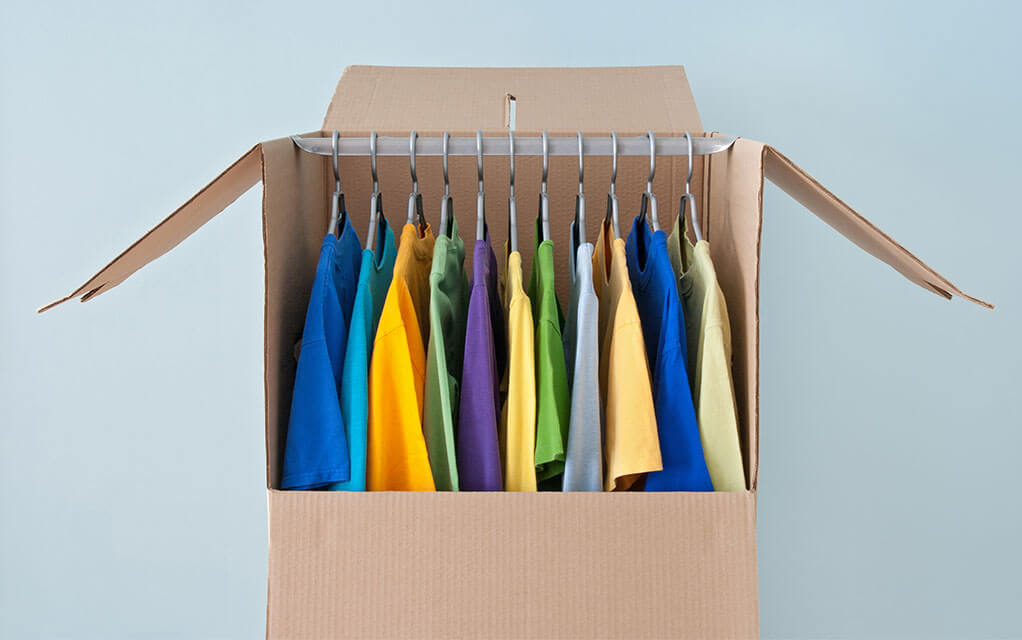
For each person, pack:
- A clean change of clothes
- Pajamas
- Socks and underwear
- Weather-ready layers if needed
This first-night checklist makes a real difference. Keep your personal items close, and your family can rest without digging through packed bins after a long day.
7. Snacks, Meals, and Bottled Water
Food is one of the most commonly overlooked essentials during a move, as people often get caught up in packing boxes, tracking down keys, and managing heavy lifting. But when the adrenaline wears off and the afternoon slump hits, hunger can make settling into your new place much harder—especially if you haven't planned ahead for easy-to-grab snacks or refreshments.
To avoid scrambling for food on moving day, keep simple snacks and drinks ready from the start. Choose items that require little to no preparation and can be eaten on the go or with minimal utensils. Remember, your first night in a new home is not the ideal time to unpack cookware or set up a full kitchen. Shelf-stable basics are your best friend during this transition.
Some tried-and-tested moving day staples include:
- Bottled water: Staying hydrated is crucial, especially when you're busy and may not have easy access to glasses or clean tap water right away.
- Granola bars: Portable, filling, and available in wide varieties to suit different tastes; choose protein-rich options to help fuel you through the day.
- Fresh fruit (like apples or bananas): Easy to eat without preparation and provide a healthy energy boost.
- Crackers or nuts: Both are shelf-stable and perfect for snacking throughout the day.
- Easy breakfast options: Bread with peanut butter, cereal cups, or instant oatmeal packets can save you from morning chaos when you haven’t unboxed everything yet.
- Tea bags or coffee supplies: Having your favorite drink available helps everyone feel more at home and comfortable after a long day.
These simple provisions do more than stave off hunger—they help movers maintain energy, keep kids calm during a potentially stressful time, and make your first night feel less chaotic. Taking care of basic needs like food and drink helps everyone stay happier and more productive as you settle into your new space. Plus, a few snacks on hand will tide everyone over until you’re ready to order takeout or brew that much-needed coffee.
8. Cleaning Supplies for Immediate Use
Even if your new home looks spotless at first glance, it’s smart to quickly clean key surfaces before you settle in. Moving day often brings dust, dirt, and debris from boxes and foot traffic, so wiping down counters, bathrooms, and door handles keeps your space truly clean and sanitary.
To make this process easier, pack your cleaning supplies in a separate, easy-to-access box. This way, you won’t have to search through piles of belongings just to find what you need. With these essentials ready, you can quickly freshen up the bathroom—including hanging a shower curtain—before unpacking or using it.
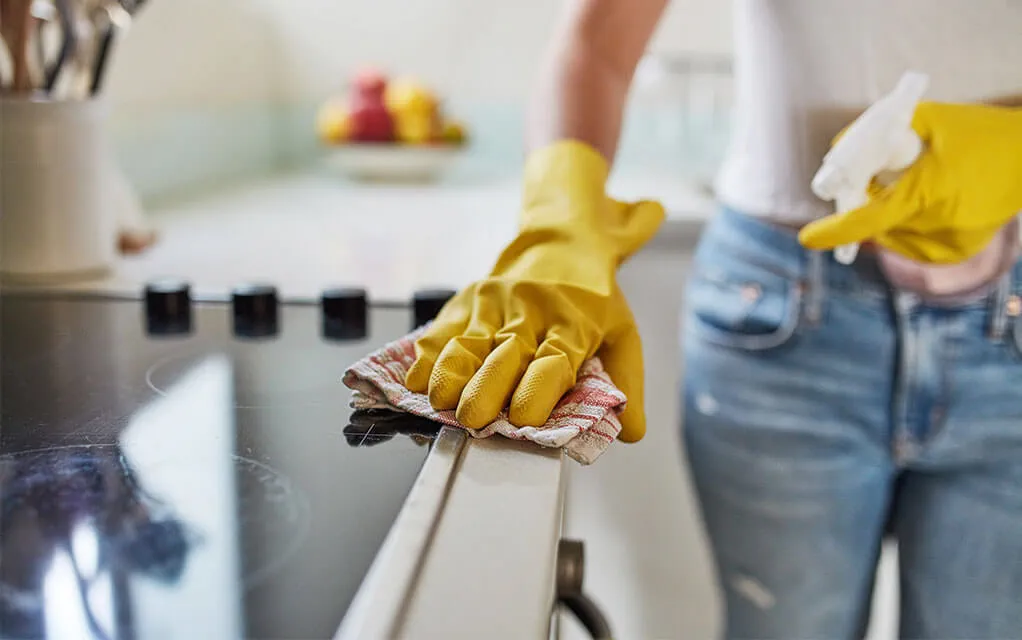
Useful first-day cleaning supplies include: paper towels and cleaning cloths for wiping surfaces; antibacterial spray or disinfectant wipes for sanitizing high-touch areas; waste bags or trash bags for collecting garbage; and toilet cleaner or bathroom spray for tackling the restroom. If your new place doesn’t already have a shower curtain installed, bringing one lets you use the shower comfortably right away.
It’s also wise to bring basic hand soap and dish soap, especially if you want to wash dishes or clean up after meals on moving day. A broom or small vacuum can be handy for sweeping up dust that may accumulate during the move. Keeping these items close at hand lets you address unexpected messes quickly without digging through multiple boxes.
Having these cleaning essentials on hand not only helps you start off right but also makes your transition into the new space smoother and more comfortable for everyone involved.
9. Bedding, Pillows, and Blankets
Sleep is one of the biggest first-night needs. You can wait on wall art and decor, but you shouldn't wait on bedding. Make sure beds can be made fast, even if furniture is still being arranged.
Pack one clearly marked bag or bin with just sleep basics. This keeps your comfort items easy to find when everyone is ready to stop for the night. If real beds are delayed, air mattresses or temporary sleep setups can still work.
Pack these items together:
- Bedding for each bed
- Pillows and pillowcases
- Blankets or comforters
- Any favorite comfort items for children
This is one of the best ways to avoid late-night stress, and you should pack this box or bin last so you can access it almost immediately when you get to your new home. When your family can rest well on the first night, the rest of the unpacking feels much easier the next day.
10. Portable Tool Kit and Scissors
You don’t need a full set of power tools on moving day, but a small, well-prepared toolkit can make the process smoother and less stressful. Many people overlook how often they’ll need simple tools during a move—until they get frustrated by sealed boxes, loose screws, or stuck furniture parts and have no way to fix them quickly.
Keep your basic moving-day toolkit accessible—don’t pack it away in a box that gets loaded onto the truck. Keep it with you in your car or somewhere easy to reach. This way, you’ll have immediate access whenever you need to open boxes, assemble furniture, or handle minor repairs as soon as you arrive at your new home.
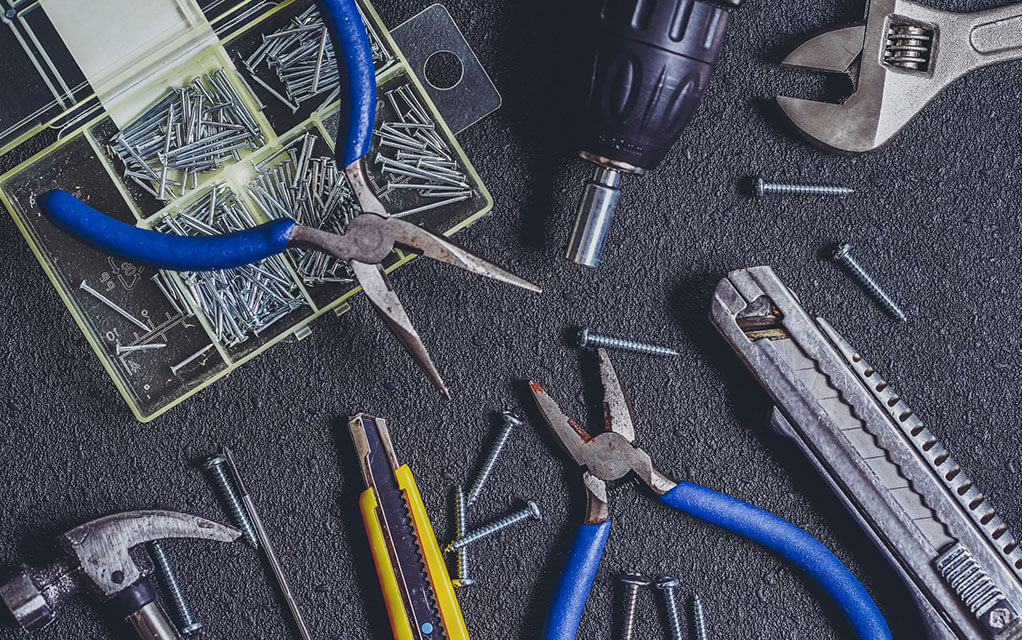
In addition to scissors, a utility knife (for cutting boxes and tape), screwdrivers (both flathead and Phillips), pliers, measuring tape, and a small hammer, consider including a few extra helpful items:
- A flashlight or headlamp: Useful if you arrive after dark or need to check inside closets and cabinets with poor lighting.
- Extra batteries: For flashlights or any electronics that might not be charged.
- Allen wrenches/hex keys: Many pieces of furniture require these for assembly and disassembly.
- Duct tape or packing tape: Great for quick fixes if something breaks or needs reinforcement during transit.
- A pen and notepad: Jot down notes about what’s in each box or any damage you find upon arrival.
- Zip ties: Handy for bundling cords or securing loose items together.
Having these essentials on hand saves time and prevents unnecessary frustration. Once movers finish unloading, you'll want to settle in quickly—unpacking efficiently makes the process more comfortable for everyone involved. Remember: even professional movers won’t have everything you personally need for those “quick fix” moments.
A prepared toolkit isn’t just convenient; it’s almost always necessary to keep your move as smooth as possible. Don’t underestimate how much easier your first hours in your new place will be when you can tackle minor issues right away!
11. Kitchen Essentials (Plates, Cups, Utensils)
Yes, you should unbox some kitchen items right away. You do not need the whole kitchen on day one, but a few basics make meals and drinks much easier. Focus on what helps your family eat and clean up with little effort.
Start with lightweight, simple pieces. Disposable items cut down on dishwashing during a busy move. If you prefer reusable basics, keep just a few together in one clearly marked kitchen bin.
Your open-first kitchen basics can include:
- Paper plates
- Cups and mugs
- Plastic utensils or cutlery
- Coffee pot, kettle, or one pan and one spatula
These basic supplies cover drinks, snacks, and easy meals. If you only unbox one kitchen container right away, make it the one with these daily-use items.
12. Pet Supplies and Comfort Items
Moving to a new home can be just as stressful for pets as it is for humans. Animals are creatures of habit, and changes in their environment or daily schedule can leave them feeling anxious or disoriented. To help your pet cope with the transition, keep their routine as consistent as possible throughout the move. This includes feeding them at their usual times, taking walks at familiar intervals, and offering plenty of reassurance.
When packing for your move, set aside a separate bag or box specifically for your pet’s essentials. Keep it easily accessible during the move so you can quickly provide food, water, treats, or medications as needed. Essential items to pack include:
- Food and water bowls
- Enough pet food for several days
- Any required medications and instructions
- Waste bags (for dogs) or litter and litter box (for cats)
- Leash and collar with updated ID tags
- Carrier or crate for safe transport
Familiar comfort items are also incredibly valuable during this time. Bring your pet’s favorite blanket, bed, or toys, as familiar scents can offer comfort in an unfamiliar setting. If your dog loves chewing on a particular toy or your cat finds solace in a cozy blanket, keep these items within reach during travel and unpacking.

When you arrive at your new home, prioritize setting up a designated “safe space” with your pet's essentials before you unpack everything else. This area will keep them secure as they adjust to new sights, sounds, and smells. Keep doors and windows closed to prevent escapes while your pet explores.
Above all, be patient with your animal companion—some pets may take longer than others to feel comfortable in a new place. Offer extra affection and monitor their behavior for signs of stress such as loss of appetite or excessive hiding. If issues persist beyond the first few weeks, consider consulting your veterinarian.
By keeping routines consistent, providing easy access to necessities, and bringing comforting objects from home, you’ll help your pet feel safe and supported throughout the move.
13. Baby and Child Essentials
Children thrive on consistency, especially during stressful transitions like moving to a new home. Keeping their routine, such as regular meal times, consistent sleep schedules, and access to comfort items, can ease the adjustment and reduce anxiety. Packing a dedicated bag or box with your child's essentials ensures you can meet their needs quickly throughout moving day and during the first night in your new space.
In addition to diapers, wipes, bottles, and baby food for infants, include basic toiletries (like toothbrushes and soap), weather-appropriate changes of clothes, and favorite comfort items such as stuffed animals or beloved books. These items can provide emotional reassurance amidst unfamiliar surroundings. For older children, consider including snacks they love, a portable nightlight for bedtime in an unfamiliar room, and any medication or special care items they might need.
When preparing for the move, pack for both the hours leading up to bedtime and the following morning. Think about what your child reaches for when they're tired or upset—these are often the most comforting objects. Keeping pajamas, blankets, sleep sacks, or their usual pillow within reach can help them settle into their new sleeping environment more quickly.
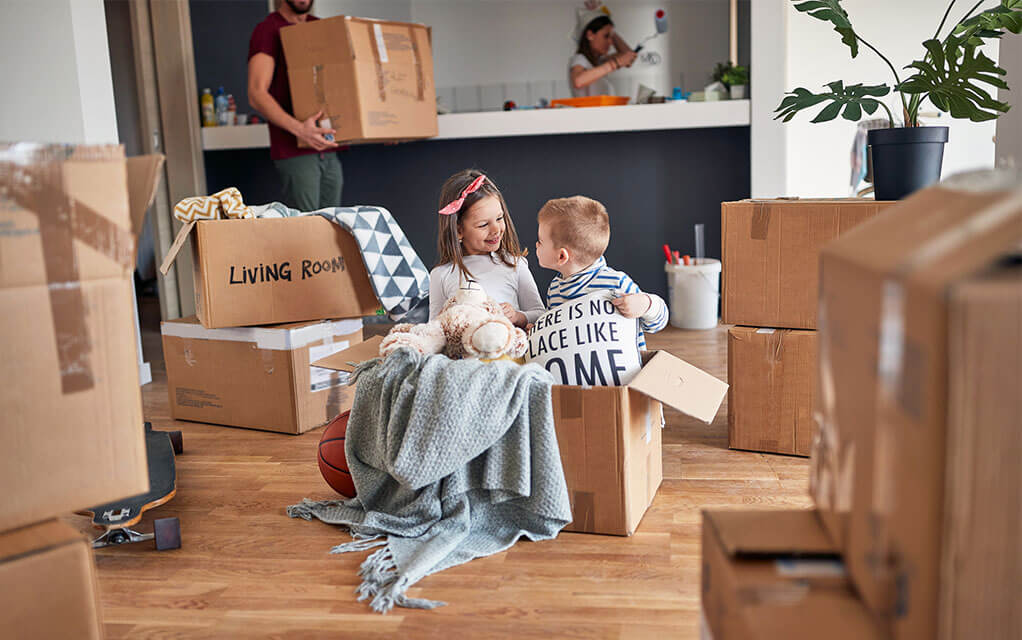
If you’re unsure where to start when preparing children for a move, focus first on maintaining their routines and providing familiar comforts. This approach helps kids feel secure both before you leave your old home and as they explore the new one. Additionally, involving children in simple tasks—like choosing which toys to pack in their “special” bag—can give them a sense of control during an otherwise overwhelming experience.
Ultimately, prioritizing your child’s essential items and routines will make moving day smoother—not just for them but for everyone involved—and set the stage for a positive start in your new home.
14. Flashlight and Batteries
A flashlight is easy to overlook, but it can help more than you expect on the first night. Maybe a room has no light bulb, the power isn't fully set up, or you are unloading after sunset. This small item can save a lot of hassle.
Keep your flashlight in quick access with your charger pouch or tool bag. Add spare batteries beside it. If your phone battery is low, you will be glad you packed both a flashlight and a power bank.
Be sure to pack the following:
- Flashlights or area lights
- Extra batteries, including 9-volt batteries for any smoke or carbon monoxide detectors
- Backup power bank
- Universal charging cable and brick
This is one of the most commonly forgotten items during a move. Yet it becomes very important the second you need light in a dark hallway, bathroom, or bedroom.
15. Moving Day Cash and Payment Methods
Keep your payment methods with you, not inside boxes. You may need to pay for food, fuel, tips, or other moving costs during the day. If you pack your wallet by mistake, it can create a big headache.
Set aside one secure pouch for moving day cash and cards. This should stay on you from start to finish. If you are working with professional movers or a moving company, you may also want easy access to your move papers and receipt details.
Carry these items personally:
- Moving day cash
- Credit cards and debit cards
- Wallet, keys, and payment-related paperwork
If you are asking what to keep with you instead of packing, money and payment methods should always be on that short list.
Creating a Home Moving Checklist for a Smooth Move
A moving checklist helps you see what to pack, what to keep with you, and what to open first. It is one of the easiest ways to organize your essentials bag for easy access on moving day.
Start your list before your move date and update it as you go. Include daily-use items, change-of-address tasks, and reminders for your moving company. If you are using portable storage containers from 1-800-PACK-RAT, a checklist also helps you decide what to load near the door for faster access.
Why a Home Moving Checklist Matters
Without a moving checklist, you risk packing crucial items like chargers, medications, documents, or bedding in the wrong boxes and losing track of them. Having a simple written plan allows you to separate things you use daily from those destined for your new home, and makes things easier when professional movers show up; you can indicate which things are packed, what should stay with you, and which boxes should be loaded last, making it much simpler to locate essentials once unloading begins.

If you want a quick TL;DR version of what to really focus on, check out below:
- Keep with you : Important papers, wallet, keys, medications, phone charger
- Open first: Toilet paper, paper towels, bedding, basic toiletries
- Kitchen basics: Paper plates, cups, plastic utensils, coffee maker
- Cleanup: Cleaning products, trash bags, hand soap
- Family needs: Change of clothes, snacks, pet items, favorite toys
This moving checklist helps you avoid last-minute stress and makes settling into your new place much easier during those first few hours.
Steps to Build Your Own Checklist
You do not need a fancy system to build a useful moving checklist. A notebook, phone note, or printed page can work. The key is to break the moving process into simple categories, then list what you need right away.
Start with your first-night needs. Then add setup tasks for the next day. This helps you focus on what matters most instead of trying to unpack everything at once.
Build your checklist with steps like these:
- Write down basic supplies needed for the first night
- List items that must stay with you, like documents and medicine
- Add setup reminders for utility companies and internet
- Note change-of-address tasks and your move date details (you can check out our blog here for a full guide on address changing)
- Mark one open-first box for each room containing the essentials you need for that room
If you want a checklist of must-have items for the first night in a new home, this step-by-step plan is a great place to begin.
Tips for Staying Organized on Moving Day
Moving day runs smoother when you leave fewer decisions for the last minute. Keep your essentials bag separate, label it clearly, and make sure everyone knows where key items are. That alone can reduce confusion.
If professional movers are doing the heavy lifting, you can focus more on access and setup. If you are using portable storage containers, place your open-first boxes near the front so they are easy to reach when you arrive.
Try these easy habits:
- Create a clear no-pack zone for daily-use items
- Use bold labels like OPEN FIRST or DO NOT PACK
- Keep your essentials bag in your own vehicle
- Pack tools, chargers, and paperwork in small pouches
- Give kids and pets their own comfort bags
These steps help you stay organized and make moving day more efficient from start to finish.
Unpacking Priorities When Moving Into a New Home
When you arrive, don't try to unpack everything at once. Focus on the rooms and items your family needs to eat, wash up, and sleep. That should come first, not decor or plans for a housewarming party.
In any new space, start with comfort and function. Use your basic tools to open the right boxes first. Unpacking in the right order makes your first day easier and gets your home up and running faster.
What to Unpack First for Comfort and Function
Begin with what supports your body and your routine. That means bathroom basics, food supplies, and sleep items. Unpacking these first makes your new place feel usable right away, even if most boxes stay closed until tomorrow.
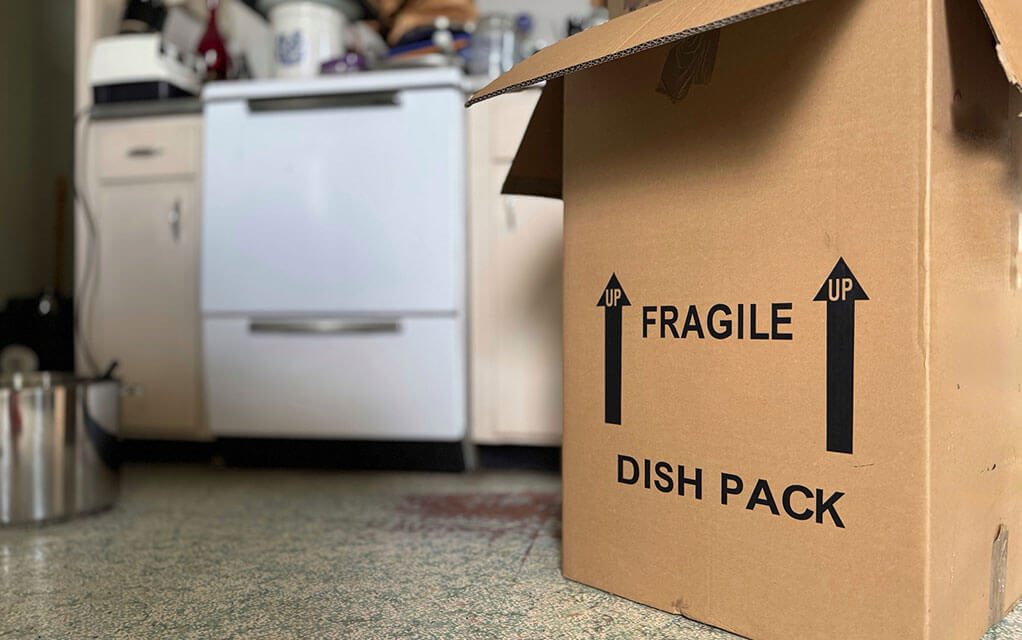
A helpful order is bathroom, bedrooms, and then the kitchen basics. After that, unpack only the things you need for safety and comfort. Save decorative pieces and extras for later.
Unpack these first:
- Toilet paper, hand soap, towels, and basic supplies
- Bedding, pillows, and comfort items
- Chargers, flashlight, and medications
- Snacks, bottled water, and simple kitchen pieces
These are also some of the most commonly forgotten items. Pack them in a marked box so your first night feels calmer and more comfortable.
How to Set Up Your Kitchen and Bathroom Essentials
If you want to quickly add some normalcy to your life in your new home, unbox specific kitchen and bathroom essentials right away. In the bathroom, set up the sink and toilet first. In the kitchen, create one small working area for drinks, snacks, and simple meals. That is enough for day one.
You do not need to sort every cabinet. Just give yourself a clean, usable setup. This saves time and reduces stress as you finish unpacking.
Start with these items:
- Basic toiletries, hand soap, towels, and toilet paper
- Paper towels and cleaning spray
- Kitchen items like cups, mugs, plates, and utensils
- Coffee pot, kettle, sponge, and dish soap
These basic supplies help your home function fast. Once those areas are ready, the rest of the move feels much easier.
Settling In Quickly: Immediate Tasks for Day One
After the boxes are inside, focus on a few immediate tasks that help you settle in safely. You do not need to do everything. Just handle the basics that support your first night and the next morning.
Check that lights, water, and internet are working. If something is missing, have your phone and contact list ready. This is where your essentials box helps again because your tools, chargers, and paperwork are already nearby.
Day-one tasks can include:
- Confirm service with utility companies
- Set up or test the security system if the home has one
- Keep move papers handy in case you need your moving company
- Place cleaning, bedding, and bathroom boxes in the right rooms
These immediate tasks help you settle in faster and keep small problems from becoming big ones on day one.
1-800-PACK-RAT Can Make Your Next Move Simple and Easy
Moving day into your new home will be hectic but exciting. One of the best ways to reduce the stress that naturally comes with moving into a new home is to use a moving company that provides a portable storage container solution that works entirely on your schedule. That is where 1-800-PACK-RAT comes in.
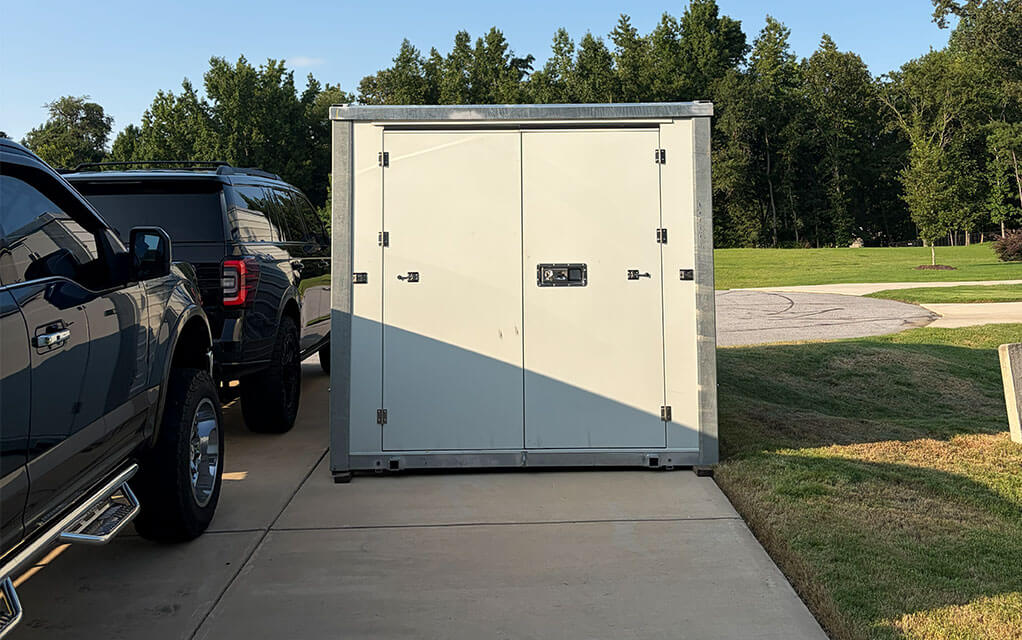
Here is how moving works with 1-800-PACK-RAT: you choose your preferred moving date, and we deliver your container(s). You keep your container as long as you need and pack at your own pace, no packing everything in one morning, driving, or unpacking a large rented moving truck to avoid overage fees. When you are done, we'll pick up your container and deliver it to your new home, or store it at one of our nationwide secure storage facilities for as long as you need. It is that simple.
With optional third-party add-ons such as professional labor assistance, junk removal services, and auto transportation, we are your one-stop shop for all things moving, local and long-distance. Let us make your next move simple; get a free quote today to get started!
Frequently Asked Questions About Moving Day Essentials You Need
What moving-day essentials do people most often forget?
When preparing for a trip or even just going about your daily routine, it’s surprisingly easy to overlook some of the most essential items. Commonly forgotten items include toilet paper, basic toiletries like toothbrushes and toothpaste, a phone charger, and a first aid kit. These essentials often slip our minds because we use them daily, so we leave them behind until we suddenly need them.
People also commonly misplace or forget small personal items like keys, wallets, and medications. Because these items are vital for security, health, and communication while traveling or during emergencies, losing track of them can cause significant inconvenience.
To reduce forgetfulness and keep track of your important belongings, designate an "open-first" or "day-of" box or bag. Keep it clearly marked and store all critical items you’ll need immediately upon arrival at your destination, or whenever you unpack after moving. Keeping chargers, toiletries, toilet paper, medications, keys, your wallet, and even a small flashlight in this easily accessible container ensures you have what you need right away without digging through your luggage.
Additionally, creating a checklist before packing can be invaluable. Listing not only the basics but also any specialty items unique to your needs (such as glasses or contact lens solution) helps ensure you don't leave anything behind. As you pack each item into your open-first bag or suitcase, check it off the list.
Use travel-sized containers for toiletries and keep spare chargers in your travel bag at all times so these essentials are always ready to go. By staying organized and proactive, you can reduce stress and be better prepared wherever you go.
How do portable storage containers make moving easier?
A portable storage container offers significant advantages for any move. One key benefit is the flexibility it offers. You can load and unload at your own pace, rather than working against the strict timelines that often come with traditional moving trucks or full-service movers that come in large semi-trailer trucks. This means you don’t have to rush through packing; you can take your time organizing your items, packing everything securely, and even deciding at the last minute what to bring.
A portable storage container also gives you more control over how you arrange your items inside. For example, if you have open boxes with essentials or first-night items like bedding, toiletries, or kitchen supplies, you can place them near the front of the container for easy access when it’s time to unpack. This thoughtful organization is much harder to achieve with a fully loaded moving truck, where items may be stacked and packed tightly from wall to wall.
You can also keep portable storage containers on your property for days or even weeks before pick-up. This gives you extra time to sort through your possessions and decide what should go into storage versus what you need immediate access to in your new home. If plans change or unexpected delays occur during your move, having a container on-site lets you adapt without added stress or expense. One final consideration: you don't have to do any of the driving; 1-800-PACK-RAT, for example, will handle all the transportation and logistics so you can focus on other moving tasks!
What should I keep with me instead of packing away?
Keep important documents, moving-day cash, credit cards, birth certificates, your driver’s license, medications, keys, and your phone with you. Never bury these items in moving boxes. If possible, carry them in a small folder or pouch from start to finish.
What are the top essential items I should pack for moving day?
When moving to a new home or embarking on a trip, packing the right essentials can make all the difference in easing the transition and ensuring comfort. Top of the list: a first aid kit, crucial for handling minor injuries or emergencies before you unpack. A phone charger keeps you connected, especially if you need directions, to contact movers, or to call loved ones. Basic toiletries, including a toothbrush, toothpaste, soap, and shampoo, allow you to freshen up after a long day.
Snacks and bottled water help you stay hydrated and energized without having to hunt through boxes or leave your new space for food right away. Packing a change of clothes gives you flexibility and comfort if your outfit gets dirty or the weather changes unexpectedly. Toilet paper is often overlooked but essential for immediate bathroom needs.
Bedding, such as sheets, pillows, and blankets, ensures you have a comfortable place to rest on your first night. These essentials not only help you get through the first hours smoothly but also let you settle in comfortably without opening every box at once. Additionally, consider including basic cleaning supplies (like disinfectant wipes), any necessary medications, important documents (such as identification and lease agreements), and personal items that make your new space feel welcoming.
Keeping these essentials readily accessible can reduce stress and help you start smoothly in your new environment.
How can I make my moving day more organized and efficient?
Pack an essentials bag, use a moving checklist, and clearly label open-first boxes. Keep basic tools, paperwork, and chargers with you. If professional movers are handling the big items, you can stay organized by directing where boxes go and setting up your first-night spaces first.
- Moving Tips (133)
- Home Organization (28)
- News Releases (23)
- Packing Tips (22)
- Fun Stuff (19)
- Portable Storage (18)
- Storage Tips (12)
- In the Community (11)
- Moving and Storage Tips (11)
- Moving Checklists (9)
- Household Moving (7)
- Moving on a Budget (5)
- DITY Move (4)
- Moving Company Comparisons (4)
- Home Maintenance Tips (3)
- Home Buying and Selling Tips (1)
- Interstate Moving (1)


