

Your Guide to Safely Moving Heavy Items with Ease
February 25, 2025
Updated on October 14, 2026
The average moving day usually goes by without incident or injury, but moving can be more physically demanding than most people realize, especially when you're navigating narrow doorways. Protecting yourself and everyone involved with your move should be a top priority on moving day, especially if you have opted for a do-it-yourself move.
On moving day, protecting yourself and your loved ones matters as much as protecting your belongings. You risk a severe back injury any time you lift a heavy item without proper form, and the last thing you need during a local or long-distance move, including handling your belongings, is an injury. Save yourself time and pain by following 1-800-PACK-RAT’s moving tips on lifting and moving heavy items properly.
General Rules for Lifting and Moving Heavy Stuff
The first rule is not to overpack your boxes with heavy items. Overpacking your portable moving container or moving solution, or putting too many heavy items in one spot instead of spreading the weight evenly, can overload it as you pack, causing weight-distribution issues and making it harder to move your stuff. If you have many heavy items to move, you may need to make several trips with an alternative moving solution or have a second container delivered. Generally, use smaller boxes for heavier items such as books. Larger boxes should be used for bulkier items like blankets, bedding, etc., not necessarily heavier items. Each box should not be packed to exceed over 50 lbs.
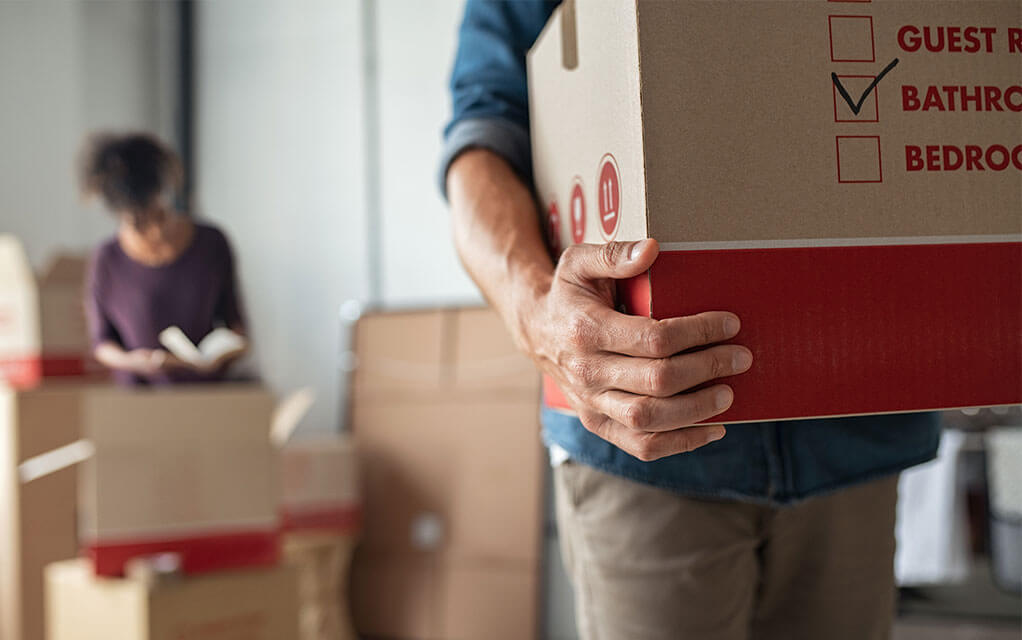
To pack and move successfully, learn the basics of moving heavy furniture and large objects before the big day, including dressers and other items, and have the right equipment. Here are tips for lifting heavy objects and furniture properly, coordinating with your moving partner, and keeping your safety and belongings in mind.
How to Move Heavy Items and Furniture
Proper lifting techniques can make the difference between a smooth move and an injury that complicates things. It might seem silly to practice proper lifting techniques, and it may seem faster to rush, but the last thing you need is for you, or someone helping you, to get injured while moving your stuff. Doing it safely is far preferable to doing it quickly!
Here’s a quick guide to lifting some of those heavier items properly.
Plan Your Lift
Before lifting a heavy item, make sure you have a clear route and enough space to maneuver your torso and the item to the final destination. Also, check to make sure you are wearing appropriate, non-slip footwear, and if needed, protect any doorways or walls you might bump into with blankets or padding. Depending on the item's weight, have someone spot it or help you carry it wherever it needs to go. If needed, move potential obstacles out of the way and have someone spot you along the path and clear the way as you move the object through doorways and around tight corners.
Treat this like a scouting mission, and make sure you are fully ready to move the heavy object without anything causing trouble along the way. Have plenty of clear communication as you start moving the heaviest stuff you own out of your home.
Have the Right Posture
Stand near the item you intend to lift, positioning your feet about shoulder-width apart for stability. Keep your head up and face forward, and avoid bending your neck or looking down, as this can increase back strain. When you prepare to pick up the object, bend your hips and knees rather than your waist. This technique lets your leg muscles, which are stronger than your back muscles, do most of the work. Relying on sheer muscle power is a good way to injure yourself when moving many heavy items over the course of a morning or afternoon.
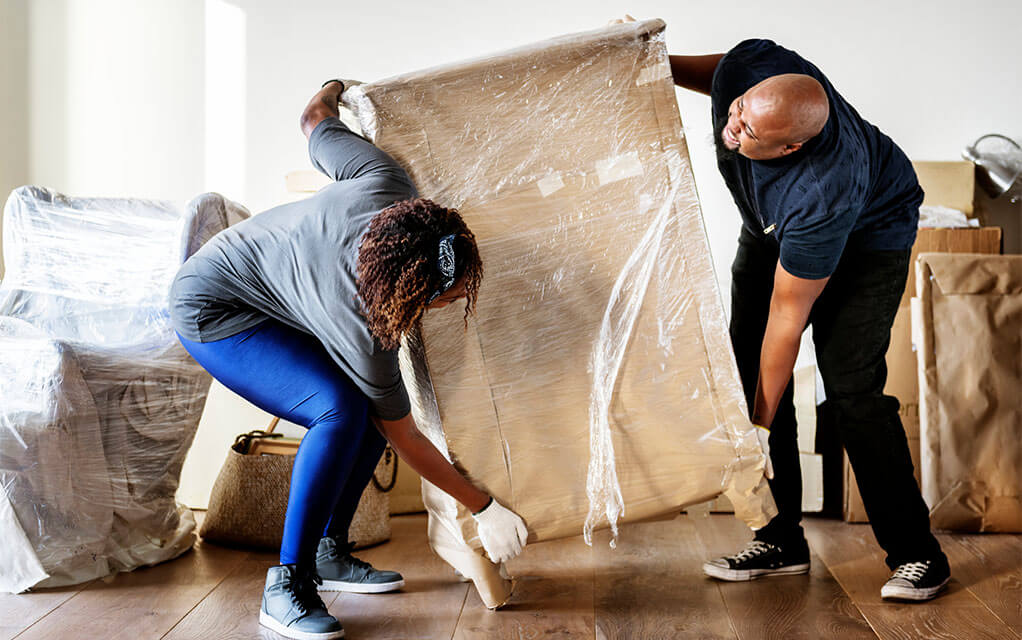
Grip the item firmly with both hands before lifting. Engage your core muscles and keep the load close to your body as you rise slowly, straightening your legs while keeping your back as straight as possible. Avoid twisting or turning while holding the object; if you need to change direction, move your feet instead of rotating at the waist.
Squat With Your Legs
When lifting an object, maintain proper form to prevent injury. Begin by keeping your back straight and engaging your abdominal muscles. As you prepare to lift, bend at your knees and hips rather than at your waist. This technique lets the powerful muscles in your legs do most of the work, increasing your lifting power and reducing strain on your lower back.
Avoid bending forward at the waist, as this causes you to use your back instead of your legs, greatly increasing the risk of strains or serious injuries such as herniated discs. Always keep your head up and look straight ahead—this helps maintain a neutral spine position throughout the movement.
Once you are ready to lift, grip the item firmly and push through your heels as you straighten your knees and hips, rising steadily without jerking or twisting. Make sure that the object stays close to your body while lifting; holding it away shifts weight distribution and can cause loss of balance or unnecessary stress on your back.
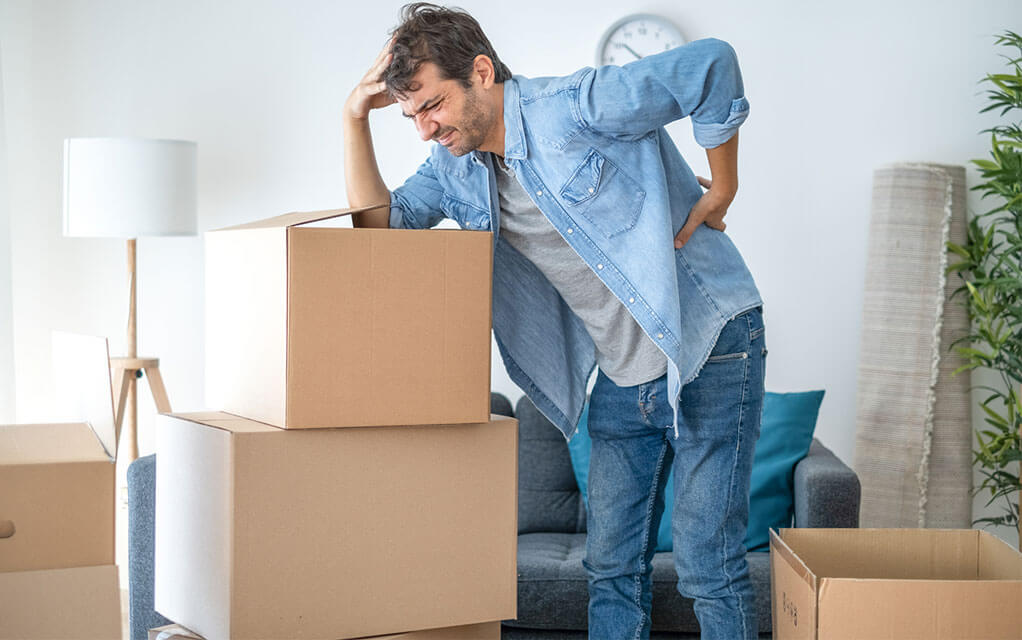
If you need to turn while holding something heavy, pivot with your feet instead of twisting at the waist. Remember: proper lifting techniques not only protect against injury but also improve efficiency when handling objects in daily life or at work. If an item is too heavy or awkward to manage alone, ask for help or use appropriate tools, such as a dolly or cart.
Pick Up
Place your arms around the object and get a firm grip while keeping it close to your body; lift slowly with your legs by pushing up and straightening your knees. Keep your back straight to avoid strain. If you don't feel like you have a good grip or the object starts to slip, tell whoever is helping you move the item, stop, and reset by setting the object down.
Set Down Gently
When you're ready to set the object down, use the same proper lifting techniques to prevent injury. Begin by returning to a squatting position, bending at your knees rather than at your waist. Keep the item close to your body as you lower it to maintain balance and reduce muscle strain. Place the item on a flat surface so that it doesn't tilt or fall over.
Throughout the process, keep your back straight and avoid twisting. Use your legs to lower the object; relying on your back can cause unnecessary stress or injury. If possible, set the item down gently rather than dropping it to keep both you and the object safe.

This not only protects your spine but also helps develop safer habits for future lifts. Remember, proper lifting technique is essential whether you're moving heavy boxes at work or picking up items around the house.
Moving Heavy Objects and Furniture
Moving heavy stuff doesn’t always require sheer muscle power. The goal of moving is to work smarter, not harder! That includes using common moving tools to make heavy lifting as easy as possible. Here’s how to lift heavy objects with simple tools, where you can get them, and how they can make your packing job easier!
Furniture Sliders
Furniture sliders are an excellent investment for moving all types of large furniture. Use furniture sliders by placing one under each corner, with the smooth edge facing the floor. Push from the lower section of the furniture to glide it smoothly across the floor.
Furniture sliders are available for both hard surfaces and carpeted floors. They come in plastic, felt, or a combination of both. You can find them at most hardware and home improvement stores, like Lowes Home Improvement®.
We've also partnered with Lowe's to provide our customers with all of the moving supplies you will need, from boxes and packing tape, bubble wrap, furniture padding, mattress bags, moving blankets, locks, moisture absorbers, furniture dollies, hand trucks, moving straps, and a moving truck, and much more.
Cardboard, Towels, and More
If you're looking for a cost-effective way to move furniture, you can use common household items to reduce friction and make the process smoother. Cardboard is especially handy; you can cut small pieces and place them under each corner or leg to slide furniture across carpeted floors with minimal resistance. For hardwood or tile floors, old towels work well. Fold them and place them under the furniture legs; their soft fabric glides easily and protects your floors from scratches.
Another practical option is furniture gliders, designed specifically for this purpose, but if you don’t have any on hand, a clean yard tarp works well for larger items. Lay the tarp under the furniture, making sure it covers enough area to distribute the weight evenly, then gently pull to move the item across the floor.
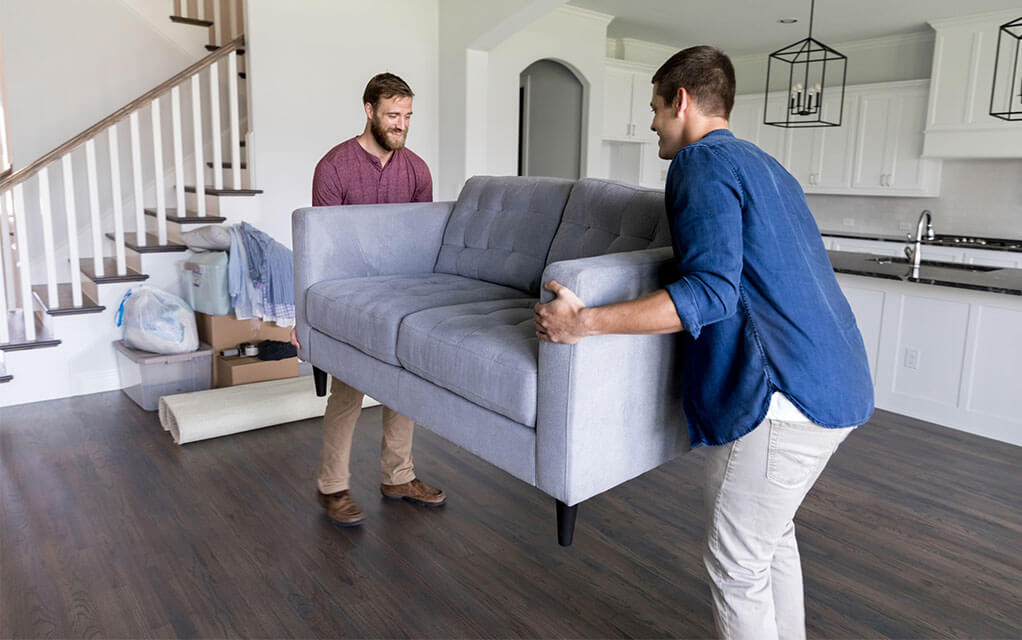
Always make sure the material you use is clean and strong enough to support your furniture's weight without tearing or leaving residue. Also check that these improvised tools won’t damage your flooring, and avoid anything abrasive or likely to scratch surfaces. With these simple techniques, you can save money and effort while making heavy lifting and rearranging tasks much more manageable at home.
Moving/Furniture Blankets
Blankets are a practical, cost-effective way to make moving furniture safer and easier. Placing a padded blanket under heavy or bulky items not only improves grip but also reduces friction, letting you slide furniture smoothly across floors. This technique is especially helpful when maneuvering through tight spaces or around corners because the blanket acts as a buffer, protecting your furniture and surrounding surfaces, walls, doorways, and floors, from scratches, dents, and scuffs.
To use this method effectively, lift one corner of the furniture just enough to tuck the blanket underneath. Make sure that a generous portion of the blanket extends beyond the edge so you can pull it under the opposite side as needed. Repeat this process until all corners of the furniture rest on the blanket. Once it's securely positioned, grab an end of the blanket and gently pull to slide the piece in the direction you want.
This approach works especially well on hardwood or tile floors where dragging heavy furniture might otherwise cause damage. Additionally, using blankets can reduce strain on your back and arms compared to lifting or carrying items over long distances. If you're moving particularly heavy objects, consider enlisting help from another person for added safety.
For extra protection, choose thick quilts or moving pads designed specifically for relocations, as they offer extra cushioning and are less likely to tear when sliding. You can also use blankets with other moving aids, such as dollies or sliders, for greater ease and efficiency. Always remember to clear obstacles along your path before sliding furniture to avoid tripping hazards and ensure a smooth move.
Lifting and Moving Items With Assistance
If you need more hands-on tools to get a move done, you can find a variety of heavy-duty options. You can purchase or rent plenty of tools, including rollers, to make moving larger items easier. These moving tools are typical of what professional labor providers use when helping customers pack and load their stuff for a move. If it works for the pros, it'll work for you!
Moving Furniture and Appliance Straps
Moving or lifting straps make it easier to move and maneuver heavy items and odd-shaped objects that are hard to grip, such as large appliances or overstuffed recliners. These straps redirect the strain and lift onto your shoulders, making it almost impossible to lift with your back or in a way that would hurt you - although you should be extremely cautious no matter what tool you use or what you move!
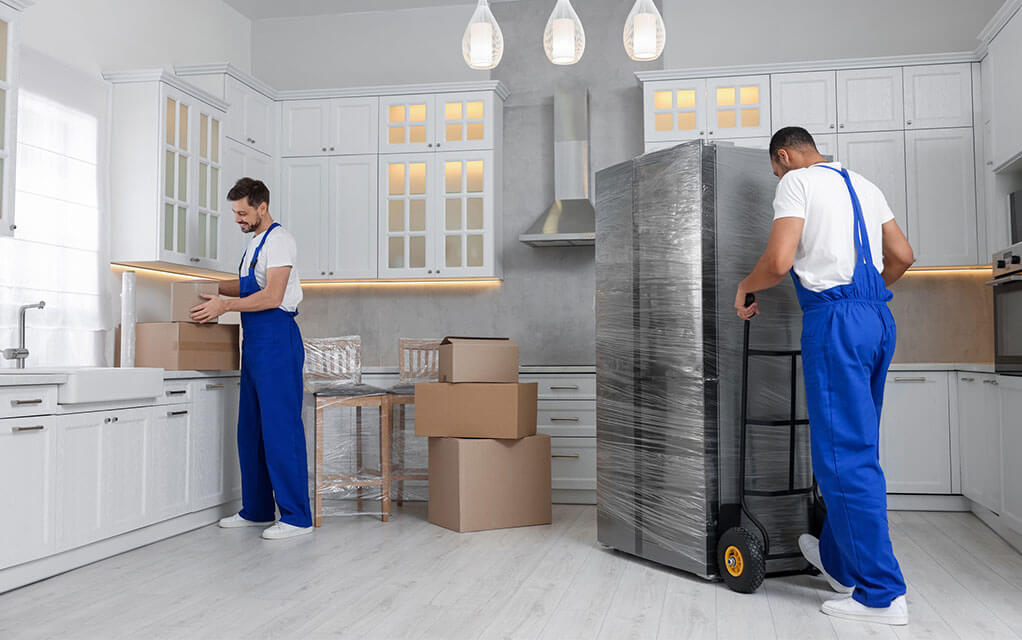
Slide the polypropylene or nylon straps around each piece of furniture and use your hands and arms to lift and guide the items through your home and into your portable moving container. You can also use appliance straps to move items safely and carefully, such as washers, dryers, refrigerators, and more, in and out of your home. Again, have a spotter help you, and keep your path as clear as possible before you start moving your heavy object.
Moving Dollies Make it Easier
Moving dollies, along with professional furniture movers, are invaluable tools with wheels that make moving heavy objects easier. They work best for furniture or large items you can lift but need help moving. Wrap your furniture in pads before securing it to the dolly. This will prevent scratches on wooden furniture and stains or tears on upholstered furniture.
Also measure any doorways you need to carry the object through to ensure it will fit. If needed, you can remove a door from its hinges to create a bit more space to maneuver.
Tie or tape loose items, such as hoses, plugs, and wires, to avoid tripping or tangling them in the dolly wheels. Some dollies have solid tires, but if they have traditional inflated tires, make sure they're inflated to the correct PSI before you place a heavy object on the dolly. Make sure the dolly is big enough for the item you want to move, then load and secure it, and give it a push.
A furniture dolly can usually handle up to 1,000 lbs, and it has a tight turning radius for hallways and elevators, but it can't be used on stairs. If you need to move something down a flight of stairs, furniture/appliance straps could be a better bet.
Utilize Moving Hand Trucks
A hand truck, often called a two-wheeler or upright dolly, is a versatile tool for transporting heavy or bulky items. Unlike traditional flat dollies, the hand truck has an L-shaped design with a small platform at the bottom (the toe plate) and two wheels at the base. The handle extends upward, making the device easy to maneuver.
To use a hand truck, slide the toe plate under the item you're moving—such as boxes, small furniture pieces, or appliances—then tilt the hand truck back so its weight rests on the wheels. This leverage makes moving heavy objects much easier with minimal physical strain. Some modern hand trucks have adjustable handles, letting you switch between vertical and horizontal positions as needed. This adaptability lets you transport both tall and wide items efficiently.
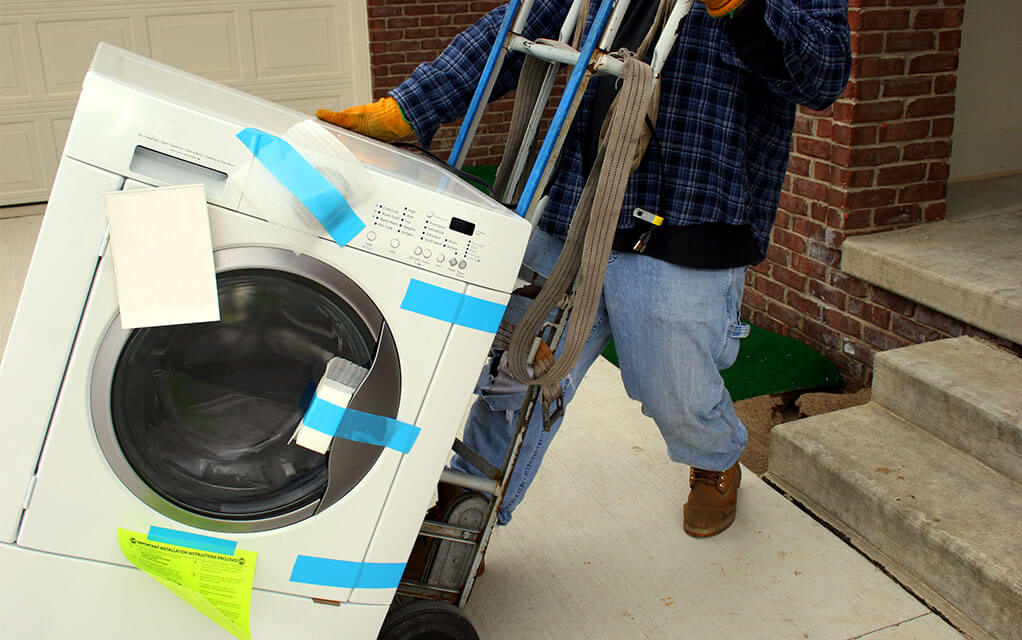
Safety is crucial when using a hand truck. Securing your load with straps keeps items stable during transit and prevents them from falling off or shifting unexpectedly. Additionally, wrapping padding around larger items, especially those with delicate surfaces, can help protect them from scratches or dents during the move.
Hand trucks are indispensable in environments like warehouses, offices, and homes where people frequently lift and move goods. Their compact design also makes them easy to store when not in use. For larger moves or heavier loads, some hand trucks feature reinforced frames or pneumatic tires to handle rough terrain or uneven floors.
Overall, using a hand truck can significantly reduce injury risk while increasing efficiency during any move.
Hiring Professional Movers and Labor Assistance
If you prefer professional help moving bulky items, 1-800-PACK-RAT can recommend trusted third-party companies. We have partnered with trusted third-party professional labor service providers, so you can easily find professional packers and movers to help make your move easier.
By working with a professional labor company, you'll save time and energy and can be confident your stuff will be loaded and unloaded efficiently and safely. These pros have the tools to make your move easier, reducing stress and strain on you and your stuff.
How should you prepare physically before attempting to move heavy objects?
Before moving heavy items, warm up your muscles with light exercises to prevent strains. Maintain proper posture and use proper lifting techniques, like bending your knees and keeping your back straight. Wear supportive footwear and gloves to improve grip and stability.
Moving Heavy Furniture by Yourself
Moving heavy furniture by yourself is daunting, and it is not recommended to move anything extremely heavy on your own , such as large appliances or oversized furniture. However, if you're moving heavy boxes or objects you can grip and lift properly, you can take steps to make it as safe as possible.
Start by clearing the path and removing obstacles to make moving easier. Lift with your legs, not your back, and use proper lifting techniques to avoid injuries. Consider using furniture sliders to move heavy items more easily across floors. These small but effective tools can make a significant difference in maneuvering furniture without straining yourself.
If the furniture is too heavy or awkward to move alone, or if it's a large appliance, get help moving it. Never attempt to move something beyond your ability, as it can cause serious injury or damage to your stuff and home!
Use 1-800-PACK-RAT to Make Your Move As Easy As Possible
1-800-PACK-RAT is here to help make the moving process as simple as possible. We work with third-party professional labor providers with the muscle and tools to move your heaviest items so you don't have to. We can also help with moving supplies, auto transportation, and even junk removal.
At 1-800-PACK-RAT, we want to be your one-stop shop for your entire move, from containers dropped off at your home for you to pack at your pace to packing and unpacking the containers. We offer an end-to-end solution from one company! Let us handle the driving and logistics, so you don't have to!
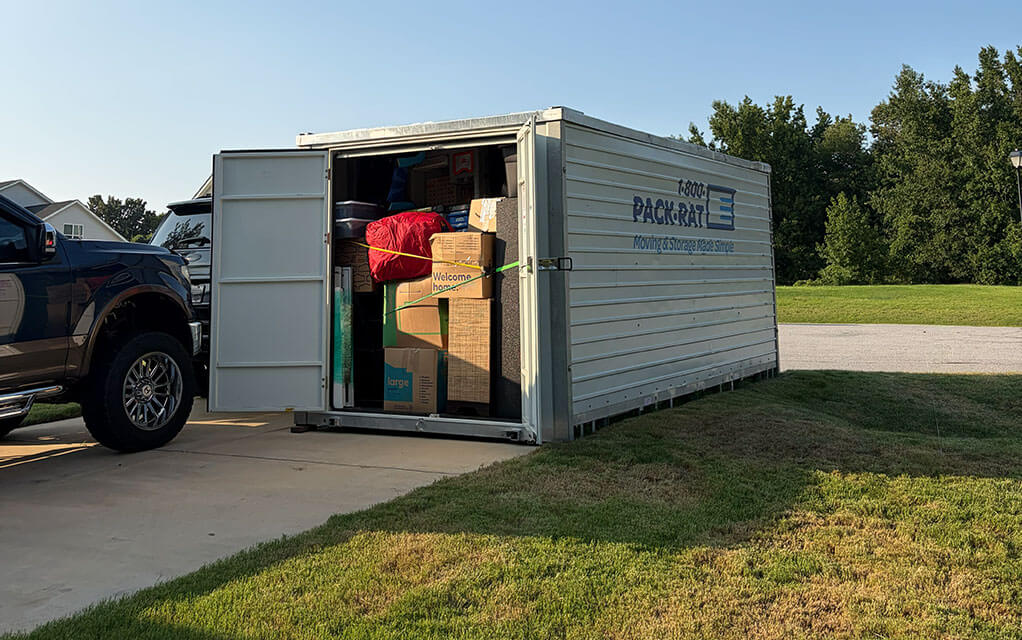
Our local and long-distance moving services offer flexibility and convenience. If you need storage, you can keep your container on-site at your home as long as you need or store it until you need it again. With over 85 secure warehouse facility locations across the continental United States, we can serve your moving and storage needs.
Simplify your moving and storage needs: call us or go online for a free quote, and schedule your container delivery today!
Frequently Asked Questions About Moving Heavy Objects
What is the correct way to lift heavy objects without hurting my back?
When lifting heavy objects, safety comes first to avoid strain or injury. Here are some expanded tips on proper lifting technique:
Assess the Load: Before you begin, check the object's weight and shape. If it’s too heavy or awkwardly sized, don’t try to lift it alone—ask for assistance or use mechanical aids like dollies or hand trucks.
Position Yourself: Stand close to the object with your feet about shoulder-width apart. This stance gives you a solid base and helps you maintain balance throughout the lift.
Bend at Your Knees: Instead of bending at your waist, which can put excessive stress on your back, squat down by bending your knees and hips. Keep your back straight and avoid twisting.
Use Your Legs: Grip the object firmly with both hands. As you lift, push up with your legs rather than pulling with your back. Your leg muscles are much stronger and less prone to injury than your lower back muscles.
Keep the Object Close: Hold the item as close to your body as possible. Keeping it near your center of gravity reduces back strain and makes it easier to carry.
Move Smoothly: When carrying the load, walk slowly and avoid sudden movements. If you need to turn, pivot on your feet instead of twisting your waist.
Set Down Carefully: To lower the object, bend at your knees again—don’t lean forward or drop it suddenly. Place the item gently to prevent damage or injury.
Additional Tips:
- Wear appropriate footwear that provides good traction.
- Clear a path before moving anything heavy.
- Warm up beforehand if you're lifting multiple times.
- Know your limits—if you're unsure about an item’s weight or stability, get help.
Following these guidelines can significantly reduce the risk of muscle strains, sprains, and other injuries associated with improper lifting techniques in both home and workplace settings.
How do I safely move heavy furniture down a flight of stairs?
Moving heavy furniture down a flight of stairs may seem intimidating, but taking the right steps can make the task safer and more manageable. Here’s how to do it effectively:
Prepare the Path: Before you start, clear the stairs and landing area of obstacles like rugs, shoes, or boxes. Make sure there’s enough space at both ends for maneuvering the furniture. If possible, measure your furniture and the stairway to ensure it will fit without getting stuck.
Get Help: Never move heavy or bulky items alone. Recruit at least one friend or family member to help you. Having someone at each end distributes weight evenly and gives you better control when moving up or down stairs.
Use Proper Equipment: Invest in tools like a sturdy furniture dolly, moving straps, or sliders. Dollies allow you to roll heavy pieces instead of carrying them, reducing strain on your back and arms. Moving straps can help stabilize awkward items and provide better grip.
Disassemble When Possible: Take apart any removable pieces—such as legs, drawers, or cushions—to lighten the load and make handling easier. Smaller parts are less likely to cause accidents during transit.
Lift Carefully: Always use proper lifting techniques—bend your knees, keep your back straight, and hold the item close to your body. Avoid twisting your torso while carrying heavy loads.
Communicate Clearly: Plan with your helpers before starting. Decide who will lead (typically the person going down first) and agree on signals for stopping or adjusting grip. Move slowly and steadily; rushing increases injury risk.
Protect Your Home: Use blankets or padding to cover doorways, corners, and banisters that might be scraped or damaged during the move.
Safety First: Wear closed-toe shoes with good traction to prevent slipping. If you ever feel overwhelmed by an item's weight or size, consider hiring professional movers experienced with stairs.
By following these steps and staying mindful throughout the process, you can safely move heavy furniture down stairs without unnecessary risk or damage to yourself—or your home.
What equipment do I need to move heavy furniture or appliances?
To relocate heavy appliances or furniture safely and effectively, you need the right tools. Consider these key items: An appliance dolly or hand truck is essential for moving large objects, as it distributes weight and reduces physical strain. Lifting straps let you use your body weight to carry large pieces of furniture more easily and securely. Furniture sliders or glides also protect your floors and make moving items across surfaces much easier.
How can I move heavy items without scratching hardwood floors or tile?
To move heavy items without scratching hardwood floors or tile, follow these tips:
Use Furniture Sliders: Place furniture sliders under the item's legs. This lets items glide smoothly across surfaces without leaving scratches.
Lift, Don’t Drag: Always lift items rather than dragging them. If lifting isn’t possible, use sliders to avoid damage.
Protective Covers: Consider wrapping the bottom of your furniture with soft cloths or moving blankets. This adds an extra layer of protection against scratches.
Choose the Right Path: Plan your route carefully.
What should I do if a heavy item won't fit through a door or tight hallway?
When a heavy item won't pass through a doorway or narrow hallway, start by measuring both the entryway and the item to see whether it's a size issue or just a matter of angle. When possible, take the item apart into smaller sections—detach removable pieces or remove furniture legs to free up space. In some cases, tilting or angling the item can let it fit through confined areas.
Should I hire professional laborers to help move my stuff?
Hiring professional laborers is often a smart move when moving heavy objects, especially if you have oversized furniture or need to get through tight spaces. Key factors to keep in mind include their expertise and experience—professional movers can handle large items and use proven techniques to navigate tight spaces safely without damage. They also arrive with specialized equipment like dollies, ramps, and straps, which helps make transporting heavy pieces safer and more efficient.
- Moving Tips (133)
- Home Organization (28)
- News Releases (23)
- Packing Tips (22)
- Fun Stuff (19)
- Portable Storage (18)
- Storage Tips (12)
- In the Community (11)
- Moving and Storage Tips (11)
- Moving Checklists (9)
- Household Moving (7)
- Moving on a Budget (5)
- DITY Move (4)
- Moving Company Comparisons (4)
- Home Maintenance Tips (3)
- Home Buying and Selling Tips (1)
- Interstate Moving (1)


