

The Ultimate Guide on How to Prepare for Movers
November 13, 2025
Key Highlights of Preparing for Movers
- Start your moving process by creating a detailed moving checklist to stay organized.
- Hiring professional movers can save you time and physical effort on moving day.
- Gather all necessary packing supplies, like moving boxes and tape, well in advance.
- Declutter your home before you pack to avoid moving items you no longer need.
- Label all your moving boxes clearly with the room and contents to simplify unpacking.
- Prepare your home by clearing pathways and creating a staging area for movers.
Whether you're hiring a moving company or getting help from friends, organizing your belongings and your home ahead of time is key, especially if you have hired labor professionals to help load and unload your belongings. A little planning goes a long way toward ensuring a smooth and stress-free transition into your new home. This guide will walk you through everything you need to know to prepare for a successful move.
Understanding the Moving Process with Professional Movers and Laborers
Working with professional movers or a labor provider can make your moving process much easier. When you hire a moving company for the first time, it's helpful to understand what they do. Their main job is to handle the heavy lifting, loading, and transportation of your belongings on moving day and provide you with that "full-service moving" experience.
Your role is to have everything ready for their arrival. This means your boxes should be packed, sealed, and labeled. Proper preparation allows the movers to work quickly and efficiently, saving you time and money.
What to Expect When Hiring a Moving Labor Provider
Hiring a moving labor provider is a great way to get moving help without booking an actual full-service moving company. These professionals specialize in loading and unloading your specific moving solution or portable storage container, for example, from 1-800-PACK-RAT. Think of it as a hybrid approach to the moving process where you handle the packing and driving, and they take care of the heavy lifting.

When you book a moving labor provider, you will agree on a moving date and an estimated number of hours. On the scheduled day, the team will arrive to help you load your packed items. This is an excellent option if you are comfortable with packing but want to avoid the physical strain of moving heavy furniture and countless boxes.
A key thing to keep in mind when hiring a labor provider is that you will typically be expected to have everything packed in boxes and ready to go. Our guide is focusing on the process for working with a professional moving company and labor provider. While some companies may pack, load, unload, and unpack, that is not the normal expectation for most professional labor providers. Be sure to specify the services you require when you speak with a labor provider to ensure you get the help you need.
Understanding this service helps you plan better. Before they arrive, ensure everything is packed and ready to go. This allows the moving help to start their work immediately, making your move more efficient. It’s a smart way to manage your move on your terms.
Differences Between Moving Helpers and Full-Service Movers
Deciding between moving helpers and full-service movers often comes down to your moving budget and how much work you want to do yourself. Moving helpers are service providers who focus on loading and unloading your items. You are responsible for packing, getting a truck, and driving to your new home.
In contrast, some full-service movers will handle every aspect of the move. These professional moving companies will pack your belongings, load the truck, transport everything, and even unpack at your destination. This option offers maximum convenience but comes at a higher cost. If you're looking to save money, packing yourself and hiring moving helpers is a fantastic choice that still takes much of the physical burden off you.
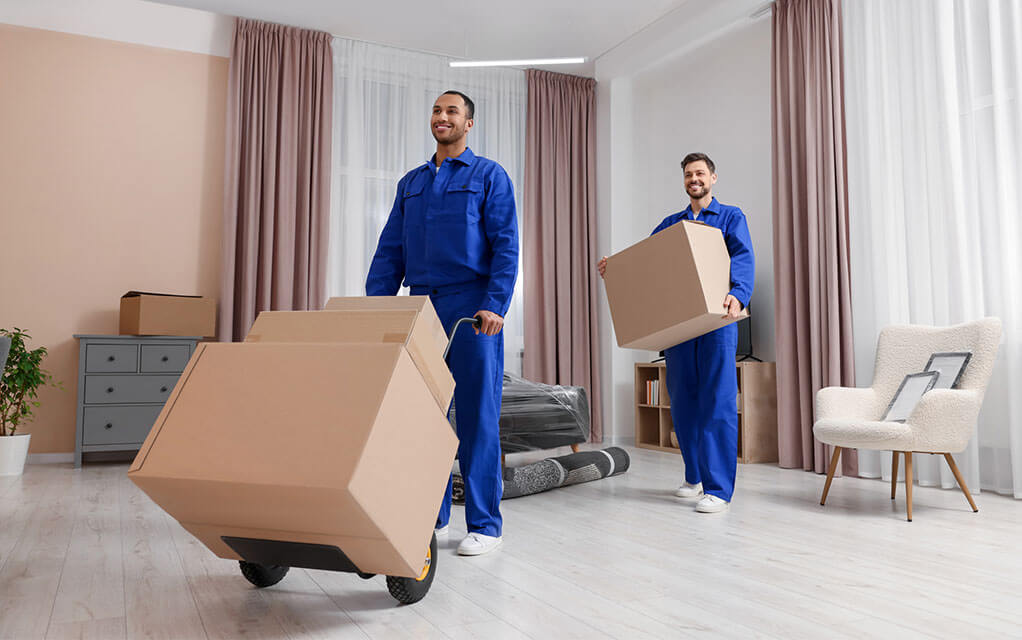
At the end of the day, what it can boil down to is whether you are comfortable with others packing your stuff for you. While packing can be time-consuming, you at least have the peace of mind that everything is packed by you the way you want it. Any fragile items or precious heirlooms are properly stored for the journey. It also reduces the chance of something going missing or getting lost in the process. Some full-service movers can handle the entire moving process, but having the freedom to pack your own way while letting the pros handle the heavy lifting can give you a lot of peace of mind for your move.
Why Proper Moving Preparation Matters
Proper moving preparation is the secret to a stress-free move. When you take the time to organize, you avoid the last-minute chaos that can make moving so difficult. Having a solid plan gives you peace of mind, knowing that you have everything under control. One of the most common mistakes is underestimating how long packing will take, so starting early is crucial. Ideally, you should start packing about 2 months before your move, beginning with non-essential or seasonal items you aren't currently using.
A detailed moving checklist is your best friend. It helps you track tasks, from sorting essential items to gathering supplies. Following smart packing tips, like labeling every box and protecting fragile belongings, ensures your things arrive safely. Without proper preparation, you risk misplaced items, damage, and unnecessary worry. You can download our moving checklist here to get started!
Ultimately, being prepared makes the job easier for you and any movers you hire. When your boxes are ready and your home is organized for their arrival, they can work more efficiently and load your stuff correctly. This saves time and helps ensure your move goes off without a hitch.
Essential Supplies and Resources Needed for Preparing to Move
To make your moving process smoother for you and your professional movers, you need the right tools. Gathering your packing supplies ahead of time is a non-negotiable step. This includes everything from sturdy moving boxes to packing tape and markers.
Having all your supplies in one place before you begin packing will save you from making last-minute trips to the store. A good moving checklist should include a section for all the materials you'll need to get the job done right.
Packing Materials Checklist for Home Moving
Having the right packing supplies is essential for protecting your belongings. Before you start packing, make sure you have a good stock of materials. You don't want to run out of packing tape or bubble wrap midway through packing your kitchen.

Creating a checklist of supplies can help you stay organized. Start by estimating how many cardboard boxes you'll need in various sizes and strengths. Remember to get specialty boxes, like wardrobe boxes for hanging clothes, as they can be a huge time-saver. Don't forget the smaller items that make a big difference.
Here are some essential packing supplies to get you started:
- Sturdy cardboard boxes in small, medium, and large sizes
- Plenty of packing tape and a dispenser
- Bubble wrap and packing paper for fragile items
- Permanent markers for labeling
- Wardrobe boxes for clothes on hangers
1-800-PACK-RAT is proud to partner with Lowe's® Home Improvement to provide all of the moving and packing supplies you'll need to make your move.
Equipment That Makes Moving Easier
Beyond basic packing supplies, certain moving equipment can make a world of difference, especially when dealing with heavy items. If you’re doing some of the moving yourself, renting or borrowing a dolly or hand truck can save your back when moving appliances or large furniture.
For a more streamlined process, consider using a portable storage container. When you work with 1-800-PACK-RAT, we will deliver a container to your location so you can pack it at your own pace, and when you're ready, we can transport it to your new home. This is an excellent option if you need flexible moving help without renting a large, unwieldy moving truck that you have to pack, drive, and unpack yourself in one day.
Here is some equipment that can simplify your move if you choose to do it without labor assistance:
- A hand truck or dolly for heavy items
- Furniture sliders to easily move heavy pieces across floors
- Moving blankets to protect furniture from scratches
- A portable storage container for flexible packing and moving
Professional labor providers will have all the tools and equipment they need to make your move easier. This can save you from having to buy or rent equipment you won't need after your move is complete.
Organizing Important Documents and Moving Tips
Amidst the chaos of packing, it’s easy to misplace important documents. To avoid this, create a dedicated moving binder or folder for all your essential paperwork. This is the perfect place to keep your moving company quotes, contracts, and contact information.
This binder should also hold personal documents you might need access to during the move. Think about birth certificates, passports, and any records related to your new address. One of the most important moving tips is to handle your change of address with the post office early to ensure you don't miss any important mail.
Keep these items in your moving binder:
- Moving company contracts and quotes
- Personal identification, medical records, and school records
By keeping all your important documents in one spot, you can easily find what you need without digging through boxes.
Pro tip: Do not allow your moving helpers or professional laborers to pack your important documents. Always keep this box, binder, or whatever you choose to transport them in with you at all times. The process of moving requires extensive documentation. If you need identification or proof of residence for utility activation, to close on your new home, or to prove identity in your new location, you will want easy access to those documents.
How to Organize Your Belongings for a Smooth Move
Organizing your things before they go into moving boxes is a game-changer. The first step is decluttering. Why waste time and energy moving items you don't want or need in your new place? Sorting through your belongings now will make packing and unpacking much faster.
Once you've decided what to keep, you can focus on packing efficiently. Group similar items together, and be sure to protect valuable items with extra care. A little organization up front will save you a significant headache later.
Decluttering Strategies Before Moving Day
Decluttering is one of the most effective ways to prepare for a move. There’s no better time to sort through your possessions than when you’re leaving your old home. Start the decluttering process as early as possible, ideally a few weeks before you plan to pack. This gives you enough time to make thoughtful decisions and clear out stuff you won't be using or needing anymore.
Tackle one room at a time to avoid feeling overwhelmed and halt the process before you can even start. Begin with storage areas like the attic, basement, or garage, as these spaces often hold items you use the least. As you go through each item, ask yourself if you’ve used it in the last year and if you truly want to take it with you.

Here are a few decluttering strategies:
- Start with rooms you use less frequently.
- Use a three-pile system: keep, get rid of, and undecided.
- Plan a garage sale for items you want to sell.
- Schedule a pickup for large items that need disposal.
Sorting Items for Donation, Sale, or Disposal
Once you've decided what to get rid of, it's time to sort those items for donation, sale, or disposal. This step can help you make a little extra money and reduce the number of items you have to move, lowering your moving costs.
For items in good condition, consider donation to a local charity. Many organizations, such as the Habitat ReStore or Salvation Army (depending on your location) will even pick up larger items, such as furniture, if you would like to donate it. If you have high-value items, you might try selling them online, such as on Facebook Marketplace or eBay, or hold a garage sale and advertise it on Nextdoor or in your community's Facebook group. This is a great way to put some cash toward your moving budget.
Broken or unusable items should be set aside for disposal.
- Sale: Clothing, furniture, and electronics in good condition can be sold.
- Donation: Give away items that you no longer need but are still useful.
Properly sorting these items ensures they go to the right place and don't take up space in your container or moving solution. It also means your professional movers have less to carry and load, so that they can focus on the important things in your home.
Grouping Belongings for Efficient Packing
Efficient packing starts with logically grouping your belongings and going room by room, rather than randomly throwing things into moving boxes and packing rooms haphazardly. This makes unpacking at your new home significantly easier because you can place boxes directly in the rooms where they belong.
When packing, keep similar items together. For example, all your kitchen utensils should go in one box, while your books go in another. This organization helps you find things quickly as you settle in. Use smaller boxes for heavy items like books to make them easier to carry. This is one of the best packing tips to prevent boxes from becoming too heavy for you or your moving help.

For more efficient packing, try these ideas:
- Pack one room at a time—don't try to do too much at once, as this can quickly lead to packing burnout and halt progress.
- Use towels and linens to wrap fragile items and save on packing materials if you are staying on a tight budget.
- Keep sets of items, like electronic cords and devices, together in labeled bags.
- Fill empty spaces in boxes with soft items to prevent shifting.
Step-by-Step Guide to Prepare for Movers
Preparing for professional movers doesn't have to be complicated. By following a few simple steps, you can ensure your moving day goes as smoothly as possible. This beginner's guide will break down the moving process into manageable tasks, from creating a moving checklist to getting your home ready for the big day.
With your packing tape in hand, you can confidently tackle each part of the preparation. These steps will help you stay organized and make the movers' job easier, leading to a faster, more efficient move.
Step 1: Create an Effective Moving Checklist
The first step in any organized move is to create an effective moving checklist. A checklist turns a massive project into a series of smaller, more manageable tasks. Start by setting your move date and working backward to create a timeline for everything you need to do.
Your checklist should include all the essentials, such as booking your movers, gathering packing supplies, and decluttering your home. Breaking down the process week by week helps you stay on track and prevents you from forgetting crucial steps. A digital list on your phone or a physical binder both work well (you can also use our moving checklist to get started).
Include these tasks on your checklist:
- Schedule your movers/laborers or container delivery.
- Purchase all necessary moving and packing supplies.
- Create a timeline for packing each room.
This simple tool will be your guide throughout the entire moving process, ensuring nothing is overlooked.
Step 2: Label Boxes Clearly for Movers and Yourself
Clear labeling is one of the most important parts of packing. Once your moving boxes are sealed with packing tape, take a moment to label them. This simple act will save you countless hours of frustration when you arrive at your new place and from opening a number of boxes to find that one item you need immediately.
Use a thick, permanent marker to write the destination room on the top and sides of each box. For example, write "Kitchen," "Main Bedroom," or "Living Room." This helps your movers know exactly where to place each box, making your unpacking process much more organized. It’s also a good idea to add a brief description of the contents.

Follow these labeling tips:
- Label each box with its destination room (e.g., "Kitchen").
- Add a short list of contents (e.g., "Pots and Pans").
- Clearly mark boxes with fragile items as "FRAGILE" on all sides.
You can also set up a numbered inventory system to help your labor provider determine where to place your boxes during unloading, really streamlining things.
Step 3: Prepare Special Handling for Fragile Items
Before your moving day, set aside a day or two to carefully prepare fragile items for your move. Your professional labor company will handle boxes carefully, but it's your job to make sure delicate items are packed securely inside. Use plenty of padding to protect your fragile items from breaking during transport.
One of the best packing tips is to wrap each delicate item individually in packing paper or bubble wrap. For plates, pack them vertically like records, as this reduces the risk of breakage. Fill any empty spaces in the box with crumpled paper, towels, or soft clothing to prevent items from shifting around.
Key steps for packing fragile items include:
- Wrap each item separately in bubble wrap or packing paper.
- Pack plates vertically to minimize pressure.
- Label the box clearly as "FRAGILE" and "THIS SIDE UP."
Giving these items extra attention will ensure they arrive at your new home in one piece.
Step 4: Designate a Staging Area for Moving Helpers
To help your moving helpers work as efficiently as possible, designate a staging area for all your packed boxes. A staging area is a clear, accessible space where you can stack all your ready-to-go boxes. This allows the movers to grab boxes quickly without having to navigate your entire house, wasting time and potentially leading to more unnecessary cleaning in your old home before you leave.
The garage is often the ideal staging area, as it usually has direct access to the driveway and is easy to clean if your movers get the area dirty. If you don't have a garage, a spare room or a section of your living room near the front door will also work. As you finish packing a room, move the sealed, labeled boxes to this central location to simplify the load-out process for everyone.

On moving day, your moving helpers can work from this single area, making the loading process much faster. This small organizational step can significantly reduce the time it takes to load your stuff. Remember that while your labor team handles all the heavy lifting, most are paid by the hour. If a little hard work is required to reduce the time they spend loading your stuff by just an hour, that is a lot of money you can save!
Step 5: Prepare Your Home for Your Moving Labor Provider's Arrival
On the morning of your move, you should do a final sweep of your old house to prepare it for your moving labor provider. The goal is to create a safe and clear environment for them to work in. Start by clearing pathways from the staging area to the exit. Remove any rugs, toys, or other obstacles that could cause someone to trip.
You should also protect your home from potential damage. Lay down cardboard or protective coverings on floors and cover sharp corners on banisters or walls. If you are using a portable storage container, make sure there is a clear and legal parking space for it near your home. These preparations protect your home and help the movers work with confidence.
Here's how to prepare your home:
- Clear all walkways and remove tripping hazards.
- Protect floors, doorways, and banisters from scuffs and scratches.
- Clear the use and placement of a portable container with your HOA or apartment complex before your moving day.
- Be ready to tip your laborers after your move is completed - while you are paying a flat rate to the company, it's also customary to tip the team, especially if they did a great job.
Taking these steps shows respect for the movers' safety and helps the day run smoothly.
1-800-PACK-RAT Makes Moving Simple
Preparing for a move can be both exciting and overwhelming, but with the right planning, you can streamline the process. From creating a practical moving checklist to ensuring your belongings are organized and ready for the movers, every step counts toward a smooth transition. 1-800-PACK-RAT is here to help make your move from start to finish as simple as possible.
We have partnered with professional labor companies to provide loading and unloading assistance during your move with 1-800-PACK-RAT. You can add these services seamlessly when scheduling your move with us. If you are unfamiliar with 1-800-PACK-RAT, here is how our moving process works: you pick your preferred moving date, and we will deliver a portable storage container directly to your location. You can then take as long as you need to pack it yourself or hire professional laborers to load it for you. When you are done, we will come out, pick up the container, and deliver it to your new home, or we will place it into storage for as long as you need at one of our 85+ warehouse locations across the country. It is that simple.
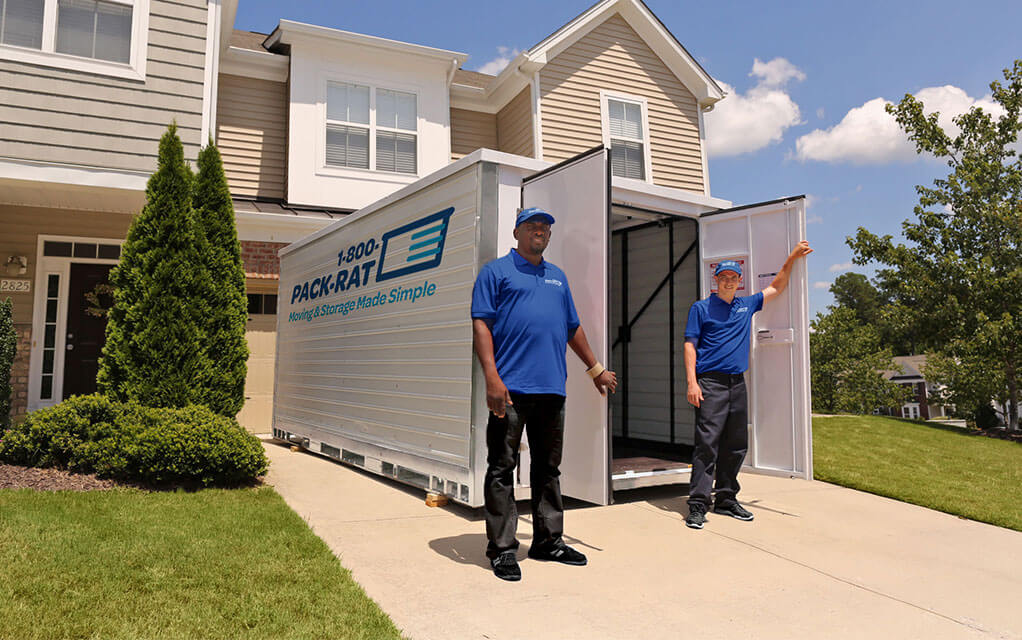
If you book your move with 1-800-PACK-RAT and use professional labor assistance, there will be no driving, no loading, and no stress on your part. It will be the simplest move you will ever make. We can even recommend trusted third-party auto shippers if needed. Whether you are making a local or long-distance move, or just need storage, 1-800-PACK-RAT has you covered. Give us a call or go online for a free quote today to get started and see how simple we can make your move!
Frequently Asked Questions About Preparing for Your Mover's Arrival
What are common mistakes to avoid when preparing for movers?
Common mistakes include failing to create a moving checklist, running out of packing supplies, and improperly packing fragile items, which can lead to breakage. Many people also forget to label their moving boxes, which makes unpacking difficult. To avoid these issues, plan ahead and give yourself plenty of time to prepare for your professional movers.
How can I save money when hiring moving helpers?
You can save money by decluttering and reducing the number of items you move. Hold a garage sale or donate to reduce the volume of stuff you will need to pack and take with you. Also, pack everything yourself and have it ready in a staging area so it's easily accessible in one spot. This allows moving helpers to work faster, which can lower your final cost if your laborers are paid by the hour.
Do I need to pack everything before the movers arrive?
If you've hired labor-only movers, yes, you need to have everything packed in moving boxes before they arrive. If you hired a full-service moving company to pack for you, then you don't. However, it’s always a good idea to pack your personal essentials and valuables yourself, and to confirm up front with your labor provider which services you will be paying for.
Should I prepare anything special for large furniture and appliances?
Yes, you should prepare large furniture and appliances. Empty and clean them out. Disassemble any large furniture if possible and tape screws to the item. Secure doors and cords with painters' tape. This makes it easier and safer for the moving help to load these items into your portable storage container or moving solution.
How far in advance should I start preparing for my move?
Ideally, you should start preparing for your move about eight weeks before your moving date. This gives you enough time to declutter, create a moving checklist, and pack without rushing. The first step is to set a timeline and begin sorting through items you won't need right away.
- Moving Tips (133)
- Home Organization (28)
- News Releases (23)
- Packing Tips (22)
- Fun Stuff (19)
- Portable Storage (18)
- Storage Tips (12)
- In the Community (11)
- Moving and Storage Tips (11)
- Moving Checklists (9)
- Household Moving (7)
- Moving on a Budget (5)
- DITY Move (4)
- Moving Company Comparisons (4)
- Home Maintenance Tips (3)
- Home Buying and Selling Tips (1)
- Interstate Moving (1)


