

Essential Tips for Moving In Together Successfully
September 02, 2026
Key Highlights for Moving in Together with a Roommate or Significant Other
- Open communication matters most when you move into a new home for the first time.
- Talk early about spending habits, bills, and how you will handle shared costs.
- Set a simple plan for household chores so one person does not carry the full load.
- Consolidate belongings before move day to avoid bringing duplicate items you do not need.
- Make room for privacy, quiet time, and conflict resolution in your daily routine.
- Clear rules help couples and roommates adjust faster and feel more comfortable together.
Moving into a new home with someone else can feel exciting and a little stressful at the same time. If this is your first time sharing a place with a boyfriend, girlfriend, or roommate, small details can affect your day fast. That is why open communication matters before the first box is packed. When you talk through money, chores, privacy, and packing early, you give your shared space a better start and make the move feel much easier.
Essential Tips for Moving In Together Successfully
Cohabitation works better when you make a real plan before you share a new home. Whether you are moving in with a romantic partner or testing a roommate setup, open communication helps with spending habits, budgeting, financial goals, and household chores. It is also a good idea to talk about cleaning, the mental load, and how you will split chores before resentment builds.
You should also cover the hard topics, not just the fun ones. Discuss the lease, a joint account or joint checking account, life insurance details if they matter to your finances, and what happens in the event of a breakup. Keep making time for date nights too. The tips below will help you build a smoother daily routine from day one.
1. Discuss Expectations and Set Clear Boundaries
Before you move in together for the first time, talk about what daily life should look like. Open communication helps you answer the biggest question early: what should you consider before sharing a new home? Start with boundaries around sleep, noise, guests, and alone time. These important things shape how comfortable you both feel.
Then get honest about quirks, hobbies, and your own schedule. One of you may love late-night TV while the other needs quiet time. One may want people over often, while the other wants more privacy. Saying this now can prevent small resentments later.

It also helps to talk about spending habits, financial obligations, and whether a joint account makes sense for shared bills. While it may feel awkward, discuss the event of a breakup too. Clear expectations protect both people and make the move feel more stable.
2. Plan Your Finances and Split Costs Fairly
Money talks can feel tense, but they make moving in with a significant other smoother. You don't need the same spending habits, but you do need a clear plan for household expenses, financial obligations, and fairness. Talk before you sign anything, not after the first bill shows up.
A simple budgeting talk should cover daily costs and bigger goals. You can keep separate accounts, use a joint checking account for shared bills, or mix both if that fits your financial goals.
- Decide how to split rent, utilities, groceries, and moving costs.
- Choose who buys shared basics like toilet paper and cleaning items.
- Talk about debt, recurring bills, and savings for surprise costs.
- Share life insurance details if they affect benefits or dependents.
The best system is the one you both can manage without confusion. Keep it simple, review it often, and adjust if your income changes.
3. Decide How to Divide Household Chores and Responsibilities
One of the fastest ways to create tension is to leave household chores vague. If you want fairness, make a clear plan before the mess starts. This is also the best answer to a common question: how can we fairly split chores and responsibilities after moving in together? Be direct and practical.
Do not focus only on visible cleaning. The mental load matters too. Someone has to notice when supplies run low, when laundry piles up, or when the bathroom needs attention. If one person tracks everything, resentment can build even if the other person helps sometimes.
- Split chores by preference, time, or a rotating schedule.
- Include invisible tasks like planning, shopping, and supply checks.
- Revisit the system if one person feels overloaded.
A simple schedule can go a long way. It keeps expectations clear and makes daily life feel less personal when chores need to get done.
4. Consolidate and Declutter Your Belongings
When moving into a smaller shared home, careful planning and thoughtful decisions can make the transition smoother and more enjoyable. Start by taking a combined inventory with your housemates before move day—lay out all furniture, kitchen essentials, decor, and daily basics to see exactly what you have between you. This process helps prevent unnecessary duplicates and ensures you keep only items that truly suit your new space.
Decluttering room by room is an effective strategy. When you encounter duplicate items, such as two coffee makers or several sets of dishes, choose the one that best fits your new layout or that both of you prefer for quality and style. Adopting a "one-of-each" approach works especially well in shared kitchens and living spaces. This not only streamlines packing but also reduces cleaning responsibilities and cuts down on expenses related to moving and storage.
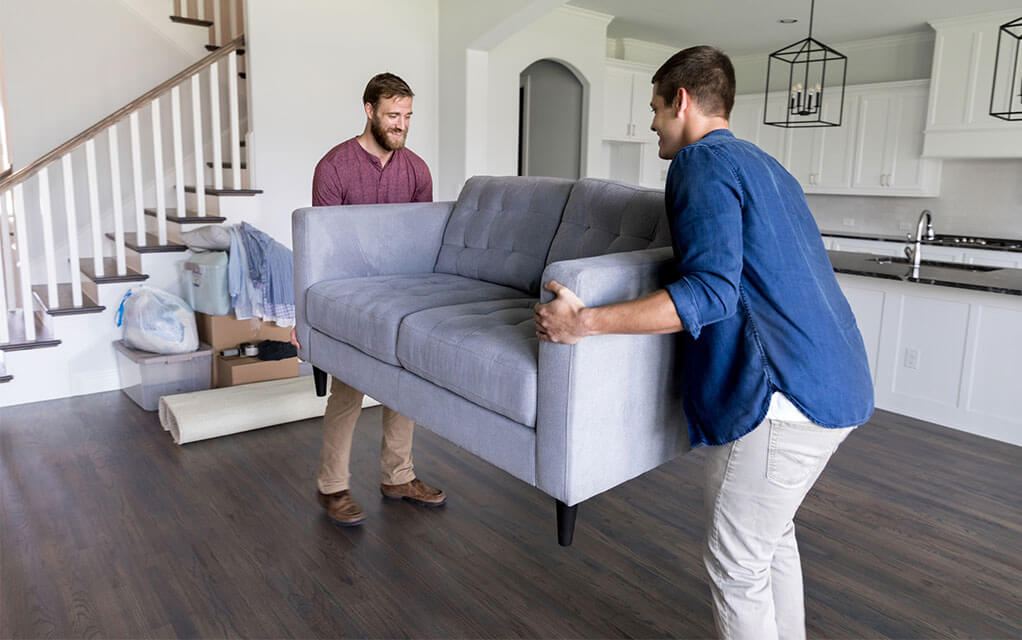
It’s normal for some choices to be emotional—sentimental keepsakes or items with personal history can be hard to let go of. If neither party can decide which version to keep, consider selling both and purchasing a new item together that fits your combined style. Alternatively, donate any useful items so they find a new home where they'll be appreciated. For sentimental pieces you’re not ready to part with, storing them gives you time to reassess their importance later without cluttering your new space.
Setting up a smaller shared home is also about maximizing comfort and functionality. Use multi-purpose furniture—like ottomans with storage or fold-out tables—to create more space. Use vertical storage solutions such as shelves or hooks to keep frequently used items accessible without crowding countertops and floors.
Be sure to always communicate openly with your roommate(s) throughout the process. Discuss expectations for communal areas versus private spaces, agree on how shared items will be cared for, and revisit arrangements periodically as needs change.
5. Create a Moving Checklist to Stay Organized
A moving checklist can keep your plans from turning into a last-minute scramble. If you want practical tips to make moving in with a significant other smoother, this is one of the best ones. Write down the important things early so each person knows what is happening and when.
Keep your checklist in one place that both people can access. A shared note or spreadsheet works well for logistics, packing plans, quotes, and paperwork. This also helps if you are comparing movers or planning around separate schedules.
- List due dates for deposits, utilities, lease papers, and move-out notice.
- Track who is packing what and what supplies still need to be bought.
- Save contact details for movers, the landlord, and building access rules.
A checklist does not need to be fancy. It just needs to be clear enough that nothing important slips through the cracks.
6. Communicate Openly About Lifestyle Habits
Sharing a home means sharing routines you may never have noticed before. That is why open communication about lifestyle habits matters so much. Before moving in together for the first time, talk about sleep, screen time, noise, and how you each reset after a long day.
Lifestyle habits include small things that can feel big in real life. Maybe one of you falls asleep with the TV on. Maybe one loves early-morning cleaning while the other sleeps in. Maybe hobbies take up common space. None of this is wrong, but it does need to be discussed.
Bring up quiet time without making it sound personal. You can say what helps you function best and ask the same from them. When you handle quirks early, you avoid the hard way of learning through repeated frustration.
7. Develop a System for Sharing Space
A shared home can change your dynamic because it turns visits into daily life. In a new living situation, fairness often comes down to space. Who gets which drawer, shelf, closet section, or work corner? Small choices like these can affect comfort more than you expect.
Start with logistics. Look at the layout of the new space and decide what each person needs for storage, work, rest, and hobbies. If one person is moving into the other person’s place, make room for both people in the decor and setup. No one should feel like a guest.

It also helps to respect each person’s own schedule. One person may need the kitchen early, while the other uses the living room late. A simple system for shared areas, cleaning routines, and decor decisions can make the space feel balanced.
8. Address Privacy and Alone Time Needs
Living together does not mean you stop needing space. In fact, boundaries around privacy are one of the healthiest parts of a shared home. If you want to maintain individual privacy, talk clearly about what alone time looks like for each of you before it becomes a problem.
Some people need quiet time after work. Others need a closed door, solo errands, or time with friends. That does not mean something is wrong. It just means your own schedule and energy needs still matter, even when you live together.
When privacy is ignored, resentment can show up in strange ways. One person may feel watched, interrupted, or overloaded by the mental load of always being available. A better plan is simple: agree that space is normal, ask before assuming, and protect each other’s downtime.
9. Find Solutions for Duplicate Items
When two households merge, it's common to be surprised by the sheer volume of duplicate possessions—everything from sofas and kitchen appliances to dishware and linens. Instead of transporting every item to your new shared home and sorting it out later, it's far more efficient to declutter beforehand. This proactive approach saves time and effort on moving day and helps reduce unnecessary clutter in your new space.
Begin by assessing each category of items side by side. For larger pieces like couches or dining tables, consider which one best fits your new home's layout and style. Sometimes, neither piece is ideal—in that case, selling both and purchasing a new one together can be a great way to start fresh with something you both love.
For everyday kitchen tools—such as coffee makers, blenders, or sets of utensils—keep only one of each unless you regularly entertain large groups. Donate the extras to charity or offer them to friends or family who might need them.

When it comes to décor, try mixing favorite pieces from both people so that the home feels balanced and personal for each partner. Thoughtfully combining decorative elements will help create a space where both feel represented.
Sentimental items often carry emotional weight, which can make decisions tough. Rather than rushing through these choices, consider storing sentimental duplicates temporarily. Once you've settled into your new environment, revisit these items after unpacking and cleaning; you'll likely have a clearer sense of what fits emotionally and physically in your shared life.
Overall, this systematic decluttering process not only simplifies move-in logistics but also ensures that your new home is comfortable, organized, and truly reflects both individuals' tastes and needs.
10. Plan the Move-In Date Together
Picking a move-in date should be a joint choice, not a rushed decision. This is good advice for couples and for anyone moving in with a roommate for the first time. Look at both calendars, lease dates, work demands, and travel plans before you lock anything in.
A shared date makes logistics easier for everyone. You can compare movers, plan packing days, and decide when the new home will be ready for sleeping, cooking, and daily routines. If one person’s lease ends earlier, it may help to adjust timing so no one feels pushed.
It is also smart to protect your energy around the move. Avoid stacking the move on top of major deadlines if you can. Leave time for important things like unpacking, setting up bills, and even simple breaks or date nights so the move does not feel like one long chore.
11. Set Up Utilities and Change Your Address
One very practical tip for a smoother move is to handle utilities and your address early. Set up electricity, water, internet, and any other services before move day if possible. Nothing makes a new place feel harder than arriving to missing basics and unclear due dates.
Decide whose name goes on each account and who will track payments. If you rent, ask the landlord what is already covered and what you must start yourself. Keep a simple list so both people know what is active, what still needs attention, and when bills are due.
It may also help to think ahead about records and access in the event of a breakup. Shared accounts, service logins, and mail can get messy fast if they are not organized. Change your address everywhere you need to as early as you can.
12. Prepare for Conflict Resolution
Disagreements are a natural part of any relationship, even in the happiest households. Real life introduces stress from work, chores piling up, and days when either partner feels exhausted or misunderstood. When couples move in together, they sometimes imagine everything will be smooth all the time, but this expectation can set them up for disappointment. Instead of aiming for zero conflict, aim for strong conflict-resolution skills.
Open communication is key, especially when small issues crop up repeatedly. If you brush off little annoyances hoping they'll disappear, resentment can slowly build beneath the surface. On the other hand, if you react harshly or assign blame during disagreements, issues can escalate quickly and become more difficult to resolve. The best approach is to talk about concerns early, before they grow into bigger problems, by being specific about what’s bothering you and focusing on behaviors rather than criticizing each other as people.

Weekly check-ins work well for many couples. Setting aside time to calmly discuss how things are going allows both partners to raise concerns in a low-pressure setting. This routine helps prevent minor frustrations from exploding into major arguments later. During these conversations, stick to one issue at a time and use concrete examples so your partner clearly understands your perspective.
When certain problems keep coming up—for example, disagreements about cleaning or finances—it helps to make a plan together on how to handle them in the future. Addressing ongoing patterns proactively reduces the likelihood that conflicts will spiral into something bigger that threatens your relationship.
Remember: repairing tension isn’t about having perfect words or never disagreeing; it’s about finding ways to reconnect and move forward after conflict arises. Small efforts to understand each other and keep communication open will go a long way toward building a resilient, happy home together.
13. Talk About Guests and Hosting Rules
Guests can be a bigger issue than people expect. If you are moving in with a friend, boyfriend, or girlfriend, one of the best ways to get along is to set hosting rules early. Open communication here can save a lot of resentment later.
Talk about how often guests are welcome, whether overnight visits need approval, and how family members fit into the plan. Some people are happy with an open door. Others need notice, especially on work nights or during busy weeks. Neither view is wrong.
It also helps to think about logistics and your own schedule. A guest on the couch may affect sleep, bathroom use, parking, or quiet time. When both people know the rules, no one has to guess whether a visit is okay.
14. Make Contingency Plans for Emergencies
Before you move in, ask a few hard but helpful questions. What happens if one of you loses income, gets sick, or has to travel suddenly? Good contingency plans for emergencies make a shared home feel safer, not colder. They show that both people are thinking ahead.
Talk through financial obligations and who would cover what if plans change fast. If life insurance, dependents, or support for family members affects your budget, mention it now. These details matter because they shape how much flexibility you really have.

You should also know who to contact in an emergency. Keep the landlord’s information handy, share important phone numbers, and decide how to reach family members if needed. These plans do not need to be dramatic. They just need to be clear and easy to follow.
15. Celebrate the Move and Build New Traditions
Living together can change your dynamic because your relationship becomes part of daily life, not just planned outings. That can be a very good idea if you protect the fun side of it. A new home should not become only about bills, boxes, and who forgot the dishes.
Take time to mark the start of this new life. If you moved in with a romantic partner, small rituals can help the place feel warm and shared. You do not need anything expensive or elaborate.
- Plan simple date nights at home while you settle in.
- Pick one meal, movie, or weekend habit to repeat each month.
- Build traditions around birthdays, holidays, or unpacking milestones.
New traditions help both people feel rooted. They also remind you that living together is not just a task list. It is a life you are building.
Moving With a Roommate: Practical Advice
A roommate situation needs the same kind of planning as moving in with a partner. In a new place, you still need clear talks about the lease, chores, privacy, and shared supplies. If you skip those talks, small issues can turn into daily stress.
Budgeting matters just as much. Discuss rent, utilities, shared items, and other financial obligations before move-in day. When both you and your roommate know the rules early, the home feels more stable, and the adjustment is usually much easier.
Identify Common Goals and Shared Values
If you want advice for moving in with a roommate for the first time, start with common goals and shared values. You do not need to be identical, but you should agree on the basics. What kind of home do you both want: quiet, social, tidy, flexible, or highly structured?
These talks shape cohabitation more than people think. Ask how each person views cleanliness, guests, noise, and daily routines. Talk about chores and what level of mess feels manageable. It is much easier to choose a roommate well than to fix constant tension later.

You should also discuss the lease and financial goals. Can both of you cover rent reliably? Do you want to keep costs low or spend more for comfort? Clear answers help you spot compatibility before the first payment is due.
Quick Tips on How to Move With a Roommate or Significant Other
Whether it is a roommate situation or a move with a boyfriend or girlfriend, the best tips are simple. Keep expectations clear, keep records shared, and keep the move as organized as possible. That is the easiest way to settle into a new living situation without extra stress.
You do not need a complicated system. You just need a few tools and habits that help both people stay on the same page from day one.
- Compare movers early and split costs in a way that feels fair.
- Use apps or a shared note for budgeting, bills, and shopping lists.
- Decide how laundry, trash, and cleaning will work before move-in day.
- Label boxes by room so unpacking is faster and less frustrating.
Small systems can prevent big arguments. They also make it easier to adjust when routines change.
Red Flags to Watch Out for Before Moving in Together
Some red flags show up before the move even starts. Pay attention if the person avoids money talks, dismisses your concerns, or makes big choices without you. In any roommate situation, that can lead to disagreements, resentment, and a very stressful home.
You should also pause if the timeline feels rushed. Moving in together because a lease is ending or money is tight can work, but not if one person feels pressured. It is better to slow down than learn the hard way after move-in.
- They hide financial obligations or refuse to discuss shared costs.
- They ignore the lease details or expect you to handle the landlord alone.
- They respond poorly to boundaries, planning, or honest questions.
These signs do not always mean disaster, but they do mean you should look more carefully before committing.
Packing and Organizing for a Smooth Move
Packing gets easier when you organize before the rush starts. If two people are moving into one new home, it helps to consolidate early so you don't box up things you already know will not fit. That saves time, effort, and space.
Good logistics also reduce stress on move day. Label clearly, sort by room, and decide what movers will handle versus what you want to carry yourself. A little planning before packing starts can make unpacking, cleaning, and settling in much smoother.
Efficient Packing Tips for Couples and Roommates
Efficient packing is all about thoughtful planning and minimizing the amount of stuff you bring with you. Before sealing up any boxes, take the time to sort through every item each person plans to move. Eliminate duplicates, outdated belongings, or anything that no longer serves a purpose—downsizing before moving is especially important if you’re transitioning into a smaller or shared space. This approach streamlines the entire process, saving both time and energy on moving day.
Once you’ve decided what to keep, organize items by room. Pack similar objects together and use clear, descriptive labels on every box (e.g., “Kitchen – Pots & Pans” or “Bedroom – Linens”). This level of detail will help your movers know exactly where to place each box at your new home and makes unpacking far more manageable.
Set aside a separate essentials box containing everything you’ll need for your first night—think toiletries, medications, chargers, a change of clothes, and basic kitchen items. This way, you won’t have to rummage through multiple boxes just to find toothpaste or pajamas after a long day. Make sure fragile items are packed securely with plenty of padding and clearly marked as “fragile” along with their destination room. Keep cleaning supplies easily accessible so you can do a quick wipe-down before settling in.
Packing boils down to making simple but smart decisions early in the process. By decluttering first and staying organized throughout, you’ll reduce stress and make move-in day feel much less overwhelming.
How to Consolidate and Pack for a Smaller Shared Space
When working with a smaller space, it’s essential to begin by carefully evaluating the floor plan. Start by measuring each room in your new home so you’ll know exactly which pieces of furniture can fit comfortably. This step prevents unnecessary stress and wasted effort from moving items that won’t work in your new layout. By understanding the dimensions and flow of your new rooms, you can make informed decisions about what to keep and what to donate or sell.
After mapping out your space, tackle decluttering one category at a time—such as clothing, books, kitchenware, or bathroom items. As you sort through each group, prioritize keeping possessions that are high-quality, practical for daily life, or carry sentimental value. In areas prone to clutter like kitchens and bathrooms, be honest about duplicates or items you rarely use; these are prime candidates for donating or discarding.

For sentimental objects or belongings that feel difficult to part with, consider capturing photographs before letting them go. Taking a picture allows you to preserve the memory without holding onto physical clutter—a useful strategy when downsizing or consolidating households.
If you’re not yet ready to decide on some items, or you have seasonal items you don’t need right away, portable storage solutions can provide breathing room during the transition. Services like 1-800-PACK-RAT offer portable storage containers that can be delivered right to your doorstep for easy on-site storage. This lets you pack gradually at your own pace and keeps extra belongings accessible but out of the way until you’ve finalized what fits best in your new home.
By approaching downsizing with a clear plan—measuring, sorting intentionally, using storage thoughtfully—you’ll create a more organized space that supports your lifestyle without unnecessary clutter.
Let 1-800-PACK-RAT Handle the Moving So You Can Focus on Other Stuff
Moving in together can be an exciting yet challenging new chapter for couples and roommates alike, and because of that, you should choose a moving company that can take the stress off of you so you can take the time you need to get everything in order as you move in. 1-800-PACK-RAT makes that possible!
1-800-PACK-RAT makes both moving and storage simple by bringing the solution directly to you. No more having to rent a traditional moving truck that you have to pack all in one morning or afternoon, drive yourself, unpack, and then return before incurring extra fees. No more renting a storage unit at a traditional storage facility that you have to drive back and forth to when storing or picking your stuff up. Our containers double as the moving and storage solution, making your life easier and less stressful. Whether you are moving locally across town or long-distance to the other side of the country, we can help!

Here is how it works: you select your preferred delivery date for your container, and we will bring it directly to your doorstep. You then take as long as you need to pack everything up at your own pace - no rushing or frantically packing everything up over the course of a few hours! When done, you can either keep your container on-site and accessible for however long you need it, or we come out, pick it up, and store it in one of our nationwide and secure 85+ storage facility locations for as long as you need, or begin the process of transporting it to your new home. It is that simple - no driving or stress is necessary on your part!
Let us make moving and storage even simpler with third-party services such as professional labor assistance, auto transportation services, or even junk removal for big decluttering projects. No matter your needs or situation, 1-800-PACK-RAT is here to make it easy. Give us a call today or get a free quote online right now to get the process started!
Frequently Asked Questions About Moving in Together
What are common mistakes couples and roommates make when moving in together?
Open communication is a cornerstone of any healthy relationship, but a common mistake many couples make is neglecting regular, honest conversations. This often leads to misunderstandings and unmet expectations. For example, assuming that household chores will “just work out” without explicitly discussing who is responsible for what can quickly create imbalance and frustration. Without clear agreements, one partner may feel they are carrying an unfair share of the workload, which can breed resentment over time.
Another frequent issue is avoiding important financial discussions. Many people shy away from talking openly about financial obligations and spending habits, either out of discomfort or fear of conflict. However, this avoidance often leads to bigger problems down the road—such as disagreements over budgeting or surprise expenses—that could have been prevented with earlier, transparent conversations.
Additionally, waiting too long to address problems in the relationship can make matters worse. When concerns are left unspoken or unresolved, negative feelings may fester and intensify. If one person feels unheard or burdened at home—whether because of chores, emotional labor, or financial stress—they may eventually become overwhelmed by resentment.
To prevent these issues, establish open lines of communication from the start. Set aside regular times to check in about responsibilities and how you’re both feeling. Make sure you discuss all topics—including uncomfortable ones like money—honestly and respectfully. By tackling issues early and working together as a team, couples can build stronger relationships based on trust and mutual understanding.
How can moving in together affect relationships or friendships?
A new living situation can bring people closer, but cohabitation also adds stress from daily routines, bills, and the mental load of sharing a home. Open communication helps you adjust to this new life. Without it, small habits and unmet expectations can change the relationship in difficult ways.
What important questions should be discussed before deciding to move in together?
When moving in together or sharing a living space, open communication is key to avoiding misunderstandings and ensuring a healthy partnership. Discussing boundaries means clarifying personal space, privacy, and preferences, including rules about guests, noise levels, and use of communal areas. Addressing the lease is important for legal clarity; both parties should understand who is listed as tenants, what happens if someone wants to move out early, and how responsibilities are divided according to the rental agreement.
Outline financial responsibilities to make sure you're on the same page about budgeting, saving, and who owes what. Are you sharing rent costs? Splitting the cost for utilities? Buying your own food? Identifying shared financial objectives helps prevent conflicts down the road. When it comes to household chores, it's helpful to establish a clear plan: Will each person have specific tasks? Will chores rotate weekly? Setting expectations from the start ensures that the workload feels fair and prevents resentment.
It’s also worth considering whether opening a joint bank account for shared bills like rent, utilities, groceries, or internet makes sense. This can simplify payments and tracking expenses but requires trust and transparency. Some couples prefer to keep finances separate while splitting costs through apps or transfers; others find a joint account more convenient.
Having these conversations before moving in together sets the tone for daily life and clarifies legal responsibilities. It also helps each person understand what the other expects from the arrangement—whether it’s emotional support, financial contribution, or participation in housework—so both partners feel comfortable and respected in their new home.
How do we establish boundaries and maintain individual privacy in a shared home?
Set boundaries early around privacy, quiet time, guests, and how shared rooms will be used. It also helps to agree on chores and cleaning so no one feels watched or overburdened. When both people respect alone time, the home usually feels calmer and more balanced.
- Moving Tips (133)
- Home Organization (28)
- News Releases (23)
- Packing Tips (21)
- Fun Stuff (19)
- Portable Storage (18)
- Storage Tips (12)
- In the Community (11)
- Moving and Storage Tips (11)
- Moving Checklists (9)
- Household Moving (7)
- Moving on a Budget (5)
- DITY Move (4)
- Moving Company Comparisons (4)
- Home Maintenance Tips (3)
- Home Buying and Selling Tips (1)
- Interstate Moving (1)


