

Create A Moving Inventory Checklist for Your Upcoming Move
March 04, 2026
Moving is never fun. Whether you have a local or long-distance move planned, you will inevitably need to pack everything you own. That can be a daunting task! Between the different stages of the moving process, it is easy to get overwhelmed or lose track of important things when packing. Creating an inventory checklist is a great way to stay organized during your 1-800-PACK-RAT move, especially on moving day.
Take a look at some of our favorite tips for creating a detailed and organized inventory list, as well as what moving solution would work best for you to move to your new location at your own pace.
Tip #1: Get Started Early Packing for Your Move
As with most things, preparation can make all the difference between achieving success and facing failure. Waiting until the day before a move to pack your items is a surefire way to ensure a chaotic and stressful move. Time and preparation are the key ingredients for a smooth and successful move. This is one of the reasons why 1-800-PACK-RAT portable storage containers are so popular for moving services.
Our portable storage containers let you pack your things and remove them from your home at your own pace. You get to choose your moving timeline. Whether you only need one week from start to finish or you prefer to work over the course of a month, just let us know how much time you will need to pack and unpack your unit, and our moving experts will help you create a timeline that works best for you. You can also use our space calculator tool to gauge how much stuff you will be able to fit into your portable moving unit, and if you will require more than one container for your move.
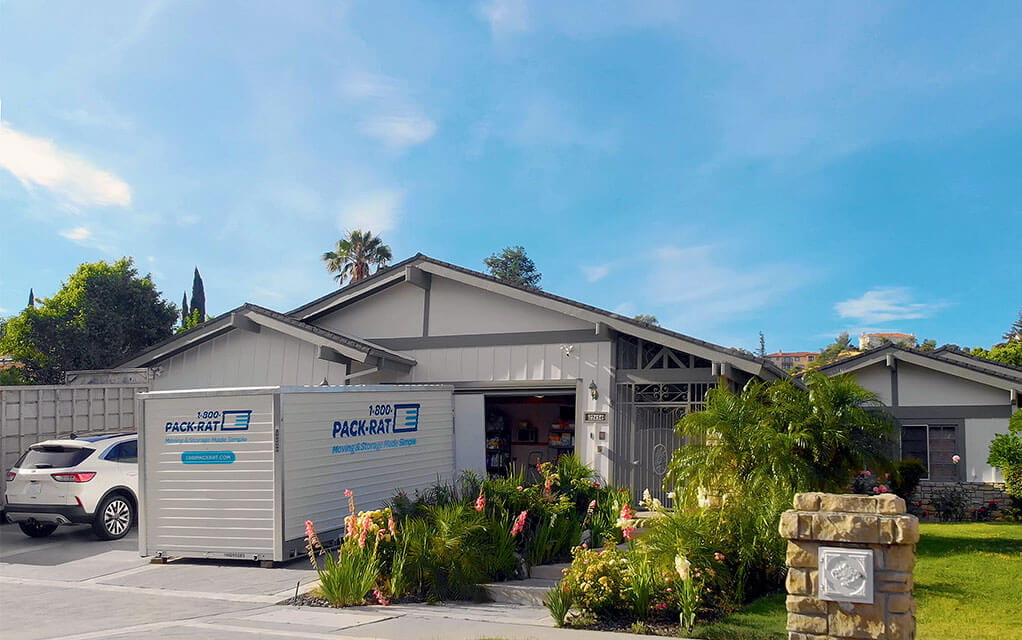
Before you start packing, you will also need moving and packing supplies, such as moving boxes, mattress covers, and more. 1-800-PACK-RAT has partnered with Lowes® Home Improvement to offer these supplies and more. Check out your local Lowe's location, or order your supplies online and get started!
Why portable storage containers are the right moving solution for you
In the past, moving and storage were done via a big rental truck that you had to pack and drive all in one day, and an off-site storage area that you had to make multiple trips to. With portable storage containers, the moving and storage solution is brought directly to you. It is the best way for anyone who wants to make a move or store their stuff on their own terms and at their own pace. No more driving back and forth, crazy deadlines, or overage fees for not doing it all in one 4-hour span.
Our all-steel portable storage containers are weather-resistant and feature barn-style doors that provide more packing space, are harder to break into, and won't jam in case the contents shift inside. They can also be packed at your own pace, meaning you can stick to your plans, draft your inventory list, and set yourself up for success when your container is delivered to your new home for unpacking. We make it simple so you don't have to stress!
Selecting the right container size for your upcoming move
While our 16-foot option is definitely the most popular, if you have a smaller move or need to store less stuff, the other options can work as well. All of our containers work the same way: you pick the delivery date, enjoy peace of mind as you pack at your pace, and we pick it up and deliver it to your new home or place it into secure storage at one of our 85+ nationwide warehouse locations.
While our 16-foot option is definitely the most popular, if you have a smaller move or need to store less stuff, the other options can work as well. All of our containers work the same way: you pick the delivery date, you pack at your pace, and we pick it up and deliver it to your new home or place it into secure storage at one of our 85+ nationwide warehouse locations.
If you need help determining how many containers you will need, or if you want to check the detailed inventory list of your belongings against what our container can hold, use our handy space calculator and download our weight estimator sheet to ensure you don't go over the weight limit for your container.
Tip #2: Choose An Inventory Checklist Method
You can choose from several options to keep up with your moving checklist. You can go old-school and use pen and paper, or harness the power of technology and find an app to keep up with everything. If you decide to keep everything on paper, be sure to take a picture of your lists. Things get lost easily in a move — which is why we need checklists!

The important thing is to use a method that works best for you. If you don't spend much time on your phone and navigating different apps is complicated, don't try to learn new things as you are getting ready for a busy time. If you enjoy creating spreadsheets, use those skills to your advantage and make an inventory spreadsheet. Either way, it is a good idea to use an inventory checklist method you are comfortable with and that best suits your needs.
Tip #3: Use A Strategic Approach
One of the benefits of an inventory checklist is to create organization amid chaos. So consider which approach you would like to take to ensure all your things are packed in an orderly manner. This is why starting early is essential — the extra time allows you to make strategic moves rather than rushing through your house in a time crunch to vacate the property, and it helps professional movers better understand your needs.
Most people pack and inventory everything in a single room before moving on to the next one. Another popular choice is to group like items together. For instance, going from room to room and gathering all the books to be packed together or grouping all the electronics; that way, every item type has its unique space. This will also allow you to double-check and ensure everything was packed correctly.
Room-by-room packing strategy for your move
A room-by-room packing strategy is an effective way to organize your move from your old home and minimize chaos. By tackling one room at a time, you can maintain focus and ensure nothing is overlooked. It’s best to start with rooms that are used less frequently, such as guest bedrooms, storage areas, basements, or attics. This allows you to gradually pack up your home without disrupting your daily routine.
Using your inventory checklist, be sure to document every item so nothing gets lost or forgotten along the way. Clearly label each box with its contents and the room it belongs to; this simple step will make unpacking much smoother once you arrive at your new house.

To streamline the process even further, consider implementing a color-coding system. Assign a distinct color to each room—perhaps blue for the kitchen, green for the living room, red for the master bedroom, and so on—and use colored tape or stickers on your boxes. This visual cue will help both you and any movers quickly identify where each box should go in your new space.
Take extra care when packing fragile items by using plenty of bubble wrap, packing paper, or towels for padding. For essential everyday personal items—such as toiletries, chargers, medications, and a change of clothes—pack them separately in a clearly marked “essentials” box so they’re easy to find right away.
As you finish each room, do a final walkthrough to make sure nothing has been left behind in closets or drawers. This kind of systematic approach will help make your entire moving process more organized and give you the strategy you need to settle into your home more quickly.
Tip #4: Be Detailed With Your List
When you create your inventory list, use item details. You don't need to list every detail for every item. There is no need to know the color and style of every throw blanket or pillowcase, but for your valuable items like electronics or furniture, the details could come in handy in the rare event that those items are lost or damaged. Those details could help with an insurance claim if you need to file one.

Here are a few pieces of information you should document for your high-cost items:
- Serial numbers
- Make and model numbers
- Purchase date and cost
- Receipts or pictures of receipts
- Insurance policies you might have on said items
Keep any important documents with you at all times—don’t let these items sit in a box or other container. This can include medical records, insurance policies, credit card information, etc. You should also keep anything with sensitive financial or personal data with you at all times during the moving process.
Tip #5: Take Pictures of Your Stuff
Not everyone will want to take the time to photograph their items, but again, this type of documentation can be invaluable for insurance purposes if you must file an insurance claim. You can limit your photos to sentimental items, furniture, electronics, jewelry, appliances, and any other belongings you find difficult to replace. Some people choose to make videos going through their rooms before getting packed up.
Additionally, keeping a visual record of your belongings not only streamlines the insurance claim process but also provides peace of mind. In case of theft, natural disasters, or accidental damage, having detailed photos or videos can serve as concrete proof of ownership and condition, leaving little room for disputes with your insurer. It’s best to include close-up shots of serial numbers, receipts, and any distinguishing features that help verify authenticity or value.
While it may seem tedious at first, this proactive step can save you considerable time and stress during what is typically a challenging period following a loss. Some insurance companies even offer mobile apps specifically designed for home inventory management, which can simplify the process further by allowing you to store descriptions, purchase dates, and values alongside each photo or video entry.
Tip #6: Label And Number Boxes
One of our favorite ways to organize your boxes is to clearly label the contents of each box with permanent markers and assign it a number. When you look at your master list, you should be able to quickly identify which boxes contain which items. You can even note which area of the 1-800-PACK-RAT container you placed each box in. Here is an example of what that could look like:
BOX #23: (1) king-size fitted sheet, (1) king-size flat sheet, (2) standard-size pillowcases, (1) king-size comforter. Located in the left-back corner of the unit. Primary bedroom.

This makes it easier for you, and especially for those assisting you with unpacking (whether family and friends or professional labor providers), to know exactly where everything is supposed to go, rather than just piling everything in the doorway or main living area. This is where color-coding or numbering boxes for a specific room they belong in can come in handy when you begin unpacking and setting up your new home.
1-800-PACK-RAT Is the Moving Company That Can Help Make Your Move Easy
These tips will help you create the perfect inventory moving checklist when you are ready to relocate.
If you are moving soon and still looking for a quality moving partner to simplify your local or long-distance move, look no further than 1-800-PACK-RAT! We bring the moving solution to your door - no more renting a large and unfamiliar traditional moving truck that you have to drive and pack yourself all in one day. Our moving containers are the perfect solution, allowing you to move at your own pace and on your own schedule.
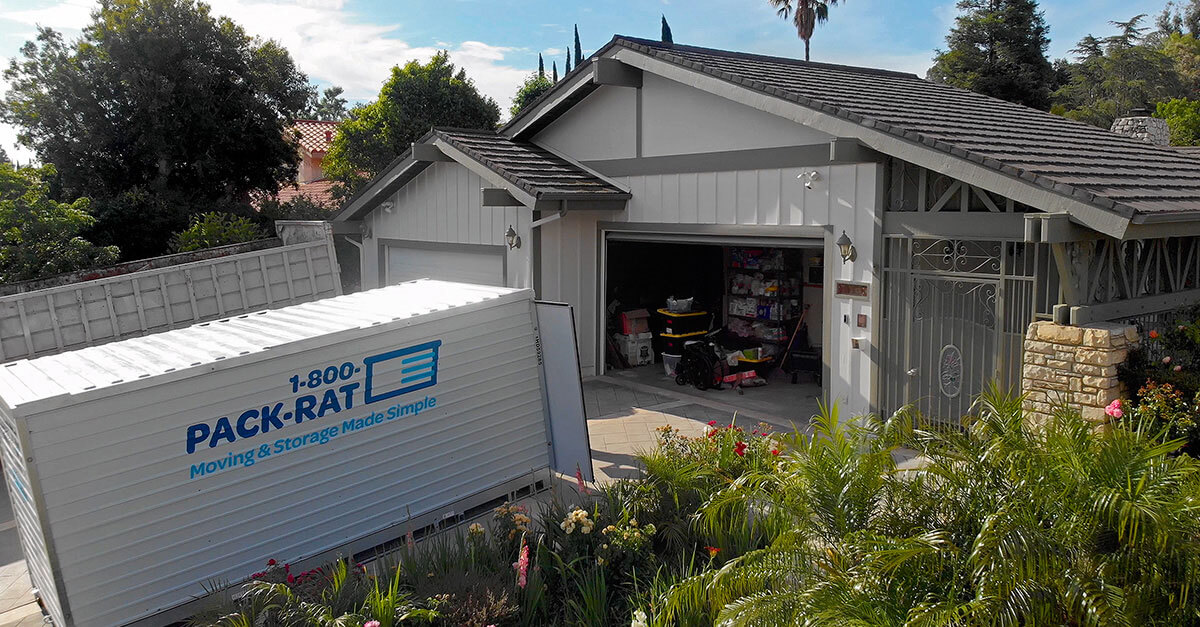
Here is how 1-800-PACK-RAT works: we bring a container to your home, you pack it at your pace, then we pick it up and deliver it to your new home or place it into secure storage at one of our nationwide storage facilities for as long as you need. It is that simple.
Call our team of moving experts today or go online to get started with a free quote and experience how simple 1-800-PACK-RAT can make your move!
Frequently Asked Questions About Making a Moving Inventory List
What should a moving inventory list include?
A comprehensive moving inventory list is an essential tool for ensuring your relocation goes smoothly, and nothing gets lost or left behind. Start by categorizing all your belongings by room—such as kitchen, bedroom, living room, bathroom, and garage—which makes both packing and unpacking much more efficient. Within each category, itemize specific pieces of furniture (for example: “queen bed,” “dresser,” “nightstand”), major appliances (“refrigerator,” “microwave,” “washer/dryer”), electronics (“TV,” “laptop,” “speakers”), and smaller household items.
For valuables or fragile belongings like heirloom china, jewelry, artwork, or glassware, be sure to note their special handling requirements on your list. This helps ensure they are packed with the right materials and treated with extra care during transit, especially when dealing with heavy items.
Implementing a color-coding system can further streamline the process. Assign each room a different color (e.g., blue for the kitchen, red for the master bedroom), using colored stickers or tape on boxes that correspond with your written inventory. Indicate these colors in your list so movers—and you—instantly know where each box should go in your new home.
Include columns for box numbers (to keep track of what’s inside each box), notes about condition (especially for valuable items and smaller items), and whether something will be moved personally or by professionals. Taking photos of high-value or fragile items before packing provides added documentation in case you need to file an insurance claim.
Why should I create a moving inventory checklist?
Creating a moving inventory checklist helps you stay organized during your move. It ensures you track all items, reducing the risk of loss or damage. Additionally, this checklist simplifies the packing and unpacking process, ensuring everything is accounted for, making your transition smoother and less stressful.
Are there any moving inventory templates I can download for free?
Yes, in fact, we here at 1-800-PACK-RAT have one you can download right now to help you get started! Our checklist will give you a good foundation to begin your move, from planning your upcoming tasks to creating an inventory list of your belongings. You can also download some inventory templates here to help you get started.
What should I pack first when moving?
When preparing for a move, it’s smart to begin by packing non-essential items—these are things you can live without in the weeks leading up to your moving day. Start with seasonal clothing that’s out of rotation, decorative pieces such as artwork or collectibles, and books you won’t need right away. This early decluttering not only lightens your workload for later but also gives you the opportunity to sort through belongings and donate, sell, or discard anything you no longer need.
As your moving date approaches, gradually shift your focus toward items you use more frequently. Leave daily essentials like kitchenware, toiletries, important documents, and a few changes of clothes unpacked until the very end. Consider creating an "essentials box" filled with these must-haves; this ensures everything you need for your first night and morning in your new home is easily accessible.
Label all boxes clearly by room and contents to streamline both loading and unpacking. Taking inventory as you pack can help you keep track of your possessions and ensure nothing gets lost during the transition. Don’t forget to set aside time for cleaning each room as it’s emptied—this makes final clean-up much faster.
How long can it take for one person to pack up a house?
Packing a house can take anywhere from 2 to 5 days for one person, depending largely on the size of the home and the number of belongings, including larger items, to be packed. Smaller apartments or homes with minimal possessions may require only a couple of days, while larger family homes filled with years’ worth of items can extend the process to five days or more.
Several factors influence how long packing will take. Organization is key; individuals who have already decluttered and sorted their belongings will find the process much quicker than those who need to decide what to keep, donate, or discard as they go. Packing skills also play a role—those familiar with efficient packing techniques, such as grouping similar items together and properly labeling boxes, can save significant time. The number and type of items matter as well; fragile or oddly shaped objects may require extra care and special materials.
The more hands you have helping, the faster the process will go!
- Moving Tips (133)
- Home Organization (27)
- News Releases (23)
- Packing Tips (21)
- Fun Stuff (19)
- Portable Storage (16)
- In the Community (11)
- Moving and Storage Tips (11)
- Storage Tips (10)
- Moving Checklists (9)
- Household Moving (7)
- Moving Company Comparisons (5)
- Moving on a Budget (5)
- DITY Move (4)
- Home Maintenance Tips (3)
- Home Buying and Selling Tips (1)
- Interstate Moving (1)


