

How to Organize for a Move: A Step-by-Step Guide
September 23, 2025
Key Highlights of Organizing for an Upcoming Move
- Simplify your moving process by creating a detailed moving binder to keep all your important documents and checklists in one place.
- Start the packing process early by decluttering your home and deciding what to keep, donate, or throw away.
- Use a color-coded labeling system for your moving boxes to make it easy to know where each box goes in your new home.
- Get the right packing tips by sorting your belongings by room and category before you begin packing.
- Set a clear moving date and timeline to give yourself enough time to pack without feeling rushed.
- Pack an "essentials box" with items you'll need on your first night, making your arrival smoother.
Moving to a new home is an exciting new chapter, but let's be honest—the moving process can feel overwhelming. You might be looking at everything you own and wondering, "Where do I even begin?" The good news is that with a little organization, you can make your move significantly less stressful. This guide will show you the best way to organize for a move, providing a step-by-step plan that makes packing, moving, and settling into your new home a breeze.
Understanding the Basics of Moving Organization
At its core, moving organization is about creating a system. It turns the chaotic moving process of getting from your old home to your new house into a series of manageable tasks. Instead of randomly throwing items into moving boxes, you will have a clear plan of action, turning chaos into order.
This proactive approach helps you know what to do and when to do it. From sorting your belongings to labeling boxes correctly, having a strategy is the key to a smooth and successful move.
Why Staying Organized Makes Moving Easier
Have you ever felt stressed during a move? Staying organized is your best defense against that feeling. When you have a clear plan, the entire moving process becomes less chaotic and more controlled. You can avoid the last-minute panic of trying to pack everything at once, which often leads to misplaced items and unnecessary stress. Thinking about your last move, what would you have done differently?
The first steps you should take to organize for a move involve creating a system. This could be a moving binder or a digital checklist that breaks down the big job into smaller, more achievable tasks. By tackling one thing at a time, you build momentum and confidence.
Ultimately, being organized saves you time and energy when you arrive at your new home. Instead of facing a mountain of mystery boxes, you will know exactly where everything is, allowing you to unpack and settle in much faster. It transforms the experience from stressful to satisfying.
Common Challenges People Face When Moving
Even with the best intentions, moving can present several common hurdles. Knowing what these are ahead of time can help you prepare and avoid feeling overwhelmed. Many people find they simply don't have enough time to get everything done, leading to a rushed and stressful experience.
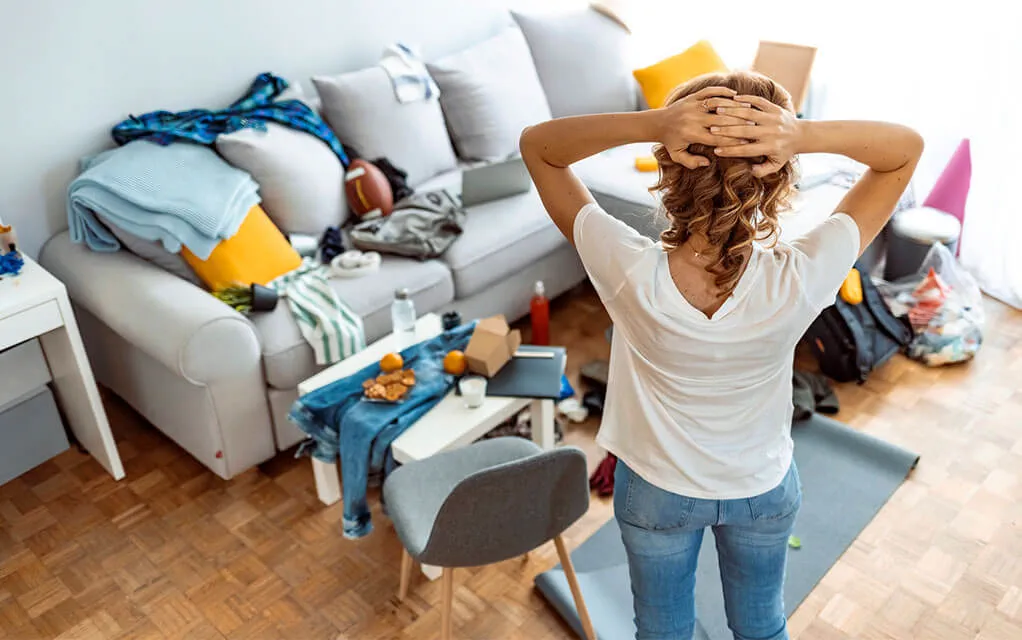
Common moving challenges include:
- Underestimating how much stuff you have to pack.
- Not having a system for labeling and tracking boxes.
- Dealing with fragile or heavy items without the right supplies.
- Running out of time and energy before the big day due to overworking yourself in the lead-up.
A lack of a clear packing schedule is another major issue. Without one, you might pack essential items too early or leave difficult rooms for the last minute. The sheer amount of items, including heavy items and bulky furniture, can also be physically and mentally draining to prep and load. How can you avoid feeling overwhelmed while organizing for a move? Recognizing these challenges is the first step.
Planning Your Move: The Key to a Smooth Transition
A successful move begins long before you pack the first box. The key to a smooth transition lies in careful planning. By setting a firm move date, selecting a mover that works on your schedule, and creating a comprehensive moving checklist, you create a roadmap for the entire moving process. This preparation is what makes the difference between chaos and calm.
When you have a plan, you are in control of your move. The following steps will guide you through setting a timeline and building a checklist that will help you navigate your move to a new home with confidence.
Setting a Moving Date and Timeline
One of the most important first steps you should take to organize for a move is choosing your moving date. Select a date as far in advance as possible and begin vetting moving companies early - especially if you are moving in the peak season of late spring to mid-summer. This gives you enough time to plan, pack, and handle all the related tasks without feeling rushed. A longer timeline is always the best way to reduce stress.
Once you have your moving date, work backward to create a timeline. Break down the moving process into weekly goals. For example, eight weeks out, you can focus on decluttering. Six weeks out, you can start gathering moving supplies. Four weeks out, you can begin packing non-essential items.
This approach prevents procrastination and ensures you make steady progress and hit your goals. Having a timeline makes the monumental task of moving feel much more manageable and gives you a clear path to follow, ensuring you have enough time for everything.
Creating an Effective Moving Checklist
How can you create a practical moving checklist? Start by getting a moving binder, a dedicated notebook, or download our moving checklist to help get started. This will be the central hub for your entire moving process. A checklist is a good idea because it ensures you don't forget any crucial tasks, from changing your address to canceling utilities.
Start by brainstorming every task you need to complete. Divide your list into categories based on your timeline, such as "8 Weeks Out," "4 Weeks Out," and "Moving Week." This makes the list less intimidating, leaves wiggle room as other things inevitably come up, and makes it easier to follow. Your moving binder can hold this master checklist along with other essential documents.

A practical checklist might include:
- Tasks: Schedule movers, transfer records, updating your address with key vendors, or forwarding your mail.
- Packing: Designate a room to pack each week to make the packing process less intense.
- Supplies: Create a comprehensive list of the supplies you will need and purchase them.
- Contacts: Keep phone numbers for utility companies and movers.
What You’ll Need to Organize for a Move
Having the right tools on hand is crucial for a smooth and organized move. Before you start, gather all your packing supplies so you don't have to make last-minute store runs. This includes more than just boxes and packing tape; think about everything that will make the job easier and protect your belongings.
From labeling markers to protective wrap, being prepared will streamline your efforts. Whether you're moving things to a new home or a temporary storage unit, the right supplies will help you pack efficiently and keep your items safe.
Essential Packing Supplies and Tools
What are the best ways to pack my belongings and stay organized during a move? It starts with having the right packing supplies. Using quality materials protects your items and makes the process smoother. Don't skimp on tape or boxes, as flimsy materials can lead to damage. A sturdy cardboard box and strong packing tape are your best friends.
Create a small packing kit you can carry from room to room. Include a tape gun, a permanent marker, a pen, and your box labels. This keeps everything you need within arm's reach. You’ll be surprised how much time this simple step saves.
Your essential supply list should include:
- Boxes: A variety of sizes (small, medium, large) and strengths (heavy-duty or dual-layered).
- Tape: High-quality packing tape and a tape gun.
- Markers: Permanent markers for labeling.
- Protective materials: Packing paper, cushion wrap, foam sheets, or bubble wrap.
Digital and Printable Checklists for Tracking Progress
Are there any printable checklists for organizing and packing for a move? Absolutely, and they are a game-changer. Using printable checklists (such as the one you can download from us) in a moving binder allows you to check off tasks, which can be very satisfying physically. You can also use digital apps or spreadsheets if you prefer to keep track of things on your phone or tablet.
The goal is to have a centralized place to monitor your progress. This system helps you see what’s done and what’s left to do, keeping the moving process on track. An inventory list is especially helpful. As you pack each box, assign it a number and log its contents.
Here is a simple inventory setup you can use in your moving binder:
- Box #1: Kitchen - Plates, bowls, glasses (fragile)
- Box #2: Primary Bedroom - Sweaters, jeans, shoes, pillows, bedding
- Box #3: Home Office - Books, binders, computer cables
- Box #4: Living Room - Photo frames, decor items, throw pillows, decorations, electronics, and accessories
Step-by-Step Guide to Organizing for a Move
Now it's time to get into the action. This step-by-step guide will walk you through the entire moving process, from purging your belongings to packing your final box. Following these best tips will help you manage your big move methodically and reduce the potential for stress.
Each step is designed to build on the last, creating a logical flow that makes sense. Are you ready to tackle your move and get settled into your new home with ease? Let’s begin.
Step 1: Declutter and Decide What to Keep or Purge
How do I decide what to keep or purge before moving? The first step is to be honest with yourself about how much stuff you truly need. Moving things you no longer use is a waste of time, space, and energy. Go through each room and create three piles: keep, donate/sell, and toss.
Start this process as early as possible to avoid making rushed, last-minute decisions. Tackle one entire room or even just one closet at a time to keep from feeling overwhelmed. Ask yourself if you have used the item in the last year. If not, it’s probably time to let it go.
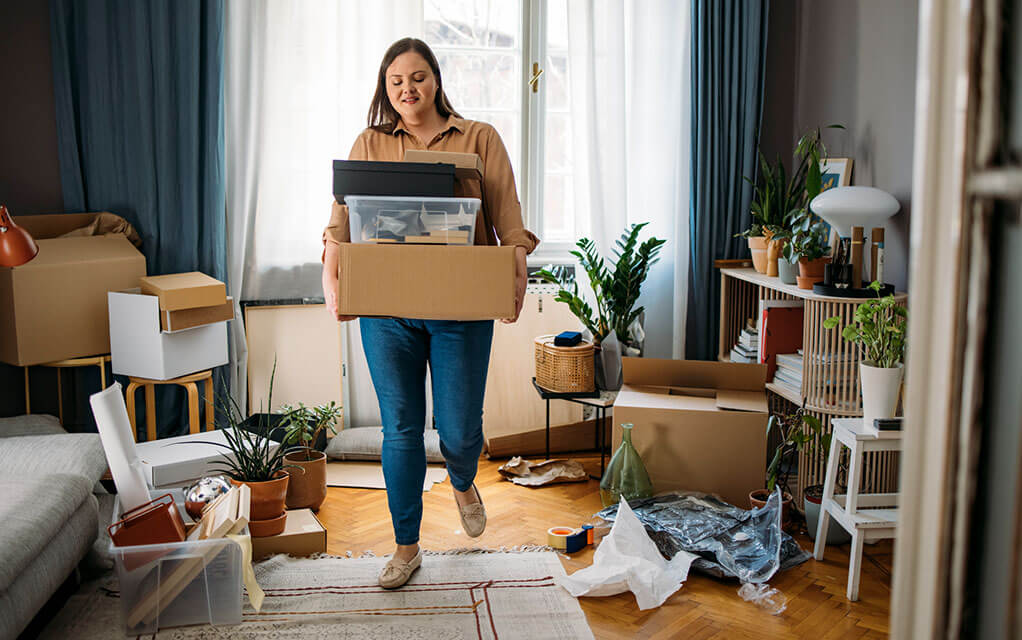
Decluttering is freeing. It not only simplifies your packing process but also gives you a fresh start in your new home. Plus, you will have fewer boxes to move, which is always a win.
Step 2: Sort Belongings by Room and Category
Once you have decluttered, the next step is to sort what’s left. Grouping similar items makes packing much more efficient. Before you even grab a box, go through each room and organize items into logical categories. This strategy will also help you set up your new home efficiently in the future.
For example, in your office, group all books together, all stationery in another pile, and all electronics in a third. Do the same for your kitchen, closets, and other storage areas. This prevents you from packing random items together, which only creates confusion during unpacking.
Here are some categories to consider:
- Kitchen: Cookware, dishes, small appliances, pantry items.
- Bedroom: Clothes, shoes, bedding, accessories.
- Living Room: Books, electronics, decor, blankets.
- Garage: Tools, sports equipment, seasonal items.
Step 3: Labeling and Inventory Tips for Boxes
Can you suggest tips for labeling and sorting boxes for a move? A great labeling system is your secret weapon for an organized move. Don't just write the room name on the box; get more specific. Being detailed now will save you a ton of guesswork later.
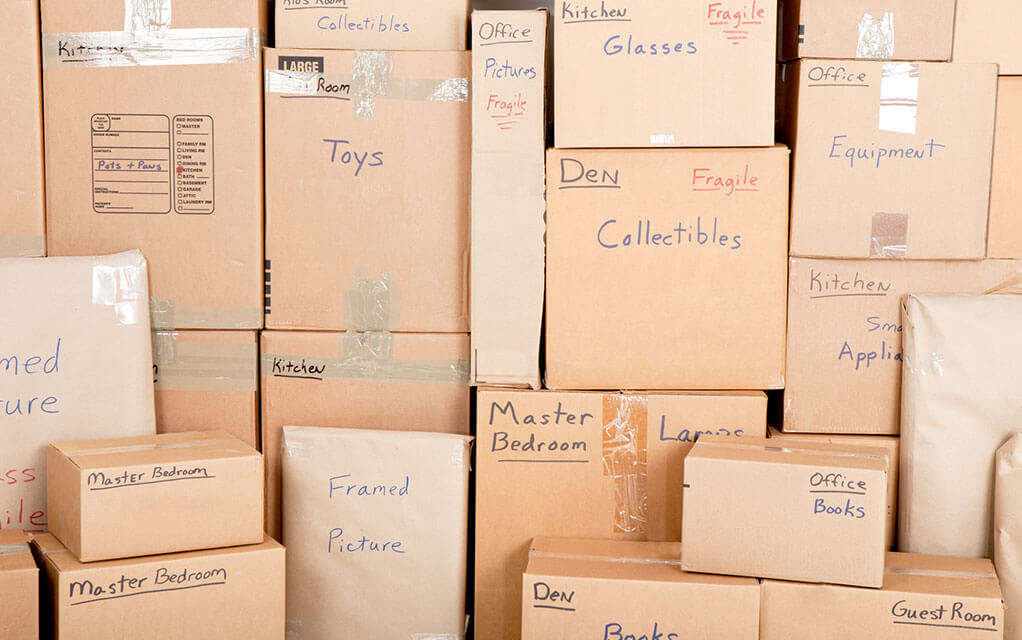
One effective method is to use a color-coding system. Assign a different color to each room in your new house (e.g., blue for the main bedroom, green for the kitchen). Place a colored sticker or use a colored marker on each box. You can even put a matching sticker on the door of each room in the new home so movers know exactly where to go. Also, number each box and keep a corresponding inventory list in your moving binder.
Effective labeling tips include:
- Label the top and at least one side of every box.
- Write the general contents (e.g., "Kitchen - Pots and Pans").
- Note if the contents are fragile.
- Indicate which boxes to open first.
- List items for a specific area, like the home office.
Step 4: Packing Strategies for Different Items
What are the best ways to pack your belongings and stay organized during a move? The key is to use different strategies for different items. Not everything can be packed the same way. For fragile kitchen items, for example, wrap each piece individually in packing paper and stack plates vertically like records.
Use items you already own for extra padding. Towels, blankets, and sheets are perfect for cushioning delicate decor items. For clothing, consider using wardrobe boxes that allow you to move clothes on their hangers. This saves you from folding and unfolding everything. Don't make boxes too heavy; distribute weight evenly to make the heavy lifting easier.
Here are some packing strategies:
- Use small boxes for heavy items, such as books, and ensure they are dual-layered for extra support.
- Keep clothing in drawers by wrapping the drawer in plastic wrap or get specialty wardrobe boxes.
- Pack electronics in their original boxes if possible to keep them safe.
- Bundle silverware and wrap it in plastic.
- Use foam sheets between plates and bowls or other fragile items.
Step 5: Preparing an Essentials Box for Moving Day
One of the best life hacks for moving is to pack an "essentials box." This box contains everything you'll need for your first 24 hours in your new home. After a long day of moving, the last thing you want to do is hunt for your toothbrush or a clean set of sheets.
What should go in this box? Think about your immediate needs. Include toiletries, medications, a change of clothes for everyone in the family, and important documents. Also, pack a few snacks, bottled water, a shower curtain, toilet paper, and basic tools like a box cutter and scissors.
Keep this essentials box with you in your vehicle, or pack it as the last item in your portable storage container so that it is the first thing you unpack at your new home. It’s your survival kit for that first night and will help you feel comfortable in your new home right away.
Room-by-Room Packing Tips for Maximum Organization
Packing an entire house can feel like a huge task, but breaking it down room by room makes it manageable. Each room presents its own unique challenges, from fragile items in the kitchen to bulky clothes in the bedroom. The best way to stay organized is to have a specific packing routine for each room.
By focusing on one area at a time and sorting similar items, you can pack more efficiently and make unpacking a much simpler task. Let's look at some strategies for different rooms.
Efficiently Packing Bedrooms, Closets, and Bathrooms
What room-by-room packing tips help keep a move organized? When it comes to bedrooms, closets, and bathrooms, efficiency is key. For clothes, wardrobe boxes are a lifesaver. You can simply move hanging clothes from your closet directly into the box, which makes unpacking a breeze. For folded clothes, use medium-sized boxes or even leave them in dresser drawers (just be sure to secure the drawers and that they won't be overly heavy to move.
In the bathroom, be careful with liquids. Make sure all bottles are tightly sealed and consider placing them in plastic bags to prevent leaks. Pack towels, the shower curtain, and a bath mat in an easy-to-access box, or even your essentials box, so you can set up the bathroom quickly.
Here are some quick tips:
- Pack out-of-season clothing and items first.
- Use small boxes for heavy items like shoes.
- Declutter your medicine cabinet before packing, and save necessary medicines for your essentials box.
- Keep a bag of essential toiletries separate for moving day.
Organizing and Packing Kitchens, Living Rooms, and Garages
The kitchen, living room, and garage often feel like the most difficult rooms to pack. For the kitchen, start by packing items you use less frequently, like special-occasion dishes or small appliances. Wrap all fragile kitchen items carefully and label the boxes clearly. Following a packing schedule helps ensure you leave daily-use items for last.
In the living room, take pictures of the back of your electronics so you remember how to reconnect them. Pack books in small boxes to manage the weight. For the garage, sort through tools, equipment, and miscellaneous items. This is a great time to dispose of old paint or chemicals safely, as most moving companies won't transport them. The garage often becomes a catch-all, so be ruthless in decluttering the storage space.

Room-specific tips include:
- Stack pots and pans with packing paper in between.
- Use original boxes for TVs and electronics.
- Bundle and label all cords and cables.
- Empty and clean out all appliances.
- Drain fluids from any lawn equipment.
Life Hacks to Stay Organized and Avoid Overwhelm During Your Move
Moving is known to be stressful, but it doesn't have to be a completely overwhelming experience. With a few clever life hacks, you can streamline the moving process and keep your sanity intact. These stress-reducing tricks are a good idea for anyone facing a move, whether it's your first time or your tenth. The goal is to work smarter, not harder. By implementing simple strategies, you can manage the chaos and focus on the excitement of your new home. From packing shortcuts to mental tricks that keep you motivated, these tips are designed to make your move easier.
This approach also helps answer the question, "What life hacks can make the organizing and moving process easier?"
Stress-Reducing Tips and Tricks for Moving Day
How can you avoid feeling overwhelmed on the big day? The key is preparation and perspective. Start your moving day early to give yourself plenty of time. Have snacks and water readily available to keep your energy levels up. It’s a marathon, not a sprint.
Accept that things might not go perfectly. If you have 85% of your boxes perfectly organized, that’s a huge win. Don't stress if the last few boxes are a jumble of miscellaneous items. The goal is to get everything moved, not to achieve perfection with every single item. If you have young children, consider having a new toy or activity ready to keep them entertained while you continue packing.
Here are some stress-reducing tricks:
- Get a good night's sleep before moving day.
- Have a designated person to direct your moving company or professional labor assistance.
- Put on some upbeat music to keep the mood light while you pack.
- Take short breaks throughout the day so you don't burn yourself out.
- Drink plenty of water, even if you aren't moving in the summer heat; dehydration can become deadly if you don't stay hydrated!
Settling In: Setting Up and Organizing Your New Home Quickly
You've made it to your new home! The movers are gone, and boxes now surround you. Now the next phase begins: turning this new place into your home. The way you unpack and organize can make all the difference in how quickly you settle in.
With a smart strategy, you can transform your new location from a sea of cardboard into a comfortable, functional space in no time. Let’s explore the best ways to set up your new address efficiently.
Unpacking Order and Priorities
How can you quickly set up and organize your new home after a move? The secret is to have an unpacking plan. Don't just start opening boxes randomly. Prioritize the rooms that will give you the biggest sense of normalcy and comfort. Start with your essentials box to get immediate needs met.
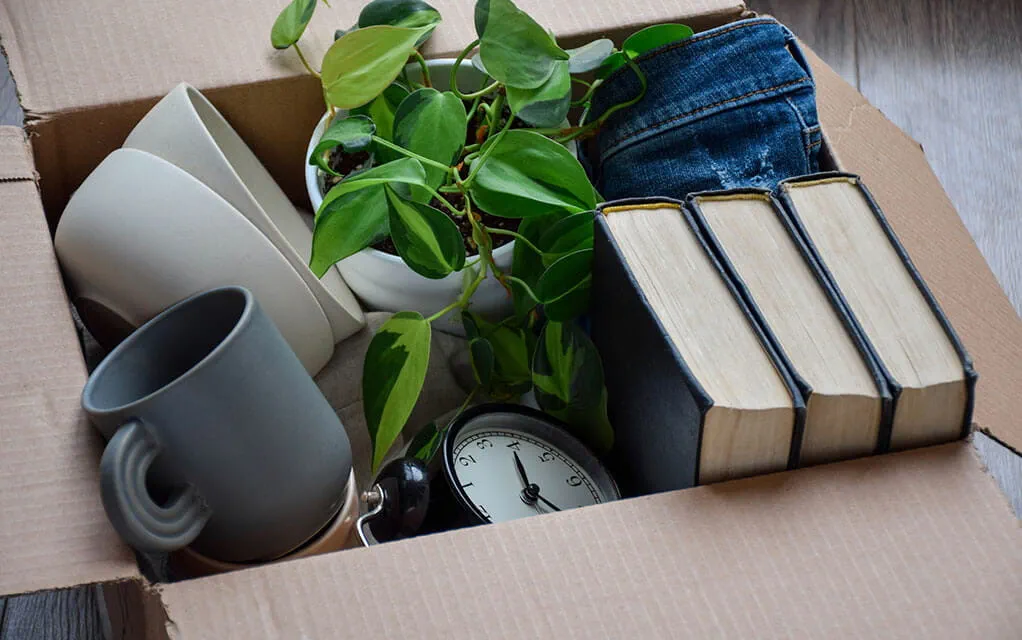
After that, focus on the kitchen and the bedrooms. Setting up your bed ensures you'll have a comfortable place to rest. Getting the kitchen functional means you can start preparing meals at home, which saves money and feels more normal. The living room and home office can wait.
Your unpacking priority list should look like this:
- Your essentials box
- The main bedroom & bathroom
- The kitchen
- Other essential areas (like a child's room)
Following this order provides some of the best tips for a quick and organized setup in your new home.
Tips for Organizing Each Room After the Move
What are the best strategies to set up your new home efficiently? As you unpack each room, start by placing the large furniture first. This defines the layout of the new space and helps you see how much room you have to work with. Once furniture is in place, you can start unpacking boxes.
Work on one room at a time to avoid feeling overwhelmed. Unpack all the boxes for that room before moving on to the next. As you unpack, put things away in their logical new spots. Don't just pile items on surfaces. Use this as an opportunity to set up organized systems from day one. If you used a storage unit, apply any lessons learned about what you truly need.
Here are some organizing tips:
- Set up your closets and storage systems first.
- Wait to hang decor items until most of the unpacking is done.
- Break down boxes as you empty them to clear space.
- Take your time to create a space in your new house that you love.
Let 1-800-PACK-RAT Help Organize the Toughest Parts of Your Move
Moving can be a daunting task, but with the proper organization and planning, it can also be a smooth and rewarding experience. Another way to ensure the organization of your move is to choose a moving company that handles the logistics of your move, thereby eliminating key stressors from the equation. That is where 1-800-PACK-RAT comes in.
We make moving and storage simple by bringing the solution to you, instead of you having to drive somewhere distant to retrieve a moving solution, pack it, and drive it all yourself. 1-800-PACK-RAT works differently: You select your preferred moving date, and we deliver a portable storage container to your location, which you can pack at your own pace for as long as you need. When you are done, we will come out and pick up your container and deliver it to your new home. Or, if you aren't ready for it, we can store it in one of our local, nationwide secure storage warehouse facilities until you need it. It is that simple.
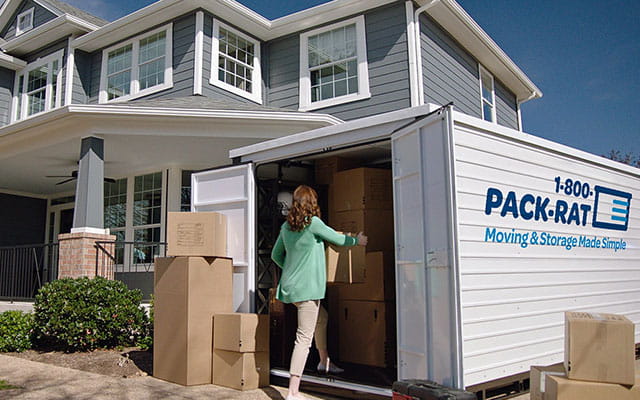
Whether you are moving locally, going long-distance, or need to store some stuff for a home renovation project, 1-800-PACK-RAT has you and your needs covered. Call us today to learn more, or, if you are ready to get started, get a free quote now and secure your preferred delivery date today!
Frequently Asked Questions About Organizing for a Move
How do I stay motivated and avoid feeling overwhelmed during a move?
To stay motivated, break down the moving process into small, manageable tasks. Celebrate small victories, like packing one room. Keep your eye on the prize: your beautiful new home. Taking regular breaks and asking for help are also good ideas to avoid burnout during a big move.
What’s the smartest way to label and sort moving boxes?
The best way to label moving boxes is with a consistent system and log everything, just like inventory. Use colored markers or tape to assign a color to each room. On each label, write the room, a brief list of contents, and a box number. This makes it easy to sort similar items, direct movers, and prioritize packing when the move is completed.
Are there printable checklists that can help me organize my move?
Yes, printable checklists are incredibly helpful. You can find detailed lists online or create your own to put in a moving binder. They help you track everything from packing the entire room to remembering to clear out your storage space, ensuring nothing is forgotten in your old or new house.
What are the best strategies to set up my new home efficiently?
To set up your new home efficiently, unpack rooms in order of priority: essentials first, then the kitchen and bedrooms. Assemble furniture before unpacking boxes to define the new space. Unpack one room completely before starting another, and consider professional movers to place heavy items correctly from the start.
- Moving Tips (133)
- Home Organization (28)
- News Releases (23)
- Packing Tips (22)
- Fun Stuff (19)
- Portable Storage (18)
- Storage Tips (12)
- In the Community (11)
- Moving and Storage Tips (11)
- Moving Checklists (9)
- Household Moving (7)
- Moving on a Budget (5)
- DITY Move (4)
- Moving Company Comparisons (4)
- Home Maintenance Tips (3)
- Home Buying and Selling Tips (1)
- Interstate Moving (1)


