

Tips to Manage Moving Stress Effectively
August 22, 2025
Key Highlights of Dealing With Moving Stress
- Acknowledge that moving stress is a normal reaction to a big move and can impact your mental health.
- Proactive planning with a detailed timeline and checklist is one of the most effective practical strategies.
- Decluttering before you start packing can significantly reduce your workload and stress levels.
- Using flexible solutions like portable storage containers from 1-800-PACK-RAT allows you to handle packing on your own schedule.
- Prioritizing self-care and open communication provides crucial family support during the transition.
- Recognizing the symptoms of moving anxiety helps you address them before they escalate.
Relocating to a new home is often ranked among the most stressful life events. The moving process, whether it is across town via a local move or long distance, involves a mix of excitement for the future and anxiety about the change. This big move can take a toll on your mental health if you don't manage the pressure effectively. Fortunately, with the right strategies, support, and moving partner, you can navigate the challenges, reduce stress, and make your transition a positive experience.
Understanding Moving Stress and Its Impact
Moving stress is a natural response to the significant disruption a relocation causes in your life. It's more than just a feeling of being busy; it can have real consequences for both your mental and physical health. Acknowledging that these feelings are valid is the first step toward managing them.
The upheaval of leaving a familiar environment can trigger a wide range of emotions. Understanding why this process is so difficult and what emotional challenges you might face can help you prepare. With emotional support and practical planning, you can protect your well-being throughout the move.
Why Is Moving One of Life’s Most Stressful Events?
Why does a change of address cause so much turmoil? A poll conducted in 2020 confirmed that many people find moving to be an incredibly stressful experience, even more so than other major life changes. This is because moving disrupts nearly every aspect of your daily life. You are not just changing your location; you are leaving behind comfort, familiarity, and established routines.
These drastic changes create a sense of uncertainty and loss. Your home is often a source of stability and personal memories, and leaving it can trigger feelings of anxiety and sadness, not to mention potentially leaving behind friends and memories created around your home. The pressure of moving day is amplified by logistical hurdles, from coordinating transportation to managing expenses, which all contribute to a feeling of being overwhelmed.

Adjusting to a new environment adds another layer of stress. You have to navigate unfamiliar streets, find new essential services, and build a social network from scratch. These emotional challenges, combined with the practical demands of the move, are why relocating is considered such a significant life stressor.
Emotional Challenges Associated with Relocating
The emotional toll of a relocation can be substantial, often catching people by surprise. It is perfectly normal to feel a sense of sadness or grief for the life you are leaving behind. These feelings are a natural part of processing a significant transition and letting go of your old home and community.
Beyond sadness, many people experience anxiety about the future: Will you like your new surroundings? Will you make new friends? Worries like these can be persistent and impact your mental health. In some cases, these feelings can develop into relocation depression, a form of situational depression tied directly to the move. If you begin to experience these feelings or start to feel overwhelmed by them, please speak with your doctor or a mental health expert to help you find a solution.
Coping with these emotions involves giving yourself grace and time to adjust. Acknowledge your feelings instead of ignoring them. Focus on creating comfort in your new space, stay connected with loved ones, and slowly explore your new neighborhood to build familiarity.
Recognizing Symptoms of Moving Anxiety and Relocation Depression
It is entirely normal to feel sad or anxious after moving to a new city. However, it's important to recognize when these feelings go beyond typical stress and become symptoms of moving anxiety or relocation depression. These mental health conditions can manifest in various ways, affecting you both physically and emotionally.
Being aware of the signs allows you to take action early, preventing the stress from escalating. Understanding how a move can impact your mental health helps you prioritize self-care and seek support when needed.
Typical Signs of Moving-Related Stress
Moving-related stress doesn't just stay in your head; it can show up in your body and behavior. The constant pressure and physical exertion can lead to a range of side effects that impact your well-being. Recognizing these signs is the first step toward managing them.
Some of the most common symptoms include both emotional and physical reactions. You might find yourself feeling on edge or unusually tired. Common signs to watch for include:
- Irritability and mood swings
- Persistent exhaustion or fatigue
- Headaches and body aches
- Difficulty sleeping or insomnia
These physical health symptoms are your body's way of telling you it's under too much strain. Acknowledging these signals allows you to take a step back, rest, and focus on strategies that promote positivity and reduce stress, ensuring the move doesn't compromise your health.
How Moving Can Affect Mental Health
A major move or significant life change can act as a trigger for mental health challenges like anxiety and depression, especially if you're already prone to them. The overwhelming nature of relocating can disrupt your emotional equilibrium, leading to persistent feelings of sadness, worry, and isolation that go beyond the typical stress of a busy period.

If these feelings last for more than a few weeks and interfere with your daily life, it may be time to seek professional help. Talking to mental health professionals or joining support groups can provide you with coping strategies and a safe space to process your emotions. Online therapy has also become a valuable and practical resource for people navigating major life transitions. Sites such as BetterHelp and Headway can connect you with mental health professionals both in your area or across the country that can help with your specific needs.
Here is how moving stress can manifest in different ways:
- Mental Health - Common signs include increased anxiety, feelings of depression, irritability, difficulty concentrating, and social withdrawal.
- Physical Health - Common signs include headaches, fatigue and exhaustion, body aches, insomnia, changes in appetite or weight.
Contact a professional if you begin to experience these symptoms, or speak with a loved one about getting some assistance if you notice them going through these types of stress-related issues.
Steps to Prepare for a Stress-Free Move
One of the best ways to combat moving stress is to take control of the logistics through careful preparation and getting as much done and planned as possible prior to your move. By planning ahead, you can turn a chaotic process into a series of manageable tasks, and you can remove a lot of the stress that you can control from the equation. Creating a detailed moving checklist and timeline is a crucial first step to feeling less overwhelmed.
This proactive approach helps you systematically handle everything from packing up your old home to coordinating the move itself. When you break down the process into smaller steps, you can tackle each one without the last-minute panic that often fuels anxiety.
Planning Ahead: Creating a Realistic Timeline
A realistic timeline is your roadmap to a low-stress move. Start planning at least eight weeks before your moving date. Your first step should be to create a comprehensive checklist of every task you need to complete, from booking your moving solution to changing your address with utility companies. You can download our moving checklist here to help get started!
Break down the timeline week by week. For example, eight weeks out, you can focus on researching moving options, decluttering, and packing seasonal items you won't need or things stored away in closets or the attic. Six weeks out, start gathering your additional packing and moving supplies, such as moving blankets, bubble wrap, and dollies - if you need professional labor assistance or auto shipping services, start researching and planning these now as well. By assigning tasks to specific weeks, you avoid the feeling that everything needs to be done at once.

If you need additional help creating a checklist for your move, then read our ultimate moving checklist blog to help get started!
Working backward from your move-out date gives you a clear sense of your deadlines. This structure helps you stay organized and on track, turning a daunting project into a series of achievable goals. Having a plan eliminates the chaos and significantly reduces the stress associated with relocating to a new location.
Decluttering and Organizing Before Packing
Before you pack a single box, take the time for some serious decluttering. Moving is the perfect opportunity to sort through your belongings and decide what you truly need. Less stuff means less to pack, move, and unpack, which instantly reduces your workload and stress.
Go through your home room by room and sort items into four piles: keep, donate, sell, and discard. This process can be therapeutic, giving you a sense of control and accomplishment. Reducing clutter has been scientifically shown to have a positive impact on your mental well-being, helping you feel calmer, more focused, and in control of your living situation.
As you organize, create a dedicated folder for all important documents, such as moving contracts, birth certificates, and financial records. Keep these types of items and documents with you at all times - this will help reduce any anxiety later on if you need to quickly access an important document only to have it packed away in your moving solution.
A clutter-free start makes a huge difference in how smoothly your move and unpacking process will go.
Pack a Day-Of Bag With All the Essentials
Another way to mitigate stress during a move is to have an essentials or day-of bag/box packed with everything you and your family will need for your first night in your new home. Consider packing the following items:
- Change of clothes/pajamas
- Toiletries such as toilet paper, toothbrush, toothpaste, floss, and anything else you will need to freshen up
- Medications and over-the-counter medicines for aches and pains
- A special toy or stuffed animal for your children to help them settle in
- Anything that might help make your first night in your new home easier
- Phone chargers and essential documents
- Snacks, water bottles, and a first-aid kit
- Bedding and towels
Be sure to pack this bag or box into your moving container or solution last, so it is the first thing you can access at your new home.
Making Packing Easier with Portable Storage Containers
Packing is often the most time-consuming part of any move. The pressure to get everything boxed up on a tight schedule can be immense, especially if you are making a move using a traditional moving truck method.
Using a portable storage container allows you to take control of the packing and loading process. Instead of rushing to pack and load a large moving truck that you then have to drive, you can work at your own pace. This flexibility is a game-changer for anyone looking to make packing a more manageable and less frantic experience.
Benefits of Using 1-800-PACK-RAT Portable Storage
What makes portable storage such a great alternative to a traditional moving company? The primary advantage is flexibility. With a service like 1-800-PACK-RAT, a secure, all-steel, weatherproof container is delivered directly to your home. You can then take your time packing it, eliminating the pressure of a single, hectic moving day.
This approach puts you in control. You decide when and how to pack, and once you are ready, the container is picked up and transported to your new house. This removes the stress of driving a large rental truck and doing all the heavy lifting in one go.
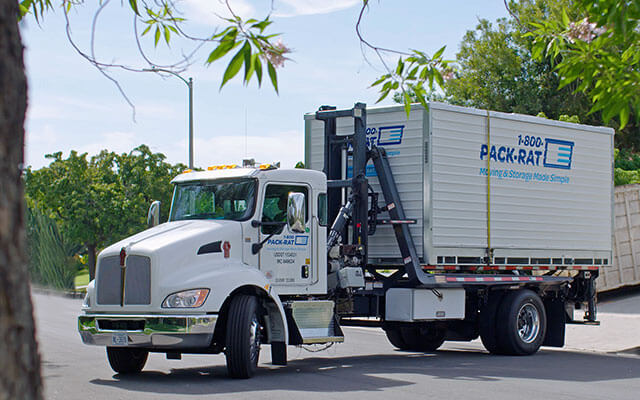
The benefits are clear and directly address common moving stressors:
- Pack at Your Own Pace: Pack and load your stuff on your schedule and keep your container for as long as you need it.
- Ultimate Convenience: 1-800-PACK-RAT handles all of the driving and logistics of your move - from delivery to transportation, we do it all.
- Ground-Level Loading: No need to carry heavy items up and down a ramp - leverage our barn-style doors for adding packing space, security, and peace of mind.
- Secure Warehouse Storage: If you're not ready for your belongings to be delivered or prefer to keep them safe off-site, your moving container can serve as a storage container and be securely stored in one of our 80+ nationwide locations for as long as needed.
Tips for Efficient Packing and Loading
Once you have your moving plan, efficient packing can make all the difference. Start by packing items you use least often, such as seasonal decor or books. Save daily essentials for last to avoid having to dig through boxes later. A clear packing checklist can help you stay organized.
Label every box with its contents and the room it belongs to in your new home, and consider making an inventory list that is either number or color-coordinated. You can then have your helpers move your boxes and stuff to the correct location in your new home, saving you time and stress in the days following your move. This simple step will save you hours of frustration during the unpacking process.
Having these belongings easily accessible means you can settle in for a good night's sleep without having to search for necessities, starting your life in your new home on a positive note.
Practical Strategies to Stay Calm Throughout Your Move
Amid the chaos of moving, it is crucial to prioritize your mental well-being. Focusing on relaxation and self-care can help you stay grounded and maintain a sense of positivity. Don't let the moving to-do list completely take over your life.
By incorporating manageable daily habits, such as taking short breaks or getting regular exercise, you can keep stress levels in check. These small but consistent efforts will equip you to handle the challenges of the move with a calmer, clearer mind.
Incorporating Breaks and Self-Care
Moving is a marathon, not a sprint. Pushing yourself to the point of burnout will only increase your stress. That is why building self-care into your moving schedule is non-negotiable. Taking intentional breaks for relaxation will help you recharge physically and mentally.
Don't underestimate the power of basic daily habits. Getting enough sleep, eating nutritious meals, and staying hydrated are fundamental to managing stress. When your body feels good, your mind is better equipped to handle pressure. Regular exercise, even a short walk, can also work wonders for your mood.
To make self-care a priority, try these simple practices:
- Schedule short, 15-minute breaks every few hours.
- Listen to your favorite music or a podcast while you pack.
- Spend time in nature, which is proven to boost mental health.
- End the day with a relaxing activity, like taking a bath or reading a book.
Coping Techniques for Moving Day Stress
Moving day is often the peak of stress, but having some coping techniques ready can help you stay calm. No matter how well you have planned, unexpected issues can arise. The key is to remain flexible and focus on solutions rather than getting overwhelmed by problems.
Maintaining a positive attitude can make a huge difference. Remind yourself of the exciting new chapter ahead and the reasons you are moving to a new place. Simple relaxation practices can also help you stay grounded when you feel your anxiety rising.

Here are a few quick coping techniques to use throughout the day:
- Deep Breathing Exercises: When you feel stressed, take a few slow, deep breaths to calm your nervous system. Try box breathing or a similar breathing exercise to help calm yourself down during times of increased stress and pressure.
- Stay in the Present: Focus on one task at a time, rather than worrying about the entire packing and moving process.
- Ask for Help: Don't be afraid to lean on friends, family, or your movers for support. If you feel something is wrong or are feeling more down than usual, please ask a friend or family member for help.
- Celebrate Small Wins: Acknowledge your progress as you complete tasks to keep your morale high - as previously stated, moving is a marathon, not a sprint.
Supporting Your Family and Loved Ones During the Transition
A move doesn't just affect you; it impacts everyone in your household. Providing family support is essential for a smooth transition. Remember that your partner, children, and even pets are also experiencing the stress of leaving old friends and a familiar environment behind.
Creating an atmosphere of open communication and teamwork can help everyone feel heard and supported. By tackling the move as a united front, you can navigate the challenges together and strengthen your bonds while providing crucial emotional support. Lean on friends and family to help during these times.
Open Communication and Shared Responsibilities
The foundation of a supportive family move is open communication. Create regular opportunities for everyone to share their feelings about the relocation. Acknowledge their fears and excitement without judgment. This validates their emotions, helping them feel understood, and clarifies the reasons behind a move, especially when it involves children.

Shared responsibilities also foster a sense of teamwork. Involve everyone in the planning and packing process by assigning age-appropriate tasks. When everyone contributes, the workload feels lighter, and family members feel more invested in the move's success. This also models a healthy way to handle challenges together, setting a good example for children.
Encourage everyone to stay connected with old friends while also talking positively about the opportunity to meet new friends. Discussing ways to get involved in the new community, like joining clubs or support groups, can help ease anxieties about fitting in.
Helping Children and Pets Adjust to the Move
Children and pets are susceptible to the disruption of a move. For a smoother transition, it is crucial to address their needs with extra care. Involve your children in the process by letting them pack their own special box of toys or help choose decorations for their new room.
Maintain as much routine as possible. Keeping consistent meal times and bedtime routines provides a sense of stability in a new environment. Talk openly with your children about the move, answer their questions honestly, and emphasize the positive aspects of your new neighborhood.
For pets, a new home can be disorienting. On moving day, keep them in a quiet, secure room with familiar items like their bed and toys. Once you arrive at the new house, set up their space right away so they have a safe, familiar-smelling area to retreat to.
Let 1-800-PACK-RAT Take On Some of Your Moving Stress Today!
Moving can be one of life’s most daunting challenges, but with the right strategies in place, it doesn’t have to be overwhelming. By understanding the emotional impacts of relocating and recognizing symptoms of moving anxiety, you can take proactive steps to alleviate stress. Preparation is key; creating a realistic timeline, decluttering your space, and utilizing portable storage containers from 1-800-PACK-RAT can significantly ease the packing process.
Our primary goal is to make moving and storage simple. We achieve this by creating a moving and storage model tailored to your schedule. Here is how it works: you pick your container delivery date, and we will drop off a container at your home. You then take as long as you need to pack it at your own pace. When done, we will pick up your container and deliver it to your new home or place it into storage for as long as you need. It is that simple.

We take the stress out of the equation. No more having to worry about packing, driving, unpacking, and returning a large moving truck all in one day. Leverage our portable storage container solution that the competition cannot match, whether their containers are only one size and too small, or their container construction doesn't match our container's durability. If you are anxious about storage, we bring it to you, so you only need to pack and unpack once - no more trips to an off-site, traditional storage area, which wastes both your time and money.
Give us a call today or get a free quote online now to get started and experience the simplicity and flexibility that 1-800-PACK-RAT can give you!
Frequently Asked Questions About Managing Moving Stress
Is it normal to feel sad or anxious after relocating?
Yes, it is entirely normal. Relocation is a significant life event that disrupts your routine and removes you from familiar surroundings. Feelings of sadness and anxiety are common reactions as you process the change and adjust to life in a new city.
Are there professional resources for managing moving stress?
Absolutely. If moving stress feels overwhelming, seeking professional support is a great idea. Mental health professionals, online therapists, and local support groups can provide coping strategies to help you navigate the emotional challenges of moving to a new city.
What simple strategies help make packing less overwhelming?
To make packing less overwhelming, start by decluttering your belongings and creating a moving checklist and inventory list. Use a detailed checklist to stay organized, pack room by room, and label everything clearly, so that the unpacking process ensures everything goes to the right room it belongs in. Using a portable storage container also allows you to pack at your own pace, allowing you to move and store your stuff at a pace that is comfortable for you and your family.
Are there any relaxation techniques or practices that can help during the moving process?
Yes, simple relaxation techniques can make a big difference. Practice deep breathing exercises when you feel stressed, take regular breaks, and maintain a positive mindset. Incorporating these manageable daily habits helps you stay calm, especially on moving day.
What are some effective strategies to reduce stress when planning a move?
Creating a detailed timeline and checklist about eight weeks in advance is a great start. Breaking down logistics into smaller tasks, decluttering before you pack, and booking your moving company and any additional services you might need early on will significantly reduce planning stress.
- Moving Tips (133)
- Home Organization (27)
- News Releases (23)
- Packing Tips (21)
- Fun Stuff (19)
- Portable Storage (16)
- In the Community (11)
- Moving and Storage Tips (11)
- Storage Tips (10)
- Moving Checklists (9)
- Household Moving (7)
- Moving Company Comparisons (5)
- Moving on a Budget (5)
- DITY Move (4)
- Home Maintenance Tips (3)
- Home Buying and Selling Tips (1)
- Interstate Moving (1)


