

10 Pro Tips for How to Make Moving Easier Today
August 27, 2026
Key Highlights of How to Make Your Upcoming Move Easier
- Decluttering your home well in advance is crucial for a smoother moving process.
- Creating or using a comprehensive moving checklist keeps you organized.
- Hiring a reputable moving company can alleviate stress and provide peace of mind.
- Plan utility switch-over dates to avoid inconvenience when you arrive at your new home.
- Labeling boxes clearly ensures efficient unpacking and helps movers place them in the correct rooms.
- Consider portable storage options for added flexibility during your move.
Moving to a new home is the start of a new chapter. However, the moving process can be stressful. By planning ahead and using smart tips, you can make your move easier. This guide from 1-800-PACK-RAT offers useful ideas and tips, from getting packing supplies to hiring professional movers. Let’s work together to make your move smooth and stress-free!
Essential Tips for Making Moving Easier
So, you’re preparing for a big move? This major life event can be exciting but also stressful and may feel like a daunting task. To make this change easier, use a smart plan. By breaking the process into smaller steps, you can reduce stress and keep your move organized.
From cleaning out your home to choosing trustworthy movers, each choice matters to your next move's success. Here, we will share tips to simplify the relocation process, how to find a local moving company, your best bet for packing safely and securely, and more.
1. Start by decluttering your home well in advance
Moving offers a unique opportunity to reevaluate everything you own and make intentional decisions about what to keep. Instead of simply boxing up all your possessions, take the time to sort through each item. Ask yourself whether each object serves a purpose or brings you happiness. If it doesn’t, consider donating it to charity, selling it at a garage sale or on an online marketplace, or disposing of it responsibly.
This decluttering process not only reduces the number of items you need to pack and transport but also helps create a sense of clarity and order in your new home. By letting go of unused or unnecessary things, you’ll avoid moving clutter from one place to another, making the transition more pleasant. Your new space will feel more open, organized, and welcoming.

Additionally, decluttering before a move can make unpacking quicker and less overwhelming. You’ll be able to find what you need more easily and set up your living areas in a way that suits your current lifestyle, giving you a sense of control. Letting go of old belongings can even be emotionally liberating, as it’s a fresh start both physically and mentally. Remember: moving isn’t just about changing addresses; it’s about creating an environment where you can thrive.
2. Create a comprehensive moving checklist
A well-prepared moving checklist is your best ally for a smooth relocation during one of life's most stressful events. It keeps you organized and minimizes stress by ensuring you don’t overlook any crucial tasks, even when life gets hectic. Start by listing everything that needs to be done—from contacting utility companies to update or disconnect services, arranging mail forwarding through the post office, to notifying banks and insurance providers of your change in address.
Next, prioritize each task by urgency. For example, book a moving company or rent a truck several weeks in advance, while breaking packing into manageable steps over the days leading up to your move. Assign deadlines for each item on your checklist so you can track progress and avoid last-minute rushes, ensuring you know how much time you have for each task.
It’s also helpful to categorize your tasks. Group together items like decluttering unwanted belongings, gathering packing supplies, labeling boxes by room, and setting aside essentials for your first night in the new home. Make sure important documents, such as passports, medical records, and rental agreements, are in a safe, easily accessible place.
By breaking down the work into daily tasks and following a timeline, you’ll feel more confident that everything is under control. A detailed moving checklist not only helps you stay organized but also reduces anxiety about forgetting something important. With careful planning, a few practical tips, and clear steps laid out ahead of time, your move will go more smoothly, allowing you to settle into your new home with peace of mind.
3. Research and hire a reputable moving company
Moving can be a project you do on your own, but hiring professional help is a great way to save you time and reduce stress. Start by looking for good moving companies in your area that are affordable and can meet your specific needs. Ask friends or family who have moved before for recommendations.
When you compare moving companies, ask them about their experience, insurance, and any extra services they have, like professional labor assistance, auto transport services, etc. A good moving company can handle or have partners who can help manage the entire process of your move much more easily and quickly, and should be willing to answer any and all your questions without a fuss.
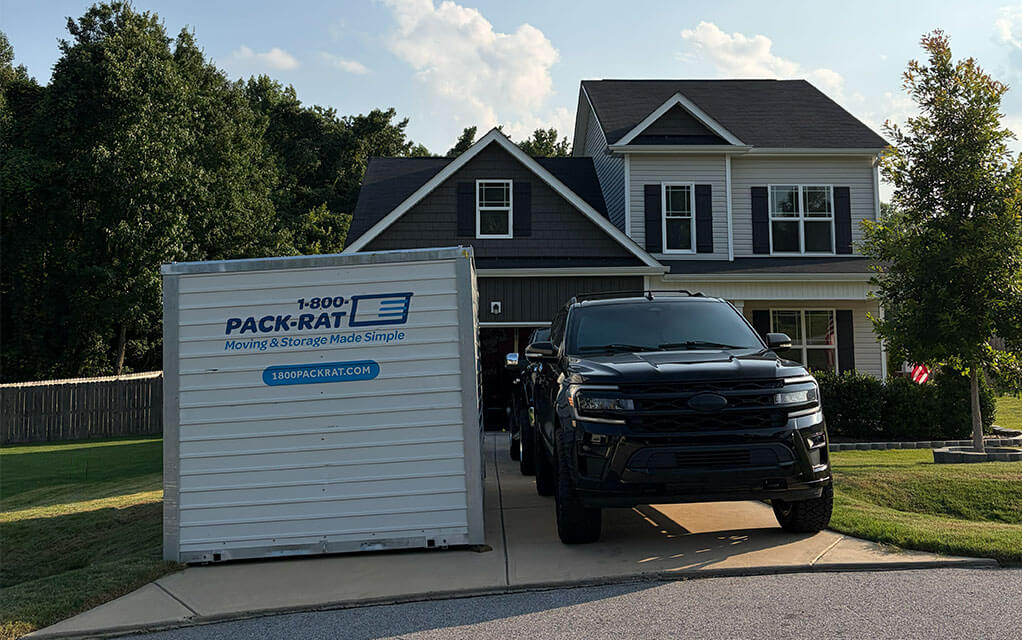
Also, consider the differences between moving solutions, such as traditional moving truck companies or providers like 1-800-PACK-RAT, which offer portable storage containers you can pack at your pace and leave the driving to the pros. Some of these more "traditional" methods might seem like a great way to move until you consider the hassles they can bring. For example, a rented moving truck might sound like a cheap and easy option, until you consider the very rapid turnaround time of your move (usually completing the entire thing in one day) and the issues commonly associated with rental trucks, such as driving it yourself, packing everything in one morning or afternoon, overage fees, etc.
A portable storage container company like 1-800-PACK-RAT makes moving simpler by bringing the solution to you, so you can pack at your pace while they handle the driving and logistics. Even then, not all portable container companies are the same. Some utilize small containers that can't fit everything you need. Some only service long-distance moves and offer no local moving services. Others have containers that don't match the make and quality of 1-800-PACK-RAT's containers. 1-800-PACK-RAT aims to provide customers with the best service and moving solution in the industry by making moving and storage simple for you!
4. Gather all necessary packing supplies
Before you can begin packing, it’s important to gather the right moving supplies to ensure your belongings, especially large pieces of furniture, are well-protected during transit. Essential packing materials include sturdy cardboard boxes in a variety of sizes to accommodate items both large and small. Bubble wrap is crucial for cushioning fragile belongings such as glassware, electronics, and delicate decorations, while packing paper offers additional protection and helps fill empty spaces within boxes to prevent shifting.
Packing tape is necessary to seal boxes securely; use high-quality tape that won’t peel off during the move. Scissors will come in handy for cutting tape, bubble wrap, or paper as needed. Color-coded stickers or labels make it easier to organize your boxes by room or category, streamlining the unpacking process at your new home. Use permanent markers to clearly label each box with its contents and destination room, so movers know where each box belongs and you can quickly find essential items when you arrive.
For certain breakables like dishes, glassware, and wine glasses, consider investing in special dish pack boxes with reinforced sides and built-in dividers. These specialty boxes provide extra support and minimize the risk of damage during handling. Additionally, wardrobe boxes are available for transporting clothing on hangers without wrinkling them.

Don’t forget other helpful tools such as stretch wrap (for securing drawers or bundling items), zip-top bags (for screws or small hardware), giant black trash bags (for pillows and blankets), and furniture blankets (for protecting large pieces from scratches). Having these supplies on hand before you start packing helps you work efficiently and reduces the likelihood of last-minute store runs.
Good packing not only protects your possessions but also makes loading and unloading easier, saving time on moving day. Investing in quality packing materials now can prevent costly damage later—and help ensure a smoother transition to your new home.
5. Pack non-essential items early
Packing for a move can seem daunting, but with organization and planning, you can make the process much smoother. Begin by sorting your belongings and setting aside items that you use infrequently or won’t need before your move, such as seasonal clothing, books, or decorative items. Packing these non-essentials first will help you get started without disrupting your daily routine.
When physically packing your boxes, place heavier items, like books or kitchen appliances, at the bottom of each box. This provides stability and prevents lighter, more delicate belongings from getting crushed. For particularly heavy items such as a fridge or dresser, leave them for last and make sure you have plenty of help or professional movers on hand.
Pack room by room to keep things organized. This method streamlines both packing and unpacking and lets each family member track their personal belongings. As you go, label every box clearly with its contents and the destination room in your new home (for example: “Kitchen – Pots & Pans” or “Bedroom – Linens”). You could even use color-coded labels or tape for each room to make unloading even easier.
Don’t forget essentials! Prepare a “first night” box with necessities like toiletries, basic kitchen items, chargers, important documents, medications, and a change of clothes. Keep this box easily accessible so you don’t have to search through several boxes on your first night in your new place.
As moving day approaches, continue packing systematically. Disassemble large furniture ahead of time if possible and keep hardware in labeled bags taped securely to the pieces they belong with. If you have fragile items, such as glassware or electronics, wrap them carefully in bubble wrap or soft materials like towels.
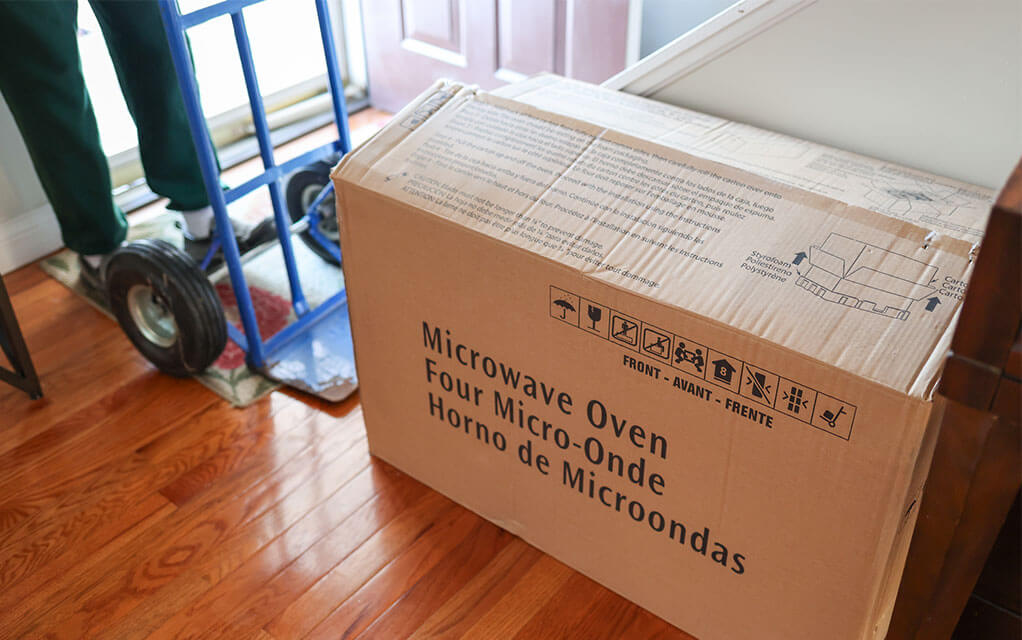
Finally, give yourself ample time on moving day itself; rushing leads to mistakes and unnecessary stress. By following these steps and staying organized throughout the process, you'll minimize chaos, maximize efficiency, and settle into your new home with greater ease and peace of mind.
PRO TIP: Pack a go-bag or box with day-after-the-move essentials, such as a fresh set of clothes and toiletries like toilet paper, paper towels, soap, etc. Pack anything you might want when you wake up the next day in this bag. Pack it last so it is the first thing you unpack at your new home!
6. Label all boxes clearly and logically
Proper labeling during a move can save you hours of frustration and make settling into your new home much smoother. When you arrive at your new place, clearly labeled boxes help you quickly identify what belongs where, reducing confusion and making unpacking more efficient. This is especially important for essential items, such as kitchen supplies or toiletries, that you'll need right away.
To optimize your labeling system, consider using color-coded labels or stickers for each room, such as blue for the bathroom, red for the kitchen, and green for the bedroom. This visual cue lets movers (and you) instantly recognize where each box should go, streamlining the unloading process.
In addition to listing the room name and major contents on each box, number your boxes and keep a master inventory list. For example, label a box "Kitchen #3 – Pots & Pans" and note this on your checklist. This approach helps you track all your belongings and prevents items from getting lost during the move.
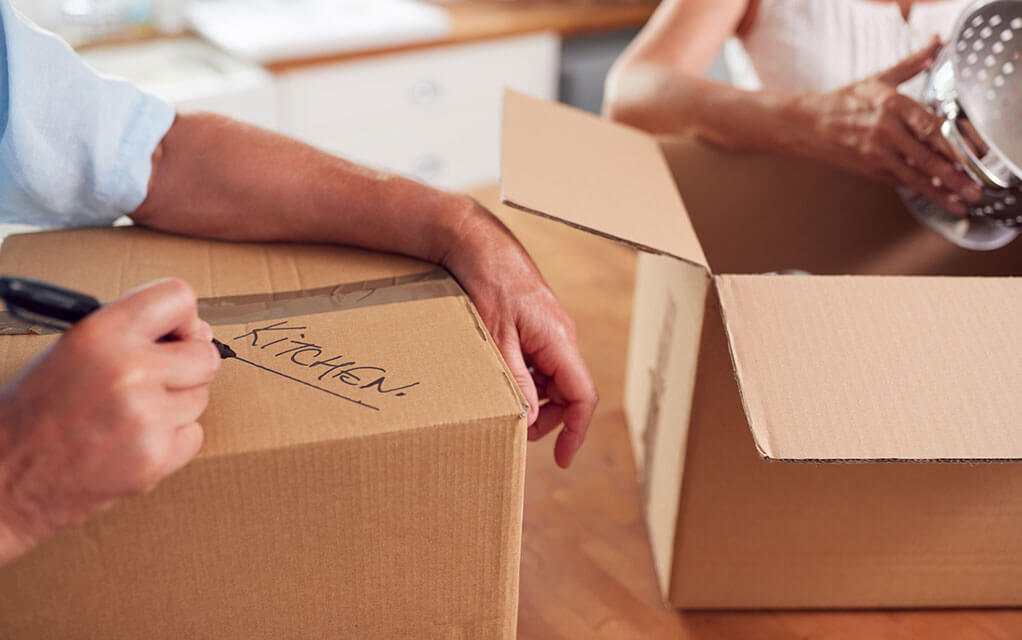
Another useful tip is to mark boxes containing fragile items with "FRAGILE" in bold letters and indicate which side should be kept upright. You can also label boxes with priorities like "Open First," so you know which ones contain necessities for your first night.
Overall, clear labeling not only speeds up unpacking but also reduces stress by helping everyone involved in the move know exactly where things belong. Investing a little extra time in detailed labeling will pay off once you're settling into your new space, allowing you to focus on making your house feel like home rather than searching through piles of unmarked boxes.
7. Use 1-800-PACK-RAT’s portable storage containers for flexible moving
Moving does not always follow a perfect plan. It can include temporary storage needs or delays between leaving your old home and moving into your new one, especially if you're not sure about your final destination yet or have issues with a home closing, particularly in long-distance moves. 1-800-PACK-RAT’s portable storage solutions give you the most flexibility throughout your move, from start to finish.
1-800-PACK-RAT will drop a container at your home when and where you want it. You can then load your container at your pace and keep it on-site for 24/7 access for as long as you need. It stays safe because you are the only one with a key. When you are ready, we will pick it up and deliver it to your new address on your schedule, or we can keep it in our secure warehouse location until you need it. We remove driving from the equation entirely, making your move easier and less stressful, no matter where you are going or how far away it is.
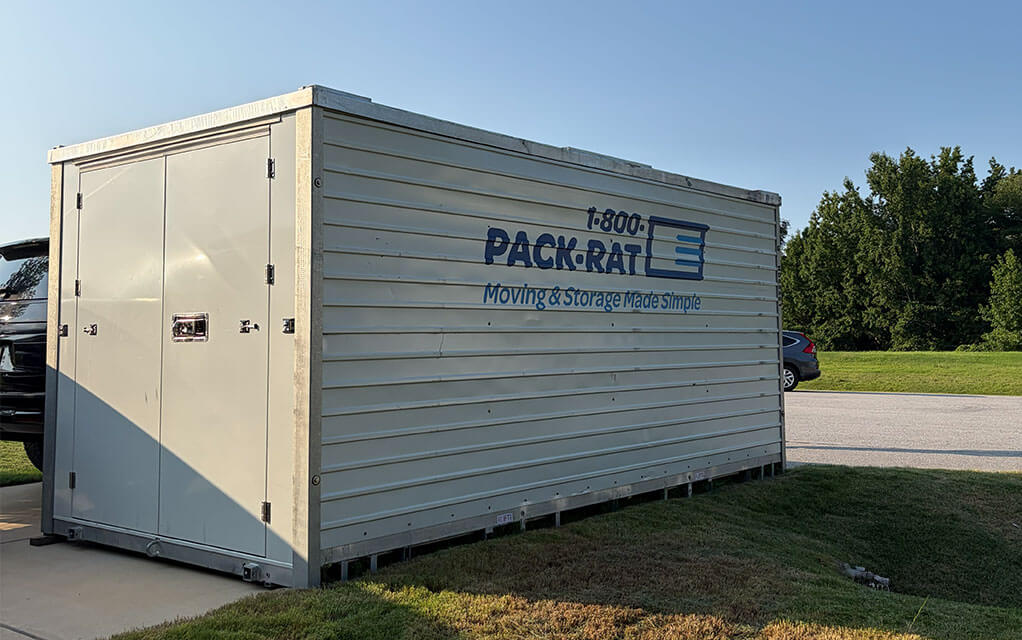
Whether you want more time or a flexible plan, portable storage containers make moving easier. No other traditional moving service can match the flexibility and ease that 1-800-PACK-RAT provides. With three container sizes to choose from (8', 12', and 16'), we have the moving solution you need to make it as simple as possible to move your stuff.
8. Keep important documents and valuables with you
When moving, it’s easy to focus on packing up large items like boxes and furniture while overlooking the safety of your most important documents and valuables. These items—such as passports, birth certificates, Social Security cards, financial records, medical files, jewelry, collectibles, and sentimental keepsakes—are irreplaceable or very difficult to replace if lost or damaged.
To protect these essential belongings during a move, keep them separate from the rest of your packed items. Designate a sturdy suitcase, lockbox, or clearly labeled container specifically for your important documents and high-value possessions. Make sure this box is with you at all times, rather than loading it onto the moving truck or storing it with other household goods.
For added security, consider using a fireproof and waterproof document bag for critical papers. If you have high-value jewelry or collectibles, use padded cases or protective wrapping to prevent damage during transport. You might also want to create digital backups of important documents by scanning and saving them securely online—just in case anything gets misplaced.

Labeling the container discreetly (so as not to draw attention) but clearly enough that you know what’s inside can help reduce stress when settling into your new home. Double-check that you have everything before leaving your old residence and again upon arrival at your destination.
By taking these precautions and keeping vital items within arm’s reach throughout your move, you significantly lower the risk of loss or theft. This simple step provides peace of mind during what can be a hectic process and ensures you have immediate access to essentials whenever you need them.
9. Plan utility switch-over dates in advance
One of the most common moving-day frustrations is arriving at your new home only to find that the utilities haven’t been set up. To prevent this inconvenience, plan your utility switch-over dates well before your move. Start by making a checklist of all essential utilities, including electricity, gas, water, internet, cable or satellite TV, trash collection, and security systems, if applicable.
Contact each service provider about two to four weeks prior to your move. Let them know the exact date you’ll be vacating your old residence and when you’ll need services activated at your new address. If you’re staying with the same providers but switching addresses, the process is usually straightforward—many companies allow you to transfer service directly through their website or customer portal. However, if you need to change providers—perhaps because your new location is outside the service area—you’ll want extra lead time for any necessary installations or setup appointments.
Confirm all disconnection and reconnection dates in writing—either via email or by noting confirmation numbers from phone calls—and keep this information handy during your move. It’s also wise to take final meter readings at your old place for gas, water, and electricity on move-out day. This helps avoid billing disputes later.
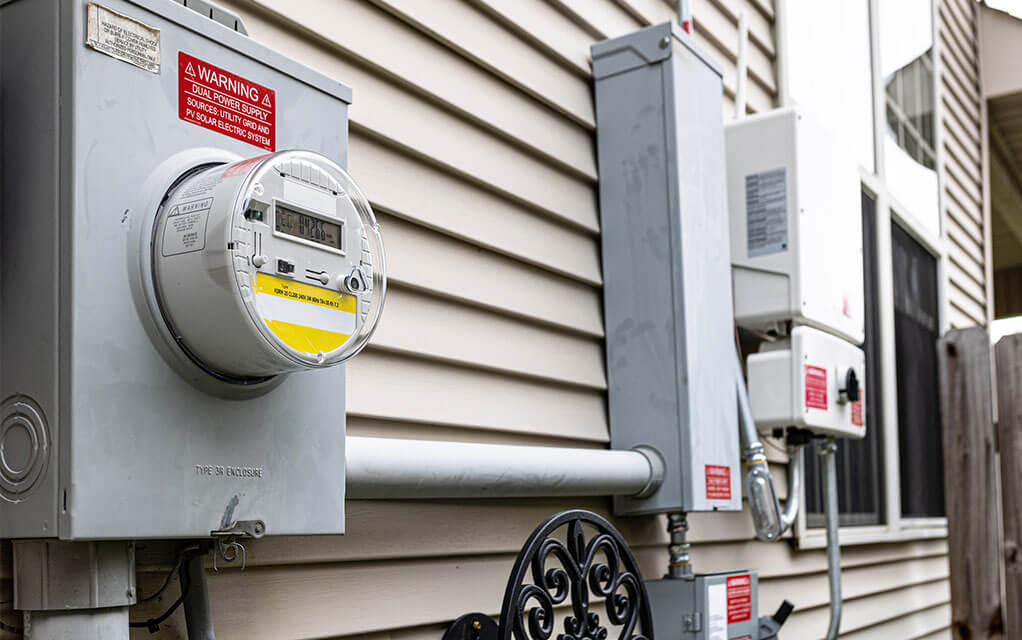
For internet and cable services, consider scheduling installation as soon as possible since appointment slots can fill up quickly during peak moving seasons. Some providers offer self-install kits that can speed up the process if professional installation isn’t required.
By organizing utility transitions with care and aligning connection dates with your moving schedule, you’ll ensure a smoother relocation experience and can begin enjoying your new home without unnecessary disruptions.
10. Set up essential services in your new home before moving
Before you settle into your new house, organize the essential services you’ll need for a smooth transition. Start by contacting local utility providers to set up electricity, water, gas, and internet service ahead of your move-in date. Many utility companies require advance notice and may also ask for a security deposit, so arranging these early will ensure everything is running when you arrive.
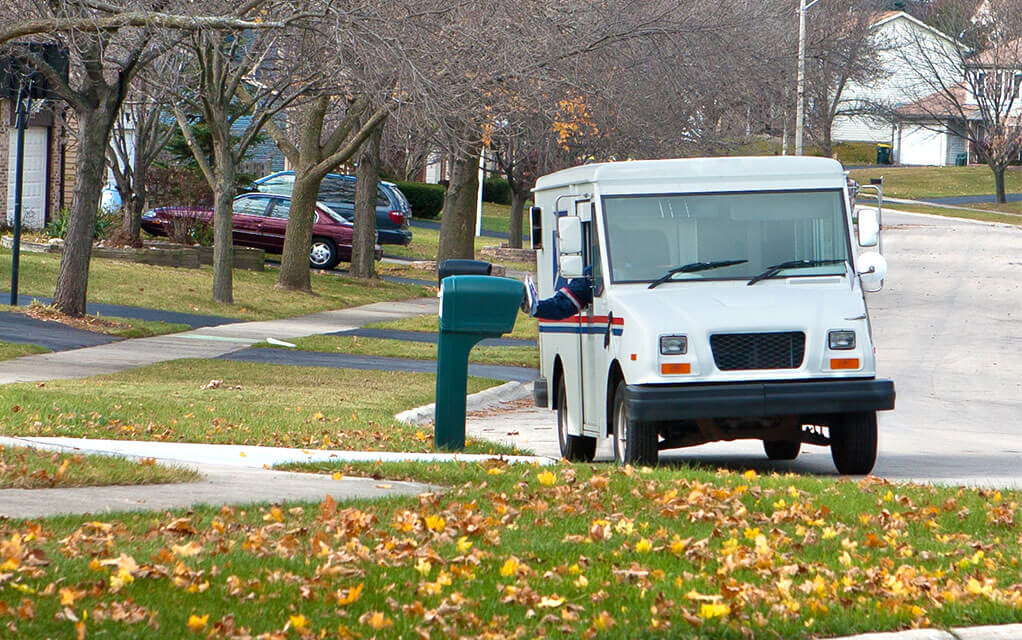
Don’t forget to schedule trash and recycling pickup with your city or private waste management provider. It’s also wise to update your address with the United States Postal Service (USPS) to ensure all your mail is forwarded correctly. You can do this easily online or at your local post office. While updating your address, remember to notify banks, insurance companies, subscription services, and any other organizations that routinely send you mail. This is the best and most secure way to ensure your mail reaches your new home and reduce your risk of identity theft during your move.
Familiarizing yourself with your new surroundings and nearby amenities before moving in can save time and reduce stress during those first few weeks. Note the closest grocery stores, pharmacies, urgent care centers, and other essential shops or services. If you have pets or children, look up nearby veterinarians or schools as well.
Also, consider introducing yourself to neighbors once you’ve moved in—they can be invaluable sources of information about the area and might even recommend local services like handymen or cleaners.
Taking care of these details in advance will help minimize disruptions and make settling into your new neighborhood much easier. With essentials sorted out ahead of time, you'll be able to focus on unpacking and personalizing your space so it feels like home from day one.
Let 1-800-PACK-RAT Make Your Moving and Storage Needs Simple
Moving can be tricky, but being ready can make it easier. Following these tips can make your moving experience easier and better organized. For hassle-free moving options, consider using 1-800-PACK-RAT's containers for your move.
Whether you are moving locally or long distance, 1-800-PACK-RAT can assist you. With over 85 warehouse locations across the continental United States and counting, we can service almost any moving and storage needs you might have. We can also provide on- and off-site storage, making our containers the most flexible and reliable choice, no matter how your plans may change.

Call 1-800-PACK-RAT today to learn how we can simplify your moving and storage needs. Get a free quote today, and get started!
Frequently Asked Questions About How to Make Moving Easier
How much in advance should I start preparing for my move?
Preparing for a move requires careful planning and organization, especially during the peak moving season from April to July when moving companies tend to be booked weeks in advance. Ideally, start preparing 6-8 weeks before your scheduled move date to ensure a smooth transition.
Some key things to start planning early include:
- Creating a checklist of steps in the moving process, including items like notifying landlords, setting up utilities, mail forwarding, calling movers, etc. The last thing you want is to be overwhelmed, so set realistic deadlines for each task.
- Gather all of your packing and moving supplies, including boxes, tape, packing materials such as bubble wrap or packing paper, markers, labels, specialty boxes for TVs and artwork, etc. Start packing non-essentials as soon as possible to get them out of the way early.
- Pack as you go. You don't want to be stuck packing up your entire home a day or two before your move date!
- Declutter stuff you don't need. Donate it if it is usable, throw it away if it is trash, or sell it for some spending money if it still holds value! The less you have, the less you need to pack and move.
- Update your address with important vendors and institutions as soon as possible to avoid mail and identity-theft issues. Don't rely on the Post Office to solve all of these issues - contact companies directly to update them.
By spreading out these tasks over several weeks rather than cramming everything into the final days before the move, you'll minimize stress and reduce the risk of forgetting something important. Being proactive not only makes moving day itself go more smoothly but also helps you settle into your new home with ease.
What should I look for when hiring a moving company?
Find a moving company that can assist with any move, local or long-distance. Make sure they have experience, the right licenses, and insurance. Read online reviews. Ask about their rates and any additional services they provide, as they can save you a lot of time. Consider the quality of their services and the flexibility of their moving solution. And if the price seems to good to be true, remember that it most likely is.
How can 1-800-PACK-RAT containers simplify my moving process?
1-800-PACK-RAT provides portable moving and storage containers that they will bring to your door. You can then pack your items at your own pace. Once you are done, they will pick up the container and deliver it to your new home, or store it in one of their warehouses until you want it delivered. This option offers you flexibility and removes the hassle of renting a moving truck.
What are the best strategies for labeling moving boxes?
Use bold labels to show which room it is and include a short list of what’s inside. You can use different colors for the labels based on the room. This helps you find things quickly when unpacking. Labeling makes it easy to access specific items and simplifies the unpacking process.
What are some common moving mistakes that I can avoid?
Moving can be complex and stressful, and avoiding common mistakes can make the experience much smoother. In addition to underestimating the time required for packing, not measuring furniture, and forgetting to notify key parties of your change of address, there are several other pitfalls to watch for.
One common oversight is failing to label boxes properly. Without clear labels indicating both the contents and the room they belong in, unpacking at your new home can become confusing and time-consuming. Color-coding or numbering boxes by room can greatly streamline this process.
Another mistake is neglecting to declutter before packing. Moving presents an ideal opportunity to sort through belongings and donate, sell, or discard items you no longer need. Hauling unnecessary items increases moving costs and adds clutter to your new space.
People also often forget to arrange utilities at their new home ahead of time. Schedule connections for electricity, water, internet, and other essential services so everything is ready when you arrive.
Many people also overlook the importance of protecting fragile items during packing. Using adequate padding, such as bubble wrap or packing paper, and clearly marking these boxes as “fragile” will help prevent breakage.
Also prepare an overnight bag for each family member, as moving day can be a hassle. Pack essentials like toiletries, medications, chargers, a change of clothes, important documents, and any comfort items for children or pets.
- Moving Tips (133)
- Home Organization (27)
- News Releases (23)
- Packing Tips (21)
- Fun Stuff (19)
- Portable Storage (16)
- In the Community (11)
- Moving and Storage Tips (11)
- Storage Tips (10)
- Moving Checklists (9)
- Household Moving (7)
- Moving Company Comparisons (5)
- Moving on a Budget (5)
- DITY Move (4)
- Home Maintenance Tips (3)
- Home Buying and Selling Tips (1)
- Interstate Moving (1)


