

How to Make Moving with Kids a Smooth Experience
September 11, 2026
Key Highlights of Moving with Children
- Tell kids about the upcoming move early, using simple words.
- Let your children help pack, sort, and plan for the new home to keep them involved and a part of the process.
- Keep their favorite comfort items and toys close on moving day.
- If you can, visit the area first and show them where they will be living so the new place feels less unknown.
- Set up kids’ rooms first to support a smooth transition.
- After the move, keep routines steady and help them meet new friends.
Moving with kids can feel overwhelming. The moving process brings packing, planning, and a lot of feelings all at once. For children, a new home is not just a different address. It is a big change that can affect sleep, mood, and daily comfort. The good news is that you can make this easier. With honest conversations, simple routines, and the right support, your family can handle the move more calmly and settle in with more confidence.
Understanding the Challenges of Moving with Kids
A big move can bring big emotions for kids. They may feel excited one minute and upset the next. Leaving a familiar space, school, and friends can make the moving process feel confusing, even when the new place is a good one.
At the same time, children often need a stronger sense of control. When they understand what is happening and get small choices, their mental health can benefit. That is why emotional preparation matters before, during, and after the move. The next sections break down the most common challenges.
Common Emotional Responses in Children During a Move
Many kids react to a move with big emotions. Young children may not fully understand what is changing, but they still feel it. They can become clingy, tearful, or more sensitive than usual. Some may worry about their toys, their room, or whether the family is staying together in the new house.
Older children may show their feelings in quieter ways. They might seem moody, frustrated, or less interested in normal activities. A child who usually talks a lot may pull back. Another may ask the same questions again and again because they need reassurance.
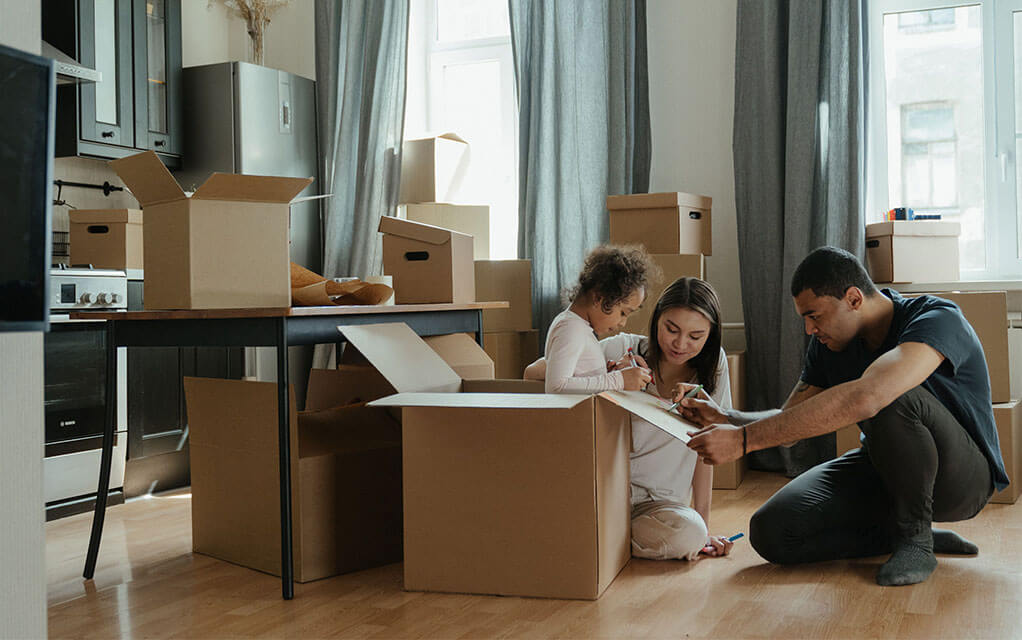
These responses do not always mean something is wrong. They often show that your child is trying to adjust to a new environment. The best ways to prepare kids emotionally are to talk early, answer questions simply, and remind them that their feelings matter. That steady support can protect mental health during change.
Why Moving Can Be Stressful for the Whole Family
A move affects everyone in the house. Parents are managing boxes, timing, school details, and the long list of tasks that come with a big change. Kids notice that pressure, even if you try to hide it. Stress can spread quickly from one family member to another.
There is also the emotional side. Saying goodbye to the old home can be hard for adults and children alike. Everyone may miss familiar places, favorite neighbors, and the comfort of old routines. Then moving day arrives, and the whole family is tired, busy, and stretched thin.
To reduce stress, keep plans simple and give yourself extra time. Ask family, friends, or a trusted friend for help when you can. Keep meals, bedtimes, and comfort items as steady as possible. These practical steps support mental health and make new routines easier to build.
How to Talk to Kids About Moving
Start the conversation as soon as the upcoming move is certain. Use simple, direct words your child can understand. Explain why you are moving, when it will happen, and what will stay the same. Kids usually handle change better when they are not left guessing.
Just as important, give them room to react. They may ask about a new school, old friends, or the new city right away. Or they may need time. Honest answers and small choices can build a sense of control. Next, let’s look at age-appropriate ways to have these talks.
Age-Appropriate Conversations for Young Children
When talking to young children about a big change like moving, keep your explanations simple and reassuring. Short, clear sentences help reduce confusion and anxiety. For example, saying, “We are going to live in a new house, and we are all going together,” directly addresses one of the main worries children have: being separated from their family. This kind of message lets them know that no matter what changes, the family unit stays the same.
Because young children process information better through visuals than words alone, showing them pictures of the new home or neighborhood can make the upcoming move feel more concrete and less mysterious. If possible, take a virtual tour online or visit the area together ahead of time. This helps them start to imagine themselves in their new environment.
Giving your child some control—like letting them fill a special box or backpack with favorite toys, books, or comfort items—can also help. Having familiar belongings close at hand provides emotional security and eases the transition.

Expect strong emotions during this period; it’s normal for young kids to express fear, sadness, or even anger about leaving behind what they know. The most effective approach is repetition: calmly reinforce your key messages as often as needed. “We’ll all be together,” “Your teddy bear comes too,” and “Our bedtime story will be just the same” are examples of reassuring phrases you might repeat.
Try to keep routines around meals, naps, and bedtime as steady as possible before and after the move. Familiar habits provide stability when everything else is changing. Remember that patience and extra hugs go a long way in helping your child adjust to a new home with confidence and less anxiety.
Explaining a Move to School-Aged Kids and Teens
When talking to school-aged kids and teens about moving, give them as much information as possible in an age-appropriate way. Explain the reasons for the move honestly—whether it’s for a new job, to be closer to family, or for another reason—so they can understand the “why” behind this big change. Walk them through what the moving process will look like: when packing starts, how long travel might take, where you’ll stay during the transition (if applicable), and when they’ll begin attending their new school. A clear timeline and answers to key-date questions help reduce uncertainty and anxiety.
Friendships are especially important at this stage of life. Children and teens may worry about losing touch with close friends or fitting in at a new school. Acknowledge these concerns openly; don’t minimize their feelings or simply promise that “everything will work out.” Instead, validate their emotions by saying things like, “I can see why you’re sad about leaving your friends,” or “It’s normal to feel nervous about starting over.” This kind of empathy reassures them that their feelings matter and encourages open communication.
Help your child brainstorm ways to maintain existing friendships after the move, such as setting up regular video calls or planning visits back if possible. At the same time, point out opportunities they’ll have in their new community. Research local clubs, sports teams, extracurricular activities, or special interest groups together so they can see opportunities to make new connections and pursue hobbies.
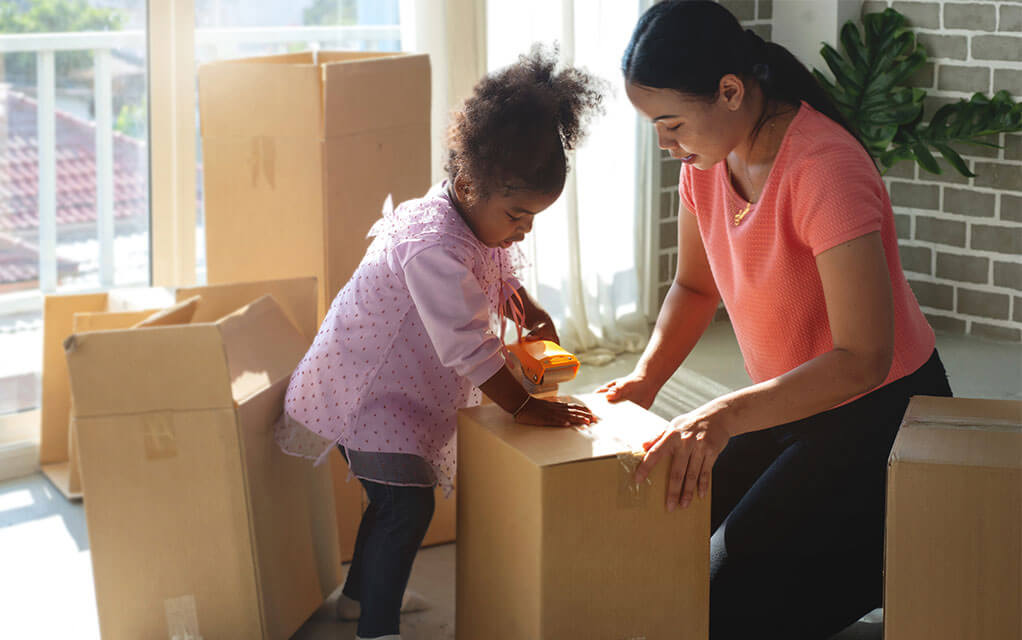
Whenever appropriate, give your child choices related to the move—like how they’d like to decorate their new room or which after-school activities they want to try first. Letting them participate in decisions helps them regain a sense of control during a time that may otherwise feel unpredictable. Encourage them to share what would make the transition easier and be open to their suggestions.
Be sure to keep lines of communication open throughout the entire process—even after you’ve settled in. Check in on how they’re adjusting both emotionally and socially. Remind them that adapting takes time and reassure them that feeling uncertain at first is completely normal. With understanding, support, and genuine involvement in decision-making, kids and teens can manage—and even thrive—through a big transition like moving.
What You Need to Get Started: Tools and Resources for a Smooth Move
A smoother move starts with a few smart basics; having key supplies, comfort items, and a well-organized plan can significantly ease the challenge of managing both children and moving boxes. Consider your child’s needs for the journey, for the loading process, and for that first night in your new house. Choosing the right support is also important, as a reliable moving company, portable storage containers, or a genral moving plan can give your family extra flexibility.
With services from 1-800-PACK-RAT, for example, you can pack on a timeline that suits your family and children, so you can pack at your pace and give your children time to adjust. Here are some essential things you will need to make the move successful while including your children in the process.
Essential Supplies for Moving with Children
A few simple items can make moving day easier for everyone. Kids do better when their comfort objects and daily basics stay easy to reach. That means not packing every little thing too early.
Set aside one moving box or bag for each child, plus one special box for the most important items. This can help during travel and make the first hours in the new room feel less chaotic.
- Pajamas and a change of clothes
- Toiletries and wipes
- Favorite books for quiet time
- A stuffed animal or comfort blanket
- Snacks and water bottles
- Small toys or coloring supplies
- Chargers or headphones for older kids
These little things matter more than you may expect. When a child can find what feels familiar right away, the day feels more manageable. That one step can lower stress and help everyone settle faster.
Helpful Books and Activities to Prepare Kids for Relocation
Books and simple activities can help kids name their feelings. They also show children that being the new kid is hard for many families, not just theirs. The right support can make worries feel smaller.
Try using stories, maps, photos, or art before the move. These tools help kids picture what is coming. They also give you natural chances to talk without turning every moment into a serious conversation.
- Read favorite books about moving together
- Look at a map of the old town and new town
- Make a countdown chain or calendar
- Create a photo book of the old house
- Draw pictures of fun things in the new area
These activities help kids process the change gently. They also build excitement, which helps balance sadness with hope.
Step-by-Step Guide: How to Relocate with Kids
Moving with children gets easier when you break it into simple steps. Instead of managing the whole moving process at once, guide your family one choice and one task at a time. That keeps the plan clear and less overwhelming.
Each step of the way, your goal is the same. Help kids feel informed, involved, and safe. When that happens, the move is more likely to feel positive instead of a long, stressful blur. Here is how to create a smoother transition into the new house.
Step 1: Involve Your Kids Early in the Moving Process
One of the best ways to help kids is to include them early. Once the plan is final, talk about what will happen and when. Children often feel better when they know what to expect, rather than hearing bits and pieces later.
You can also give small jobs that fit their age. Let them help make a checklist, choose labels for boxes, or decide what stays out until the last day. These choices build a sense of control without adding pressure.

Involvement also helps kids start imagining new routines. They can think about where their toys will go, what they want in their room, or what they want to keep nearby during travel. That early participation makes the moving process feel more manageable and less scary.
Step 2: Visit the New Home and Neighborhood Together
If you can, visit the new home before move-in day. Even a short trip can help children picture where they will sleep, eat, and play. Seeing the house ahead of time makes it feel more real and less unknown.
Take time to explore the new neighborhood too. Walk around the block, look for a local park, and point out kid-friendly places. If you find nearby ice cream shops or a library, even better. Small discoveries give kids something to look forward to.
If a visit isn't possible, use photos or virtual tours. Show the street, the yard, and the rooms if you can. That preview can still help children adjust to the new area. Familiarity makes the first days much easier.
Step 3: Organize and Declutter as a Family
Decluttering before a move saves time and lowers stress. It also helps kids see the move as a fresh start, not a rush. Do this early if possible, not right before the truck arrives. That helps protect a sense of normalcy.
Keep the process simple and positive. Ask your child what they want to keep for the new room, rather than focusing only on what they have to give away. This small shift often feels easier.
- Sort items into keep, donate, and toss groups
- Start with old toys your child has outgrown
- Work in short sessions, not all day
- Use one area, like the living room, for sorting
- Let kids choose a few things they want to save most
These practical tips reduce last-minute conflict. They also give children a voice, which can make the move feel more respectful and less stressful.
Step 4: Pack Kids’ Belongings with Their Help
Packing can feel strange for children. They see their things disappear into boxes and may wonder when they will get them back. That is why it helps to let them take part, even in a small way.
Invite your child to pack some of their own items. They can place books, clothes, or toys into a box and decorate the outside. Keep a special box or backpack of favorite toys with them instead of packing it with the rest of the load.
This does more than keep them busy. It helps kids understand their things aren't gone forever. They are simply traveling to the new house. On moving day, that understanding can lower fear and give children a little more confidence in the process.
Step 5: Plan for Moving Day Comfort and Entertainment
Moving day is often the hardest part for kids. There is noise, waiting, and a lot of adult focus on tasks. Children need comfort, structure, and enough entertainment to stay calm and safe through the first day in the new space.
A simple plan helps. If possible, ask a relative, sitter, or trusted friend to help for part of the day. If that is not an option, create a kid zone with snacks and quiet activities.
- Keep favorite books and toys easy to grab
- Pack screens or simple games for entertainment
- Offer snacks and water often
- Use video calls so kids can talk to family or friends
These small steps can keep children occupied and happier on moving day. When kids feel cared for, the day usually goes more smoothly for everyone.
Step 6: Set Up Kids’ Rooms First in the New House
When you arrive, start with your child’s room. The kitchen and living areas matter, but a child often feels better once they have one safe, familiar space. Make this a top priority in the new house.
Unpack bedding, pajamas, and favorite toys first. Make the bed, place comfort items where your child expects them, and set out a few familiar books or decorations. These details can change the mood of the whole evening.
The goal is not perfection. You just want the new room to feel calm enough for the first night. A child who can sleep with familiar sheets, a stuffed animal, and their usual bedtime rhythm is more likely to settle well after a long day.
Step 7: Support Emotional Adjustment After the Move
Adjustment after a move is an ongoing process, especially for children. While some may appear to handle the transition smoothly at first, challenges often emerge later as the novelty wears off and reality sets in. This makes regular check-ins essential—they give kids opportunities to express emotions that might not surface right away. Simple moments, like a car ride, a shared meal, or quiet bedtime conversations, offer safe spaces for children to talk about their feelings and worries.
Supporting children's mental health during this period also involves re-establishing daily routines. Predictable schedules around meals, bedtime, and activities help create a sense of security and stability. Familiar rituals can reassure kids when everything else feels new or uncertain.
Maintaining connections with old friends is equally important. Arranging video calls or encouraging pen pal exchanges can help ease feelings of loss and remind children they are still valued by those from their previous community. At the same time, making room for new friendships is crucial to helping them feel at home in their new environment. Signing up for clubs, sports teams, or extracurricular activities gives kids opportunities to meet peers with similar interests and build new social circles.

If your child seems unsure or anxious about fitting in, keeping household routines consistent can provide comfort. If your child feels lonely or homesick, exploring local parks, libraries, or community events together can spark curiosity and foster a sense of belonging.
Ultimately, emotional adjustment takes time—sometimes weeks or months—and progress may come in small steps rather than big leaps. Your steady presence and attentiveness can make all the difference in helping your child navigate these changes and transform what feels overwhelming into something manageable and meaningful. By acknowledging their feelings and offering practical ways to cope, you empower your child to face this transition with resilience and confidence.
Tips for Moving with Kids of Different Ages
Kids respond differently to moving; toddlers, adolescents, and school-aged children each require unique support. Since strategies that work for one age group may not suit another, adjust your approach accordingly. The encouraging part is that age-tailored adjustments can improve the experience—clear expectations, simple tasks, and consistent routines help tremendously. Here are useful suggestions for both younger kids and teens.
Moving Tips for Toddlers and Preschoolers
Moving can be a confusing and stressful experience for toddlers and preschoolers, who thrive on predictability and routine. At this stage, children may not fully grasp what “moving” means, but they notice when things feel different—such as new surroundings, changes in daily habits, or shifts in their parents’ mood.
To support young children during a move, offer simple explanations. Use clear, brief sentences like “We’re going to live in a new house,” or “Your toys will come with us.” Avoid giving too much information at once; young kids benefit from hearing the same message repeatedly as they process the change.
Maintaining familiar routines is especially critical. Try to keep meal times, naps, and bedtime schedules consistent even amid packing and unpacking. This helps reinforce a sense of stability. Keep comfort items such as favorite blankets, stuffed animals, or bedtime books within easy reach so your child can turn to them whenever they need reassurance.
When you arrive at your new home, prioritize setting up a safe space where your child can play comfortably. If possible, arrange their room first with familiar bedding and toys to help them recognize that some things stay the same despite the change in environment.
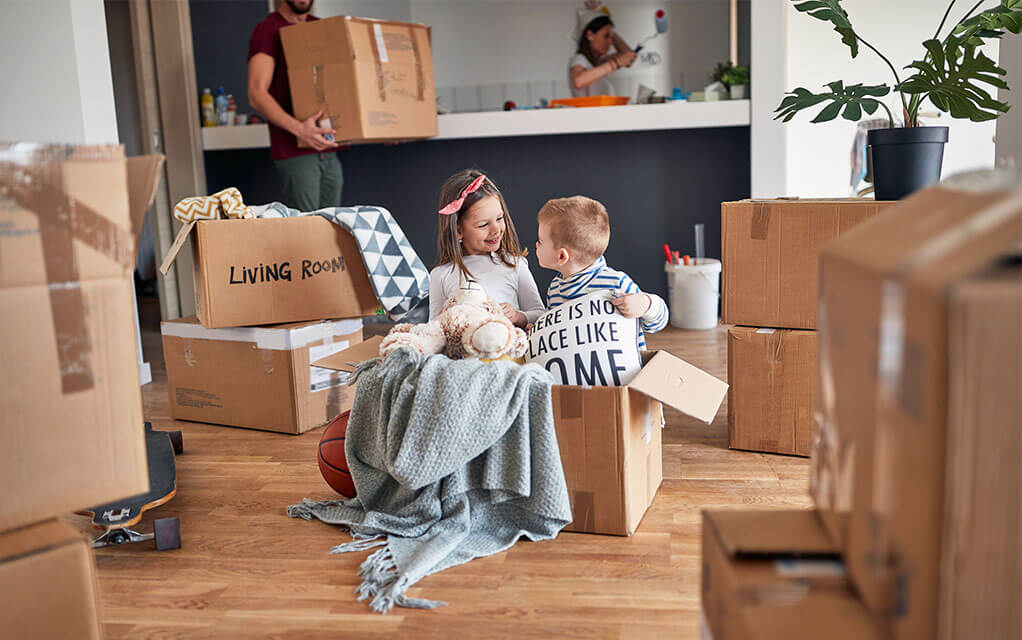
Young children often form attachments to specific toys or daily rituals. Honor these preferences by allowing them to keep beloved objects close during the transition. Involve them in small tasks—like placing stuffed animals on their bed or helping unpack their books—to give them a sense of control.
Additionally, watch for signs of stress such as clinginess, fussiness, or difficulty sleeping. Offer extra comfort with hugs and calm words if needed. Be patient; adjusting to a big change takes time for little ones.
By focusing on routine and offering reassurance through familiar items and gentle communication, you can make the moving experience less overwhelming for your toddler or preschooler. These efforts lay the groundwork for your child to adapt more easily and confidently to their new home.
Moving Tips for Elementary-Age Kids and Teens
Older kids often crave more information and involvement when facing a move. Their concerns typically center on adapting to a new school, making friends, or the anxiety of being the “new kid.” To support them through this transition, communicate honestly about what will change and answer their questions thoughtfully—never dismissing their worries as trivial.
Giving older children choices helps them feel empowered during an uncertain time. You might let them choose how they want their room decorated, organize their own packing, or even help research the new neighborhood. These decisions provide a sense of control and ownership over the move.
Looking into extracurricular activities before school starts can also ease their adjustment. By identifying sports teams, clubs, camps, or community organizations ahead of time, you give your child something concrete and exciting to anticipate. This proactive approach not only offers opportunities for involvement but also helps them start building connections outside the classroom.

Recognize that friendships are extremely important at this age; leaving established relationships behind can be tough emotionally. Acknowledging these losses shows empathy and opens the door to conversations about staying in touch with old friends—perhaps through video calls or visits, if possible.
To help them build new friendships, encourage them to join group activities such as after-school programs, youth groups, or volunteer projects. The sooner your child feels socially connected in their new environment, the faster they’re likely to settle in and regain confidence. Remind them that many other kids have gone through similar transitions and it’s normal to feel apprehensive at first—but with time and effort, they’ll find their place and thrive.
Let 1-800-PACK-RAT Make Your Family's Move Easier
Moving with kids can be challenging, but with the right approach, it can be done positively. The best way to do this is to find a moving solution that fits your timeline and lets you move when you want. Traditional methods, such as moving trucks, aren't always the easiest option. In fact, they can create more problems by rushing you to get things done, which can lead to mistakes and cause your children undue stress. That is where 1-800-PACK-RAT can help.
With 1-800-PACK-RAT, the moving solution comes directly to you, so you can pack everything at your own pace. Here is how it works: we deliver a container to your home on your preferred date. You pack the container with your stuff, taking as long as you need. When you're done, we will begin transporting it to your new home. Alternatively, you can keep your container on-site for 24/7 access, or store it in one of our nationwide secure warehouse locations for as long as you need. No driving, no stress, no problems. We give you ultimate flexibility when it comes to moving, allowing you to ease your family and children into the process.
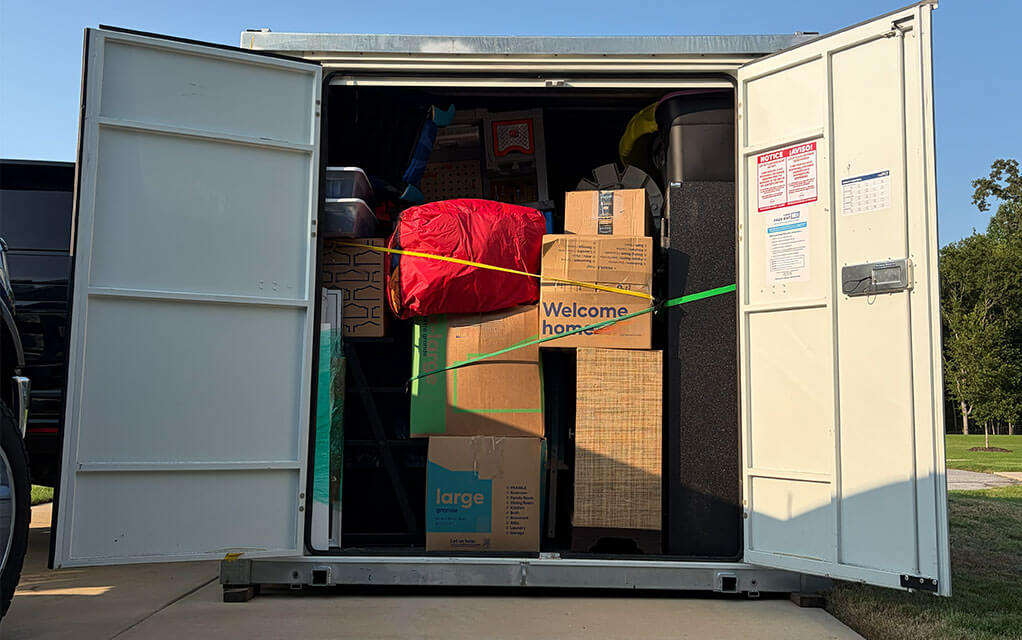
We can service both local and long-distance moves and provide storage if you aren't quite ready to move into your new home. We also offer third-party services such as professional labor assistance, junk removal, and auto transportation, if you need them. We are your one-stop shop for all things moving!
Call us today or get a free quote online to get started and see how 1-800-PACK-RAT can make moving simple for you and your family!
Frequently Asked Questions About Moving with Kids
How can I help my child cope with leaving friends behind?
Help your child stay connected with old friends through pen pals, letters, or video calls. That can support mental health and make the goodbye feel less final. At the same time, encourage activities where they can meet new friends, so they feel connected in both places.
What are warning signs my child is struggling after a move?
Pay close attention to your child’s behavior during transitions or stressful periods, such as moving to a new environment. While intense emotions are normal, certain signs could indicate your child is having difficulty adjusting. Watch for persistent changes like trouble sleeping, withdrawing from friends and family, noticeable mood swings, or losing interest in activities they once enjoyed.
These behaviors can signal that your child feels overwhelmed and may need extra support. Establishing routines and providing a familiar structure can help restore a sense of normalcy. Encourage open communication by letting your child know it’s okay to talk about their feelings and concerns without judgment. Sometimes, simply listening and validating their emotions can make a significant difference.
If you notice these signs continue over time or worsen, consider reaching out to school counselors, pediatricians, or mental health professionals for guidance. Early intervention can help your child build resilience and learn positive coping strategies as they navigate changes. Remember, every child reacts differently to stress—being proactive and supportive gives them the best chance to thrive in new situations.
Are there special tips for moving across state lines with children?
Prepare earlier, show kids photos or maps of the new city, and pack comfort items separately from the moving truck. A reliable moving company and flexible options like portable storage containers can make the move easier and give you more time to settle into the new home.
How long does it take for children to adjust to a new home after moving?
Adjusting to a new environment after moving can vary greatly from child to child. While some children adapt quickly, often settling in within just a few weeks, others may require several months to feel comfortable and secure in their new surroundings. Factors such as the child's personality, age, previous experiences, and the nature of the move itself influence the process.
Establishing strong routines helps children cope with change. Consistent schedules—such as regular mealtimes, bedtime rituals, and predictable activities—provide stability that can ease anxiety and foster comfort. Regular check-ins with your child help you gauge their feelings and address any concerns they may have. Open communication helps them express emotions and navigate challenges.
Introducing familiar comforts, like favorite toys, books, or family traditions, can make the new environment feel more welcoming. Encouraging your child to personalize their room or space also gives them a sense of ownership and belonging.
Building connections in the community is another important step. Helping your child meet neighbors or classmates through playdates or extracurricular activities fosters friendships and reduces feelings of isolation.
Ultimately, patience and ongoing support are key. Most children will gradually adjust over time and eventually embrace their new home as a positive experience. By being attentive to their needs and offering reassurance throughout the transition, you can help set the stage for a successful move and create lasting memories together.
How can I help my children adjust to a new environment after moving?
When moving to a new neighborhood, help children adjust by actively exploring their surroundings together. Visiting the new school before classes start can ease anxiety and help your child become comfortable with the layout and routines. Easy ways to meet new friends, such as attending community events or joining local clubs and activities, can foster connections and a sense of belonging.
Frequent visits to nearby parks offer opportunities for play and social interaction, while trips to the local library encourage learning and discovery. These outings not only introduce children to safe spaces in the community but also let them observe and participate in daily life, making the unfamiliar feel more approachable.
Getting involved with neighborhood groups or volunteering can further strengthen ties and help your family integrate more quickly. Over time, as children become familiar with their environment and establish friendships, they'll grow more confident and feel truly at home in their new community. Consistent engagement and positive reinforcement are key factors in supporting your child's transition during this period of change.
- Moving Tips (133)
- Home Organization (28)
- News Releases (23)
- Packing Tips (22)
- Fun Stuff (19)
- Portable Storage (18)
- Storage Tips (12)
- In the Community (11)
- Moving and Storage Tips (11)
- Moving Checklists (9)
- Household Moving (7)
- Moving on a Budget (5)
- DITY Move (4)
- Moving Company Comparisons (4)
- Home Maintenance Tips (3)
- Home Buying and Selling Tips (1)
- Interstate Moving (1)


