

Your Guide on How to Move a Washer and Dryer Effortlessly
August 30, 2024
Updated on September 18, 2026
Key Highlights of Moving Your Washer & Dryer Set
- Prior to moving day, disconnect and prepare your washer and dryer to prevent damage and ensure a smooth transition.
- Protect your appliances during transit using moving blankets, straps, and an appliance dolly to minimize the risk of scratches and dents.
- Refer to your owner's manuals for model-specific instructions on disconnecting, securing moving parts, and reconnecting your appliances.
- Consider your appliances' weight and bulk. Ask friends for help or hire professional movers to ensure safe lifting and loading.
- After setting up your washer and dryer in your new home, check for leaks, level the appliances, and make sure they work properly.
Moving to a new home is thrilling, but it can be tricky. One big challenge is caring for large appliances like your washer and dryer. You must prepare these machines properly before loading them onto the moving truck. This way, you can avoid damage and have them ready to use in your new home. This guide will help you understand the key steps for a smooth move while using a moving solution from 1-800-PACK-RAT, tailor-made to make moving simple and safe.
Understanding Your Washer and Dryer Specifications
Before you start, know what your washer and dryer need for a local or long-distance move. Each appliance is different, with its own features, size, and setup requirements. First, collect the manuals and any other useful information for your appliance. If you didn’t save them or bought the appliances second-hand, you can try looking them up on the manufacturer’s website and find the manuals there.
Having this info on hand will make things easier. It will help you prevent problems when disconnecting, moving, and setting up the appliances again.
Identifying Make and Model Specifics
Start by finding the owner’s manuals for your washer and dryer. These manuals have important information about your appliance model. It is a good idea to look for details like the make, model number, and serial number on a tag located at the back or inside the appliance door.
Write this information down and keep it somewhere safe. The owner’s manuals for these two appliances will be crucial for installing them in your new home, especially if you haven’t done it before, as they provide instructions for disconnecting, preparing for the move, and setting everything up again.
If you still have trouble identifying your washing machine or dryer model, call the manufacturer or contact a local appliance dealer, as they can typically help you identify the appliance.
Reviewing the Manufacturer’s Moving Instructions
Your appliance's instruction manual is an invaluable resource for moving your specific model safely and efficiently. It provides detailed guidance on preparing the appliance for transport, including using shipping bolts, which are a crucial feature for washing machines. Shipping bolts secure the drum and agitator, preventing them from shifting or being damaged during the move. By following the step-by-step instructions in your manual, you can ensure these bolts are installed correctly, helping to minimize the risk of costly repairs or operational issues later, and ensuring your appliances arrive in good condition.
Beyond installing shipping bolts, the manual often covers other important tips such as draining water lines, disconnecting hoses, and securing doors or lids. Some appliances require special handling procedures—like locking certain components or removing detachable parts—to safeguard internal mechanisms during transit.
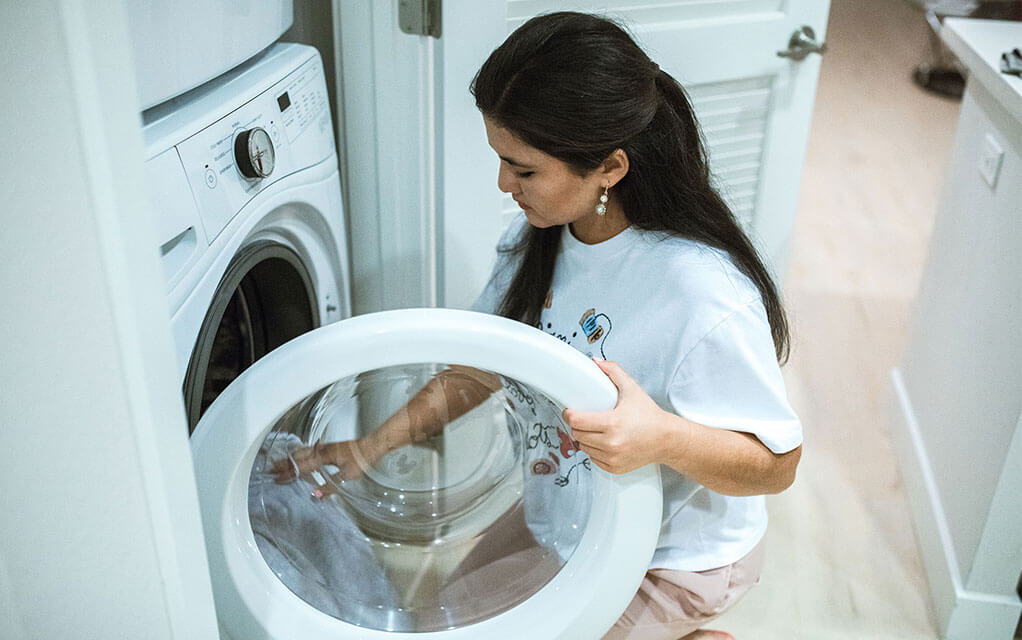
If you've misplaced your owner's manual, most manufacturers offer digital versions online. Search your appliance's make and model on the manufacturer's official website to download a PDF copy. For additional support, contact customer service directly; they can provide advice tailored to your appliance or walk you through any questions you have about moving procedures.
Taking these precautions not only protects your investment but also streamlines the setup process at your new location. Properly prepared appliances are less likely to sustain damage, ensuring they function as intended once reinstalled in your new home.
Essential Tools and Materials for Moving Your Appliances
Having the right tools and materials before you start will make everything go more smoothly. This means having items for unplugging, protecting, and carrying your appliances.
Having these supplies ready saves time and helps you make the most of your moving day.
Gathering Necessary Supplies
To ensure a smooth move, start by gathering your moving supplies. You will need packing tape, moving blankets, and water hoses.
Packing tape is key to securing loose cords, hoses, and appliance doors during the move. You can also use strong, secure bungee cords to hold everything together if you are worried about tape leaving sticky residue. Moving blankets will protect your appliances from scratches, dents, and other damage. Be sure to purchase high-quality moving blankets to protect your valuable items.
Don't forget to disconnect the water hoses from the washer and drain them. Keep a bucket and towels nearby in case of spills or leftover water.
Pro Tip: This might be a good time to replace your water hoses outright with new ones if you haven't done so in a while!
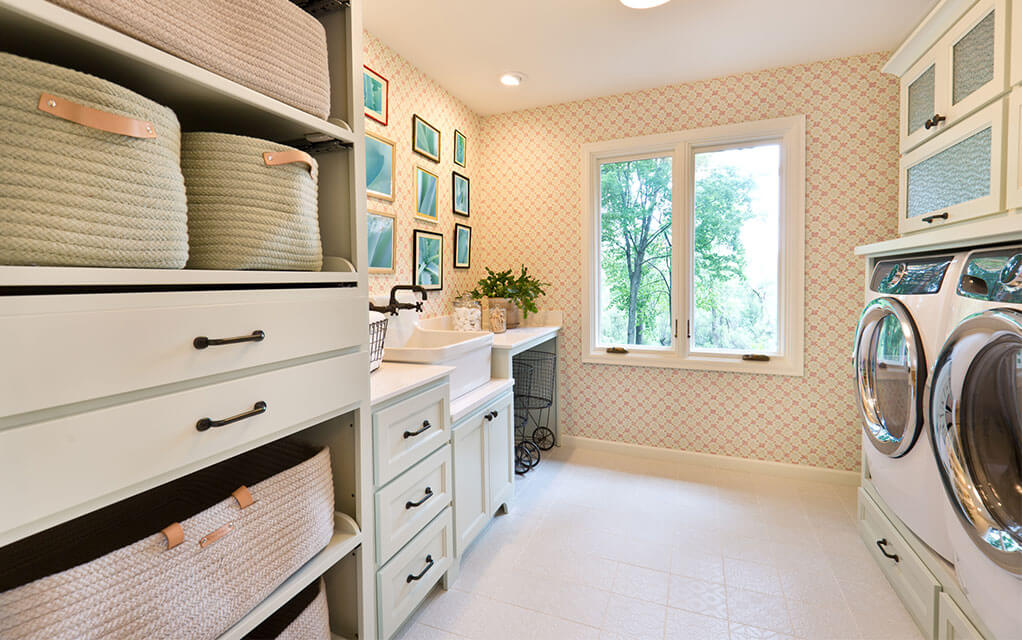
Whatever moving option you choose, fully drain your washing machine before moving to avoid water damage to your belongings or mold or mildew forming inside the washer, which can damage both the washer and other items.
Specialized Equipment for Heavy Lifting
Because washers and dryers are heavy, you need equipment designed for heavy lifting. This helps prevent strain or injury. An appliance dolly or moving straps are essential. An appliance dolly has a solid platform to hold the appliance and wheels to facilitate easy movement securely. Moving straps can go under the appliance and over your shoulders, letting you lift it without bending over or holding it directly.
If you don’t have an appliance dolly, a heavy-duty hand truck can work, too. These tools make moving heavy items easier and reduce the chance of accidents.
Besides a dolly or hand truck, collect these items:
- Bungee cords or ratcheting straps: Use ratcheting straps or bungee cords to secure the appliances on the dolly or hand truck.
- Furniture sliders: If your floors are hard, furniture sliders help move the appliances without scratching them.
- Appliance straps: Typically used by professional movers, these straps go over your shoulders and under the appliance, putting the weight on your shoulders while leaving your arms free to maneuver the appliance.
Never move an appliance by yourself! While it may be possible, moving an appliance alone carries an extreme risk of injury or damage, so it is not recommended.
Preparing Your Washer and Dryer for the Move
Proper planning is vital for a smooth move, and that includes moving your washer and dryer set. This means unplugging your appliances, cleaning them, and taking steps to avoid damage while moving them. Here are the basic steps to prep your washer and dryer set for your upcoming move.
Step 1: Disconnecting Power and Water Sources
The first step in preparing your washer and dryer for a good move is to cut off the power and water to the appliances. Unplug the washer and dryer from their power outlets. If you have a gas dryer, locate the gas shut-off valve, typically situated behind the dryer. Turn the valve clockwise to stop the gas flow, and detach the drain hose to drain any remaining water from the line.
Next, look for the water supply valves behind the washer. First, turn the hot and cold water valves clockwise to stop the water at the source. Then, disconnect the water hoses from the back of the washer and let any remaining water fall into a bucket. Have towels ready on the floor to absorb any additional water.
If you are unsure how to turn off the gas line, ask a professional utility service provider for help.
Step 2: Cleaning and Drying Both Appliances
Once you disconnect the appliances, use this time to clean and drain them thoroughly, such as the washing machine. This is also a good time to clean your dryer’s lint filter and hose, since lint buildup in the vent can cause a fire. Clean out the dryer vent and the area around it to remove lint, dust, and grime. It may also be worth replacing your dryer hose, since these relatively inexpensive items are easy to swap out when you place your dryer in your new home for the first time.
For the washing machine, wipe the inside of the washer with a damp cloth and a gentle cleaning solution. You can also run a cleaning cycle on the washing machine first, if it has one. Run the cleaning cycle a few days before your move so it has enough time to dry.
Check the washer's detergent dispenser and hose link hookups. They should be clean and free of debris. This helps prevent mold and mildew from growing and keeps your appliances fresh in your new home. Be sure to drain all the water from the washing machine before you move as well. If you are unsure how to do this, refer to your owner's manual or contact the manufacturer for guidance.
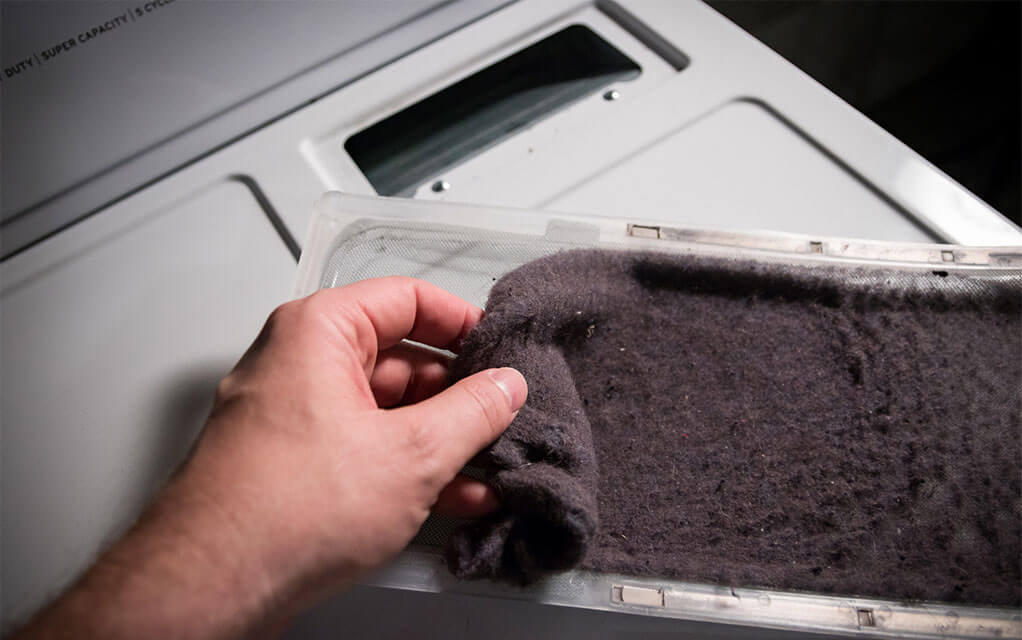
Leaving water buildup in your washing machine can damage the appliance and create mold and mildew. If you are using a 1-800-PACK-RAT portable storage container for your move, we highly recommend avoiding packing anything that contains water, as it can create an environment inside the closed container conducive to mold and mildew, which can damage your stored belongings. This applies to any moving solution you choose, as moisture can damage not only the appliance but also your other belongings.
We highly recommend leaving the washer and dryer doors slightly open for at least 24 hours. This helps them air-dry completely, reducing musty odors and the risk of water damage during transport.
Step 3: Securing Moving Parts and Doors
Washers and dryers have moving parts that need to be secured when moved. Check your owner's manual for essential tips on how to install transit bolts or washer locks to secure your washer’s drum. These tools help keep the drum steady and prevent damage during movement.
Also, secure the dryer vent to the back of the dryer using bungee cords or zip ties. This prevents the vent from dragging and getting damaged. When installing the dryer vent at your new home, ensure it has no kinks or obstructions that could hinder airflow.
Next, use packing tape or straps to keep the appliance doors closed. This will prevent them from swinging open during the move. Also, inspect all cords and hoses. Be sure they are secured and won’t cause anyone to trip. If you use packing tape, keep some “goo-gone” or another adhesive remover on hand in case the tape leaves residue when unpacking.
Packing and Protecting Your Washer and Dryer Appliances
Protecting your washer and dryer during a move is essential to ensure they arrive at your new home in good working condition. Start by disconnecting and draining both appliances thoroughly to prevent leaks, water damage, and also remember to vacuum out your lint trap during the process. Secure all hoses, cords, and loose parts by either storing them inside the machines or taping them securely to the exterior.
Using Moving Blankets and Wrapping Techniques
Moving blankets play a crucial role in safeguarding your washer and dryer during a move. Covering these appliances with thick, padded blankets creates a protective layer that absorbs shocks and helps prevent scratches, dents, and other damage from accidental bumps or collisions. To ensure maximum safety, secure the moving blankets tightly with packing tape or sturdy straps so they stay in place throughout transport.
For added protection, especially if your appliances have delicate surfaces or protruding corners, consider supplementing the moving blankets with foam padding or cardboard pieces on vulnerable areas. This extra cushioning can help prevent chipping, cracking, or cosmetic damage if the appliances are jostled during loading, unloading, or transit.
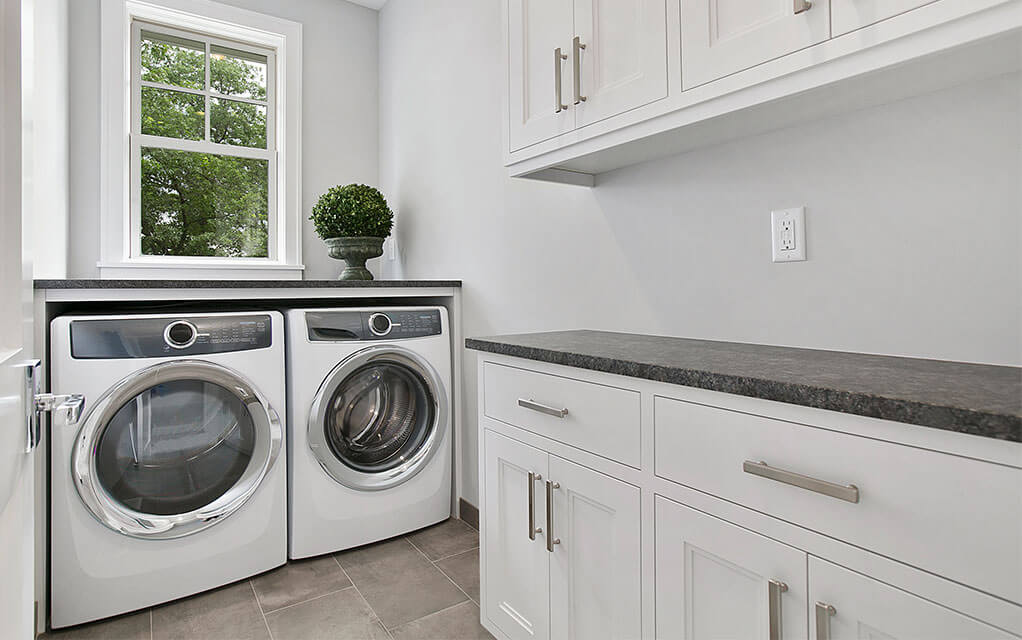
When wrapping your washer and dryer, make sure the blankets completely cover each appliance from top to bottom and around all sides. Overlapping the blanket edges can further reinforce coverage. If you’re moving heavy items like washers and dryers up or down stairs or through tight spaces, this comprehensive wrapping minimizes the risk of accidental scrapes against walls or door frames.
Beyond protecting against impact and abrasion, moving blankets can also help guard against dust and moisture exposure during your move—especially if you're storing appliances temporarily before installation. Overall, taking the time to properly wrap and secure your washer and dryer with moving blankets is an effective way to preserve their condition and avoid costly repairs after relocation.
Preventing Damage During Transportation
Be extremely careful when loading the appliances. This is where 1-800-PACK-RAT’s portable moving containers come in handy. Instead of using a large moving truck with a loading zone several feet off the ground, which you would have to navigate during your move, our containers have ground-level loading. The risk of injury or damage to your appliance is far less than trying to carry a heavy appliance backward up a ramp into the back of a truck.
It's best to stand your appliances upright along the container walls. Use extra packing materials, like blankets or pillows, to fill any gaps and keep them as stationary as possible. Don't use your washer or dryer as a box-stacking zone, either—it might be tempting to use the extra space, but the boxes could easily fall, damaging the items inside, your appliance, or other stuff in your container.
Be sure to spread out the weight evenly in your container or moving solution as well. This will help prevent imbalance when loading and unloading your container, and can help prevent damage to the appliances and items stored within it. Also, secure the appliances with straps and tie-downs if possible.
Following these steps can help reduce the chance of damage during transport. Your washer and dryer will reach your new home in great shape, and you can load and unload them easily and only once when using a portable storage container instead of a traditional moving truck rental.
Moving Your Washer and Dryer Safely
Moving heavy appliances requires careful handling and additional help. If you follow these essential steps and tips, you can avoid injuries and move your items safely using an appliance cart. As always, it's best to have multiple people present to help you lift and move your washer and dryer set.
Step 1: Loading onto an Appliance Dolly
Using an appliance dolly is important for moving your washer and dryer safely. First, tilt the appliance back. Then, slide the dolly underneath. Make sure it is centered on the platform. Once the appliance is on the dolly, use straps to secure it. This will stop it from moving or tipping during transport.
If you are using a moving truck, the next part is tricky and dangerous, as you have to walk or lift your appliance into the back of a tall moving truck using a small, unsteady ramp, if one is present. One unsteady movement, or going too fast to finish before you need to return your truck, can cause injury or severe damage to your washer or dryer. Moving trucks make moving your appliances far more difficult and dangerous than it should be.
With a portable moving unit from 1-800-PACK-RAT, everything is at ground level. Wheel your appliance in or carefully carry it with the appliance straps, place it against one of the container walls, and ensure the weight is evenly distributed. It is that simple - no lifting or balancing on a ramp is required, and the risk of injury or damage is greatly reduced.
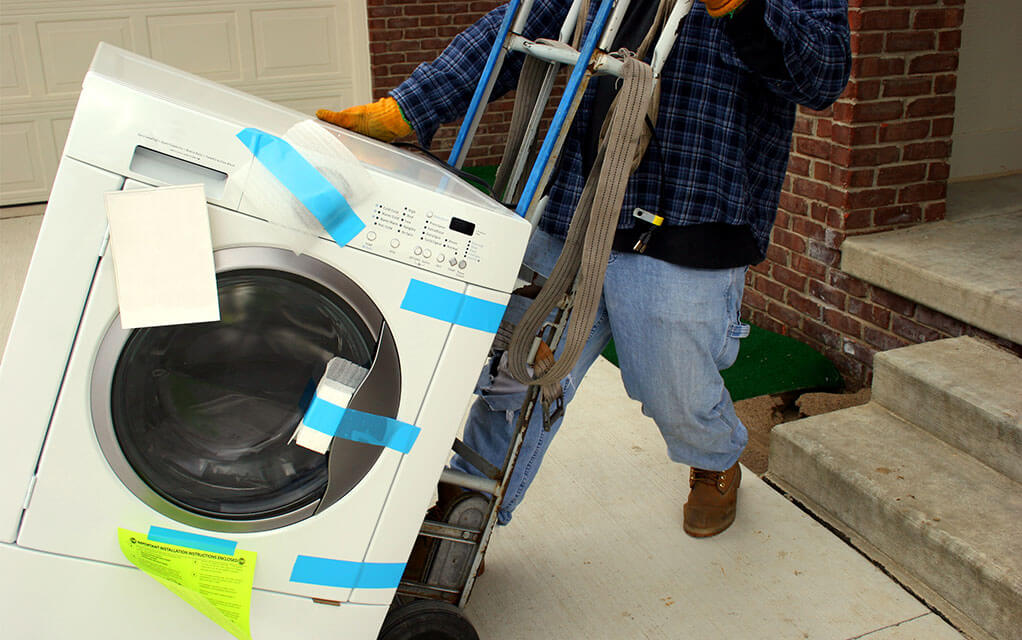
It's absolutely vital to have at least two people helping you move a washer and dryer set. One person can guide the appliance up the ramp while the other holds the dolly steady. Keep a firm grip on the dolly or make sure your appliance straps are secure, and move slowly and steadily to avoid accidents.
Step 2: Navigating Through Your Home
When moving appliances in your home, watch for doorways, hallways, and narrow corners. Clear the way of anything that could cause trouble, such as rugs or other boxes. Clear all of the clutter before moving any heavy items or appliances.
Be careful when entering doorways. We suggest having a “spotter” help walk the people carrying the appliance so they can clear the way and watch to ensure you don’t accidentally hit anything while carrying. Talk clearly and move slowly together. This reduces the chance of scratching the appliance or damaging the walls. If needed, temporarily remove the door to give yourself more space.
Step 3: Securing the Portable Moving Container
Properly securing your washer and dryer in a shipping container is crucial to keep them safe during transit. This minimizes the risk of the appliances shifting and helps prevent costly damage such as scratches, dents, or internal mechanical issues.
Start by positioning both appliances upright and flush against the container walls. Using heavy-duty straps or ropes, anchor them firmly to fixed points inside the container—such as built-in tie-downs or hooks. Tighten the straps so there’s little to no movement; loose straps can make your efforts ineffective.
After strapping, give each appliance a gentle shake to test stability. If you notice any movement, adjust the straps or add more support. For additional protection, consider wrapping each machine in moving blankets or bubble wrap before strapping them down. This extra padding can help absorb shocks and protect finishes from scratches.
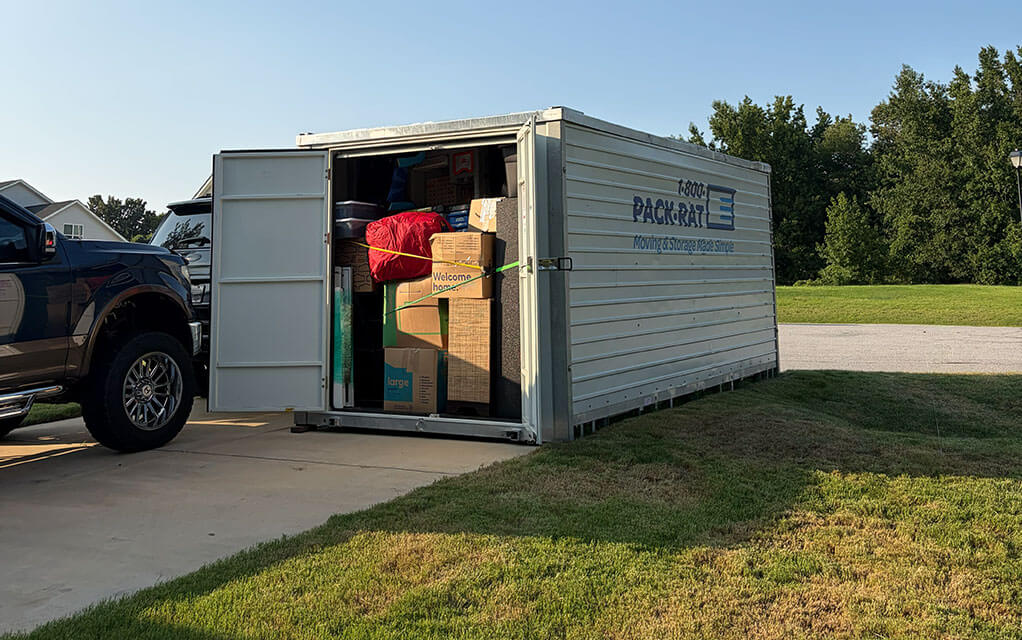
If strapping isn’t an option due to container limitations, use sturdy boxes or other heavy items as bracing around the appliances. Place these supports snugly around all sides so they act as barriers against shifting during sudden stops or turns. Secure hoses and cords by taping them to the back of each appliance or placing them in a protected compartment. This prevents tangling or snagging during transport.
By using strong straps, testing for stability, adding padding, bracing with other items, and securing accessories, you will significantly reduce the risk of damage and ensure your washer and dryer arrive safely at their destination.
Setting Up Your Appliances in Your New Home
After you have safely moved your washer and dryer, it’s time to set them up in your new laundry room. Place the appliances, ensuring enough space for airflow.
Then, reconnect the appliances. Check your owner's manual for exact steps. Adjust everything to make sure it works well.
Reconnecting Power and Water Hose Sources
Once you have set up your washer and dryer, reconnect the power and water. First, attach the water hoses to the washer. Tighten them to prevent leaks, but don't overtighten. If you have a gas dryer, call a qualified plumber to safely reconnect the gas line.
Then, plug the washer and dryer into the electrical outlets. Before you turn on the washer's water supply, check for leaks around the hose connections. If everything looks good and there are no leaks, gradually turn on the water supply.
If you have a gas dryer, ensure the gas is turned on. Also, check for any gas leaks before using the dryer. For your safety, have a professional inspect the gas connection, especially if your home inspection didn't include a specific line item for it before closing on your new home.
Ensuring They Are Level and Functioning
Before using your washer and dryer, check that they are level on the floor. This helps avoid vibrations and damage to your appliances or laundry room. Use a level to check that they are stable. If not, adjust the feet at the bottom of the machines until they are level.
Attach the ventilation hose to the dryer's exhaust port and make sure it vents outside. This clear ventilation path is crucial to prevent lint buildup and reduce fire risk. If needed, have your dryer vent inspected and cleaned. Clogged outdoor dryer vents can pose a fire hazard, so this is a good opportunity to clean a spot that is often overlooked.
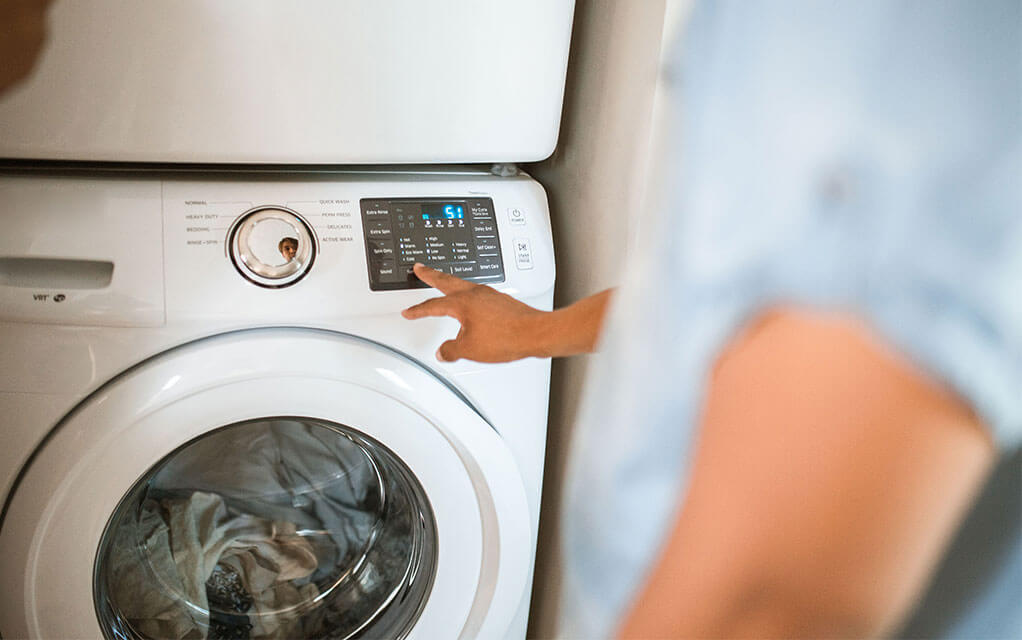
Finally, run a test cycle on both the washer and dryer. This will help you see if they work correctly. Listen for strange noises, feel for vibrations, and watch for error messages during the test. If you encounter any issues, refer to the troubleshooting section in your owner's manual or contact a qualified appliance repair technician.
DIY Moving vs. Professional Movers
If loading and unloading your stuff sounds like too much of a physical challenge, you can get help from professional labor providers. However, both options have pros and cons. Moving on your own can save you money, but it takes a lot of time and physical energy. Hiring professional movers makes things much easier, but it can be pricey, depending on the number of items and the timeframe for the move.
Also consider how far you are moving, how much time you have, and how comfortable you are lifting heavy items. Choosing the right moving method can make the process much easier.
Assessing the Pros and Cons
Moving appliances by yourself can save you money, but it is hard work. You need enough help because washers and dryers require considerable physical strength to move, making it nearly impossible to do on your own without risking serious injury. If you have a big appliance or several appliances, it may be easier to hire professional movers if you don’t have people to help you move.
Professional movers know what they are doing, and they have the right tools and support to move heavy appliances safely. As long as everything is packed and ready to go, they can make packing and unpacking take a fraction of the time.
If you choose to move your appliances yourself, make sure you have enough help and the right tools. Be careful to avoid injuries, and follow the manufacturer's instructions for moving your appliances.
When to Call in the Professionals
When moving heavy or bulky appliances, such as refrigerators, washing machines, or dryers, professional movers can be invaluable. These experts are trained in proper lifting techniques and use specialized equipment like appliance dollies, straps, and protective padding to transport your items safely. Moving these appliances yourself—especially if stairs are involved or you don't have enough help—can lead to injuries or damage.
Additionally, many large appliances require careful handling for utility connections. For example, gas dryers must be disconnected from gas lines before moving and safely reconnected at your new home. Professional utility service providers have the expertise to manage these tasks safely. Improper handling of gas lines can result in leaks, fire hazards, or even explosions; therefore, it's always smart to rely on trained technicians for this part of the move.
Beyond safety, professionals can also help prevent costly damage to your appliances and property. Scratches on floors and walls or dents in appliances are common when people try to move without the right tools or experience. Movers often provide insurance coverage for added peace of mind.
Enlisting professional assistance protects your appliances and keeps everyone involved safe. Their knowledge and resources make the moving process more efficient and less stressful, allowing you to settle into your new home with confidence that everything has been handled correctly.
Let 1-800-PACK-RAT Make Your Move Simple
Moving your washer and dryer safely and securely is just one part of a much larger project. That is why you need a moving partner who understands the ins and outs of moving and offers other services to make things easier.
Whether you are moving locally or long-distance, 1-800-PACK-RAT can assist you. Here’s how it works: you pick your preferred moving date, we drop off an empty container at your home, you pack the container at your pace (which can help reduce the chance of injuries and damaged belongings because you aren’t rushing), then give us a call when ready and we will deliver your container to your new home where you can unpack in peace. It is that simple.
Another advantage is that we can also store your washer, dryer, and other items if you need it! If you aren’t ready to move in or have a snafu with your move-in date, no problem! Just let us know, and we can store your container at one of our 85+ secure warehouse locations nationwide for as long as you need—no unpacking, repacking, or renting a moving truck multiple times. Pack and unpack only once!
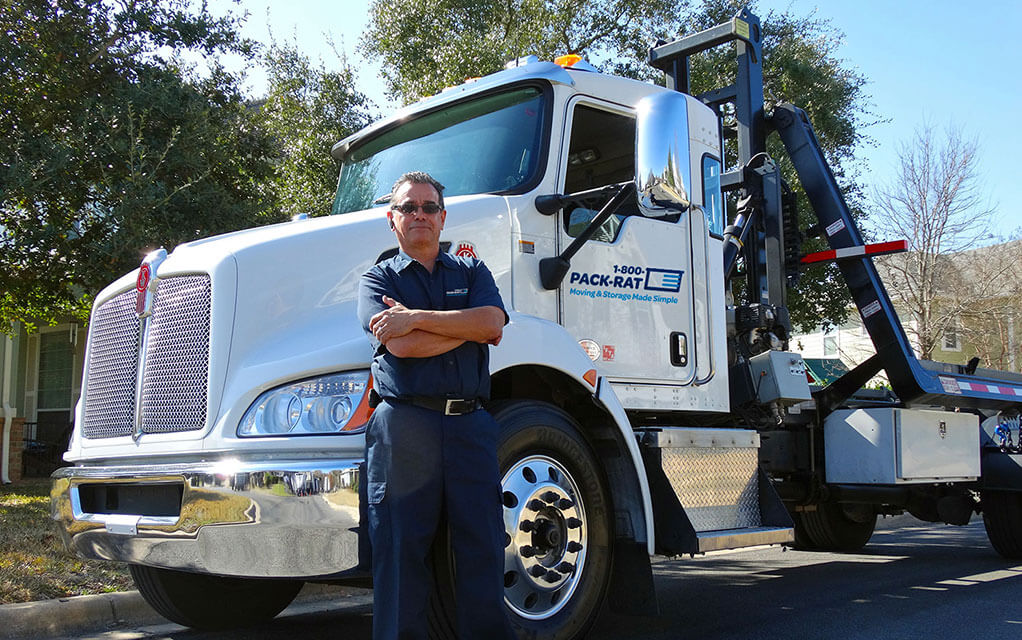
Let 1-800-PACK-RAT make moving and storage simple. Give us a call or go online for a free quote today to get started!
Frequently Asked Questions About Moving Washers and Dryers
How do I disconnect my washer for a move?
To safely prepare your washer for moving, follow these key steps to prevent damage and avoid issues like mold or mildew. First, unplug the washer to ensure safety while handling the appliance. Next, turn off the water supply valves feeding the washer to stop the water flow and help prevent leaks.
After shutting off the water, disconnect both the hot and cold water hoses from the back of the washer. Allow these hoses to drain thoroughly—placing a towel underneath can help catch any residual water. Removing excess moisture is one of the most crucial steps, as leftover water inside your washer can cause mold or mildew growth, which may not only harm your appliance but also other items during transport.
Once you disconnect and drain the hoses, leave the washer door open for at least 24 hours. This allows air circulation inside the drum and ensures any remaining moisture evaporates before you move it. Never attempt to move an appliance that still has water inside; doing so increases the risk of internal damage and unpleasant odors.
If possible, secure all loose parts, such as hoses or trays, in a labeled bag and tape them to the side of the washer. If your washer has a shipping bolt kit (usually included with front-load models), use it to lock down the drum for added protection during transit.
By taking these precautions, you reduce the risk of damage, protect against mold and mildew, and help ensure your washer arrives in good working order at its new location.
Can I lay my washer or dryer on its side during transport?
We highly recommend that you do not lay either your washer or dryer on its side during transport. Doing so can cause damage to the drum, motor, or other internal components, which may lead to costly repairs or even render the appliance unusable. Always move these appliances upright to minimize risk.
For washing machines, use shipping bolts or transit bolts to secure the washer drum during transport. These bolts prevent the drum from shifting and potentially damaging internal parts while the appliance is being moved. If you don’t have the original shipping bolts, check with the manufacturer or a local appliance store for replacements before relocation.
Also, unplug both appliances and disconnect any hoses or vents before moving them. Protect exterior surfaces by wrapping them in moving blankets or bubble wrap, and avoid tilting them excessively while maneuvering through doorways and staircases. Proper handling will help preserve their functionality and extend their lifespan once installed in your new location.
What is the best way to move a washer or dryer on stairs?
Moving a washer and dryer up or down a flight of stairs can be challenging, but here are ways to reduce the risk of injury to yourself or damage to the appliances.
Disconnect and Secure Appliances: Unplug the washer or dryer from the power source. For washers, turn off the water supply and disconnect hoses, draining any remaining water to avoid spills. Tape down cords and hoses securely to prevent tripping or catching during the move.
Protect the Appliance: Wrap the washer or dryer with moving blankets or padded covers to prevent scratches and dents. If your appliance has removable parts, such as knobs or doors, remove them and pack them separately if they could cause an issue.
Position for Moving: With your team, carefully tilt the appliance onto a sturdy dolly. Use moving straps to secure it in place, and make sure it's balanced before moving. Always keep the appliance upright; tilting it too far can damage internal components.
Navigating Stairs: One person should guide from above while others lift from below. Move slowly, one step at a time, communicating clearly throughout. Take breaks if needed and avoid rushing; safety is more important than speed.
At Your Destination: Once upstairs or downstairs, gently set down the appliance and remove protective coverings. Reconnect all hoses and cords before plugging in. Test for proper function before final placement.
Additional Tips:
- Wear gloves and closed-toe shoes for better grip and protection.
- If the staircase is particularly narrow or steep, consider professional movers.
- Check manufacturer guidelines for specific handling recommendations.
By following these steps, you can help minimize the risk of injury and damage to your washer or dryer during transit up or down stairs.
Can I move a washer and dryer by myself?
Moving a washer and dryer by yourself is technically possible, but not recommended because of the significant risks involved. These appliances are not only heavy and awkward to handle, but their size and shape make them challenging to navigate through doorways, up or down stairs, and around tight corners. Here are several reasons why you should consider getting help or hiring professional movers:
Safety Concerns: Moving these large appliances alone can lead to serious injuries such as back strain, muscle pulls, or even accidents like trips and falls. Professional movers are trained in proper lifting techniques and have access to equipment like appliance dollies and straps that help prevent injury. Another thing to keep in mind: your insurance likely won't cover damage to your belongings if you move them yourself.
Damage Risk: Without assistance, you might accidentally drop the washer or dryer, damaging sensitive components like drums or electronics. You also risk scraping the exterior against walls or floors, which could lead to costly repairs. Improper moving can also damage your home’s door frames, walls, or flooring.
Avoiding Costly Repairs or Replacements: Washers and dryers are expensive appliances. Mishandling during a move may void warranties or cause irreparable damage. Professionals know how to disconnect water lines, power sources, and vent hoses safely before transport.
Moving Efficiency: Extra hands make the process faster and easier. Professionals can quickly assess the best removal route and ensure your appliances and property stay protected throughout the move.
Moving a washer and dryer without help is possible; however, it is not recommended, and the safest option is to enlist friends or hire professionals to assist with the move. This protects you from harm and ensures your appliances arrive intact and ready to use.
What should I do if my washer or dryer doesn’t work after the move?
Double-check all the connections. For help, look at the troubleshooting section in your owner’s manual. If the problem persists, contact the appliance manufacturer’s customer service or schedule an appointment with a qualified technician. Depending on your home's age, the wall outlet may not provide enough power for the unit to operate. In that case, we recommend calling a licensed electrician to confirm the issue and correct it professionally.
What If You Have a Stackable Washer Dryer?
Moving a stackable washer and dryer is a similar process. First, disconnect all hoses and power supplies. Secure the units together if possible, then carefully tilt them to slide onto a dolly or furniture cart. Use a helper for stability, and protect surfaces with blankets during transport to prevent damage.
- Moving Tips (133)
- Home Organization (28)
- News Releases (23)
- Packing Tips (22)
- Fun Stuff (19)
- Portable Storage (18)
- Storage Tips (12)
- In the Community (11)
- Moving and Storage Tips (11)
- Moving Checklists (9)
- Household Moving (7)
- Moving on a Budget (5)
- DITY Move (4)
- Moving Company Comparisons (4)
- Home Maintenance Tips (3)
- Home Buying and Selling Tips (1)
- Interstate Moving (1)


