

Your Guide to Affordable Long-Distance Moving Services
October 18, 2024
Updated on August 8, 2025
Moving to a new home is both thrilling and a bit nerve-wracking. The further you move, the more things there are to worry about—like packing everything you own and finding someone trustworthy to help move it. A significant concern for most people is the cost of all this moving. It can get pricey, as any long-distance move will be more costly than a local move, but with some good info and careful planning, there are some ways to reduce your overall costs.
In our blog today, we're diving into affordable long-distance moving services. We’ll look at what usually makes long-distance moves more expensive—think things like how far you’re going or how much stuff you have—and advise on choosing the right company for your needs without breaking the bank.
We'll also discuss how 1-800-PACK-RAT offers affordable and convenient long-distance travel solutions. We provide a superior alternative to traditional movers, allowing you to save money while ensuring your items are transported safely and securely, with comprehensive transportation of your belongings every step of the way. Considering these tips, you can find the right balance between cost and quality, making your long-distance move as stress-free and economical as possible.
Understanding Long-Distance Moving Services
When we say long-distance moving, we mean any move that goes across state lines or stretches over 100 miles, including cross-border moves. Numerous companies in the moving industry assist with these types of moves; however, not all moving companies are the same or offer flexible solutions that fit your budget.
The primary goal is to ensure your move goes as smoothly as possible and that all your stuff gets safely to your new home without a hitch. For these companies that provide long-distance transport services, making sure their customers have a great experience is essential.
1-800-PACK-RAT, for example, works hard from beginning to end to deliver various services, from recommending professional labor and auto transport providers to providing simplified storage services if needed to ensure a stress-free and successful cross-country move.
The Basics of Long-Distance Moving
When considering a long-distance move, a couple of things are important to remember. At the top of the list is picking the best moving company possible, especially if you're on a tight budget. With so many options, it's crucial to look around, check out what other customers have said, and consider the flexibility of the services provided before deciding on one.
On top of that, figuring out how your move will happen is key. The average rate for these kinds of moves changes based on various details, including but not limited to how far away you're going, the time of year you are going, and what services you add to your move.

Remember to consider whether you'll need extra help packing up or storing some items along the way. 1-800-PACK-RAT can provide the storage services you need alongside your move, while other, more traditional movers likely require you to work through a separate vendor to store your stuff, complicating the process. Getting a handle on all this can make heading off to your new home during peak season less hectic and more smooth sailing.
Choosing Between DIY and Professional Movers
When you're considering moving a long way from your current place, there are two ways to go about it: doing everything yourself or hiring professional movers. Each choice has its pros and cons, so it's key to think them over carefully before deciding.
Going the DIY route, also known as a DIY move, could mean more money stays in your pocket if you've got the time and means to manage the whole move on your own. This involves packing up all your belongings, loading them into a traditional moving truck or one of the company's container options, driving to your new home, and then unloading and unpacking at the other end. However, if you are looking for the cheapest way to move, it may be more cost-effective to gather friends or relatives, rent a truck, and move yourself, resulting in significant cost savings.
This option will require more physical work, but it can save money on hiring professional movers. For long-distance moves, using one of our portable storage & moving containers is your best choice.
Here’s how it works: you pick your preferred date, and we will deliver a container to your home. You then pack it at your pace, and when done, we will pick it up and deliver it to your new home or place it in one of our secure and local storage facilities for as long as you need. It is that simple when you work with 1-800-PACK-RAT. We remove the stress and physical toll that the more traditional methods of moving and storage force on their customers by handling all of the driving and logistics for you.
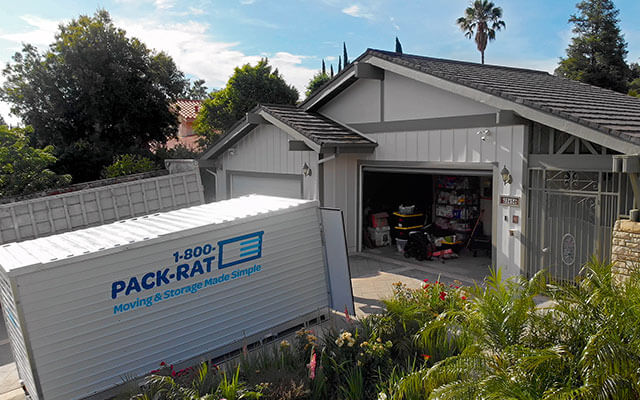
On the other hand, hiring professionals makes it easier to settle into your new house with even less stress if you combine them with 1-800-PACK-RAT’s portable containers. They have the tools and workforce to quickly and safely pack your container, saving you a significant amount of time. Professional labor providers also use specialized equipment that makes moving your stuff much easier, from appliance straps and dollies to large numbers of workers.
If you are choosing between doing a traditional DIY move and utilizing professional labor, think hard about how all of this will fit into your overall budget. Using professional laborers can add a chunk of cost to your overall budget. Still, the time and physical cost savings can be worth it, especially when considering all the other variables involved in making a long-distance move. Budgeting before you make any decisions about your move is vital to the process.
Factors Influencing the Cost of Long-Distance Moving
When moving a long way from home, the price can change based on several variables. Knowing what these are helps you figure out how much money you'll need. Some of the items deciding overall costs include:
- How far is your overall move, and what mileage are you going?
- How much stuff are you moving and its weight?
- How long will the move take to complete?
- Are there any extra services you need to add to your move, including professional labor, auto transportation, storage, etc?
By understanding these aspects, estimating your moving costs becomes easier, allowing for smarter budget planning for the big move.
Distance and Travel Time
How far you're moving significantly affects how much it'll cost to move long distance. The longer the journey, the more you'll end up paying. That's because moving over long distances requires more time, fuel, and logistical hurdles to navigate, especially if you do it on your own. Moving companies usually charge a rate for every mile when it comes to these kinds of moves. This rate can change based on where you're going and the time of year.

While 1-800-PACK-RAT handles the logistics, if you decide to go with a more traditional method, like renting a moving truck, everything will be pure DIY, including driving the truck however many miles you have to go. This will add the monetary cost per mile, fuel, lodging, food, etc., and the physical strain of making such a long drive in what will probably be an uncomfortable and large moving van. And if you run into bad weather or traffic jams, it can add even more strain and stress to your move.
Volume and Weight of Belongings
When moving a long way from home, the amount and weight of your belongings matter. Some moving companies usually determine their prices based on the size and weight of your belongings. The more stuff you have, the more space it'll need in the moving truck, which means you'll pay more to get it all moved. This is why it's essential to compare quotes from the various movers to find the most affordable long-distance service for your specific volume and weight of belongings.
1-800-PACK-RAT, for example, has weight limits strictly on how much our containers can reliably carry. Our 8-foot container has a smaller capacity compared to our and 16-foot container, but if you need more containers to fit your move’s needs, we can deliver as many as you need to get the job done (note that our 12-foot container options are for local moves only)!
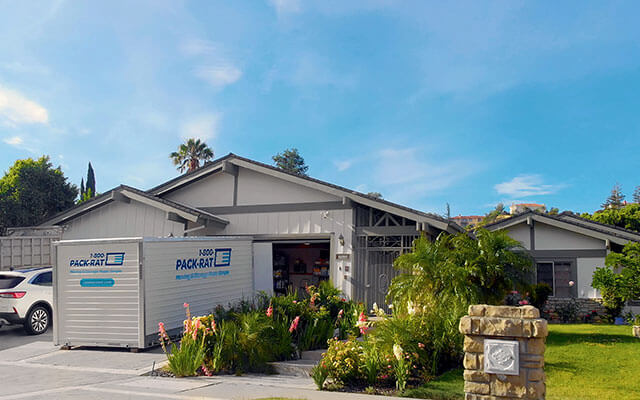
To determine how much stuff can fit into one of our containers, use our handy space calculator and download our weight estimator sheet to get the most accurate idea of what kind and how many containers you need.
Selecting the Right Long-Distance Moving Company
Choosing the right long-distance moving company is critical to having a move that goes smoothly and with as little stress as possible. With so many choices in long-distance moving services out there, picking one can feel overwhelming at times. However, by focusing on key aspects, you can narrow down your options and choose the most reliable long-distance moving company.
You should consider what customers have said about them, including their customer feedback and overall customer experience, how well-known and experienced they are, whether organizations like the Better Business Bureau (BBB) recognize them, and what kinds of services they offer. By comparing different companies, you can choose one that fits both your needs and budget perfectly.
Researching and Comparing Moving Companies
When choosing a company for your long-distance move, it's crucial to look around and see what different companies offer. This way, you can find one that fits your needs and budget. Here are some tips on how to go about this:
- Reading customer reviews and testimonials can give you a sense of the company's reputation and how well it does its job. Bear in mind that every company has hiccups, but the response to issues is just as critical as the issue itself.
- Check the company’s Better Business Bureau rating and see if they respond to complaints to help solve customer issues. A high score indicates that customers have been satisfied with their service.
- Accreditation from places like the BBB or the American Moving and Storage Association (AMSA) shows that the moving company is trustworthy.
- It’s smart to request quotes from several moving companies so you can compare costs against their offerings.
- Remember to ask people close to you who've moved recently if they have any recommendations.
Taking these steps will ensure that by doing enough homework on various moving companies, making an informed choice becomes easier when selecting the one that is best suited for hauling your belongings over long distances.
Reading Reviews and Testimonials
Checking out what previous customers have said is a smart move when trying to figure out if a cross-country moving company is any good. Here's how to make the most of those reviews and testimonials:
- Starting with the number of comments, remember that more feedback usually means you can trust the crowd's opinion.
- By reading both good and bad opinions, you'll get the complete picture of what they're great at and where they might fall short.
- Looking into specific praises or complaints can tell you about their customer service, their professionalism, and whether they’re quick on their feet.
- Check if the company responds to reviews, both positive and negative. If they only respond to good reviews or don’t respond at all, it could mean their customer service is lacking.
- Considering when something was written also helps because an old review might not reflect how things are today.
Diving deep into these reviews gives insight from folks who’ve already made moves with them. You’ll learn loads about their customer service quality and spot any red flags through negative reviews before making your choice.
Budgeting for Your Long-Distance Move
When planning a long-distance move, it's important to consider your budget. Moving isn't cheap, but careful planning and budgeting can help you avoid overspending. Look at all the moving expenses you could incur, like paying for movers, buying boxes and packing stuff, getting yourself from one place to another, and any extra help or services you might need.
By figuring out these costs and deciding how much money you'll use for each part of your move, you can dodge any unexpected bills that could pop up. This makes moving much less stressful for your mind and wallet.
Other Costs to Consider
When planning a long-distance move, it's key to watch for extra costs that might pop up unexpectedly. Here are some to look out for:
- Additional services could mean more money for things like packing, unpacking, or temporarily storing your stuff.
- It is crucial to ensure that your items are protected during the move. Ensure that any mover you work with offers a protection plan or insurance.
- Moving supplies are also essential for any move, and depending on the size of your move, you might need to budget a bit more for boxes, moving pads, etc.
Knowing about these additional costs helps you plan better financially and keeps those unexpected expenses from catching you off guard during your long-distance journey.
Saving Money on Moving and Packing Supplies
When you're moving a long way, the cost of packing can add up quickly. But there are some smart ways to cut down on these expenses:
- Consider using boxes from big box stores or people you know, rather than buying new ones. Just be mindful of how much these boxes have been used, what was in them before, and what you pack inside for a long journey.
- Sometimes you can find freebies or find boxes for relatively cheap. Check social media, especially local Facebook groups or Nextdoor threads, and see if anyone has or is offering their recently used moving boxes and supplies. Some might give it to you outright or ask for a nominal sum for them.
- Use what is around your home, like towels, blankets, and old bedding. These items are great for keeping delicate things safe and filling empty spaces when packing.
- Instead of buying packing peanuts or something similar, consider using old newspapers (just be sure the ink isn’t rubbing or bleeding off) to fill those boxes. If your move isn’t happening for a few months, start collecting mail and paperwork you won’t be using and shredding it. This can also be used to fill boxes and secure items within.
Getting creative with how you gather your moving supplies means more money stays in your pocket while still getting everything safely to its new home during a long-distance journey.
Packing Tips for a Long-Distance Move
When you're moving a long way to a new home, how you pack up your stuff is super important. You want everything to arrive safely. Here's what you should keep in mind:
- Before you begin packing, sort through your things. Get rid of stuff you no longer use or need. This makes packing and moving easier and cheaper, and could even make you money if you can sell some of your old stuff on places like Facebook Marketplace. You can also consider donating belongings that are still usable to places such as the Salvation Army or a Habitat ReStore.
- Start packing your stuff early - at least several weeks before your move. Begin packing non-essentials first, like any items in your closets, out-of-season clothing, or sporting equipment. Anything you can pack now and not need should be a priority to avoid issues as you get closer to your moving day.
- Make sure to buy strong boxes that can handle the trip without falling apart. Many places, such as Lowe’s® Home Improvement, sell heavy-duty boxes that are well worth the slightly higher cost to keep your stuff safe.
- Remember to pack an essentials box—this one contains all the must-haves, such as toothpaste, sheets, and clothes for changing into right after getting there. This box or item should be packed last so it is the first item unpacked at your new home.

Stick with these tips during your big move; they’ll help ensure everything goes smoothly as you head off to start fresh somewhere new! For more packing tips and tricks, be sure to check out our blog section!
Essential Packing Materials and Techniques
When moving far away, ensuring your belongings are packed correctly is crucial, especially if you might need storage services when you get to your new home. Here's what you need to keep everything safe:
- Sturdy boxes: Get some good-quality, heavy-duty boxes for the move. You can add extra security by applying additional tape to the bottom to hold them together.
- Bubble wrap and packing paper: Wrap breakable items like glasses and electronics in bubble wrap, securing each one with tape to keep it in place. Newspapers or packing paper are great for padding for stuff that won't break easily.
- Packing tape and markers: Seal up those boxes tightly with packing tape so they don't pop open when you least expect it. Write down what's inside each box and which room it should go in at your new home. Your future self and your moving helpers will thank you if you do.
- Proper packing techniques: To avoid damage, put heavy items at the bottom of your box and lighter ones on top. Use old clothes, towels, or more paper to fill gaps so things don’t move around too much while heading to your new place.
- Disassemble furniture: If you can take apart big pieces of furniture, do it—it'll save lots of space and make moving easier. Keep all those tiny parts, like screws, in bags marked with what piece they belong to; stick these bags onto the furniture pieces themselves so nothing gets lost.
- Distribute weight evenly: This is especially important when using a portable moving and storage unit. Ensure you have heavy items throughout your container to distribute the weight evenly. If you pack all of your heavy stuff at the back, it can cause the container to sway during transport. Avoid any issues with the delivery of your stuff by keeping the weight even throughout your unit.
By following these tips, using strong materials, and smartly boxing up your belongings, everything will arrive safely as you settle into your new home.
The Logistics of Long-Distance Moving
There's a lot to think about when you're moving far away. If you opt for a more traditional mover like a rental truck company, there is a lot of room for error that you will need to take into account. For example, many truck rental companies base their scheduling and availability on whether the truck you are looking for is available in your area. That means during peak moving times, you could well be out of luck with no availability. It also means you are at the mercy of the company itself, as there are only so many assets in the area.
With 1-800-PACK-RAT, we have the containers you need to make your move a success. Since our containers double as moving and storage units, you can have temporary storage wherever you need it until you are ready to unpack your stuff. While we do recommend scheduling your move ahead of time as much as possible, especially during the peak moving season of the early summer, we have the container inventory needed to meet our customers’ demands and to move on their preferred date.
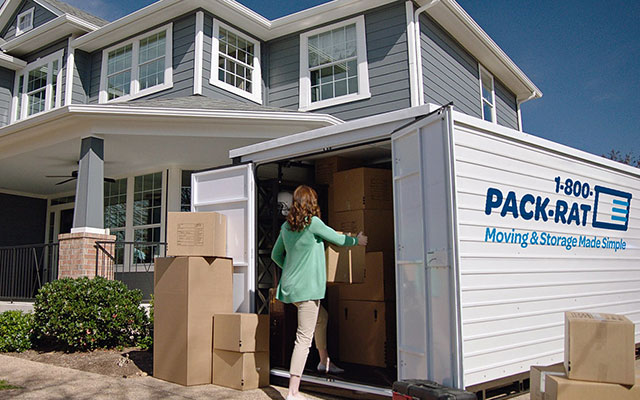
We understand you have a timeline to keep, whether it is closing on an old or new home, starting a new job, etc. Let us handle the logistics so you can focus on more important stuff.
Scheduling and Timeline Planning
Effective scheduling and timeline planning are crucial for a successful long-distance move. It's important to create a detailed timeline to ensure all tasks are completed on time. Here's an example of a typical timeline for a long-distance move:
- 2-3 months before - Research and choose a moving company that fits your needs and budget while providing flexibility to do what you need to do
- 1-2 months before - Sort and declutter belongings and notify utilities, schools, and other important contacts
- 4-6 weeks before - Start packing non-essential items and arrange for pet and child care during the move
- 2-3 weeks before - Pack essential items and create an inventory list to keep track of everything you plan on moving
- 1-2 weeks before - Confirm your moving date and details with your moving company
- 1 week before - Pack remaining items, label boxes, and arrange for transportation for yourself and your family
- 1-2 days before - Complete any last-minute tasks before the move and pack your essentials bag or box to load last
- Moving day - Load your container at your own pace and prepare for the journey to your new home
- After moving day - Unload and unpack at your new home at your own pace when using a 1-800-PACK-RAT portable moving unit
By following a comprehensive timeline like this, you can ensure that all necessary tasks are completed on time and minimize stress during the moving process. Keep in mind that timelines may vary depending on the size of your move, the distance, and other factors specific to your situation.
Use 1-800-PACK-RAT’s Portable Moving Containers for Your Long-Distance Move
Understanding the ins and outs of budget-friendly long-distance moving is crucial. Deciding whether to move yourself or hire professional movers, along with picking the best moving company, affects both your wallet and how smoothly everything goes. The distance you're moving, the amount of stuff you have, and whether you're doing your homework are all critical factors in figuring out how much it'll cost. It's key to plan early and stick to a budget.
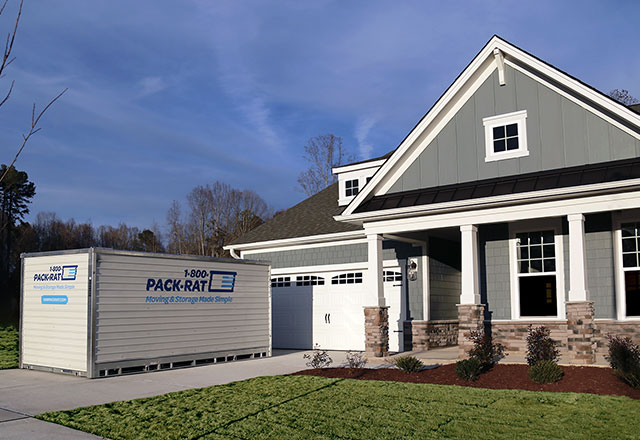
1-800-PACK-RAT understands the challenges every mover faces, as we have been helping people just like you make long-distance moves for over 20 years. Our portable moving and storage containers offer the perfect solution for moving on your timeline, providing a storage solution at your location or in our warehouse if needed. Let us help you make your next cross-country move simpler - get a free quote today or give us a call and speak with one of our long-distance moving coordinators to get started!
Frequently Asked Questions About Affordable Long-Distance Moving Companies
What are the key factors to consider when choosing a low-cost moving company?
When choosing a company for your long-distance move, making the right decision is crucial. Here's what you should think about:
- Take a look at customer reviews and ratings on places like the Better Business Bureau to get a feel for the company's reputation.
- Work with companies that simplify their quoting process so you know exactly what to expect. Be sure to ask any questions you may have and avoid companies that get hostile when you do so.
- Check with friends and family to see what worked best for them or what they would have done differently for their move.
- Ensure the mover has all the necessary licenses and insurance to transport your stuff across state lines safely. While smaller movers may seem cheaper, they might not have everything they need to reach your final destination.
- It’s wise to compare quotes from various companies. Choose one that fits your budget, offers top-notch customer service, and offers the easiest and most flexible moving solutions.
Taking these steps seriously and doing enough research will help you find a dependable moving company. This way, you're more likely to enjoy a move that’s both smooth sailing and free of stress.
What is the average cost of a long-distance move?
The cost of moving a long distance varies based on several factors, including the distance, the size of your home, and whether you require additional assistance. Pricing can also vary significantly based on any other services you add to your order. The best way to get an accurate cost analysis of your move is to get a quote from your moving company of choice. Remember that during the busy summer months, prices may go up due to high demand.
Learn more about how much 1-800-PACK-RAT costs to get an idea of how we can meet your needs and budget.
How far in advance should I plan my long-distance move?
For a smooth, long-distance move, it's best to start planning two to three months ahead. This way, you have plenty of time to research and pick a trustworthy moving company, set up a schedule, and get everything else sorted out. If you are moving during the late spring and early summer, plan on getting your move scheduled at least a couple of months in advance if possible. Dates fill up fast for every moving company during this peak season.
What are some considerations I should make if I'm moving long-distance from a large city?
When considering affordable long-distance moving services from the city, it's essential to compare quotes from multiple companies. Look for customer reviews, hidden fees, and insurance options. Planning ahead can also help you secure better rates and ensure a smooth transition to your new location.
What are some cheap ways to move a long distance?
To move long distances affordably, consider using a portable storage container that you can pack at your own pace and leave all the driving to the company. Additionally, plan your move during off-peak seasons, gather free packing supplies, and compare quotes from various moving companies. DIY packing can also save money while ensuring your belongings arrive safely at their destination.
Can I negotiate with a long-distance moving company?
Yes, negotiating with affordable long-distance moving companies is possible. Many movers are open to discussions about pricing, especially if you have multiple quotes. Highlight your budget constraints and be clear about your needs. Let 1-800-PACK-RAT help you find the best deal to make your move both affordable and simple today!
- Moving Tips (133)
- Home Organization (27)
- News Releases (23)
- Packing Tips (21)
- Fun Stuff (19)
- Portable Storage (16)
- In the Community (11)
- Moving and Storage Tips (11)
- Storage Tips (10)
- Moving Checklists (9)
- Household Moving (7)
- Moving Company Comparisons (5)
- Moving on a Budget (5)
- DITY Move (4)
- Home Maintenance Tips (3)
- Home Buying and Selling Tips (1)
- Interstate Moving (1)


