

Don't Make These 10 Common Moving Mistakes
March 26, 2025
Updated on October 22, 2026
Key Highlights of Common Moving Mistakes That Are Made
- Moving can be stressful, but avoiding common mistakes can make it go more smoothly.
- Proper planning, including decluttering and gathering packing supplies, is crucial.
- Research and book movers early to ensure availability and potentially better rates.
- Protecting your belongings with insurance and proper packing techniques provides peace of mind.
- A detailed moving checklist helps you stay organized and reduces the chance of oversights.
Moving to a new home is exciting, but it can feel overwhelming, and not being careful can lead to mistakes. Packing, planning, organizing, and finding the right moving company can create chaos and lead to minor or even major errors, which is understandable but still frustrating. These mistakes can cause stress, waste time, and lead to unexpected costs. However, with planning and preparation, you can make the moving process easier and feel more confident about your overall move.
The 10 Common Moving Mistakes You Should Avoid
Moving to a new house is a significant life event, bringing excitement and worry. While you may feel thrilled about your new space and city or neighborhood, use the time you have before your move to plan properly, since moves often come with unique challenges. Even the best planners can make typical moving errors, like packing mistakes or forgetting items you need.
To make your move easier, 1-800-PACK-RAT has compiled a list of ten common mistakes to avoid. Understanding what others have faced can reduce stress and help you transition to a new home more smoothly.
1. Failing to Declutter Before Packing
One of the most common mistakes people make during a move is holding onto items they no longer need or use. Take time to declutter before you start packing, as this can streamline your move and reduce overall costs. Start by systematically going through each room and evaluating your possessions. Decide what's worth keeping, what you can donate or sell, and what you should discard. Failing to declutter before packing is one of the biggest mistakes to avoid when moving long distance, as it leads to unnecessary expenses and added stress.
Donating gently used clothing, furniture, or household goods to local charities benefits others and reduces your moving load. Selling unwanted items at a yard sale or on online platforms like Facebook Marketplace, Craigslist, or eBay can generate extra funds to help offset moving expenses. Also, recycling or responsibly disposing of broken or unusable items keeps you from transporting unnecessary clutter. If you want to donate gently used belongings, The Salvation Army, Goodwill, and a local Habitat ReStore are good places to give. Additionally, if you just have a bunch of junk you need to get rid of, 1-800-PACK-RAT is partnered with third-party junk removal service providers who can handle the job for you!

By minimizing what you pack, you might be able to move everything in a single portable storage container. Fewer boxes mean less packing material required—another way to cut costs and reduce environmental impact. Plus, with the right preparation, unpacking will be much easier and faster when you arrive at your new home. People often underestimate how long a move takes because they overlook tasks like sorting through belongings and decluttering before packing. To avoid this, start early and be realistic about how long each step takes, especially decluttering, so you can set an accurate moving timeline and avoid last-minute stress.
Decluttering before a move lets you start fresh in your exciting new chapter in your new space without excess baggage. It reduces stress during both packing and unpacking and lets you create a more organized environment from the start. Planning ahead and sorting through your things thoughtfully can turn an overwhelming process into a manageable task, with clear financial and practical benefits.
2. Underestimating the Number of Packing Supplies Needed
When preparing for a move, it’s easy to underestimate how much packing material you'll need. Cardboard boxes, packing paper, and bubble wrap are essential for protecting your belongings, but running short can quickly disrupt your moving process and add unnecessary stress. To avoid these issues, start by taking inventory of your household items and estimating the types and sizes of boxes required for each room. For fragile or valuable items, consider specialty boxes—such as dish packs or wardrobe boxes—to ensure added protection.
Buy more supplies than you think you'll need; extra boxes allow for last-minute packing and keep you from scrambling if your estimate falls short. Begin gathering materials early, so you have time to adjust your supply list as you pack. This also gives you the flexibility to take advantage of sales or bulk deals on moving supplies.
Don’t forget other essentials like packing tape, tape dispensers (or tape guns), a tape measure for accurate measurements, permanent markers to label each box clearly, and furniture pads or blankets to protect larger items from scratches and dents during transport. Additional supplies such as zip ties, stretch wrap for securing drawers and doors, and resealable plastic bags for small hardware (like screws and bolts) can be invaluable.
A well-organized approach to gathering moving supplies not only protects your belongings but helps streamline the packing process. Properly labeled boxes make unloading easier at your new home, reduce confusion, and help you settle in faster. By planning ahead and keeping all necessary materials on hand, you can minimize stress and keep your move running smoothly from start to finish.
3. Delaying the Start of the Packing Process
Procrastination is a common pitfall when preparing for a move, especially when your moving date feels far off. While it may feel tempting to delay packing until closer to the big day, this approach can create unnecessary stress and lead to costly mistakes. Packing often takes longer than expected, and rushing increases the risk of improper packing, which can damage belongings or leave essentials behind.
To avoid these issues, develop a structured packing schedule well before moving day. Start by boxing items you rarely use or that are out of season—such as holiday decorations, extra linens, or winter clothing if you're moving in summer. This early start lets you organize your possessions systematically and ensures you pack fragile or valuable items with extra care.

Assign specific days or blocks of time for tackling different rooms or categories of items. For example, dedicate one weekend to packing kitchen gadgets you seldom use, another to books and decorative pieces, and so on. By breaking the task into manageable chunks and tackling nonessential items first, you reduce the risk of forgetting something important during the final rush.
In addition to protecting your belongings from damage during transport, starting early gives you ample opportunity to declutter. You can decide what to donate, sell, or discard rather than hastily tossing everything into boxes. This not only makes unpacking at your new place easier but also helps lighten your load—potentially reducing moving costs.
Finally, an organized and proactive packing process leads to a smoother transition on moving day. You’ll have peace of mind knowing everything is securely packed and accounted for, making the overall experience less overwhelming and much more efficient. Planning ahead truly transforms what could be a stressful ordeal into a manageable—and even satisfying—project.
4. Not Scheduling Movers or a Moving Company Well in Advance
Whether you opt for the less flexible and troublesome avenue of renting a moving truck or pick the portable moving container route that gives you the time you need to pack at your pace, waiting until the last minute to schedule either can get you into big trouble. This is especially true during the busy moving season of May-July.
Start your search for a moving company at least a couple of months before your move. While moving truck rental companies often work off local inventory, making it harder to pick your preferred moving date, portable moving companies like 1-800-PACK-RAT can make the move happen on your schedule. You pick your moving date, we deliver the container to your current home, you pack at your pace, then we pick up the container and move it to your new home or store it. It is that simple.
However, if you wait until a week or so out to schedule a move, your moving date will likely be booked, or you will have to settle for a less-than-ideal solution. Get quotes from moving companies and try to select one at least a month before your moving date. That way, you can book your company as well as any third-party professional labor assistance you might need to help pack your container or auto transportation providers.
5. Skipping the Purchase of Moving Insurance
Moving insurance and liability coverage are often ignored, but it's vital for keeping your things safe during a move. Accidents can happen. Even if a good moving company handles your items well, unexpected issues like truck crashes or storms can still cause damage or loss.
Moving insurance usually covers repair or replacement costs in these cases. It gives you peace of mind and protects your money. Before you move, ask the moving company about their insurance options. At 1-800-PACK-RAT, we offer multiple levels of Contents Protection Plans for each container, so you know your stuff is covered in the event of an accident, up to a limit you choose.

Check the policy terms and coverage limits of any solution provider. This helps ensure they match the value of your belongings. If you need more protection, consider increasing your protection amount or getting extra coverage from another insurer.
6. Not Gathering Multiple Moving Estimates
Getting several moving estimates is vital for making an informed choice and getting the best price for your move. While 1-800-PACK-RAT is the best you can get in the portable moving and storage space, we understand that our customers need to stick to their budgets. Things like distance, the amount of stuff you have, and extra services can all change the overall cost - you can learn more about 1-800-PACK-RAT's costs here.
Contacting different companies helps you compare prices directly and may let you negotiate a better deal. Ask each mover for a written estimate that lists all included services and any extra fees. Remember, you often get what you pay for, so if a deal seems too good to be true or sounds unrealistic, trust your gut. No moving company is perfect, but the one you choose should offer a quality solution and a quality customer service team to support you.
This straightforward method lets you compare options fairly and choose the company that fits your budget and needs.
7. Overlooking the Importance of a Moving Checklist
A comprehensive moving plan is crucial to ensure a smooth transition to your new home and minimize stress throughout the process. A detailed moving checklist helps you organize tasks systematically, from decluttering your current space to packing boxes securely and coordinating logistics. This checklist should cover every aspect of the move, including notifying utility providers about disconnections or transfers, updating your address with banks and insurance companies, and setting up mail forwarding with the United States Postal Service. You can also check out our other blog for tips on how to seamlessly change your address to avoid issues with mail delivery.
Breaking major tasks into smaller, manageable steps not only makes the workload feel less overwhelming but also lets you set achievable deadlines for each phase of the move. For example, you might set aside a week to sort through belongings room by room before packing begins, or allocate time to buy packing supplies like bubble wrap and sturdy boxes. Sticking to these deadlines helps maintain momentum and prevents last-minute panic.

Another benefit of a moving checklist is that it helps you track move-related appointments and commitments, such as reserving a moving truck or booking professional movers well in advance. It’s easy to overlook important details during a busy move; keeping them all listed ensures nothing slips through the cracks.
Using a tool like 1-800-PACK-RAT's downloadable moving checklist can make it even easier to keep everything organized. These checklists typically include reminders for essential tasks, such as updating your address with government agencies, scheduling final cleaning, and confirming move-in dates with landlords or real estate agents. By following an organized plan and checking off items as you complete them, you’ll feel more prepared and in control throughout the relocation process.
8. Improper Packing of Valuable Items
Valuable and fragile items need special care when packing. You can't just put them in boxes with padding. To properly protect items like glassware, electronics, artwork, and important documents, plan carefully and use the right packing methods, such as masking tape for extra support.
Get good packing materials such as bubble wrap, packing paper, and boxes for fragile items. To save money, use old bedsheets, towels, or newspapers (make sure the ink doesn't bleed first) to keep your stuff secure. Wrap each item separately, and use padding to prevent contents from shifting and to protect lighter items from breakage during transport.
Label boxes clearly and liberally with "FRAGILE" written on them. This will help movers identify and handle them with extra care.
Another tip: if you are moving very valuable items, such as jewelry or other high-value items, keep them with you at all times. While the companies you work with should be trusted, keeping these belongings with you is always a good rule of thumb to avoid mistakes or loss. It will give you peace of mind knowing your heirlooms and expensive items are always with you during your move.
9. Forgetting to Arrange for Parking Permits on Moving Day
When you're moving, finding a spot for your moving solution or portable container at both your old and new home is an easy detail to overlook. If you do not plan for it, you may face delays, parking tickets, and added stress on moving day.
If you live in a city or urban area and need to park your moving solution on the street, call your city's parking authorities. If you are in a neighborhood with an HOA, contact them for guidance to avoid any fines or notices. Take the time to figure out the parking rules early in the moving process and if you need permits. Some places have special loading zones or time limits, so it helps to be prepared.
Getting parking permits and sharing the parking plan with the moving company helps make the moving day smoother and more efficient.
10. Neglecting to Pack an Essentials Box
After moving, unpacking can easily become overwhelming—especially when you need to find important items right away. To simplify this transition and make your new house feel more like home, packing an essentials box is a smart strategy. Before sealing your boxes, designate a suitcase or sturdy container for items you'll need in the first day or two in your new home.
Your essentials box should include toiletries such as toothbrushes, toothpaste, soap, and shampoo; a first aid kit; any medications you or your family require; phone chargers and other necessary electronics; a few changes of clothes for each person; and critical documents like identification, passports, insurance papers, lease agreements, and medical records. If you're moving with children or pets, add their favorite toys or comfort items to help them adjust more easily.
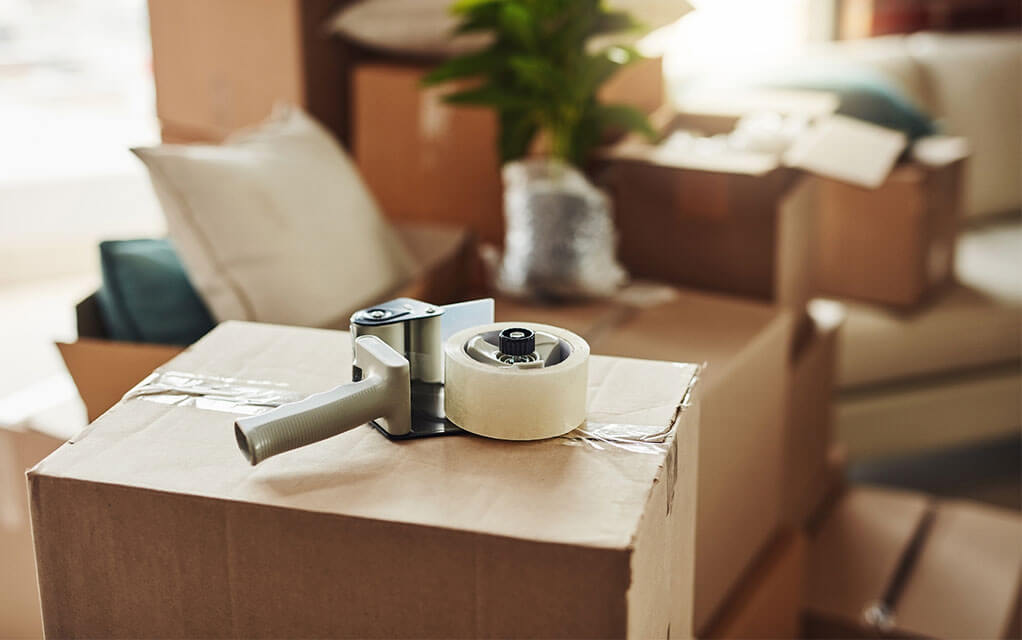
Label this box clearly using permanent markers so it's instantly recognizable among all your other belongings. If possible, mark it with "Open First" or "Essentials." When loading the moving truck or container, put this box in last so you can unload it first when you arrive. This ensures you can access what matters most right away, without digging through stacks of boxes after a long day.
Also, consider adding basic kitchen supplies like paper plates, utensils, snacks, bottled water, and a coffee maker if that's part of your morning routine. Having these essential items at hand will help you settle in comfortably even before you've fully unpacked.
By preparing an essentials box ahead of time and keeping it easily accessible in your new home for your family members, you can relax and settle in gradually rather than scrambling for necessities. This small step can make the first night—and following days—in your new space much smoother and less stressful.
Use 1-800-PACK-RAT to Make Your Upcoming Move as Mistake-Free as Possible
Good planning and organization are essential to avoiding mistakes when moving, since some of the biggest issues happen when movers are backed into a corner time-wise and rushing to get things done. Start preparing and packing as early as possible to get a head start, and choose a moving solution that works with your schedule, not the other way around.
1-800-PACK-RAT is here to assist you with any moving and storage needs. Whether you are moving locally or long distance or need to store your stuff for a while, we have you covered. With over 85 storage warehouse locations across the continental United States, we can cover your moving and storage needs where you are. Let us bring moving and storage solutions to you; no driving means less stress and fewer chances for mistakes, so you can focus on what matters most.
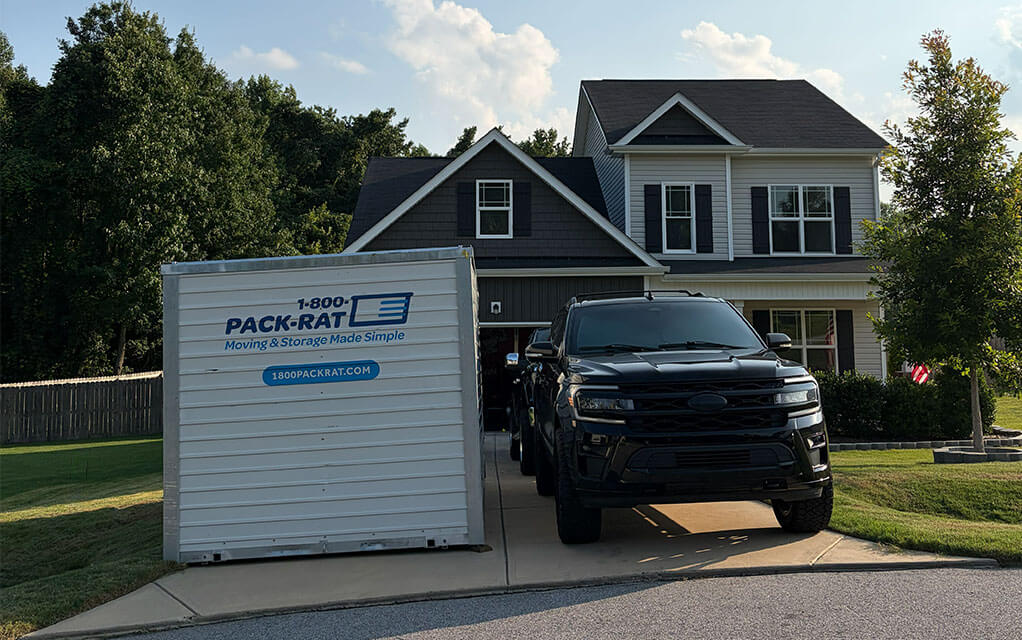
Let us help reduce moving mistakes and make your upcoming move simple. Call us today or visit our website for a free quote and see how easy we can make your upcoming move and storage needs!
Frequently Asked Questions About Commonly Made Moving Mistakes
What is the most common moving mistake people make?
Many individuals pack everything they own, including items they no longer need or use. This not only increases the workload but also drives up moving costs, especially if you’re paying by weight or volume. Taking time to sort through your belongings and donate, sell, or discard what you don't need can make your move more efficient and less stressful.
People also often overlook creating an inventory list. Without a detailed record of what you’ve packed, it’s easy to lose track of important possessions. An inventory helps with organization and provides peace of mind, especially for valuable or sentimental items.
Additionally, some movers skip preparing a “first-day essentials” box with necessities like toiletries, medications, chargers, basic kitchenware, and clean clothes. Having these items readily accessible saves time and hassle during the initial unpacking phase when searching for essentials among dozens of boxes can be frustrating. The last thing you want is to dig through multiple boxes for your basic needs.
Another common oversight is not adequately protecting fragile items. Rushing through packing or using insufficient padding materials may lead to breakage during transit. Investing in quality packing supplies—such as bubble wrap, sturdy boxes, and packing tape—is crucial for keeping your belongings safe.
Don't forget to update your address with banks, insurance providers, subscriptions, and government agencies. Skipping this step can lead to lost mail or service interruptions.
What's the best way to declutter before a move?
Start by sorting your things into groups: keep, donate, sell, or throw away. You can have a yard sale or use online marketplaces and social media to help you clean out your old home and make some extra cash. Remember that moving less means a lighter load and more room in your new space! A good rule of thumb: if you haven't needed, worn, or cared about the item in question in at least the past 12 months, you probably don't need to keep it.
How early should I book movers?
Booking professional movers should be one of your first tasks once you have a moving date. Book at least 6-8 weeks ahead, especially for long-distance moves and if you plan to move in late spring or summer. Booking early gives the first moving company you contact enough time to help with your move. This also boosts your chances of getting your preferred date when moving with 1-800-PACK-RAT and settling into your new place smoothly.
Why is moving insurance important?
Imagine arriving at your new home only to discover that some of your cherished belongings were damaged during the move. Even with careful planning and meticulous packing, accidents can still happen. This is where moving insurance becomes invaluable—it helps cover the cost of lost or damaged items and protects you from unforeseen expenses, offering much-needed peace of mind throughout the relocation process.
Moving insurance comes in various forms. The most common type is released value protection, typically offered by moving companies at no additional charge, but it provides minimal coverage based on weight rather than value. Full value protection offers more comprehensive coverage, ensuring you’ll be reimbursed for the full value of any damaged or lost items, or that they'll be repaired or replaced. You can also buy third-party insurance for even greater protection—especially if you’re transporting high-value items such as antiques, electronics, or jewelry.
Review each policy carefully and understand what is included before your move. Some policies may exclude certain items or circumstances, such as damages caused by natural disasters or improper packing by the owner, which can affect your ability to file insurance claims. If you’re hiring professional movers, ask about their liability options and whether they offer supplemental insurance.
Investing in moving insurance not only safeguards your possessions but also reduces the financial risk and emotional stress of unexpected losses. In summary, moving insurance turns a potentially nerve-wracking experience into a smoother transition by protecting your valuables every step of the way.
How can I ensure my valuables are packed safely?
When packing valuables for a move, prioritize their safety throughout the process. Start by wrapping each item individually in bubble wrap and packing paper, and cushion all sides properly. Double-wrap especially delicate pieces, such as glassware or heirlooms, for extra protection.
Strengthen the bottoms of your boxes with multiple layers of heavy-duty tape to help prevent them from breaking open under weight. Clearly label each box as “Fragile” so movers know to handle them with care. For extremely fragile or irreplaceable items, consider using specialty moving boxes designed for specific valuables, such as dish packs, wardrobe boxes, or custom foam inserts.
Additionally, place heavier items at the bottom of the box and lighter ones on top to avoid crushing. Fill any gaps with packing peanuts or crumpled paper to keep items from shifting during transit. If possible, transport particularly precious belongings yourself rather than relying solely on movers.
By taking these extra steps and planning ahead, you minimize the risk of damage and ensure your valuables arrive safely at your new destination.
What challenges am I likely to face by moving?
Relocating often brings obstacles, including misjudging costs, not downsizing belongings before the move, and not preparing in advance. Additionally, you may encounter practical complications like setbacks, property damage, and increased anxiety. Navigating these difficulties effectively requires thorough planning and strong organizational skills.
How can I avoid common mistakes when storing my items during a move?
Start by clearly labeling each box or container with its contents and the room it belongs to; this makes unpacking easier and helps you find specific items without unnecessary searching. If you’re storing fragile items, wrap them carefully in bubble wrap or packing paper, and place them in boxes or containers with extra padding to minimize breakage risk.
When organizing your storage unit or space, arrange heavier boxes on the bottom and lighter ones on top to prevent damage. Leave an aisle between stacks so you can access everything without moving it. Avoid stacking bins too high, as this can make them unstable and increase the risk of accidents.
If you’re storing electronics or appliances, remove batteries and secure all cables. Store these items away from moisture. For furniture, disassemble larger pieces if possible, and cover them with protective blankets or plastic wrap.
If you’re storing valuable or sensitive items, such as artwork, documents, or antiques, consider renting a climate-controlled unit or working with a storage company that maintains consistent temperature and humidity levels. This helps prevent warping, fading, or other forms of deterioration.
By staying organized and using proper packing methods, you can significantly reduce the risk of loss or damage during your move and keep your belongings safe until you need them again.
- Moving Tips (133)
- Home Organization (28)
- News Releases (23)
- Packing Tips (22)
- Fun Stuff (19)
- Portable Storage (18)
- Storage Tips (12)
- In the Community (11)
- Moving and Storage Tips (11)
- Moving Checklists (9)
- Household Moving (7)
- Moving on a Budget (5)
- DITY Move (4)
- Moving Company Comparisons (4)
- Home Maintenance Tips (3)
- Home Buying and Selling Tips (1)
- Interstate Moving (1)


