

Your Guide on How to Pack a Bedroom for Moving
June 17, 2026
Packing your home for an upcoming move can be daunting. Each room in your home can be approached differently based on the items inside it. For this blog, we will focus on some tips to help you pack your bedroom belongings properly and efficiently for an upcoming move. Your bedroom probably contains the widest variety of items to pack - from clothes and bedding that are soft and can be easily packed, to lamps and dressers that can be heavy and fragile, to your mattress, which is large and can be difficult to carry.
Your bedroom requires a bit of planning and assistance when it comes to packing, but with our tips, you'll be able to get it packed and ready for your upcoming move day!
Bedroom Packing Tips For Moving
Your bedroom is your sanctuary, your personal space, and the last thing you want is for your personal items to be in all the wrong places or packed incorrectly. Outside of food and kitchen appliances, you are packing almost everything you'd pack elsewhere in your home, from your bedroom alone. Avoid frustration and annoyance on your first night in your new place and beyond by packing for your move in the simplest way possible! Here are some quick, efficient ways to start packing your bedroom for your move.
Planning Your Bedroom Packing Routine
When deciding which bedrooms to pack first, consider your household’s specific needs and routines. For families with children, leaving their rooms until last can help maintain a sense of stability and minimize disruption to their daily lives. Kids rely on familiar spaces, so keeping their rooms intact can reduce anxiety during the moving process. If you’re packing as a couple or solo and have guest rooms or spare bedrooms that are rarely used, these are ideal starting points. These rooms typically contain items not needed for day-to-day living, making it easier to clear them out without impacting your current routine.
No matter which order you choose, having an organized system is essential. A color-coded labeling method can streamline your unpacking at the new home—assign a specific color to each room and mark boxes accordingly. For example, use blue labels for bedroom one, red for bedroom two, and so on. This will help movers know exactly where each box belongs in your new space.
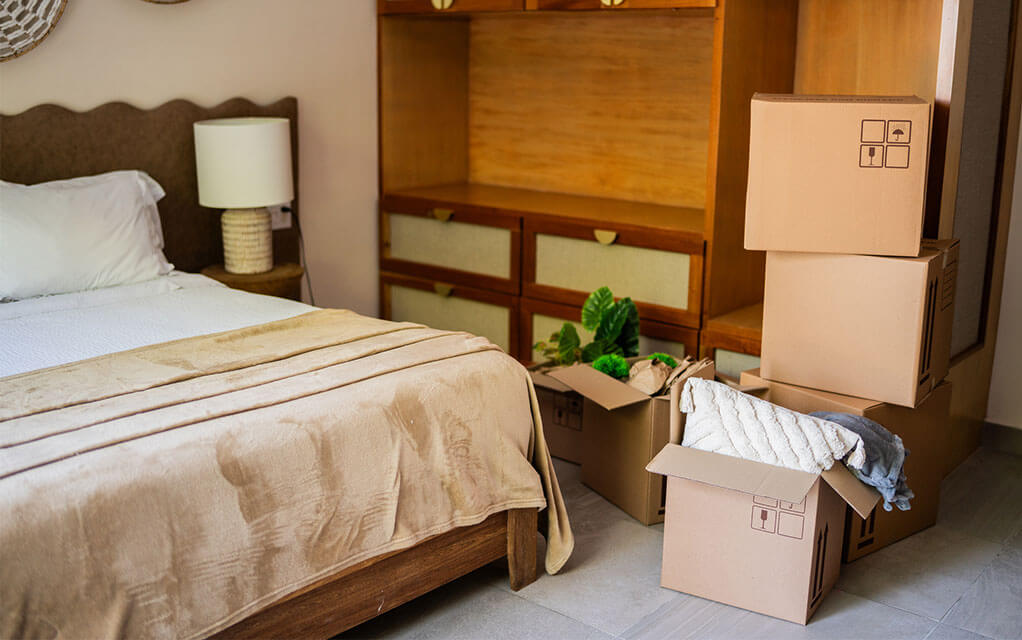
Creating a detailed packing schedule is also beneficial. Break down the process into manageable tasks by setting daily or weekly goals for each room. Start by packing non-essential items, such as off-season clothing, décor, or books, before moving on to everyday essentials closer to your moving date.
Finally, develop a comprehensive plan of action before you begin packing. Take inventory of what needs to be packed in each room and gather the necessary supplies, such as boxes, tape, markers, bubble wrap, and packing paper, ahead of time. Having a plan will not only make the process more efficient but also reduce stress as moving day approaches.
By carefully choosing where to start based on your family’s needs and using an organized approach, including color-coding and scheduling, you’ll make the transition smoother for everyone involved and ensure nothing important is left behind or misplaced during the move.
Pack Yourself a Bag With the Essentials
Once you have a plan, pack an overnight bag of essentials that will last 2-3 days before you begin packing the bedroom. This "go-bag" will be extremely helpful during the first few days you move into your new home. It should have an outfit or two, toiletries, deodorant, phone chargers, etc. - anything that you might need to freshen up. To make the packing process smoother, consider creating a checklist of items to pack in your go-bag. Unloading all your belongings and arranging them as you want in your home may take a few days. This ensures you have everything you need and that you aren’t opening boxes all over the house looking for a shirt.
Have Your Packing Materials Ready
Have any moving boxes, packing tape, furniture blankets, mattress bags, and protectors ready to go before you start making your move. If you have any duffel bags, backpacks, or travel luggage, use them first to pack some items and save a little extra space. Moving and packing supplies can be purchased from places such as Lowe's® Home Improvement, or can be stuff you already have in your home. Old towels and bed sheets can be valuable moving supplies that help keep your belongings safe from damage during the move. It is a good idea to always keep these items handy in case you need them!
Use the Opportunity to Clear Some Clutter
Moving can be a twofold experience: moving your necessary belongings into a new home while discovering things you don’t remember having or no longer need. If you come across clothes that no longer fit or smaller items, like toys, that your children no longer play with, consider donating or discarding them. You don’t need to make the moving process harder on yourself by taking unnecessary items. If it is something that is still in a small box in your closet that you haven’t unpacked since your last move, you probably don’t need it anymore!
Begin With the Fragile Items
Begin packing your fragile bedroom items first. This way, you can get this out of the way early and avoid damaging them when moving bulkier items, such as mattresses, bedding, and dressers, later on. Don’t forget to denote the box or whatever you use to carry such items as fragile, and use plenty of packing paper to secure your fragile items in the box! To better protect delicate items, consider using bubble wrap, tissue paper, newspaper (that won't bleed ink), or other padding. This will keep your items secure and prevent them from sliding around inside the box, which could damage them along the way.
Packing Your Clothes
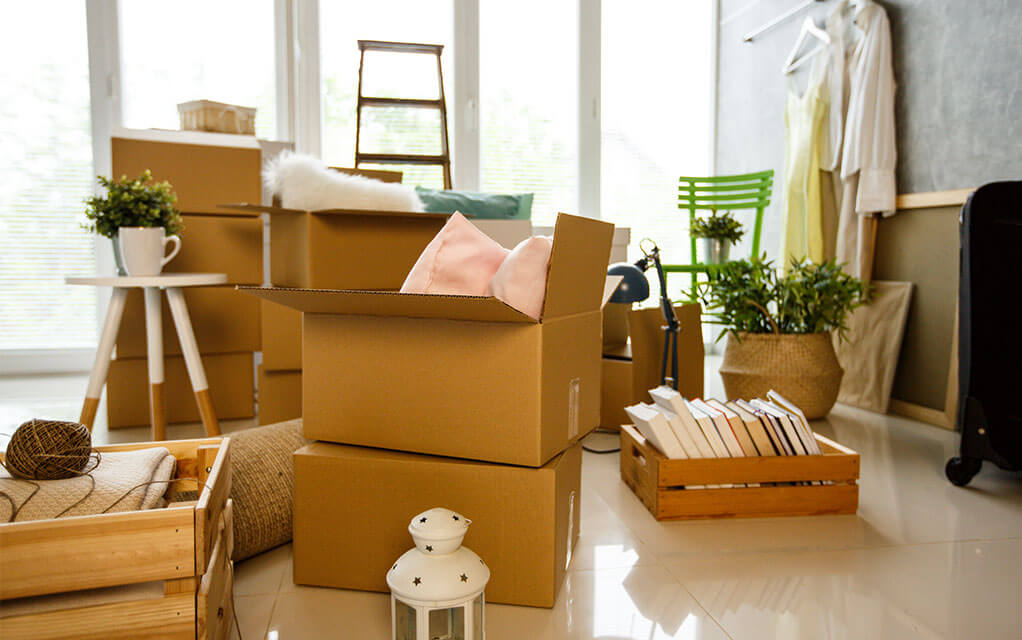
Packing your clothing can be done in multiple ways, depending on how you are moving your belongings and your preference for how your items will look when you get to your new home. The easiest way to pack your clothing is to remove it from hangers and pack it into wardrobe boxes or suitcases, or you can keep it on hangers and transport it that way.
The strategy will ultimately depend on the amount of space you have and how you want to move them. If you use cardboard boxes to transport your clothing, ensure they are new and unused, as you don't want second-hand boxes that may have been contaminated with chemicals or other hazardous materials.
Packing Your Mattresses
The suggestion is always to pack your mattress first since it can take up the most space. Be sure to have a sturdy mattress protector to keep moisture and dirt off it during your move. If you are using a portable storage container to move, pack your mattress first by standing it up so it is flush with the back wall, if possible. Learn more about how to properly pack your container for additional tips.
Not only will this get your mattress out of the way and into an easy-to-access spot, but it can also double as padding for any other items, such as bedroom furniture or boxes, from shifting. Getting your mattress packed first will give you the extra space you need to move your bedroom items.
Packing Pillows and Blankets
In addition to using your pillows and blankets to fill empty spaces in your container or moving solution, this method helps prevent items from shifting during transit, reducing the risk of damage. By bagging your pillows and blankets—using clean garbage bags or heavy-duty trash bags—you keep them protected from dust and dirt while making them easy to carry and arrange inside boxes, suitcases, or directly within your portable moving and storage container.
You can strategically place these soft items between fragile objects, such as dishes, mirrors, or electronics, to provide added cushioning. This not only makes efficient use of available space but also saves you money on packing materials such as bubble wrap or packing paper. Be sure to label the bags so you can quickly identify your bedding when it’s time to set up your new home.

Additionally, if you have vacuum storage bags on hand, consider using them for an even more compact solution that maximizes space in your vehicle or moving container. Just remember not to compress down pillows too tightly, as it may damage their filling.
Using your pillows and blankets as both protective padding and space fillers is a smart moving tip that keeps your belongings safe and streamlines unpacking once you arrive at your new location.
Packing Jewelry and Valuables
Keep any expensive jewelry and accessories either on you or in your personal go-bag. Never pack it with your everyday bedroom belongings or in a random box. This ensures your belongings are safely stored, no matter what, and helps avoid issues should something go missing or be damaged. Always remember to wrap jewelry and accessories separately with tissue paper. The same applies to any important documents you may keep in your bedroom, such as passports, Social Security cards, titles, and the like. Keep these items with you throughout your move, either in a folder or a protective document holder.

Packing Toiletries and Other Essentials
Before you start placing stuff in boxes for the move, be sure to pack what you will need for yourself for the first few days at your new home, then collect and pack everything else. This way, you won't need to unpack everything you own to get to some body wash or shampoo. As a pro tip, do not pack aerosol sprays in your container or moving solution! If you do, they should be stored in your car in a ventilated area, as extreme temperatures (hot or cold) can cause the contents to expand and potentially rupture the can, resulting in damage.
Packing Furniture and Electronics
Empty out your dresser drawers and transport them separately if you can. If not, ensure the drawers face the wall of your container or moving truck so they do not shift and come loose. If you have a TV in one of your bedrooms, try covering it with a furniture blanket and packing it somewhere where contents won’t fall or shift onto it (this is where the blankets and pillows can come in handy. Also, be sure to distribute the weight of these heavier items evenly in your chosen moving solution.
For example, if using a portable storage container, do not overload one side. This can cause the container to sway during pickup and drop-off, which can then cause the items inside to shift and become damaged. Spread the weight evenly across the bottom of the container. Always pack your heavier boxes on the floor of the container - never stack them high, as they can fall over and cause significant damage to your belongings.
Let 1-800-PACK-RAT Make Your Move Simpler
With these tips, you should be well on your way to packing your bedroom up the right way in advance of your moving day. If you are still looking for a moving company to assist with your upcoming move, then give 1-800-PACK-RAT a call!
Our process makes moving simple. Here is how it works: We will drop off an all-steel, weatherproof container at your door for any local or long-distance move that you can pack at your own pace! When done, we will pick up your container and deliver it to your new home or store it in one of our many nationwide and secure warehouse facility locations for as long as you need.
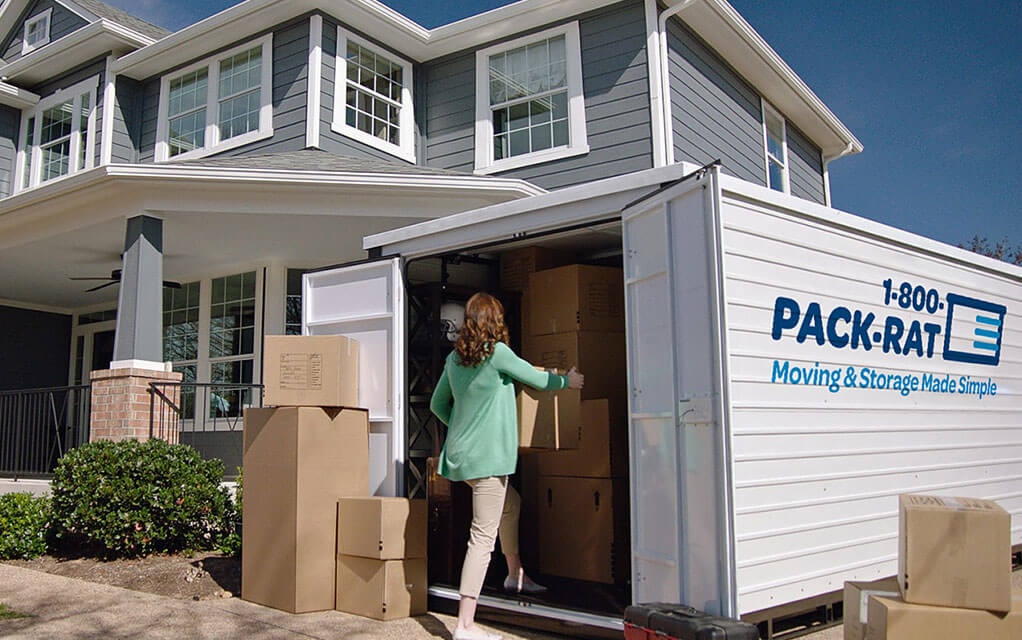
No more frantically packing and driving a large and costly traditional moving truck all in one day - leave the driving completely to us and pack and move on your schedule. We make moving simple because we understand how challenging the process can be. No matter what your moving and storage needs are, 1-800-PACK-RAT has you covered! Give us a call today to speak with one of our moving and storage experts or get a free quote online to get the process started!
Frequently Asked Questions About Room Packing for Bedrooms
What are the best tips for packing a bedroom efficiently?
Packing a bedroom efficiently involves both organization and careful planning to minimize stress and ensure nothing gets lost or damaged during the move. Begin by decluttering: sort your belongings into categories such as keep, donate, or discard. This step will help you reduce the number of unnecessary items you have to pack and move, making unpacking at your new place easier.
Once you’ve decided what to keep, gather sturdy boxes in various sizes—small boxes for heavy items like books and larger boxes for lighter items like bedding or clothes. Use clear labeling on each box, noting not just the room but also the contents (for example, “Master Bedroom – Winter Sweaters” or “Guest Room – Bed Linens”). This will make unpacking much more straightforward.
Pack systematically by tackling one area at a time—start with non-essentials such as out-of-season clothing, decorative items, or rarely used accessories. Save daily essentials like nightstand items and current clothing for last so they remain accessible until moving day.
For fragile items such as lamps, picture frames, or keepsakes, use bubble wrap, towels, or even clothing for added protection inside the boxes. Make sure to fill any empty spaces in the boxes with soft materials to prevent shifting during transport.
Don’t forget about furniture—disassemble beds and other large pieces if possible to make them easier to move. Keep all screws and small hardware in sealed bags taped securely to the corresponding furniture pieces.
How do you decide what to keep and what to pack away when moving?
When determining what to keep and what to pack away, it’s helpful to assess each item based on its value, how frequently you use it, and any sentimental attachment you might have. Start by asking yourself whether you've used the item within the past year—if not, it's a strong indicator that it may no longer be essential in your daily life. Consider whether the item serves a practical function or simply takes up space out of habit. For things with emotional significance, reflect on whether keeping them genuinely brings you joy or whether a photo or a smaller memento would suffice.
To effectively declutter, sort items into categories: keep, donate/sell, and discard. Donating or selling belongings that are still in good condition but no longer useful to you can help others while also streamlining your space. Organizing this way not only makes packing more manageable but also ensures you bring only meaningful, necessary items into your new environment. Remember, decluttering before a move is an opportunity for a fresh start and can make settling into your new home easier and less stressful.
What supplies do I need for packing a bedroom?
To pack a bedroom efficiently, you'll need sturdy boxes in various sizes, packing tape, bubble wrap or packing paper for fragile items, markers for labeling boxes, and scissors. Additionally, consider using furniture covers or blankets to protect larger items during the move. These supplies will streamline your packing process.
How can I protect fragile items while packing my bedroom?
To protect fragile items while packing your bedroom, use bubble wrap or packing paper for cushioning. Place these items in sturdy boxes and label them as "fragile." Additionally, fill any empty spaces in the boxes with soft materials to prevent movement during transit and ensure your valuables arrive safely.
What is the most effective way to pack a mattress for transport?
To pack a mattress for transport effectively, begin by removing all bedding and thoroughly cleaning the mattress to remove dust, dirt, and allergens. Once clean and dry, slide the mattress into a high-quality plastic mattress bag to protect it from moisture, dust, and potential damage during the move. Seal the bag tightly with heavy-duty packing tape to prevent any tears or openings.
If your mattress is designed to be rolled—such as certain foam or hybrid mattresses—carefully roll it up according to the manufacturer's instructions. This can help save space in your moving vehicle. For traditional innerspring mattresses that cannot be rolled, keep them flat whenever possible; storing them upright for long periods can cause sagging.
While loading the mattress onto your moving truck or van, ensure it is well supported and does not bend excessively, as this can damage its structure. Place it on its side along a vehicle wall and secure it with straps or ropes so it doesn’t shift during transit. Avoid stacking heavy items on top of the mattress.
For added protection, consider placing blankets or padding around the mattress if you anticipate bumps during transport. By following these steps, you can help ensure your mattress arrives at its destination clean and in good condition, ready for use.
What are some common mistakes to avoid when packing a bedroom for moving?
One of the most common mistakes is procrastination—waiting until the last minute often leads to hurried packing, increasing the risk of items being broken or misplaced. Start packing well in advance by first sorting through your belongings and decluttering anything you no longer need. This way, you’ll have less to pack and unpack at your new place.
Overpacking boxes is another issue to avoid. Heavy boxes not only make lifting difficult but also increase the likelihood of breakage or injury. Distribute heavy items like books into smaller boxes, while lighter bedding and clothing can fill larger ones. Be sure to reinforce box bottoms with extra tape for added security.
Labeling each box clearly is vital for an organized move. Instead of generic labels like “bedroom,” specify the contents (e.g., “nightstand drawer items” or “winter sweaters”). This makes unpacking more efficient and helps you find essential items quickly upon arrival.
Don’t overlook protecting your large furniture pieces. Mattresses, headboards, dressers, and mirrors should be wrapped with moving blankets or plastic covers to prevent scratches, dents, or stains during transit. If possible, disassemble bed frames and keep hardware in labeled bags taped securely to the corresponding furniture.
Remember to also pack an essentials box with items you’ll need immediately after arriving in your new bedroom—such as sheets, pajamas, toiletries, chargers, and medications—so you won’t have to search through multiple boxes on your first night.
- Moving Tips (133)
- Home Organization (27)
- News Releases (23)
- Packing Tips (21)
- Fun Stuff (19)
- Portable Storage (16)
- In the Community (11)
- Moving and Storage Tips (11)
- Storage Tips (10)
- Moving Checklists (9)
- Household Moving (7)
- Moving Company Comparisons (5)
- Moving on a Budget (5)
- DITY Move (4)
- Home Maintenance Tips (3)
- Home Buying and Selling Tips (1)
- Interstate Moving (1)


