

Expert Guide on How to Pack Artwork for Moving
July 17, 2026
Key Highlights of How to Pack Your Art for an Upcoming Move
- Safeguarding valuable artwork means using bubble wrap, packing tape, and specialty moving boxes to add a crucial layer of protection.
- Cardboard corner protectors and the right-sized moving box play vital roles in keeping your art pieces secure during relocation.
- Professional movers can offer expertise, or you can pack artwork yourself if you follow recommended methods and handle fragile items with care.
- Labeling and organizing packed boxes makes unpacking at your new home much easier.
- 1-800-PACK-RAT portable storage containers provide a safe, weather-resistant environment for transporting or storing artwork locally or over long distances.
- Cleaning, inspecting, and documenting artwork before packing ensures you’re prepared for insurance and storage needs.
Moving cherished art pieces brings a mix of excitement and anxiety. You want every painting, photo, or sculpture to reach your new home safely. Proper packing is essential to protect precious artwork from scratches, shattering, or environmental damage, whether you’re moving across town or storing pieces for months.
By understanding how to pack, wrap, and organize your collection, you can guarantee each item arrives in top condition. This guide provides all the steps you need to keep your art secure during any move or storage.
Essential Packing Supplies for Artwork
When preparing artwork for a move, gather high-quality supplies to ensure your art pieces stay protected. Visit your local supply store or check online for moving supplies such as packing tape, sturdy moving boxes, cardboard corner protectors, and bubble wrap. Local hardware stores such as Lowe's® Home Improvement should have many of the supplies you need. These essentials offer the extra care required for fragile art.
For tips on packing a variety of different fragile items for your upcoming moving or storage event, check out our other blog!
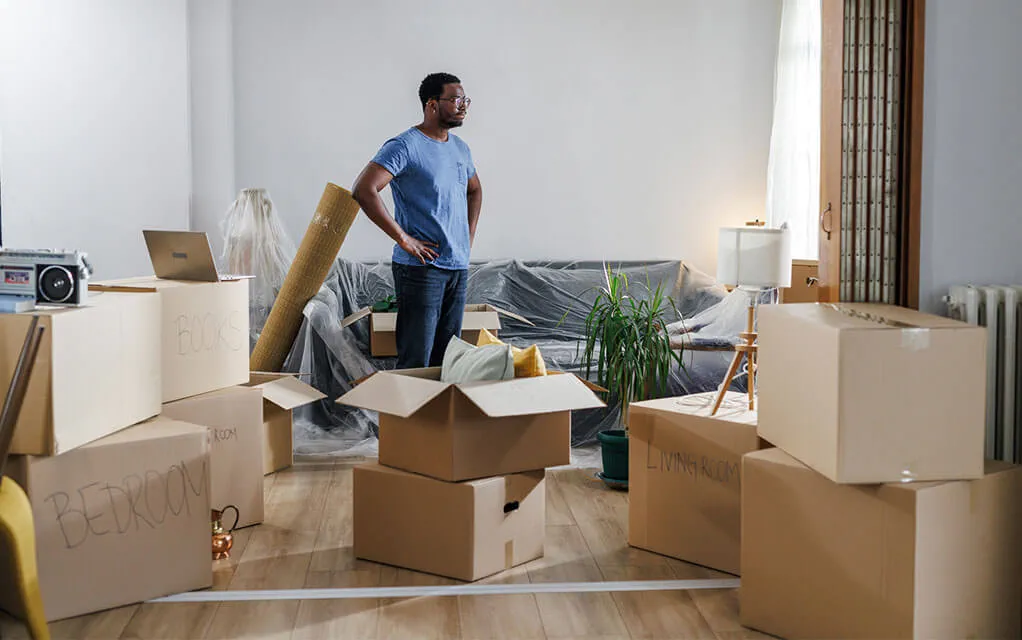
You’ll also want brown packing paper, markers for labeling, and foam or plastic wrap for added cushioning. Specialty boxes or crates, designed for artwork, can be a game-changer for especially valuable or oversized items.
For large or oversized pieces of wall art, consider carefully wrapping them with multiple layers of padding (such as foam or bubble wrap), securing the corners with cardboard protectors, and using reinforced crates or custom boxes that fit their dimensions. With the right materials in hand, you’ll minimize the risk of damage and make packing far easier.
Choosing the Right Boxes and Containers
Selecting the proper boxes and containers is the first step in keeping your artwork safe. For paintings, picture frames, and art pieces, artwork boxes or specialty flat picture boxes are highly recommended. These boxes are designed to be just slightly larger than your art, providing enough space for a protective layer of bubble wrap and padding without allowing excess movement. If you’re transporting mirrors or glass-covered pieces, a dedicated mirror box is ideal for extra protection.
For large or unusually shaped artwork, consider investing in a wooden crate. These crates are incredibly sturdy, making them perfect for heavy or oversized items that require extra care. When purchasing supplies, ask your supply store staff for help selecting the best option for your specific artwork. Always choose containers that will accommodate both the size and the fragility of each piece. This careful matching of art to box keeps every item secure from start to finish.
When packing valuable or fragile artwork, do use plenty of protective padding inside each box or crate, such as bubble wrap or foam sheets, and clearly label containers as 'fragile.' Avoid overloading boxes or using containers that are too small or too large, as this could damage the artwork from movement and pressure. Also, avoid packing multiple pieces together to reduce the risk of scratches or impact.
Use sturdy artwork boxes, mirror boxes, and wooden crates for oversized pieces, along with packing tape, cardboard corner protectors, bubble wrap, and packing paper, for reliable protection. For the most budget-friendly way to pack and transport artwork without risking damage, consider using appropriately sized artwork boxes and supplementing them with affordable supplies like bubble wrap and packing paper. These options offer excellent protection while keeping costs lower than custom or specialty crates.
Protective Wrapping Materials (Bubble Wrap, Glassine, Foam, Etc.)
Selecting the appropriate protective wrapping materials is essential when it comes to safeguarding your artwork during a move or shipment. Bubble wrap is widely regarded as one of the best options, as its air-filled bubbles absorb impact and help prevent damage from bumps and drops. When wrapping paintings or framed art, be sure to place a layer of acid-free tissue paper or glassine directly on the surface first. These materials are specifically designed to protect delicate finishes, preventing scratches, smudges, or sticking that can occur with direct contact from bubble wrap or other plastics.
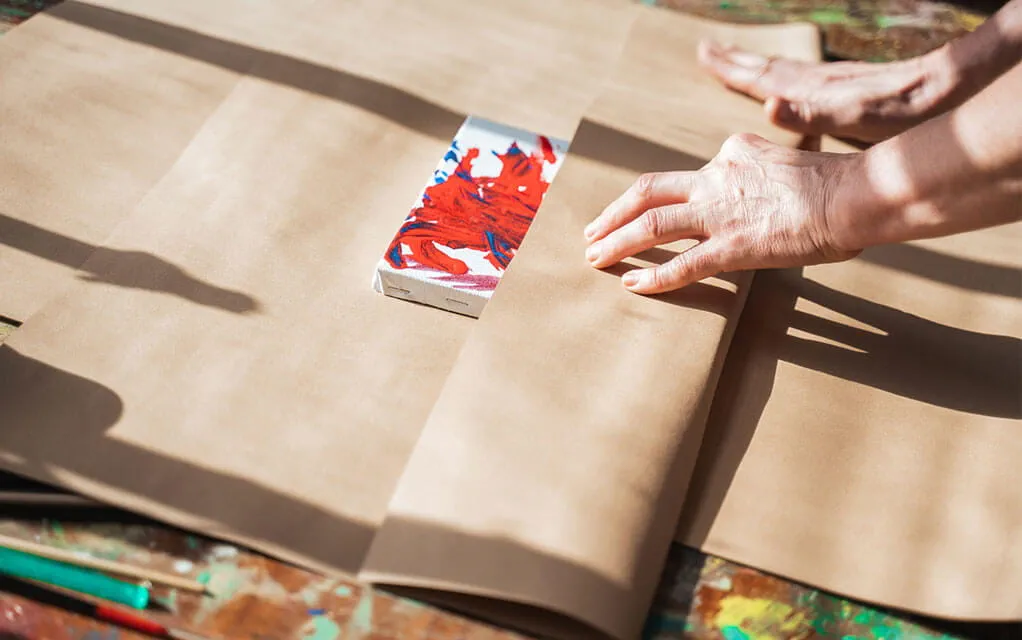
For added protection, foam sheets can be layered around sculptures or three-dimensional pieces to shield them from pressure and vibration. Cardboard corner protectors are particularly useful for framed artwork; they reinforce vulnerable edges and help maintain the structural integrity of frames.
Once each piece is wrapped individually, place them in sturdy moving boxes or specialized picture boxes. Fill any empty spaces with crumpled packing paper or foam peanuts to minimize movement during transit. Seal each box securely with high-quality packing tape to ensure nothing shifts out of place.
If you are shipping especially valuable or fragile works, consider double-boxing—placing the wrapped artwork in one box, then cushioning that box inside a slightly larger one filled with padding material for maximum shock absorption.
Proper labeling is also important: mark boxes containing artwork as “Fragile” and indicate which side should remain upright to guide careful handling.
By combining these protective materials and techniques, you significantly reduce the risk of damage during transportation, ensuring your artwork arrives safely at its destination—ready to be displayed in your new home.
Preparing Your Artwork Before Packing
Before you start packing, take time to clean and inspect your art pieces. Dust and dirt can damage surfaces during transit, so start with a gentle wipe using tissue paper. Examine each piece for vulnerabilities—like loose frames or fragile corners—and reinforce them with masking tape or palette wrap for extra protection.
The most budget-friendly way to pack and transport artwork without risking damage is to use sturdy, recycled cardboard, bubble wrap, and soft packing materials such as old sheets or towels for cushioning. Secure each piece well, label it clearly, and place it in a flat, snug-fitting box to minimize movement during transport.
Don’t overlook documentation. Photograph and record the condition of valuable art for insurance purposes. Packing paper and proper labeling can make both moving and temporary storage hassle-free as you prepare to safeguard your collection.
When packing canvas paintings to prevent punctures, tears, or scratches, first wrap each piece in acid-free packing paper to protect the surface. Then add a layer of bubble wrap for cushioning, making sure the bubbles face outward to avoid impressions on the canvas. Place corner protectors on the frame, and finally, use a sturdy, appropriately sized box or crate for transport, keeping the paintings upright and never stacked flat.
Cleaning and Inspecting Pieces
Begin the packing process by cleaning each piece of art. Use soft tissue paper to remove dust and fingerprints, especially on glass or delicate surfaces. If your artwork has fragile frames or parts—such as the edge of a canvas or the vulnerable parts of a sculpture—cover them with masking tape or palette wrap for extra protection.
Common mistakes people make when packing artwork include neglecting to clean surfaces before packing, which can trap debris and cause scratches, and failing to protect fragile edges or corners, increasing the risk of damage. To avoid these issues, always take the time to clean, inspect, and properly cushion each piece before packing.
Take extra care with sculptures. Wrap the entire sculpture, paying special attention to any protruding areas, such as heads or limbs, which are most susceptible to damage. For paintings, never use newspaper for cleaning or wrapping, as it can leave marks. Wearing gloves is recommended to prevent the transfer of oils from your hands.

To ensure easy unpacking and organization, clearly label each packed artwork box with the contents, room destination, and any handling instructions such as 'Fragile' or 'This Side Up.' Store boxes upright in a dry, climate-controlled area, group similar items, and keep an updated inventory list for quick reference.
When moving the artwork physically, use gloves and soft materials, especially if it is extremely fragile. Avoid using newspaper as packing material or packing multiple large framed pieces together, as this can easily lead to damage to your precious items. Although you can safely transport artwork yourself if you take proper precautions, hiring professional movers who specialize in artwork can provide added security, expertise, and peace of mind—especially for valuable or delicate pieces.
Professional movers have suitable packing materials and techniques to handle art safely, reducing the risks of accidental damage.
Documenting and Photographing Artwork for Insurance
Proper documentation is essential, especially for valuable pieces. Take clear photographs of each artwork from multiple angles, noting any existing imperfections. Save these images with detailed descriptions, including measurements and materials used. This record makes it easier to get a free quote or file an insurance claim if required.
- Photograph each art piece, including close-ups of fragile areas.
- Document condition, size, and medium for every item.
- Store these details digitally for easy access during the move.
If you’re moving oversized or uniquely shaped wall art, pay special attention to documentation and consult your insurer about special packing techniques. Some large items may require wooden crates or professional help. Having thorough documentation ensures you’re covered financially if any issues arise, and helps you keep track of your collection during the packing process.
Step-by-Step Guide to Packing Framed Art and Pictures
Packing framed artwork, especially those with glass frames, demands a little extra care and attention. Begin by wrapping each piece with packing paper and bubble wrap, then secure it in a picture box designed for artwork. This method adds a layer of protection, keeping the glass and frames safe from bumps and pressure.
Don’t rush this process, as careful packing now prevents costly damage later. The following steps will guide you in securing glass fronts and mirrors, as well as in expert wrapping and boxing techniques.
Securing Glass Fronts and Mirrors Safely
Preventing the breakage of glass-fronted pictures and mirrors starts with the proper methods. Use painter’s tape to mark an X across the glass cover—this keeps shards from scattering if the glass cracks. Wrap the piece in packing paper and bubble wrap, ensuring all sides are cushioned.
For mirrors or large glass frames, select a mirror box that fits snugly. Add cardboard inserts on both sides for strength. Here’s a breakdown of the process:
- Mark the Glass - Use painter’s tape to create an X on the glass front.
- Add Cardboard Inserts - Place flat pieces of cardboard on each side of the glass to protect it from scratches and provide a barrier between the glass front and the rest of your packing materials.
- Wrap for Protection: Cover with non-acidic packing paper, then bubble wrap. Do not use newspaper or inked paper, as the ink and oils on the paper can seep onto or into your piece of art, causing damage.
- Select the Proper Box - Use a mirror box or artwork box slightly larger than the item so you have more room to add protective padding.
- Final Check - Shake gently; add padding if movement is detected in certain spots of the box.
Wrapping, Padding, and Boxing Techniques to Prevent Damage
Professional movers recommend wrapping, padding, and boxing framed art with precision to avoid damage. First, secure the corners using cardboard corner protectors. Next, wrap each artwork in a layer of bubble wrap, focusing on vulnerable edges. Use packing tape to keep the wrap securely in place.
- Place wadded packing paper or foam on the bottom of the box for added cushioning.
- Make sure the artwork fits snugly in the box; add more padding if needed.
- Test the box or package for movement and add packing paper to fill any gaps.

Seal the box well and label it “Fragile” on all sides. When packing multiple pieces, keep them separated by layers of bubble wrap to prevent contact. Following this step-by-step method is the safest way to protect framed artwork for any move.
Packing Canvas Paintings and Unframed Art
Canvas paintings and unframed art demand distinct care due to their exposed surfaces and delicate edges. Begin by wrapping each painting in packing or parchment paper, ensuring the edges of the paper cover the artwork entirely. After that, add layers of bubble wrap or foam for defense against scratches and punctures.
These simple steps keep art pieces safe, whether you’re storing them for the short term or moving to a new home. Next, you’ll see how to shield canvases from common damage and handle oversized works.
Protecting Canvases from Tears, Punctures, and Scratches
Canvas art requires careful handling and meticulous packing to prevent damage during storage or transport. Because canvases are susceptible to tears, punctures, and warping, extra protection is crucial. Begin by wrapping the entire canvas in parchment or packing paper—this acts as a gentle barrier against surface abrasion and shields delicate paint from direct contact with other materials. Special attention should be paid to the edges and corners, which are particularly prone to damage.
After the initial wrap, apply a layer of plastic wrap or foam to further insulate the canvas from moisture and accidental impacts. For transit purposes, bubble wrap provides an excellent shock-absorbing shield; however, it’s important not to place bubble wrap directly against painted surfaces during long-term storage, as it can trap moisture and leave imprints on the artwork. Ensure all wrapping materials are clean and dry to avoid introducing dust or contaminants.
For enhanced protection, sandwich your canvas between two pieces of sturdy cardboard—one at the front and one at the back. This step helps prevent bending, warping, or scratches during movement. When placing your wrapped canvas in a box, choose a size that allows some room for additional padding but isn’t so large that the artwork can shift excessively.
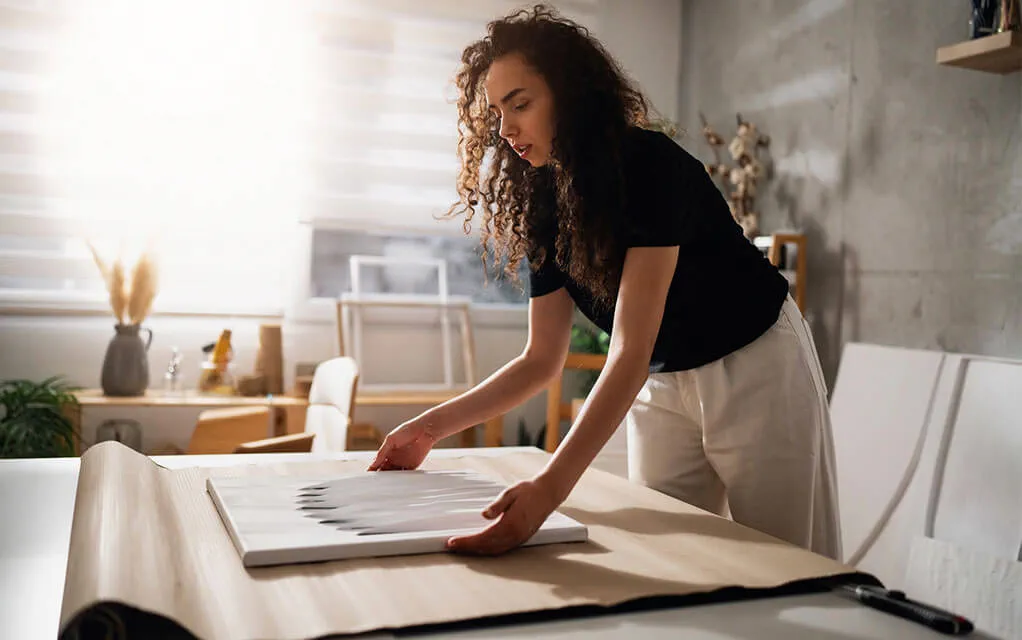
Once boxed, gently shake the package to check for movement inside. If you notice any shifting, add more padding (such as foam peanuts or rolled paper) until the canvas sits snugly in place. Proper labeling is also recommended: mark boxes as “Fragile” and “This Side Up” to alert handlers about the contents.
Store packed canvas art in a climate-controlled environment away from direct sunlight, humidity spikes, or extreme temperature changes—all of which can negatively affect both the paint and fabric over time. By following these protective steps, you ensure your canvas art remains safe from harm whether it’s being shipped cross-country or stored for future display.
Tips for Packing Oversized or Oddly Shaped Artwork
Moving large or uniquely shaped artwork requires special strategies. Begin by measuring the piece to determine whether a wooden crate or an oversized artwork box is needed. Protect vulnerable parts—such as limbs or corners—with cling wrap, then reinforce with rolled bubble wrap.
- Use wooden crates for large, heavy pieces, such as statues or sculptures, to ensure maximum protection.
- Roll bubble wrap around protruding or delicate features of sculptures.
- Pad the entire sculpture to form a cushioned “egg” shape before boxing.
Line the crate or box with foam or wadded newsprint, then nest the artwork inside. For cumbersome items, verify with your supply store that the crate's strength is sufficient to support the weight required to transport your art safely. Label the box clearly and document the packing process for peace of mind and insurance purposes.
Storing and Organizing Packed Artwork
An efficient organization makes storing artwork far less stressful. Begin by labeling every storage container with the contents, destination room, and fragility rating. Organized packing helps you track the entire sculpture or set of art pieces, ensuring nothing is overlooked during unpacking.
Arrange boxes upright in your chosen storage container, keeping fragile items away from heavy objects. Whether you’re storing art temporarily or for the long term, a systematic approach guarantees your collection remains intact and easy to manage.
Labeling Boxes for Easy Identification and Safe Unpacking
Clear labeling is essential for both storage and moving. Each box should display the artwork type, destination (such as “living room” or “gallery”), and the word “Fragile” for extra care. Include a short description of the piece inside for quick reference.
- Mark the bottom of your box with a unique identifier so you can easily spot it in stacks.
- Use color-coded stickers to sort boxes by room or type of art.
- Attach a digital inventory list to each box for fast organization.
Labeling not only speeds up unpacking at your new place but also minimizes the risk of mishandling. If you’re seeking a free quote for moving services, show your organized system to professional movers—they’ll appreciate the effort and provide more accurate estimates.
Using 1-800-PACK-RAT Portable Storage Containers to Securely Store and Transport Art
1-800-PACK-RAT’s all-steel portable storage containers offer a secure, weather-resistant solution for transporting and storing artwork to your new home. Our containers make it easier to store artwork securely and in good condition for any move you are making or for temporary or long-term storage needs. Our containers are all-steel, with no wooden beams or supports, so there is no water absorption that can lead to mold and mildew, which can damage your belongings. The barn-style doors not only offer more packing space and resist jamming like roll-up doors, but they are also more secure against break-ins, keeping your stuff safe when stored on-site at your home.
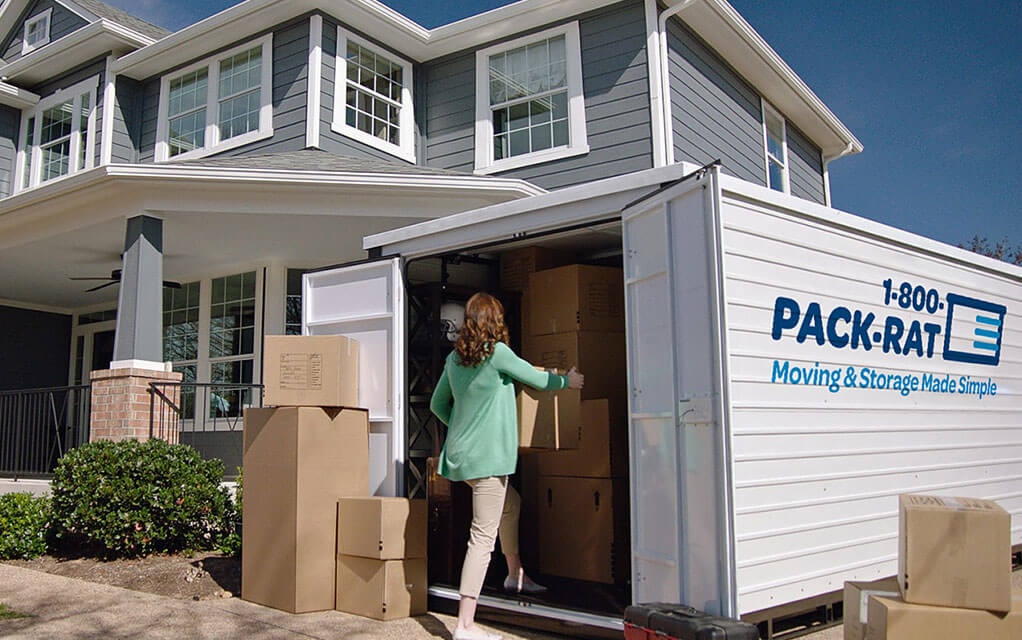
If you opt for professional labor services, they can load your art pieces into our containers with extra care, ensuring that each box is placed upright and isolated from heavier items. The containers’ sturdy construction adds another layer of protection, reducing risk to fragile or valuable art.
Whether you’re storing artwork temporarily during renovations or keeping pieces safe for years, 1-800-PACK-RAT containers allow you to organize and access your collection easily. If you need added peace of mind, request extra insurance or consult with the company’s experts for tailored advice.
Move and Store Your Artwork and Belongings with 1-800-PACK-RAT
Packing artwork for a move, whether local or long-distance, requires careful consideration to ensure its protection. By utilizing the right supplies and techniques, you can safeguard your valuable pieces from damage during transport or storage.
If you need help with your upcoming moving and storage needs, consider 1-800-PACK-RAT! We simplify moving and storage by bringing the solution to you. No more driving back and forth to atraditional storage area, or packing, driving, and unloading a large moving truck all in one day to avoid fees.
Here is how 1-800-PACK-RAT works: You select your preferred moving date, and we'll drop off the container at your home. You can then take as long as you need to pack it. When done, we will pick it up and deliver it to your new home or store it in one of our local, nationwide secure storage facilities for as long as you need it. It is that simple.

We make moving and storage simple so you can focus on the important things, such as packing and properly securing your valuable artwork. Don't stress and don't rush - move and store your stuff with 1-800-PACK-RAT and do everything on your schedule. Call us or go online for a free quote to get started today!
Frequently Asked Questions About Packing And Moving Artwork
What are the most common mistakes to avoid when packing artwork?
When preparing artwork for moving or storage, it's essential to avoid using packing tape directly on the surface of the art, as it can cause irreversible damage. Instead, wrap each piece with non-acidic packing paper—this helps prevent discoloration and deterioration over time. Never fit multiple canvas paintings into a single moving box, since friction and pressure can lead to scratches, punctures, or frame warping.
For fragile items such as ceramics, glass sculptures, or framed pieces with glass covers, individual protection is crucial. Use several layers of bubble wrap to cushion each item thoroughly and place them in appropriately sized boxes. Fill any gaps with packing peanuts or foam inserts to minimize movement during transit.
Painter's tape is recommended for securing protective materials around your artwork because it adheres gently and peels away cleanly without leaving residue or damaging the surface. If you're packing framed artwork with glass, consider placing a sheet of cardboard or foam between the glass and the image to guard against impact.
Label every box clearly as “Fragile” and indicate which side should face up. Additionally, avoid stacking heavy objects on top of boxes containing artwork. By following these guidelines, you significantly reduce the risk of scratches, dents, or breakage—ensuring your valuable pieces arrive safely at their destination.
How can I safely store valuable or fragile art in a storage container for the long term?
When packing artwork for a move or storage, it's crucial to provide individual protection to each piece. Place every artwork in its own box and use protective materials like bubble wrap, foam sheets, or even acid-free paper to cushion all sides. Make sure the pieces remain upright inside their boxes—this is especially important for framed art and canvases, as it helps prevent warping or pressure damage.
To further reduce the risk of harm, keep each piece separated and avoid stacking them directly against one another. Packing two artworks together in the same box increases the chance of scratches, dents, or broken glass if the box shifts during handling or transport.
For high-value or delicate items such as oil paintings, sculptures, or antiques, you may want to reinforce the boxes with additional padding at the corners and edges. Clearly label each box as "Fragile" and indicate which side should stay upright.
Whenever possible, consult professional movers who have experience with fine art handling. They can offer specialized packing materials and techniques that help safeguard your collection during long-term storage or cross-country moves. Taking these precautions ensures your artwork arrives safely at its next destination and preserves its condition for years to come.
Should I hire professionals for packing and moving my artwork, or is DIY safe?
Hiring professional movers is ideal for precious artwork, as they offer extra protection and expertise when moving your belongings in and out of your home. However, DIY methods are safe for most moves if you use appropriate packing boxes, secure wrapping, and take your time moving each piece.
How can I determine the correct size box for my artwork?
When preparing to move artwork or framed prints, it’s important to choose the right box to ensure maximum protection during transport. Select a moving box or an artwork box that is slightly larger than your piece—ideally just enough to accommodate the edges of the paper or frame with additional protection and extra space for padding materials. This extra space allows you to add protective layers such as bubble wrap, foam sheets, or even cardboard corner protectors, which help prevent damage from bumps and vibrations.
Flat picture boxes available at moving supply stores are specifically designed for this purpose. They come in various sizes and are meant to fit standard art dimensions while providing enough room for additional packing materials. These boxes typically feature sturdy construction and are easy to assemble, making them ideal for safeguarding your artwork.
Before placing your item inside the box, wrap it securely with acid-free paper or glassine if you’re moving valuable prints or paintings. For framed pieces with glass, place a layer of painter’s tape in an “X” across the glass; this precaution helps keep shards together in case of accidental breakage during transit. Once wrapped, use corner protectors on all four corners of the frame—they offer targeted protection against impacts.
After securing the artwork in the box, fill any remaining gaps with soft padding like crumpled kraft paper or foam peanuts. Seal the box tightly with high-quality packing tape and label it as "Fragile" along with arrows indicating which side should face up. Proper labeling ensures movers handle your precious items with care.
By choosing a suitably sized artwork box and using recommended packing techniques, you significantly reduce the risk of damage and preserve your pieces throughout the move.
What materials are best for packing artwork to ensure its safety during a move?
Bubble wrap, packing tape (for the box), painter's tape (for the art itself if necessary), foam, tissue paper, and masking tape are the best materials. These provide layers of protection to keep artwork safe from impact, scratches, and moisture during transit. Never use newspaper or packing materials that have acidic properties.
What should I do if my artwork has a frame that is fragile or valuable?
To properly safeguard delicate picture frames during a move, start by using cardboard corner protectors. These are essential for preventing dents, scratches, and damage to the corners of the frame. Next, secure the glass with painter’s tape applied in an “X” pattern across the surface. This technique helps minimize the risk of shattering and keeps broken glass together if accidental impact occurs, ensuring an extra layer of protection throughout the move.
Afterward, wrap the entire artwork with a generous layer of bubble wrap, ensuring all sides are cushioned and protected from vibrations or bumps. For even greater protection, place the wrapped piece into a mirror box or specialty art box designed to fit snugly around framed items. These boxes provide structural support and reduce movement inside during transport.
It’s also wise to fill any remaining gaps in the box with packing paper or soft foam to prevent shifting. Clearly label the outside of the box as “Fragile” and indicate which side should face up. When loading into a moving vehicle, position your packed artwork upright rather than flat, as this reduces pressure on the glass and frame.
Taking these steps will help ensure your valuable artwork arrives at its new location intact and undamaged.
- Moving Tips (133)
- Home Organization (27)
- News Releases (23)
- Packing Tips (21)
- Fun Stuff (19)
- Portable Storage (16)
- In the Community (11)
- Moving and Storage Tips (11)
- Storage Tips (10)
- Moving Checklists (9)
- Household Moving (7)
- Moving Company Comparisons (5)
- Moving on a Budget (5)
- DITY Move (4)
- Home Maintenance Tips (3)
- Home Buying and Selling Tips (1)
- Interstate Moving (1)


