

A Beginner’s Guide on How to Pack for a Move
August 07, 2026
Key Highlights for Packing for a Move
- Start your packing process early by boxing seasonal and rarely used items first.
- Gather the right packing supplies before you begin, including moving boxes, packing tape, and packing paper.
- Pack room by room so similar items stay together and unpacking feels easier.
- Use small boxes for heavy items and larger boxes for lighter things to avoid overloading.
- Label every box on the side with contents and room name for faster setup.
- Load a portable storage container with care to protect your belongings and simplify the move.
Packing for a move can be a huge task, whether this is your first time or your 10th. The good news is that a simple plan makes the packing process much easier. When you start early, gather the right packing supplies, and work on one space at a time, you cut down on stress and save time later. This guide walks you through practical steps that help you pack smarter, protect your things, and settle into your new home with less chaos.
Understanding the Packing Process for Your Move
The packing process works best when you break it into small steps. Start by going room by room and making a checklist of what needs to be packed. Then sort what you want to keep, donate, sell, or throw away before you seal anything with packing tape. The fewer unnecessary items you have in your home, the less you have to pack and take with you.
If you plan to use a moving company, good packing still matters. Strong packing supplies, the right box sizes, and clear labels help protect your things and make loading easier. Once you understand the basics, the rest of the move starts to feel more manageable.
Why Good Packing Matters for Moving Success
Good packing is more than just putting your belongings into boxes—it’s about organizing and protecting everything for a smooth move. When you plan your packing process, you save valuable time and reduce the stress that often comes with relocating. Packing thoughtfully means fewer damaged items, easier lifting and carrying, and a far less chaotic unpacking experience.
To start, decluttering is key. Go through each room and decide what you truly need to take with you. Donate, sell, or recycle things you no longer use. This not only lightens your load but also saves money on packing materials and moving costs.
Once you've pared down your possessions, gather sturdy boxes in various sizes, packing paper or bubble wrap for fragile items, markers for labeling, and plenty of strong packing tape. Begin by boxing up items you won’t need before the move—such as seasonal clothing, books, or decorative pieces—so you're not scrambling at the last minute.

Keep similar items together to make unpacking logical and efficient. For instance, kitchenware should go with kitchenware; bathroom supplies should be boxed together. This organization prevents confusion when settling into your new home.
Secure each box well with quality tape to avoid spills or damage during transport. Clearly label every box on multiple sides—not just on top—with its contents and which room it belongs in. Some people also number their boxes and keep an inventory list to track all their belongings during the move.
Don’t forget to set aside an essentials box containing items you'll need right away at your new place: toiletries, chargers, basic tools, snacks, a change of clothes, and important documents.
Common Packing Challenges for Beginners
Many beginners run into the same problems. They wait too long, grab the wrong moving boxes, or pack too much into one box. That often leads to heavy boxes, lost items, and damaged belongings. Sound familiar? It happens fast when there is no plan.
A few common mistakes are easy to avoid:
- Packing heavy items in large boxes instead of smaller ones
- Forgetting to use packing paper around breakables
- Leaving empty space inside boxes so items shift
- Mixing rooms and unrelated belongings together
- Writing labels only on the top, not the sides
You can avoid most of these issues by slowing down and staying consistent. Keep boxes at a safe weight, fill gaps with soft wrap, and check each carton before sealing it. Small fixes early make the whole move easier.
The Role of Portable Storage Containers in Moving
When choosing your moving solution (something that should be the first item on your list to sort out), choosing the right one is the key to your success. While traditional, rentable moving trucks are a common go-to for making a move, they are by far one of the least flexible and convenient ways to make your move happen. They force you to pack everything all in one day while driving your stuff from point A to B in a single day, or you begin to face overage charges and extra fees. It is a lot of extra work and stress that makes your life more difficult than it should be.
A portable storage container from 1-800-PACK-RAT gives you absolute control over your move. Instead of rushing to load everything in one day, you can have your container delivered to your home and pack over time at your own pace. That alone can make the packing process feel far less stressful, and it lets you pack as you go rather than have everything pile up in your home. 1-800-PACK-RAT has three sizes to choose from: 8', 12', and 16' containers. To help you select the best container size, or if you need multiple containers, check out our space calculator tool and download our weight estimator sheet to stay within the weight tolerances of the container you choose.
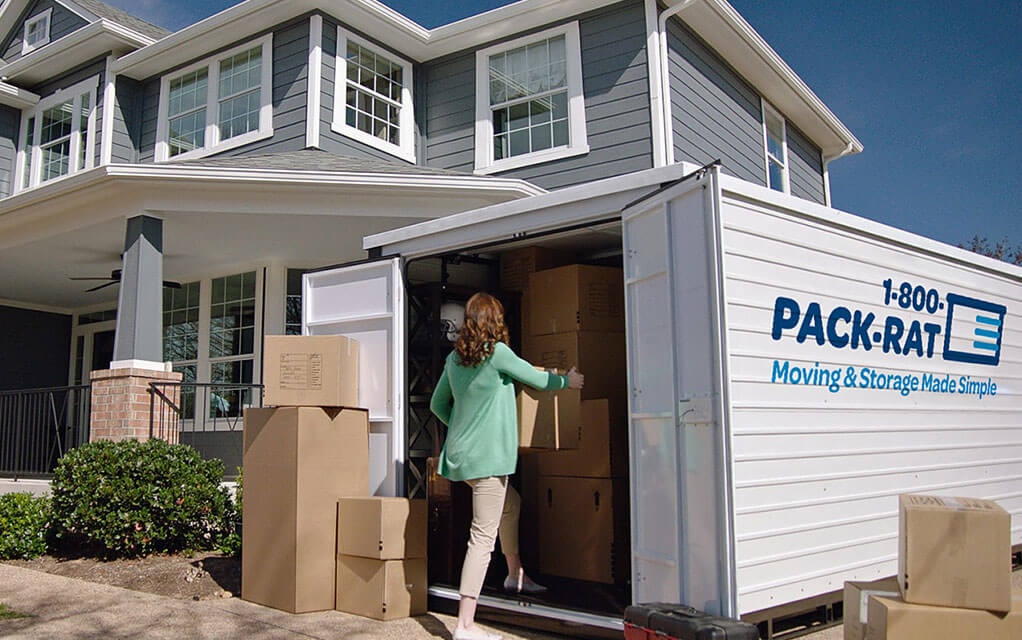
This option also cuts down on extra handling. Your items go from your home into the container, then to your new house - you only need to load and unload once, even if you need to store your stuff for a period of time. Fewer transfers can mean less risk of damage for your packed belongings.
Need a packing hack that makes moving easier? Start loading your container after you finish packing off-season and non-essential items. If you also need temporary storage, a container can be simpler than moving things in and out of a brick-and-mortar storage unit that you have to drive back and forth from more than once.
Essential Packing Supplies You Need Before You Start
Before you pack a single shelf, gather your packing and moving supplies and everything you will need to get your stuff packed. This saves time and helps you avoid last-minute runs for missing materials. Start with moving boxes in a few sizes, strong packing tape, markers, and paper for wrapping delicate items.
You may also want bubble wrap, stretch wrap, scissors, trash bags, and moving blankets. Specialty boxes can help with clothing, dishes, or framed art. Once your supplies are ready, you can pack in a steady way instead of stopping every few minutes.
Choosing the Right Boxes and Containers
The best moving boxes depend on what you are packing. Small boxes work well for books, canned goods, and other dense items. Larger boxes are better for pillows, blankets, and lighter belongings. This keeps heavy boxes from becoming unsafe to lift while fitting a large number of contents inside. Heavy-duty, dual-layered boxes are also good for heavier items and can give peace of mind that your stuff will stay safe if the box is dropped, has heavy items placed on it, or has to survive getting packed or unpacked in the rain.
Specialty containers help too. Wardrobe boxes are useful for hanging clothes, and picture boxes can protect artwork or mirrors. If you don't have the original box for your TV, you can purchase TV boxes as well. If you are loading portable storage containers, sturdy boxes that stack well will make the space easier to use.
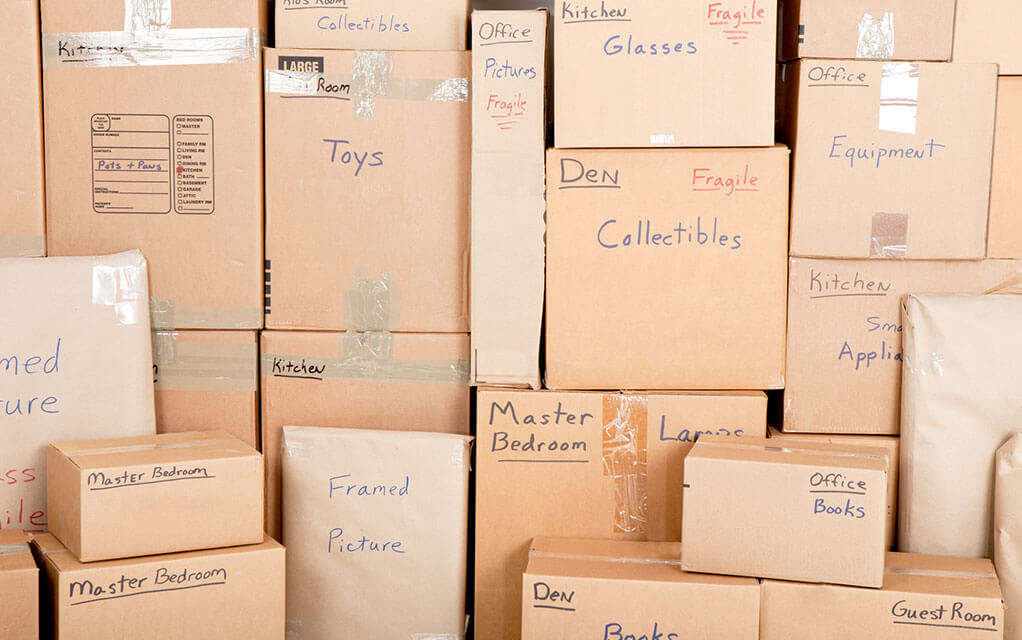
To get a more in-depth look at boxes and how to pack them, check out our blog on essential tips for choosing the right moving boxes for your needs!
Must-Have Packing Materials and Tools
The right materials help you pack faster and safer. For an efficient move, get your tools ready before you start. That way, you can wrap, seal, and label each box in one go instead of searching for missing supplies.
Keep these basics nearby:
- Packing tape for sealing bottoms and tops of boxes
- Packing paper for dishes, glassware, and filling open gaps
- Bubble wrap for extra protection around fragile pieces
- Stretch wrap for drawers, furniture, and bundled loose items
- Scissors or a tape gun to speed up the work
- A magic marker to notate what is inside the box or to note that fragile items are inside
These tools support the most efficient steps to pack for a move. Build the box, pad the bottom, wrap each item, fill open space, and seal it well. When your materials are close at hand, the whole job moves faster. For extra protection, tape all box openings and place a long strip of tape inside the box on the bottom if carrying heavier items inside.
How to Select Labels and Markers for Organization
Labels matter more than many people think. If you cannot tell what is inside a box, unpacking becomes slow and frustrating. The best way to label boxes during a move is to keep it clear, simple, and easy to spot from a distance.
Use tools that make your system easy to follow:
- Permanent markers with bold ink that shows on cardboard
- Masking tape or labels for bins and plastic containers
- Color coding by room if you want faster unloading
- An inventory list that matches box numbers to contents
Write on the side of each box, not only the top. Add the room name and a short contents note. If a box must stay upright, draw arrows on each side. This helps your future self find what you need without opening everything.
Creating Your Ultimate Packing Checklist
A packing checklist keeps the packing process from getting messy. Instead of guessing what to do next, you can move through each room with a plan. It also helps you track what is done and what still needs attention.
Your checklist can be simple. List each room, note important items, and mark what needs special care. Add reminders for packing tape, labels, and your inventory list. With that structure in place, it becomes much easier to stay calm and organized.
Room-by-Room Packing List Essentials
Yes, a room-by-room checklist is one of the easiest ways to stay on track. It keeps similar items together and helps you avoid mixing random things into the same carton. Start with the least used spaces and work toward daily-use rooms.

Here is a simple guide:
- Kitchen items: dishes, glasses, pantry goods, and small appliances
- Living room: books, decor, electronics, remotes, and lamps
- Dining room: serving pieces, table linens, and seasonal dishes
- Bedrooms: clothes, shoes, bedding, and personal items
- Bathrooms: toiletries, medicine, towels, and cleaning basics
- Office or storage areas: papers, cords, files, and small tools
As you pack each space, label the room and contents on every side of each box. This makes unloading easier and helps you place boxes in the right area as soon as they arrive.
Items Many People Forget to Pack When Moving
People often focus on the big stuff and forget the small things they need right away. That can make the first night in a new place harder than it needs to be. A little planning solves that problem fast.
Items many people forget include:
- Toilet paper, soap, and basic toiletries
- The coffee maker and simple kitchen supplies
- Phone chargers, tools, and cleaning products
- An overnight bag with clothes and medicine
Pack non-essential items first, such as holiday decor, off-season clothes, and extra dishes. Pack daily-use items last. Keep them easy to reach with protective padding if needed. That way, you can get through the first day without tearing through every box.
Special Considerations for Moving with Kids or Pets
Moving with kids or pets requires thoughtful preparation to ensure a smooth transition for everyone. Children and animals thrive on familiarity and routine, so having comfort items easily accessible is especially important. Favorite toys, blankets, or stuffed animals can provide emotional reassurance for children during the stressful process of moving. For pets, packing their food, water bowls, bedding, and treats ensures their basic needs are met and helps reduce anxiety.
Setting up a designated area in your new home for quiet downtime can be beneficial too. This space should include familiar objects and allow your child or pet to decompress away from the hustle of unpacking and settling in. Remember to keep daily essentials like medicines, wipes, snacks, and extra clothing within easy reach—these items will help you manage unexpected situations without scrambling through boxes.
Another key tip is to avoid packing all comfort items too early. Keep at least a few favorites out until the last moment so your child or pet has something familiar during the journey and upon arrival. Likewise, understand that your new home may feel strange at first; allowing access to familiar belongings can ease this adjustment.
Finally, involve children in the process by letting them pack their own “special box” filled with treasured items they want close at hand. With pets, try to maintain their feeding schedules and routines as much as possible. By anticipating their needs and prioritizing comfort, you’ll make moving day—and the days that follow—a gentler experience for everyone involved.
Beginner’s Guide: How to Pack for a Move
If you are not sure where to begin, keep it simple. The packing process gets easier when you do one step at a time instead of trying to handle the whole house at once. Start with a plan, then build from there.
A good idea is to gather moving boxes, sort what you own, and begin with the things you use the least. As each area is finished, stack labeled boxes neatly and keep your supplies in one spot. That steady rhythm makes a big job feel smaller.
What You’ll Need to Get Started
Before you start, set yourself up with the basics. Choosing the best moving supplies means thinking about what you own and how much protection each item needs. Strong boxes and simple tools usually cover most of the work.
Start with these packing supplies:
- Packing tape for box bottoms, tops, and quick reinforcement
- Packing paper for wrapping dishes and filling empty gaps
- Trash bags for hanging clothes or quick cleanup
- Markers, scissors, and labels for clear organization
- Bubble wrap or blankets for fragile and larger items
If you have hanging clothes, use wardrobe boxes or the trash bag method with hangers through the top. If you have lots of breakables, keep extra wrapping nearby. Good supplies help you move faster and with less waste.
Tips for Setting Up Your Packing Space
Set up one main staging area before you begin. This can be a clear corner, table, or part of a room where you have enough room to build boxes, wrap items, and stack finished cartons. A steady packing zone saves time.
Keep your supplies in that same spot so nothing gets lost. Put boxes, tape, markers, and soft materials within easy reach. If you are packing dishes or glassware, a large table or counter works well because you have more space to move safely.
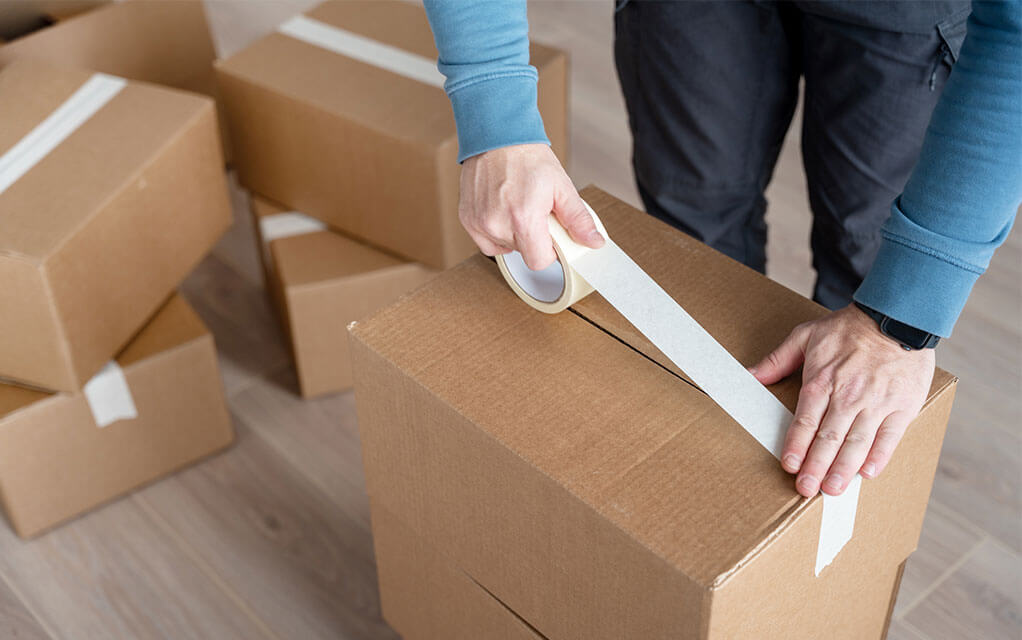
Try not to carry finished boxes all over the house. Stack them in one place as you go to reduce heavy lifting. That also keeps walkways open and makes it easier to load portable storage containers later.
How to Stay Organized from Day One
The easiest way to stay organized is to make decisions once. Pick your label style, choose where packed boxes go, and follow the same method every day. Your future self will thank you when unpacking starts.
Use habits like these:
- Keep an inventory list with box numbers and quick notes
- Label boxes on the side with room and contents
- Pack similar items together instead of mixing rooms
- Store hardware in small bags attached to furniture
- Take photos of electronics before unplugging cords
These small steps keep the move from turning into a guessing game. They also help you find what you need faster once you reach your new place. Good organization is really just a repeatable routine.
Step-by-Step Guide to Move Packing
A clear order makes the moving process easier to manage. When you know what to do first, next, and last, you avoid a rushed last-minute scramble. That means fewer mistakes and less stress on moving day.
The best approach is simple. Sort first, pack early items next, work room by room, protect breakables, label clearly, and load carefully. Keep packing tape, markers, and wrapping supplies close by so each step flows into the next one.
Step 1: Declutter and Sort Before Packing
The first efficient step is decluttering. There is no reason to use packing supplies on things you do not want in your next move. Go through each room and pull out what you can donate, sell, recycle, or throw away.
A simple sorting method works well:
- Keep what you use and truly want
- Donate usable items to places like Salvation Army
- Sell things that still have value
- Toss broken or worn-out belongings
- Set larger items aside if they need special handling
Once you finish sorting, clear away the trash and donation piles before you start packing. A cleaner space makes every other step easier. It also helps you see exactly what still needs a box and what no longer deserves your time.
Step 2: Pack Off-Season and Non-Essential Items Early
Start packing as soon as you know you are moving. If you have a couple of months, that is even better. Begin with off-season clothes, holiday decorations, extra linens, books, and decorative pieces you will not need before moving day.
This early start gives you breathing room. You are not living out of sealed boxes right away, but you are making steady progress. Spaces like the dining room often hold many non-essential items, so they are a smart place to begin.
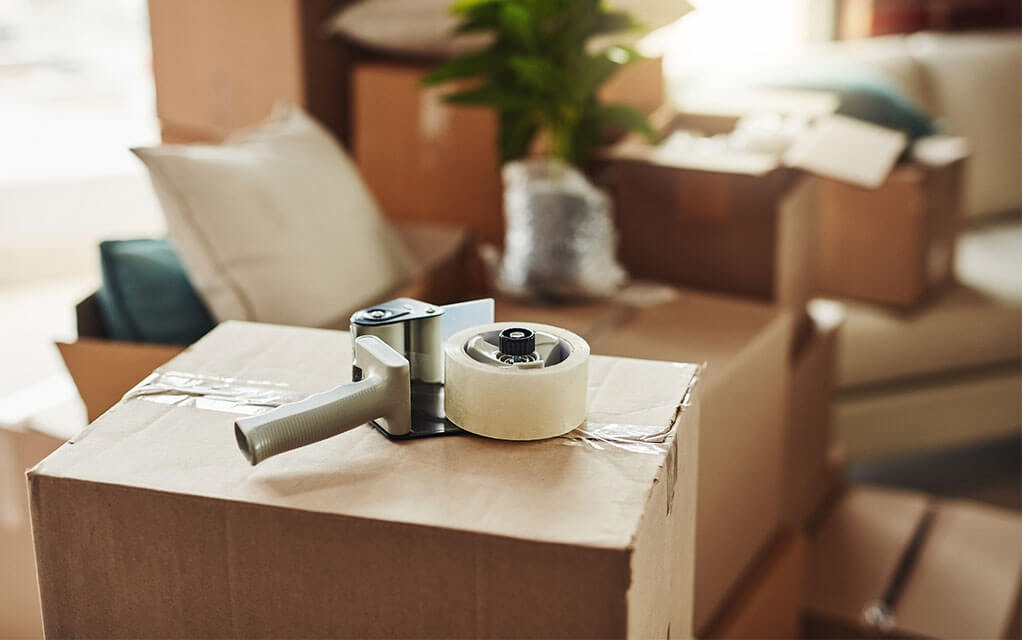
If you are using a storage container, load these early boxes first. That frees up extra space inside your home and keeps finished items out of the way. Packing seasonal belongings early is one of the easiest ways to reduce pressure later.
Step 3: Pack Room by Room for Maximum Efficiency
Packing room by room helps you stay focused. Instead of bouncing all over the house, you finish one zone and move on. This keeps similar items together and makes it much easier to unpack in the right place later.
A simple room-by-room method looks like this:
- Start with storage areas, guest rooms, or spaces used less often
- Use smaller boxes for dense items like books and canned goods
- Pack kitchen items with extra care and clear labels
- Finish daily-use rooms last so life stays easier before the move
Do not mix rooms unless you truly have to. A box should have one main home in your new place. That one habit can save you a lot of time during unloading and setup.
Step 4: Protect Fragile Items with Smart Packing Tips
Breakable items need time and care. If you rush this step, damage is much more likely. The safest method is to wrap each piece on its own, cushion the box bottom, and fill empty space so nothing shifts during travel.
Use these simple protections:
- Wrap each item with packing paper before boxing it
- Add bubble wrap for extra precaution with delicate pieces
- Stand dishes on edge instead of stacking them flat
- Fill all gaps so breakable items cannot move around
For very delicate china or glass, use two layers of wrap if needed. You can also use towels or other soft materials for added padding. When you gently shake the box, you should not hear clinking.
Step 5: Label and Inventory Every Box
The best way to label boxes during a move is to keep it detailed but quick. Use permanent markers and write the room name plus a short list of contents. Put the label on the side so you can still read it when boxes are stacked.
An inventory list makes this even better. Give each box a number, write the same number on your list, and add a short description. If something goes missing or you need one specific item, you can find it faster.
This method works especially well for longer moves or when some things may stay packed for a while. It keeps your move organized from start to finish and cuts down on the stress of not knowing where things are.
Step 6: Load Your Portable Storage Container Safely
Loading a portable storage container properly is just as important as packing your belongings securely. When you fill your container, balance and stability should be top priorities to ensure that boxes stay upright and nothing gets damaged during transit or storage. Think of it like constructing a solid wall—strong support starts at the base.
Start by placing heavier boxes and items on the bottom layer, distributing their weight evenly across the floor of the container. This prevents all the weight from being concentrated in one area, which could cause the container to shift or tip. Lighter items should be stacked on top to avoid crushing anything underneath.
To maximize protection, fill any gaps between boxes with padding materials such as blankets, towels, or bubble wrap. This not only helps prevent movement but also provides an extra cushion for fragile items. Make sure every box is sealed tightly and remains stackable; loose contents can shift, leading to instability.
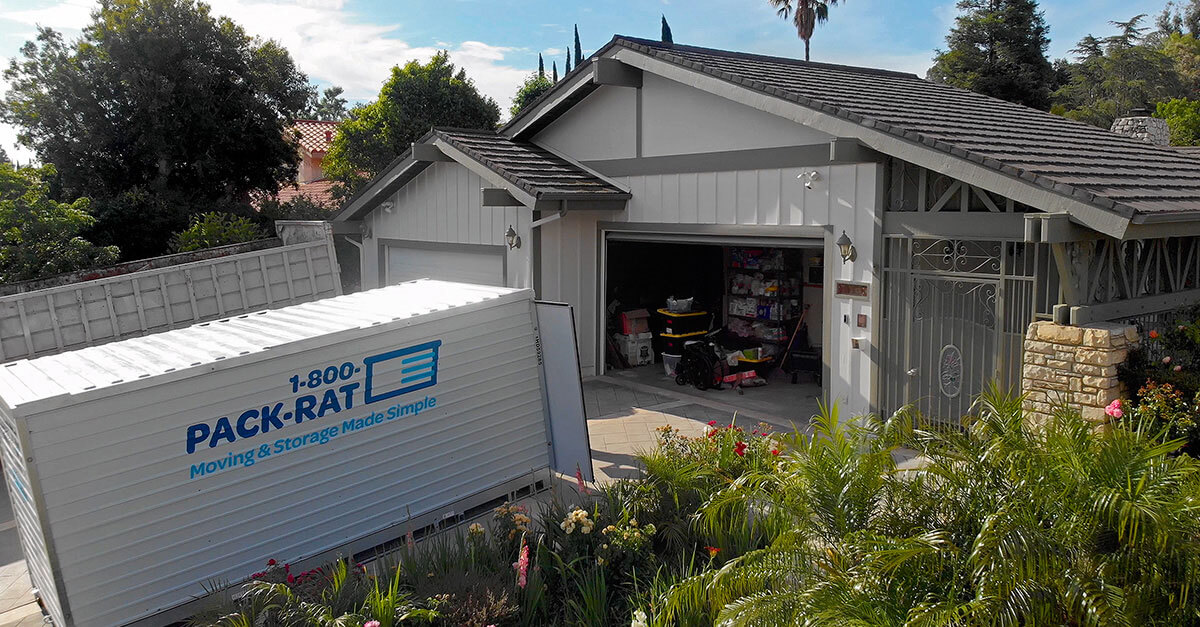
For convenience, position items you'll need first toward the front near the door so they're easy to access when unloading. Pre-stacking similar box sizes before loading them into the container is a practical hack—it speeds up the process and lets you use space more efficiently.
Additionally, consider labeling each box clearly so you know where everything is when it's time to unload. Use straps or tie-downs inside the container if available to secure stacks and prevent shifting during transport. By following these loading basics, you’ll help ensure your belongings arrive safely and that unloading is just as straightforward as packing.
Portable storage containers offer flexibility compared to traditional storage units since you can load them at your own pace without making multiple trips back and forth. They’re ideal for moving, renovations, or temporary storage needs because service providers like 1-800-PACK-RAT allow you to keep containers onsite or transport them wherever needed.
Check out our guide for how to pack your container like a pro if you need assistance!
Clever Packing Tips and Hacks for a Smooth Move
Packing hacks work best when they solve real problems. The goal is not to be fancy. It is to protect your stuff, save space, and make unpacking easier. A few smart choices can take a lot of pressure off the move.
Think about using what you already own, nesting smaller items, and making moving boxes easier to carry and stack. These practical tricks help create a smooth transition from one home to the next without adding more cost or confusion.
Packing Clothes, Shoes, and Linens Efficiently
Clothes can take up more room than you expect, so pack them with space in mind. Bulky winter wear, extra bedding, and towels can fill large boxes quickly. The good news is that these soft items can also help protect other belongings.
Try these easy clothing hacks:
- Use compression bags for jackets, sweaters, and linens
- Pack hanging clothes in wardrobe boxes if possible
- Group closet clothes with hangers inside trash bags
- Use stretch wrap to keep folded stacks neat in drawers or bins
Shoes can hold smaller soft items like socks, and towels can wrap delicate pieces. This saves room and reduces the need for extra packing materials. It is one of the easiest ways to make packing more efficient.
Creative Ways to Use Everyday Household Items for Packing Help
You do not always need to buy more supplies. Many things already in your home can help protect items and fill open space. This keeps costs down and makes good use of what you already have.
Try using everyday items like these:
- Towels, sheets, and blankets as soft materials for wrapping
- Plastic bags for toiletries or leak-prone items
- Socks for small breakables or jewelry pieces
- Hangers to fill box tops and add support
- Extra cardboard to reinforce soft-packed boxes with packing tape
If you still need more supplies, many people check stores like Home Depot for boxes and moving kits. Still, it is smart to use what you own first. Household items can do a lot of work during a move.
Organizing Cords, Electronics, and Small Accessories
Electronics and small accessories can quickly turn into a tangled mess during packing or moving. Cords often go missing, remote controls somehow disappear, and tiny parts like screws or adapters get mixed up or lost altogether. To make the process smoother, it’s smart to first take a clear photo of your electronics setup before unplugging anything—this visual reference will save you time and confusion when it comes to reassembly.
Once you're ready to pack, carefully remove all cables and bundle each set with twist ties or Velcro straps to prevent tangling. Keep cords with the devices they belong to; placing them in labeled plastic bags works especially well for keeping everything organized. Secure these bags by taping them directly onto the device or placing them inside a small box clearly labeled with its contents.
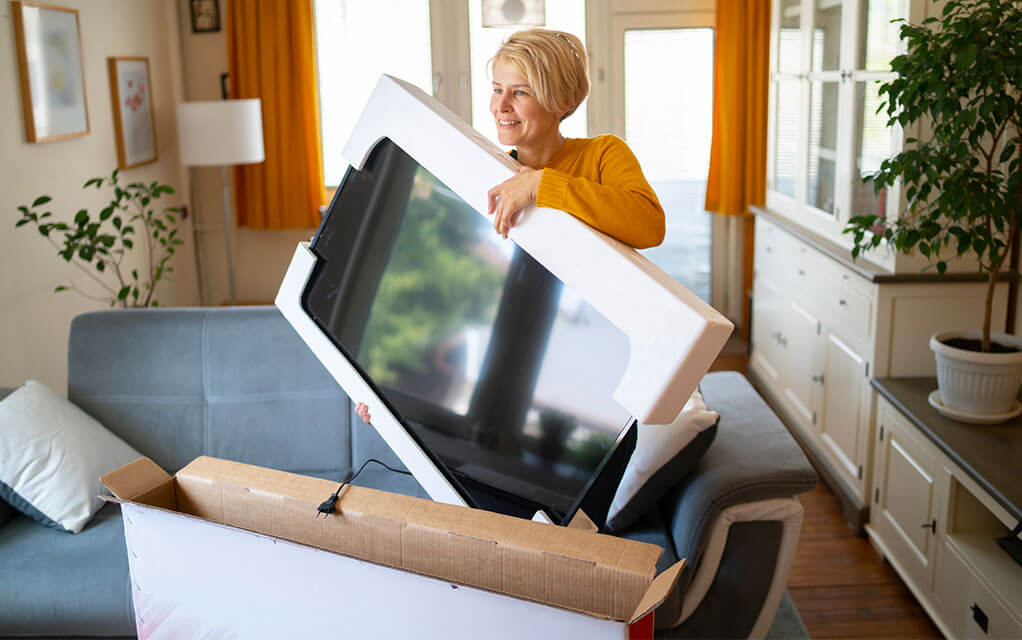
For packing jewelry, organization is also key. Small organizers such as pill boxes, bead containers, or even travel-sized tackle boxes are excellent tools for separating rings, earrings, and other small pieces so they don’t get lost or tangled. A simple trick for necklaces: thread each one through a drinking straw and fasten the clasp—this keeps chains from knotting together during transit.
Labeling is essential throughout this process. Use sticky notes or masking tape to write what’s inside each bag or box, which will make unpacking much more efficient and less stressful later on.
By assigning every item—no matter how small—a specific container and label, you’ll reduce clutter and make unpacking far easier. These strategies not only protect your valuables but also save you time searching for missing pieces when you settle in at your new place.
Use 1-800-PACK-RAT to Make Your Move Simpler
Packing for a move can be a daunting task, but with the right strategies and moving company in place, it can be a smooth and organized experience. That is where 1-800-PACK-RAT can come in and make things easier for you and your family.
Here is how it works: you pick your preferred delivery date, and we will bring an all-steel, weather-resistant container to your home. You then take as much time as you need to pack everything away at your own pace. When you are done, we will come out, pick up your container, and begin the moving process. Or, you can keep your container on-site for as long as needed or have it stored in one of our 85+ secure, nationwide warehouse locations. It truly is that simple - no unnecessary driving, stress, or rushed timelines.
We even have third-party professional labor providers who can help load and unload your container, auto transport partners to reduce wear and tear on your vehicles, or junk removal services to throw away unneeded items to make your life easier.
1-800-PACK-RAT handles the hard stuff for your local and long-distance move so you don't have to. Give us a call or go online today for a free quote to get your moving and packing process started the right way!
Frequently Asked Questions About Packing for a Move
How far in advance should I start packing for a move?
Start the packing process as soon as you know you are moving. If you have a couple of months, begin with seasonal and non-essential items first. This helps you avoid last-minute stress and gives your future self a much easier start in your new house.
What mistakes should I avoid when packing for moving?
When packing for a move or storage, it’s essential to follow best practices to ensure the safety of your belongings and make the process more efficient. Avoid overfilling cartons, as this can cause boxes to bulge or break, making them difficult to stack and increasing the risk of damage during transit. Mixing items from different rooms in one box can lead to confusion when unpacking and make organizing your new space more challenging.
Always use sturdy packing tape to fully seal each box. Weak seals can come apart easily, exposing your items to potential loss or damage. Place heavier items, such as books or kitchen appliances, in smaller boxes rather than oversized ones. This prevents boxes from becoming too heavy to lift safely and helps maintain the carton's structural integrity.
For fragile items like glassware, ceramics, or electronics, wrap each item individually with bubble wrap or packing paper. Use protective padding—such as foam peanuts or crumpled paper—to fill any empty spaces within the box. This cushioning absorbs shocks and prevents movement during transportation, reducing the risk of breakage.
Label each box clearly with its contents and the room it belongs to. This will streamline both loading and unloading and help movers know how to handle each carton appropriately. If you have particularly delicate items, mark those boxes as “fragile” so extra care is taken.
By following these guidelines—avoiding overfilled cartons, keeping rooms separate, using strong seals, properly distributing weight, wrapping fragile belongings carefully, and labeling boxes—you’ll protect your possessions and make your moving experience smoother and safer.
What is the best way to label boxes during a move?
Use permanent markers to label boxes on the side with the room name and a short contents list. Keep similar items together, and number each box to match an inventory list. After sealing with packing tape, make sure every label is large enough to read quickly.
How can I pack fragile items safely for moving?
Wrap breakable items one at a time with packing paper, then add bubble wrap for extra precaution when needed. Cushion the box bottom, fill all open space with soft materials, and keep items from shifting. If you hear movement inside, add more padding.
Should I hire professional movers, or is it better to pack and move on my own?
That depends on your budget, timeline, and comfort with heavy lifting. A professional labor provider can help with labor, but many people prefer a portable storage container so they can pack on their own schedule and still move into a new place efficiently. Be aware that many professional labor companies only offer loading and unloading services. That means they won't "pack" your boxes with stuff for you, only move your packed and prepared items to and from your moving solution. If you need help packing items for a more full-service approach, be sure to ask your labor provider if they offer that service.
- Moving Tips (133)
- Home Organization (27)
- News Releases (23)
- Packing Tips (21)
- Fun Stuff (19)
- Portable Storage (16)
- In the Community (11)
- Moving and Storage Tips (11)
- Storage Tips (10)
- Moving Checklists (9)
- Household Moving (7)
- Moving Company Comparisons (5)
- Moving on a Budget (5)
- DITY Move (4)
- Home Maintenance Tips (3)
- Home Buying and Selling Tips (1)
- Interstate Moving (1)


