

Essential Tips for Newbies Moving to a Cold Climate
November 24, 2026
Key Highlights of Moving to a Colder Climate
- Pack easy-to-reach winter gear before travel day, even if you'll buy most winter clothing after you arrive.
- Expect cold temperatures to change daily routines, from getting dressed to planning errands and commutes.
- Learn your new home’s heating system early so you can stay comfortable and avoid preventable problems.
- Budget for higher utility costs, since heating often runs for months in colder places.
- Prepare your car for snow and ice before winter starts.
- Focus on simple habits, not perfection, as you adjust.
Moving from a warm place to a cold climate can feel like stepping into a whole new environment. Your clothes, your car, and even your daily routine may need to change. If you are moving somewhere with real winter weather for the first time, a little planning goes a long way. Those who have lived in these climates have seen their fair share of harsh winters and know how to deal with them.
But if this is your first true cold-climate winter, you might need a few helpful pointers. Our guide below is for beginners, especially people who have never lived through extreme temperatures, snow, ice, and freezing days.
Learn how you can prepare, adjust, and thrive in a cold-weather climate!
Understanding the Challenges of Moving to a Cold Climate
Yes, there are challenges when you move from warmth to cold temperatures. The biggest surprise is how much weather affects normal life. You may need different winter clothing, more time to get ready, and a new plan for driving, walking, and running errands.
Another shift is inside your home. Heating costs are often higher than many first-time movers expect, especially during extreme cold. Your new environment may also feel darker and quieter in winter. The good news is that most of these changes become easier once you know what is coming.
Differences Between Warm and Cold Climates
Adapting to northern weather, especially if you’re coming from a region with mild winters, requires both practical preparation and a mindset shift. In colder climates, winter temperatures often dip well below freezing and can come with unpredictable weather patterns such as snowstorms, icy rain, and strong winds. These conditions affect not only your daily comfort but also how you plan your activities and travel.
Layering is an essential strategy for staying warm. Instead of relying solely on a heavy coat, wearing multiple layers, including winter accessories, thermal underwear, sweaters, and outer shells, helps trap body heat more effectively. Accessories like insulated gloves, thick hats that cover your ears, scarves, and wool socks are crucial for preventing frostbite and keeping extremities comfortable. Waterproof boots are also recommended for navigating snowy or slushy sidewalks.
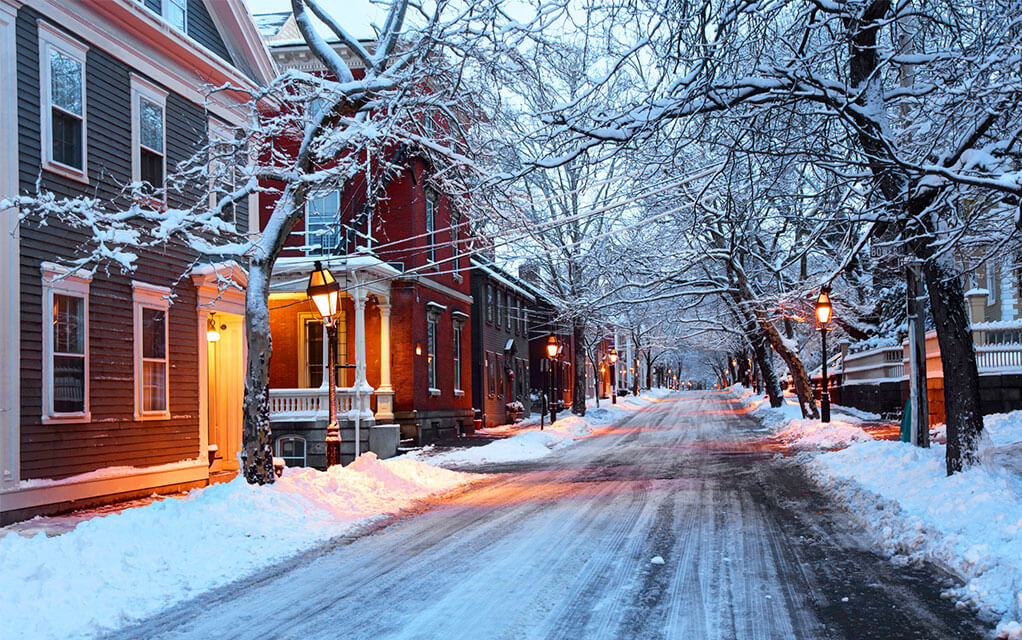
The cold air can be harsh on your skin. To combat dryness and chapped lips, regularly moisturize exposed skin and use lip balm. Drinking plenty of water helps maintain hydration despite the dry indoor heating common in homes and workplaces during winter.
Adjusting to the rhythm of a cold city involves more than just dressing appropriately; it also means developing new routines. You may need extra time for your morning commute—scraping ice off windshields or waiting for public transportation delays due to weather. It’s wise to check the local weather report daily so you can anticipate temperature changes or storms.
Observing how locals manage the winter can offer valuable insights. For example, many people invest in high-quality winter gear or use heated spaces like cafes and transit shelters on particularly harsh days. Community traditions such as winter festivals, ice fishing, or ice skating can help you embrace the season rather than just endure it.
Over time, most newcomers find that acclimatization happens naturally. The initial discomfort fades as you learn what works best for you, from finding your favorite warm beverages to discovering efficient routes around town that minimize exposure to the elements. With patience and preparation, living in a cold climate becomes less daunting and even enjoyable as you discover its unique beauty and seasonal activities.
Common Obstacles for First-Time Movers
First-time movers to colder climates are often surprised by how many small, day-to-day challenges winter can bring. Packing oversights, like storing your warmest coat or boots at the bottom of a box, can leave you uncomfortable and scrambling during your first few days. Simple morning routines become more complicated if you wake up to frost on your car windows without an ice scraper handy, or if you’ve never shoveled snow before and now need to clear a path just to leave for work.
Winter driving is another major adjustment. Roads that are easy in warmer weather may be covered with snow or black ice, increasing braking distances and making turns more hazardous. Even parking can be tricky if spaces aren’t well-plowed or have hidden icy patches underneath. It’s smart to give yourself extra time for all travel, whether it’s commuting, running errands, or even practicing driving in an empty parking lot. Practicing your winter driving skills in an empty snowy parking lot can help you prepare for the real thing when you have to deal with it on the roads.
Inside your new home, heating becomes a central part of life. If you’re not familiar with radiators, baseboard heaters, or programmable thermostats, take time to learn how to use them efficiently. Seal drafty windows and doors to keep warm air in and cold air out; a small investment in weatherstripping can make a noticeable difference.
New residents are often caught off guard by higher energy bills during their first winter season. Heating costs can rise significantly depending on your home’s insulation and the local climate. Monitoring your thermostat settings and using blankets or layering clothing indoors can help manage costs without sacrificing comfort.
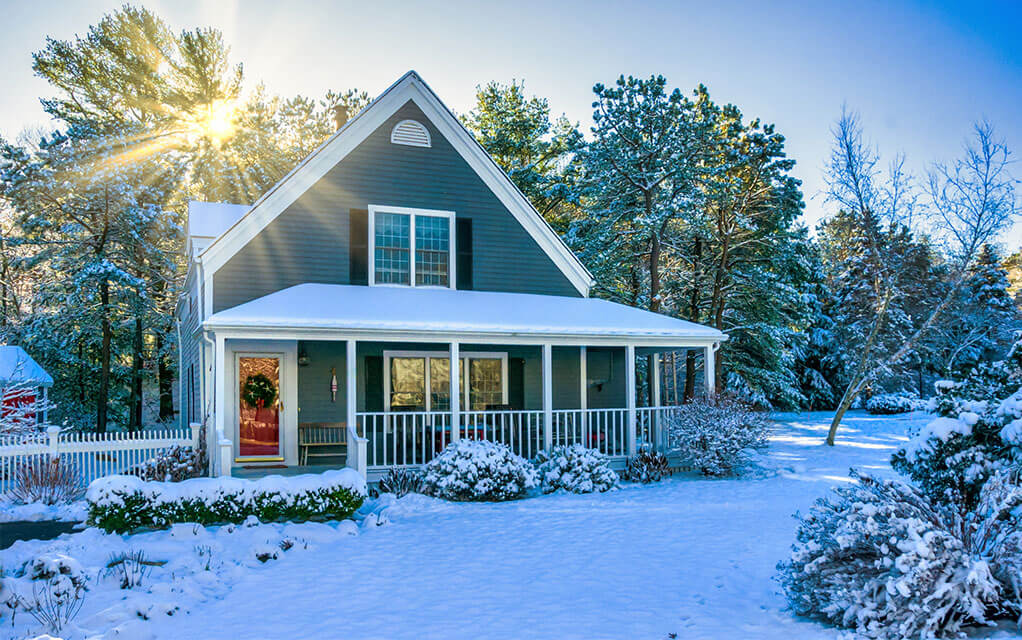
Additionally, preparing both your home and vehicle for winter is essential:
- Stock up on essentials like salt or sand for icy walkways.
- Keep a snow shovel and windshield de-icer easily accessible.
- Store emergency supplies in your car (blanket, flashlight, snacks) in case you get stranded.
- Make sure gutters are clear so melting snow doesn’t cause leaks.
- Consider investing in heavy curtains to insulate windows at night.
Finally, patience is key, as errands, commuting to work, and driving in general may take longer because of slow traffic or weather delays. Moving day itself may require flexibility if storms disrupt schedules.
By developing a practical cold-weather plan before winter hits, and staying aware of these common issues, you’ll settle into your new home more comfortably and face whatever the season brings with confidence.
What to Expect in Your First Cold Winter
Your first actual winter may feel strange at first. The first snow can be exciting, but it also reminds you that simple tasks now take more thought. You will likely check the weather more often, dress in layers, and pay closer attention to travel conditions.
At home, the heating system becomes part of daily life in a way it may never have been before. Heating costs can rise for months, not just a few cold days. Most people start feeling more comfortable within a few weeks, though settling into a new environment can take longer.
Typical Winter Conditions in Northern U.S. States
Winter in the northern United States is not the same every day. Some days are bright and crisp. Others bring heavy snowfall, icy streets, or strong winds. If you are new to cold places, it helps to expect variety rather than assume every day will look like a storm.
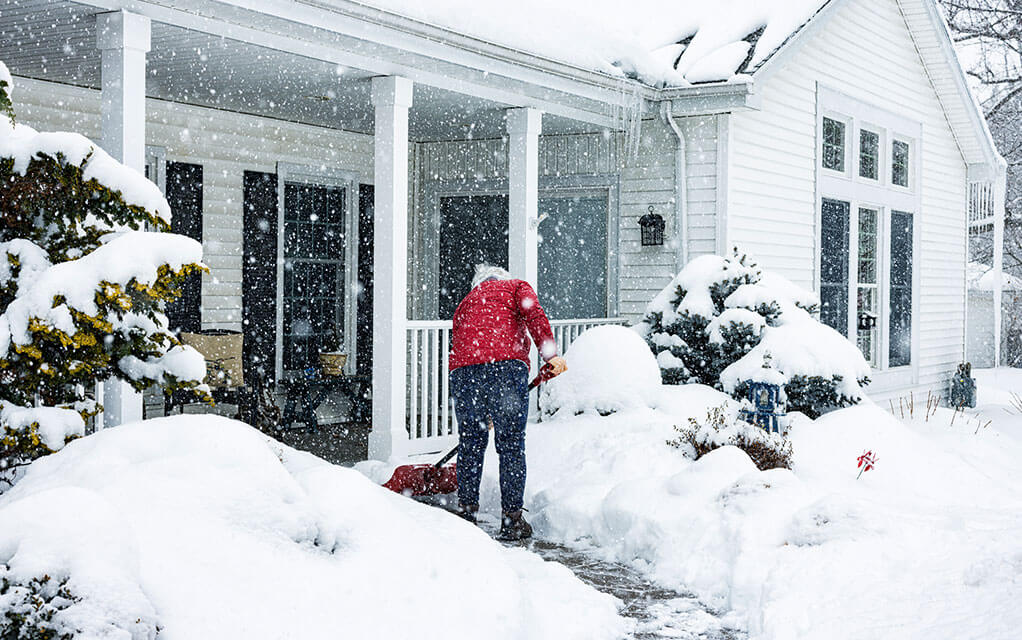
Below are the kinds of winter conditions many people prepare for each winter season in colder climates:
- Average temperatures: You will need thermal layers, warm gloves, hats, and shoes most days.
- Snowfall: Walking, parking, and commuting can take longer than expected and may be impossible until snow is cleared.
- Ice: Sidewalks and roads can become slippery and require extra care. Icy roads can be especially dangerous, especially if this is your first real winter in a truly cold climate state.
- Shorter daylight: Your mood and energy may dip. Use routines filled with daily and physical activities to stay active, and consider supplements designed to balance the vitamins that lack of sunlight can affect.
- Heating costs: Monthly bills can increase during long stretches of winter, which is why frequent heating system maintenance is vital to staying warm in the coldest parts of the season.
Practical tips to stay warm include dressing in thin layers, keeping good boots near the door, and learning how locals enjoy winter activities like ice skating. Staying active outside in short bursts can help you adjust more comfortably.
How Weather Affects Daily Life and Routines
Cold weather can significantly change your daily routine, especially if you’re new to colder climates. Many people’s first instinct is to stay indoors to avoid the cold, but this can make winter feel longer and more isolating. Instead, adopting small habits and preparing properly can help you stay active and embrace winter.
Navigating outdoor conditions is one of the biggest adjustments. Ice, snow, and road salt make sidewalks and driveways slippery. Invest in waterproof boots with good traction and rubber soles to prevent falls; many underestimate this until their first icy morning. Warm socks also keep feet dry and comfortable.
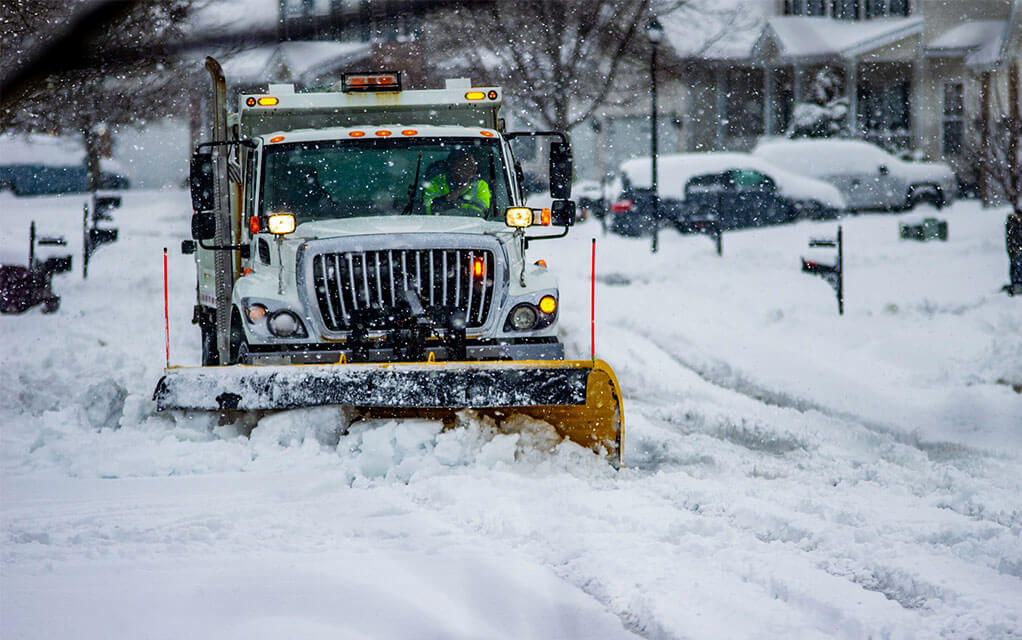
Dressing in layers is essential: thermal undergarments, sweaters, insulated coats, gloves or mittens, a hat that covers your ears, and a scarf protect against the cold and wind. Keep these items near your door for easy access.
Getting ready takes longer in winter; allow extra time to bundle up, warm up your car, or clear snow from your windshield. When you return home, remove snowy boots at the door to keep slush out, and hang outerwear to dry.
Winter weather often means slower traffic, reduced visibility, and icy roads, so plan for longer commutes and drive cautiously. Rushing increases both stress and risk.
Limited sunlight can affect mood and energy levels. If darker days leave you feeling down (sometimes called "winter blues" or Seasonal Affective Disorder), consider a sun lamp for light therapy to boost your mood. Another way to fight the lack of sunlight is to stay active. Short daily walks outdoors (when safe) can lift spirits, and going to the gym or taking up a physical activity such as swimming, rock climbing, yoga, or martial arts can help you manage the typical effects of seasonal depression.
Winterizing Tips for Your New Home
Winterizing your house matters almost as much as packing for the move. If you have never lived somewhere cold, start by learning how the heating system works before temperatures drop. That one step can help you stay comfortable and avoid last-minute stress.
You will also want to watch for cold air coming in around exterior doors and windows. Small drafts can make rooms feel colder and push up energy bills. A few checks early on can make your new place easier to live in all season.
Protecting Pipes and Utilities from Freezing
Protecting pipes is a crucial task for homeowners, especially in regions that experience cold winters. When temperatures drop, water inside the pipes can freeze, causing the pipes to expand and ultimately crack or burst. The resulting damage can be costly and disruptive, requiring extensive repairs and potentially causing water damage in the home.
Many people from warmer climates are accustomed to turning off their heating systems when leaving the house for an extended period, but this practice is risky in colder areas. Keeping your home’s heat above 55 degrees Fahrenheit, even if you’re away for just a day or two, can prevent frozen pipes and save you from expensive repairs down the line. While it may increase your energy bill during winter months, the cost is minimal compared to plumbing emergencies.
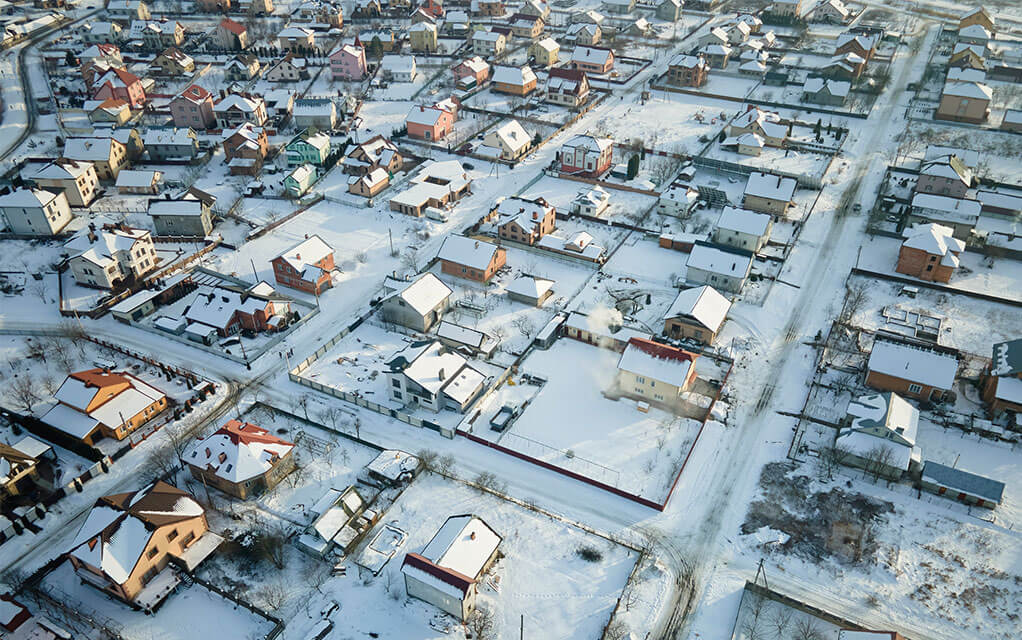
It's also important to familiarize yourself with your heating system early on. Understanding how your thermostat works, where your pipes are located (especially along exterior walls or in unheated spaces like basements and attics), and how to shut off water in an emergency will help you respond quickly if issues arise.
Regular heating system maintenance is essential before cold weather sets in. Schedule inspections for your furnace or boiler to ensure everything is functioning efficiently. Replace filters, check for leaks, and make sure vents are clear so warm air circulates properly throughout your home.
Additional tips include:
- Insulate exposed pipes using foam pipe insulation or heat tape.
- Seal gaps around windows, doors, and foundations to keep drafts out.
- Open cabinet doors under sinks during extreme cold spells so warmer air reaches plumbing.
- If leaving for an extended trip during winter, consider draining your water system entirely or asking a neighbor to check on your home periodically.
By taking these precautions and maintaining a consistent indoor temperature, you’ll reduce the risk of frozen pipes and protect both your property and your peace of mind throughout the winter season, eliminating the potential heavy financial burden burst pipes can levy on you.
Insulating Doors, Windows, and Attics
A drafty house often feels much colder than the temperature reading on your thermostat suggests. Insulation plays a crucial role in keeping your living spaces warm and energy-efficient. When cold air seeps in through gaps around exterior doors, windows, attics, or even electrical outlets, your heating system has to work overtime to maintain a comfortable indoor climate. This not only makes it harder to stay warm but also drives up energy bills.
To address these issues, begin by identifying the most obvious problem areas. On a chilly day, stand near exterior doors and windows and notice if you feel any drafts or sudden drops in temperature. These are clear indicators that heat is escaping and cold air is infiltrating your home. Sometimes you might even hear whistling or feel a breeze, especially on windy days.
- Inspect weatherstripping around exterior doors; worn or cracked weatherstripping can allow significant drafts.
- Check window frames for gaps or deteriorated caulking that might let cold air leak inside.
- Consider using thermal curtains or window insulation kits during the winter months for added protection.
- Don’t forget about less obvious places—attics, basements, and crawl spaces are common sources of heat loss if not properly insulated.
- Electrical outlets on exterior walls can also be culprits; inexpensive foam gaskets can help block drafts here.
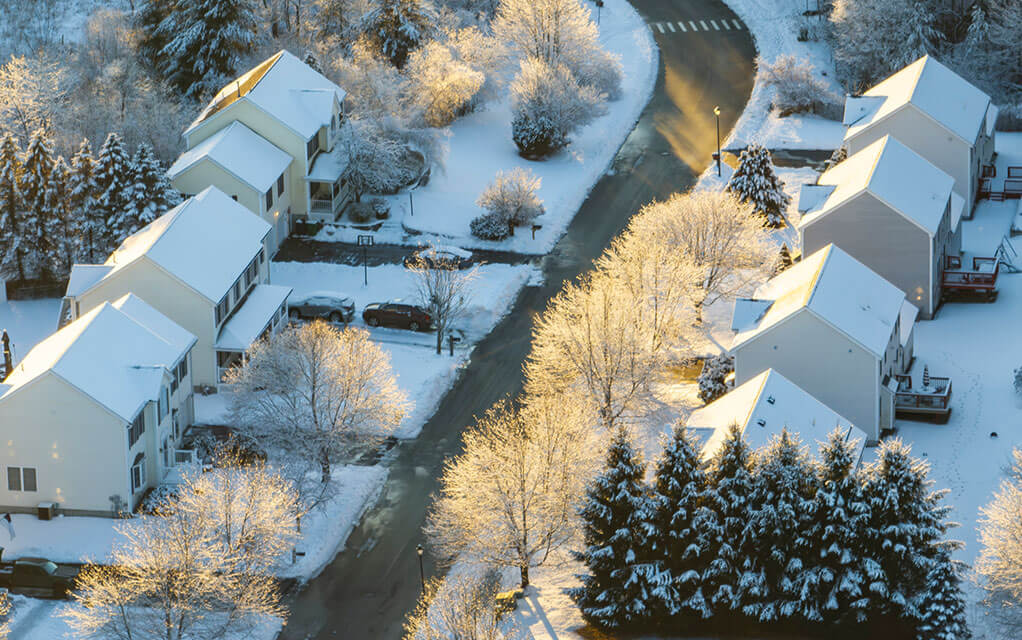
Poor insulation doesn’t just make certain rooms uncomfortable; it forces your heating system to run more often, consuming more energy and increasing costs throughout the entire season. Upgrading insulation in key areas not only makes your home cozier but also helps lower utility bills and reduces wear and tear on your heating equipment.
Paying attention to where drafts occur lets you target improvements that have the greatest impact on comfort and efficiency. By sealing leaks and boosting insulation where needed, you’ll keep the warmth inside where it belongs, while saving money over time.
How to Prepare for Your Move to a Cold Climate
Preparing for a move to a cold climate like New York is easier when you break it into small steps. You do not need to know everything on day one. You just need a clear plan for clothes, travel, and getting settled into your new home without digging through every box in the cold.
This helpful guide is built around simple actions. Think about what you will need right away, how winter driving may affect the trip, and what should stay easy to reach. The next sections walk you through the basics one step at a time.
Essential Equipment and Resources You’ll Need
When moving to a cold climate, packing strategically is crucial for both comfort and safety. The most important items are those you'll need immediately upon arrival—especially if temperatures are low. For example, keep your winter jacket, gloves, hat, scarf, and boots easily accessible, rather than packed away in boxes you’ll have to dig through. Consider assembling a dedicated “cold-weather essentials” bag that stays with you during the trip.
Beyond personal gear, your vehicle needs its own set of winter-ready supplies. A basic winter kit isn’t just convenient—it’s an important safeguard against unpredictable weather conditions that can arise suddenly. Even beginners should prioritize these fundamental tools:
- Winter clothing: Store your coat, gloves, boots, and any other warm accessories where you can grab them first.
- Snow shovel: Useful for digging out your car or clearing paths after snowfalls.
- Ice scraper: Essential for removing frost from windshields and windows so you can see clearly and drive safely.
- Jumper cables: Cold weather can drain batteries faster; having jumper cables on hand ensures you’re not stranded if your car won’t start.
- First aid kit: Accidents or minor injuries can happen anytime; a well-stocked kit is smart preparedness.
Other practical additions include extra blankets for warmth during emergencies, bottled water if you're stuck waiting for roadside assistance, and high-energy snacks like granola bars. If you expect particularly harsh conditions, consider adding traction aids like sand or kitty litter to help tires grip icy roads.
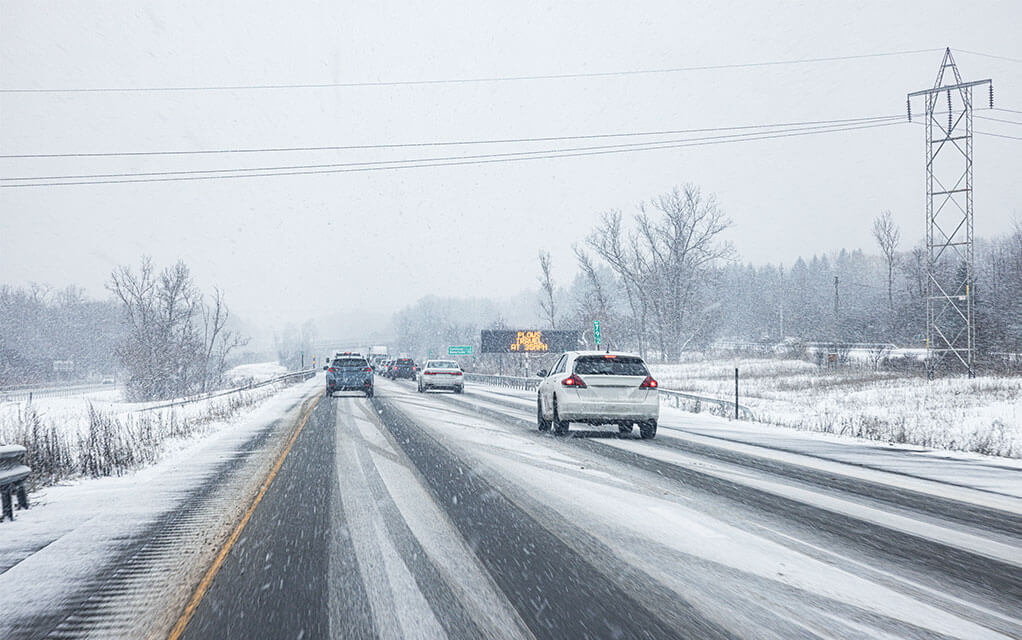
By keeping these items within reach, rather than buried among other belongings, you streamline your move and reduce stress. For anyone new to living in cold regions, these steps help ensure a safe transition while teaching valuable lessons about winter preparedness.
Step-by-Step Guide to a Successful Cold Weather Move
A smooth winter move starts with access. Keep your most important items separate from the rest of your load. That includes medications, documents, basic toiletries, and winter clothing. If you arrive after dark on a freezing evening, you want the first few hours in your new place to feel simple, not chaotic.
For a long-distance move, planning matters even more. Travel may slow down because of winter weather, and unpacking can take longer in cold temperatures. This is where organized packing can make a big difference. Some people also use a portable storage container to keep their move flexible.
- Build extra time into your schedule for snow or ice delays.
- Keep cold-weather basics available during the trip, not packed deep.
- Use portable storage containers if you need more control over timing and access.
Step 1: Research Your Destination’s Winter Patterns
Before you move, learn what winter really looks like in your destination. A place with a few chilly days is a far departure from a city where the actual winter lasts for months. Looking at average temperatures can help you understand how much your daily life may change.
You should also find out who handles snow removal. In some places, you are responsible for your own walkway and driveway. In others, a landlord, HOA, or property manager handles it. That one detail affects what snow removal equipment you need right away.
This research also helps you budget. If winters are long, you may face a higher energy bill for much of the season. Knowing that ahead of time makes the new environment feel less surprising and easier to manage from the start.
Step 2: Create a Cold Weather Packing List
Your packing list should focus on what you will use first, not everything you own. If you have never lived in cold weather, think from the ground up. What will you wear when you step out of the car, walk through snow, or stand outside while unloading?
Start with a few essentials and keep them accessible. You can always buy more once you arrive, especially since colder states often have better gear for local weather. That is often smarter than filling boxes with items from warm-area stores that may not hold up well.
- Winter boots or waterproof boots with good grip
- Several pairs of wool socks and a dependable base layer
- Core winter clothing for the first week, not packed at the back
Step 3: Secure Proper Moving Supplies and Transport
Cold weather can affect not just people, but equipment and vehicles too. Before a winter move, make sure your car is ready for the trip. That means checking the battery, fluids, tires, and wipers before snow becomes part of the drive. A fully charged battery matters much more in freezing weather.
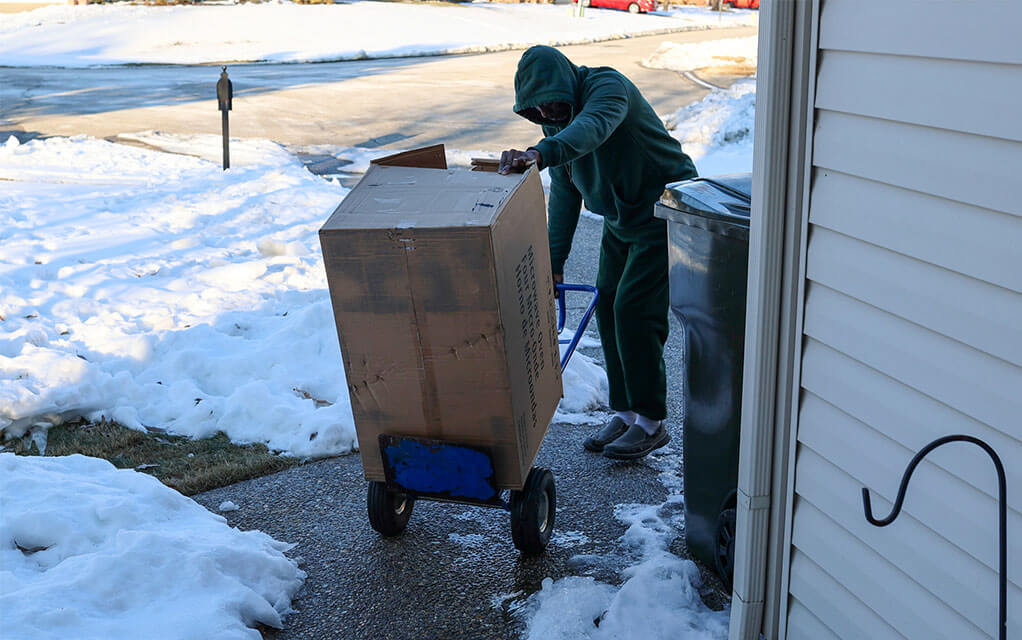
If you are handling a long move, look at your transport and storage options early. A storage facility can help if your timing changes, and a portable storage container can make loading and unloading feel more manageable. Organized transport gives you more breathing room if storms delay your schedule.
- Check for winter tires before driving in snowy areas.
- Consider your drivetrain needs if your route includes rough conditions.
- Use a storage facility or portable storage container if flexibility helps your plan.
Must-Have Clothing and Gear for Cold Weather Living
If you are wondering what clothing to buy before moving to a cold climate, start simple. You need basics that keep you dry, warm, and able to move around comfortably. Good winter gear is less about fashion and more about staying ready for daily life.
Focus on winter boots, a practical layering system, and a few dependable items you can wear often. Waterproof boots matter because snow and slush can soak regular shoes fast. The next sections break down what works best for adults, kids, and even pets.
Basics of Layering and Choosing Fabrics
The best clothing setup for cold weather is a layering system. The first thing to remember is that instead of one huge coat over regular clothes, you wear a few thinner pieces that trap heat close to your body. This helps you stay warmer and gives you more control when moving between indoors and outdoors.
The typical layering system starts with a base layer. It sits against your skin and helps hold warmth. Thermal underwear is a common choice. Over that, you add an insulating layer like fleece or wool. On top, you wear a shell layer that blocks wind and moisture, providing essential thermal layers for colder conditions.
- Start with a base layer such as thermal underwear
- Add warmth with a middle layer that holds heat
- Finish with a shell layer, then use wool socks for better comfort
Layering helps you regulate your temperature no matter what you are doing and helps you stay more comfortable throughout the day.
Winter Gear for Adults, Kids, and Pets
When preparing for winter, make sure everyone in your household, including adults, children, and pets, has the right gear for safety and comfort. Adults often prioritize functionality in their winter attire, choosing items that are durable enough for commuting, running errands, or spending time outdoors. Waterproof boots with reliable tread can prevent slips on icy surfaces, while layered clothing helps regulate body temperature throughout the day.
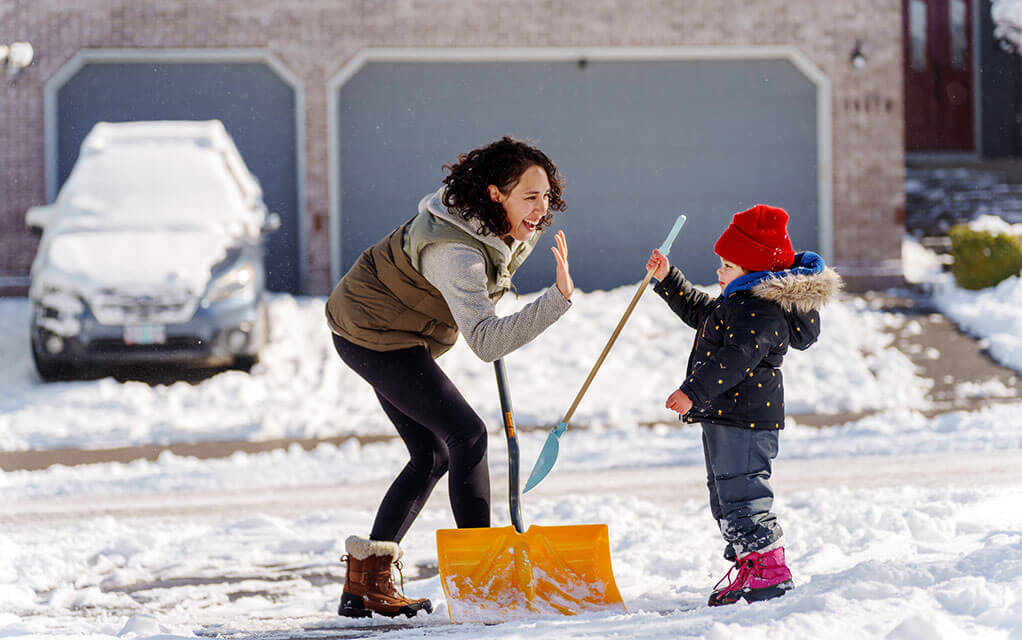
Kids require even more attention to comfort and warmth since they tend to spend longer periods outside playing. Look for insulated jackets, snow pants, warm gloves or mittens, snug hats that cover the ears, and thick socks. Full coverage is essential because children's extremities - hands, feet, and ears- are especially vulnerable to cold-related discomfort or injury. Consider investing in neck gaiters or scarves that provide extra protection from biting winds.
Pets, particularly dogs, also need special consideration during winter. Not all breeds are naturally equipped to handle cold temperatures or snowy conditions; smaller dogs and those with short coats may benefit from a fitted pet jacket or sweater. Protective footwear can shield sensitive paws from frostbite or irritation caused by ice-melting chemicals on sidewalks. If your pet shows reluctance during walks because of the cold, try shorter outdoor excursions supplemented with indoor playtime activities like fetch or tug-of-war.
Additional tips for winter preparedness include:
- Layering clothing for both adults and children to trap heat more effectively
- Using moisture-wicking base layers to keep skin dry
- Checking weather forecasts before heading out to ensure suitable attire
- Keeping spare gloves and hats available in backpacks or vehicles
Ultimately, being proactive about winter gear ensures everyone stays safe, comfortable, and ready to enjoy the season—whether they're heading outdoors for work, school, recreation, or simply taking a brisk walk with a furry friend.
Let 1-800-PACK-RAT Handle the Tough Part of Your Cold Climate Move
Moving to a colder climate doesn't have to be difficult, which is why 1-800-PACK-RAT makes it simple. You have enough to worry about when it comes to acclimating to a new environment and settling your family in - your move and your stuff shouldn't add to those worries!
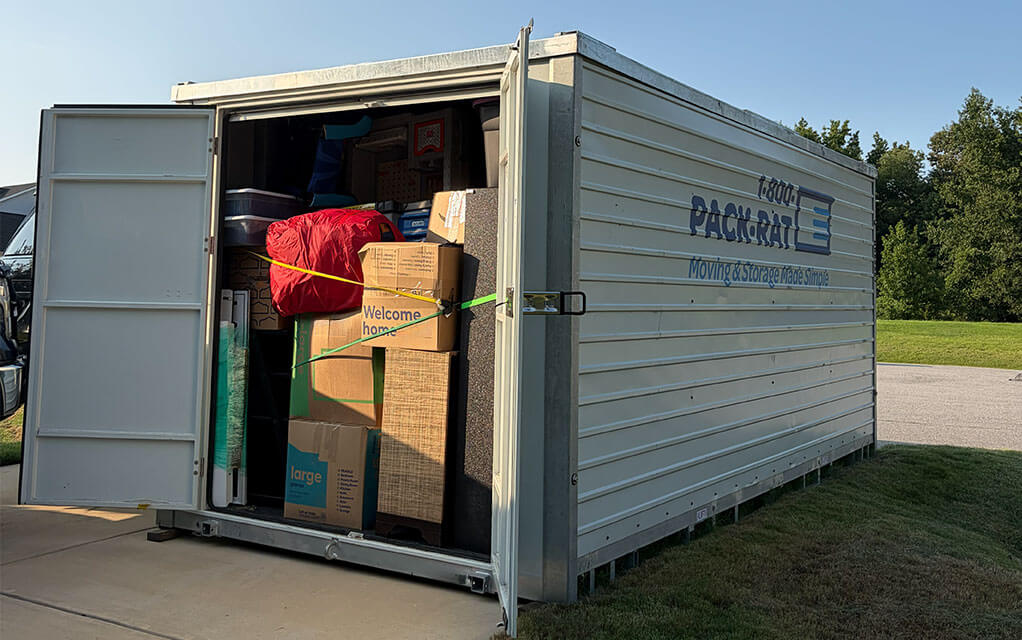
When you move locally or long-distance with 1-800-PACK-RAT, we handle all of the transportation and logistics. Here is how it works: you select your preferred moving date, and we will bring out an all-steel, weather-resistant portable storage container to your home. You then take as long as you need and pack the container at your own pace. When you are done, give us a call, and we will come out, pick up your container, and start moving it to your new home. If you need storage between your moves, our containers double as storage units, allowing you to keep them on-site or store them in one of our more than 80 secure warehouse storage facilities across the continental United States. It really is that simple.
If you need help moving during the winter season, check out our blog for winter moving tips, or, to make it truly simple, give us a call or get a free quote online now to get the process started! We can't wait to help make your cold climate move an easy one!
Frequently Asked Questions About Moving to a Colder Climate
What are the most important things to pack when moving to a cold climate?
Pack the items you will need as soon as you arrive. That includes winter gear, core winter clothing, a base layer, waterproof boots, and a few warm extras within easy reach. If space allows, keep a snow shovel handy too, especially if weather may turn before or right after move-in.
How do I protect my belongings during a winter move?
Plan for delays and easy access. A portable storage container can help you stay organized during winter weather, and a storage facility may help if timing shifts. Once you arrive, learn the heating system quickly, since cold temperatures can make an empty house harder on both people and packed items.
What should I know about driving or parking in icy conditions?
Drive slowly in winter and practice before you need to do it for real. Use winter tires if you are in a snowy region, keep jumper cables in the car, and carry an ice scraper. Watch for slick spots caused by packed snow, ice, and road salt in parking areas.
How long does it take to adjust to living in a cold climate?
Adjusting to a new climate, especially one with harsh winters, can be gradual. While many individuals notice their bodies acclimating within two to four weeks, the emotional and mental adaptation often takes longer, sometimes several months. Experiencing your first winter in a colder region can be challenging, as shorter days and reduced sunlight may impact your mood and energy levels.
One common concern during winter is Seasonal Affective Disorder (SAD), which is associated with symptoms such as fatigue, low mood, or difficulty concentrating. To help combat these effects, using a sun lamp (also known as light therapy) for about 20-30 minutes each morning can be beneficial. Spending time outdoors, even on cloudy days, can also boost your mood and provide exposure to natural light.
Additionally, it’s important to monitor your vitamin D intake and understand the effects of daylight on your health. Many people become deficient in vitamin D during the winter months due to limited sunlight exposure. Supplements or foods rich in vitamin D, such as fortified dairy products, eggs, and fatty fish, can help maintain healthy levels.
Staying active through regular physical exercise, connecting with others socially, and maintaining a consistent sleep schedule are other strategies that support both physical and mental adjustment. As you become more familiar with the seasonal changes and develop coping mechanisms, you’ll likely find it easier to thrive through subsequent winters.
What are the best clothing layers to wear when living in a cold climate?
Use a simple layering system. Start with a base layer, such as thermal underwear; add an insulating middle piece; and finish with a shell layer to block wind and moisture. Do not forget wool socks. Thin layers usually work better than one bulky item because they hold warmth more effectively.
How do I manage my vehicle maintenance for driving in snowy conditions?
Preparing your car for deep winter is crucial to ensure safety and reliability when temperatures drop and road conditions worsen. In addition to checking that you have winter tires appropriate for your region, since all-season tires may not provide adequate traction in snow or icy conditions, inspect the tire treads and pressure, as cold weather can reduce air pressure.
A fully charged battery is essential because batteries lose significant power in colder temperatures, making it harder for your car to start. Consider having your battery tested at a local auto shop and replace it if it shows signs of weakness.
Stocking up on emergency supplies is another key step for traveling long distance. Beyond a first aid kit and ice scraper, you should consider adding blankets, a flashlight with extra batteries, jumper cables, bottled water, non-perishable snacks, gloves, and a small shovel to your vehicle. Sand or kitty litter can also help you gain traction if you get stuck in snow.
Understanding how to react in the event of a fishtail or skid is vital for winter driving safety. If your rear wheels slide (oversteer), gently steer into the skid, meaning if the back end of your car moves right, turn the front wheels to the right, and avoid braking suddenly or overcorrecting, which can lead to a loss of control. Vehicles with four-wheel drive often thrive in these environments, so if your vehicle can operate that way, you are in luck.
If you’re facing a move during the winter months, unpredictable weather can make logistics challenging. 1-800-PACK-RAT offers portable storage containers, which add flexibility by letting you pack at your pace and securely store belongings on-site if needed until you’re ready to move. When you are done, we will handle all the driving and transportation so you don't have to. This convenience reduces stress, keeps your items safe from harsh winter elements, and provides easier access at different stages of relocation.
Taking these precautions can help ensure both safer travels and smoother transitions during the harshest months of the year.
- Moving Tips (134)
- Home Organization (28)
- News Releases (23)
- Packing Tips (22)
- Fun Stuff (19)
- Portable Storage (18)
- Storage Tips (12)
- In the Community (11)
- Moving and Storage Tips (11)
- Moving Checklists (9)
- Household Moving (7)
- Moving on a Budget (5)
- DITY Move (4)
- Moving Company Comparisons (4)
- Home Maintenance Tips (3)
- Home Buying and Selling Tips (1)
- Interstate Moving (1)


